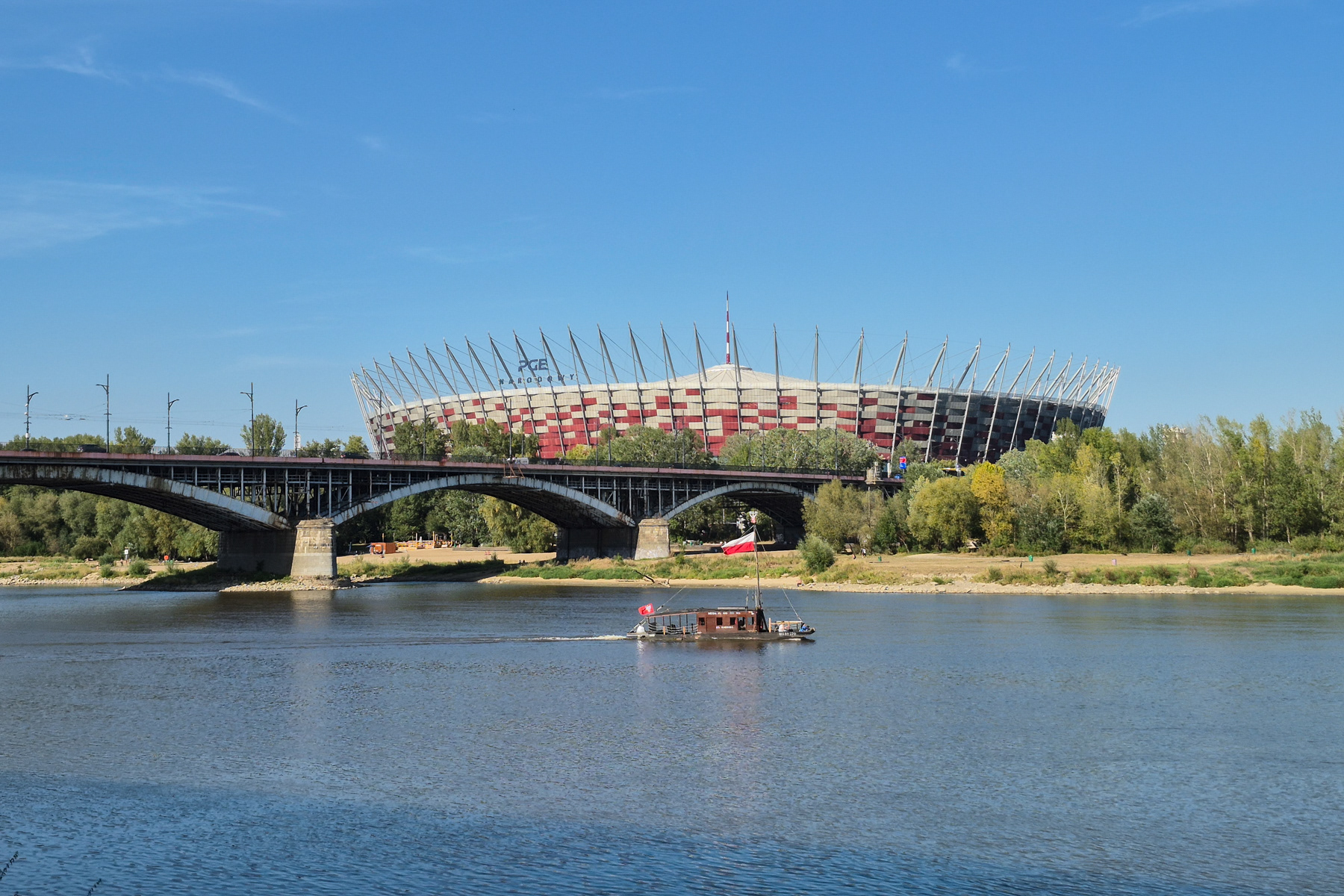
The main square (rynek) of Warsaw's old town, August 2025

The main square (rynek) of Warsaw's old town, August 2025
Warszawa (Warsaw in English) is not only the capital, it is the most cosmopolitan city of Poland. Here you will find Europe's tallest skyscraper—if one leaves out Moscow, the country's financial centre, some of the best restaurants for vegetarians and loads of venues to have fun. It is also the place for Europe's architectural equivalent to the Empire State Building in New York: the Palace of Culture and Science (Pałac Kultury i Nauki) opposite of Central Station.
The dark side of Warsaw
Warsaw also has its dark side. More than 80 years ago, the city was more or less destroyed by the Nazi Germans. They also crushed two waves of armed resistance, the Warsaw Ghetto Uprising from mid-April to mid-May 1943 and the 2-months long Warsaw Uprising in August and September 1944. 
Subsequently, the Soviet Union occupied Warsaw and the rest of Poland until September 1993. On 13 December 1981 the puppet Polish strong man Jaruzelski declared martial law on the entire country—with images of Polish Army tanks in Warsaw's streets aired in the rest of the world. The crackdown on everything not aligned with the Communist government ended on 22 July 1983.
Warsaw nowadays
Nowadays, Warsaw is a joy to visit. A stroll through the reconstructed old town (mind you: practically everything is post-WW2 even if it looks older) is a joy, as well as relaxing on the banks of the river Wisła (Vistula in English). Praga—on the eastern bank of the river—is the oldest part of the city and although mainly safe to walk through, it still has its notorious parts. The university area on the western banks is gifted with a wonderful rooftop garden on its library, and not far away one finds the Copernicus Science Centre. The latter is especially fun when visiting with children, and can take up almost a whole day for the real diehards.
Warsaw and I
Warsaw was the first place I ever visited in Poland, at the beginning of this century. It was also the place where I got stuck for six weeks when COVID-19 put severe limitations on one's movement in Poland. In the end, Kraków became my hometown, but a visit to Warsaw for whatever reason is always nice.
The first photo series of Warsaw are from my August 2025 visit, but I will gradually add more from other moments in time.
The National Stadium and the Poniatowski Bridge (Most Poniatowskiego), August 2025.
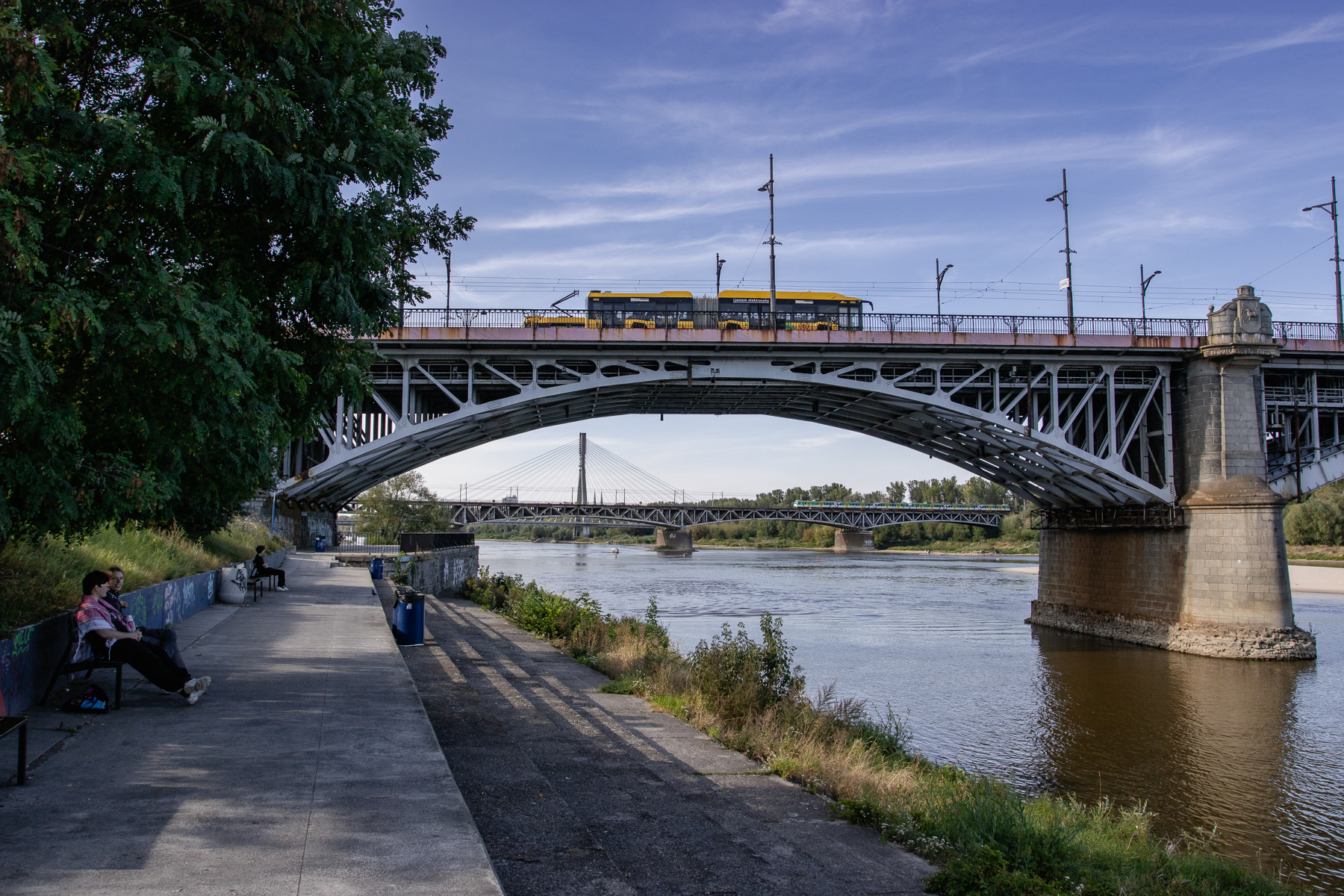
The National Stadium and the Poniatowski Bridge (Most Poniatowskiego), August 2025.

Strolling along the Wisła (Vistula) River
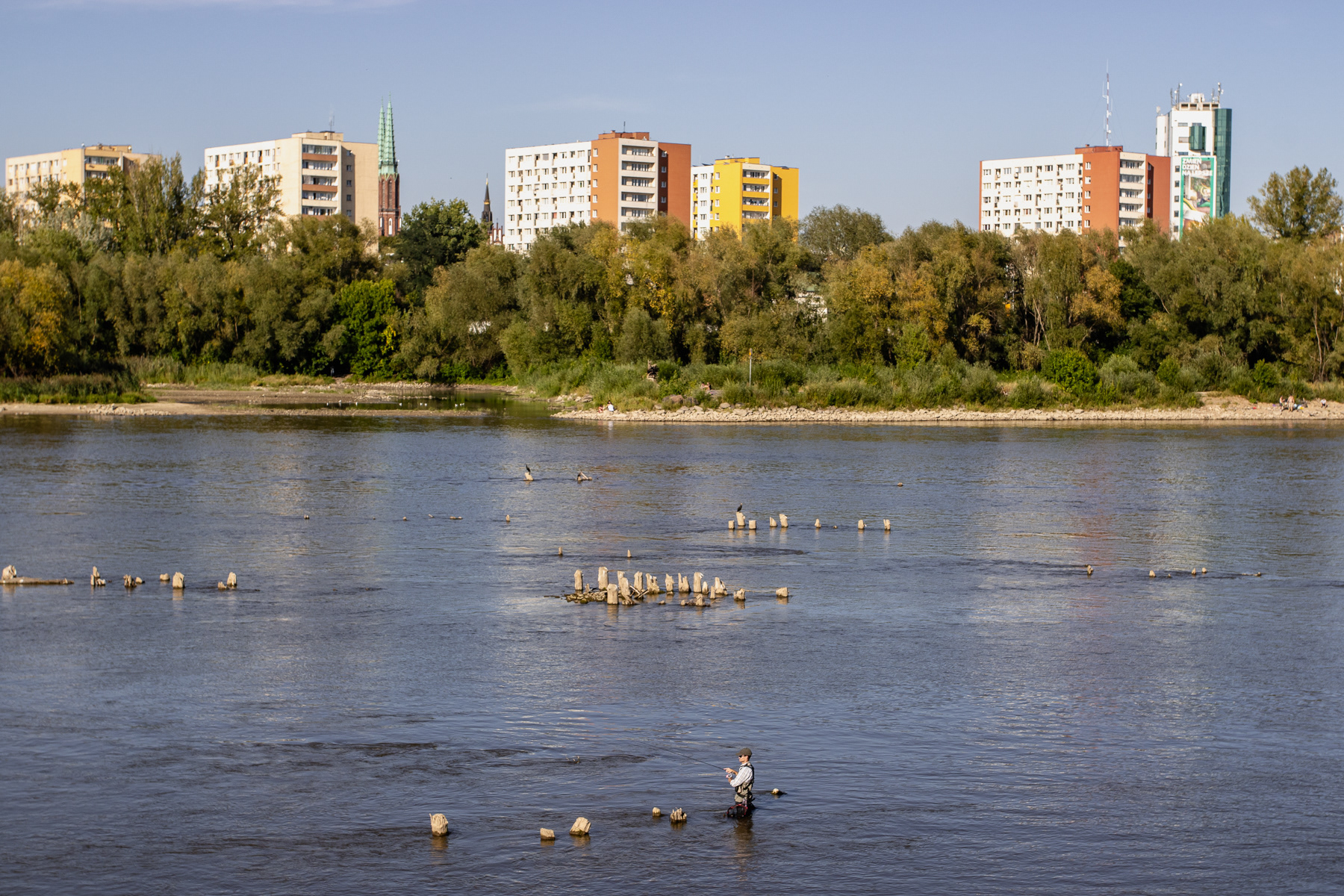
Warsaw is situated roughly halfway the Wisła (Vistula) River, which is with 1,047 kilometres (651 miles) Poland's longest river and the 9th longest of Europe. But water usage and drought mean that the Wisła is not always as mighty as one might expect. During my August 2025 visit, it was actually at its lowest recorded level ever of 6 to 7 centimeters (2.3 to 2.8 inches) above the river bed of the capital city. 
The eastern banks of Wisła in Warsaw are really basic, and sort of a green zone—forbidden to use during the height of COVID-19 in parts of Winter 2022. The western banks have cafés, restaurants and chill spots and is worth a long stroll with stops to enjoy included. One way to enjoy it to the most is take a bus to the Łazienkowski bridge and walk north—it gets you right to the Royal Castle of Warsaw—from the times before Poland was not occupied nor a republic—and the old town.
The Poniatowski Bridge (Most Poniatowskiego) in the forefront, with the Średnicowy Railroad Bridge and the Świętokrzyski Bridge Hang Bridge further away, August 2025.
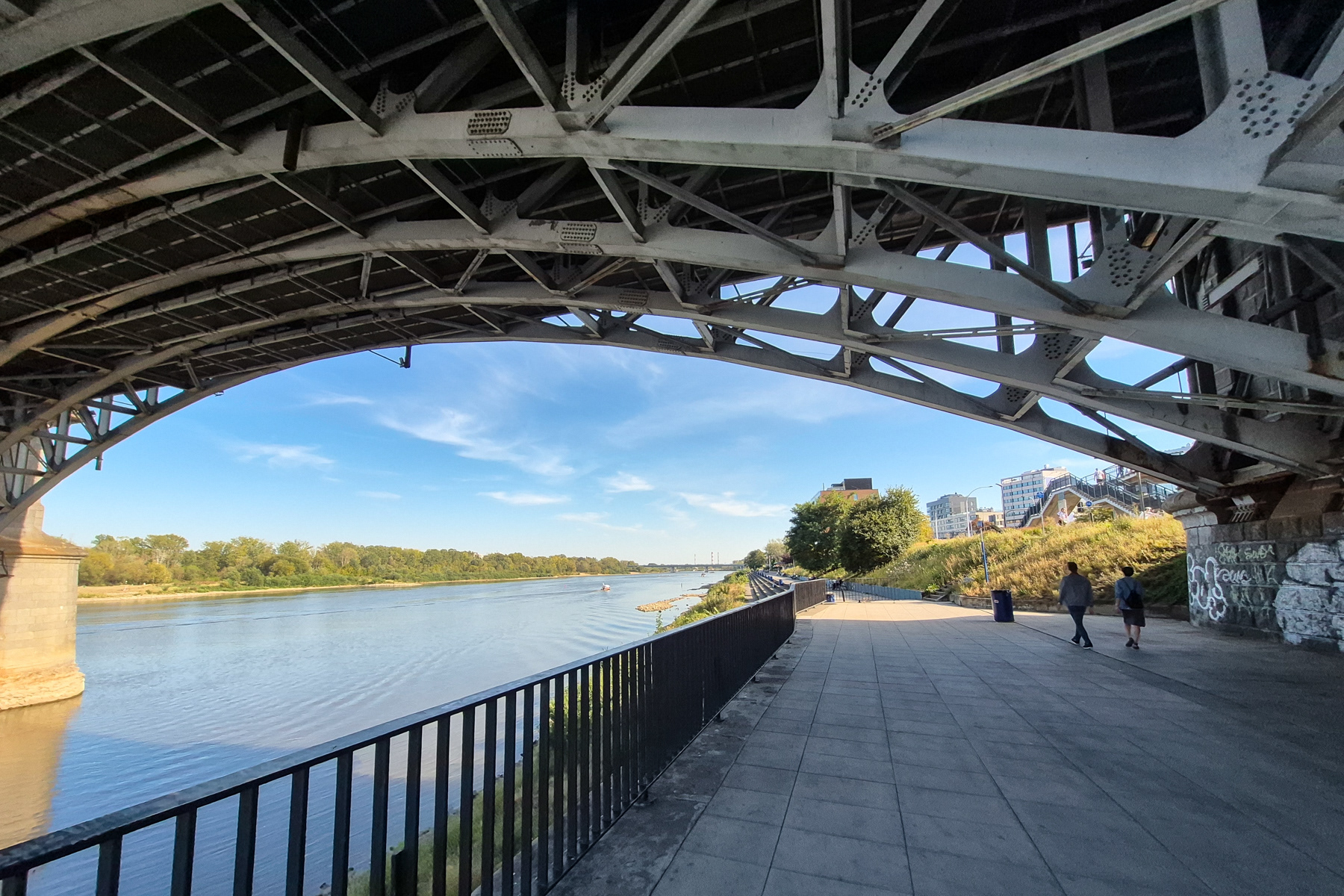
The Poniatowski Bridge (Most Poniatowskiego) in the forefront, with the Średnicowy Railroad Bridge and the Świętokrzyski Bridge Hang Bridge further away, August 2025.

View south underneath the Poniatowski Bridge, August 2025.
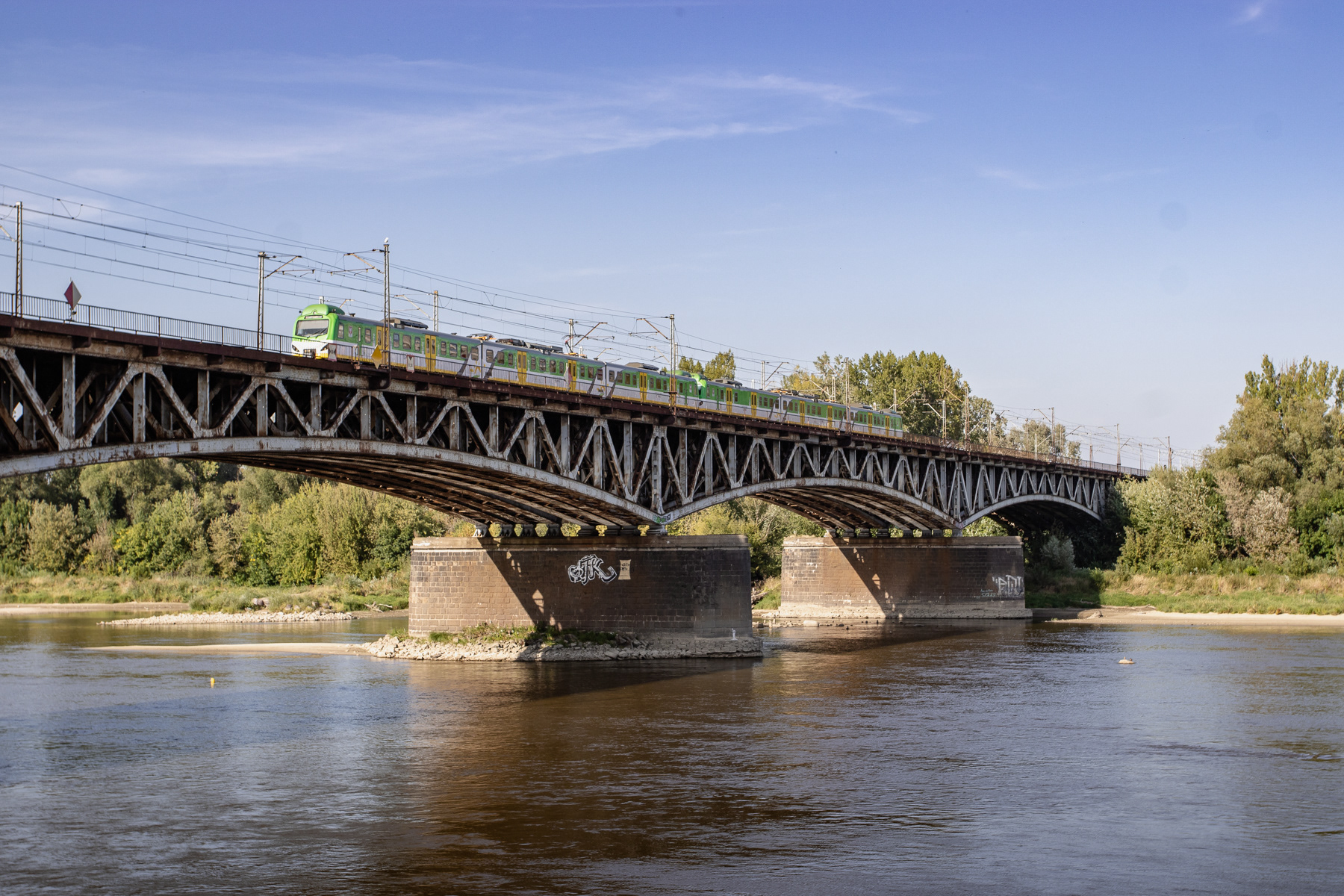
View south underneath the Poniatowski Bridge, August 2025.

The Średnicowy Railroad Bridge, August 2025.
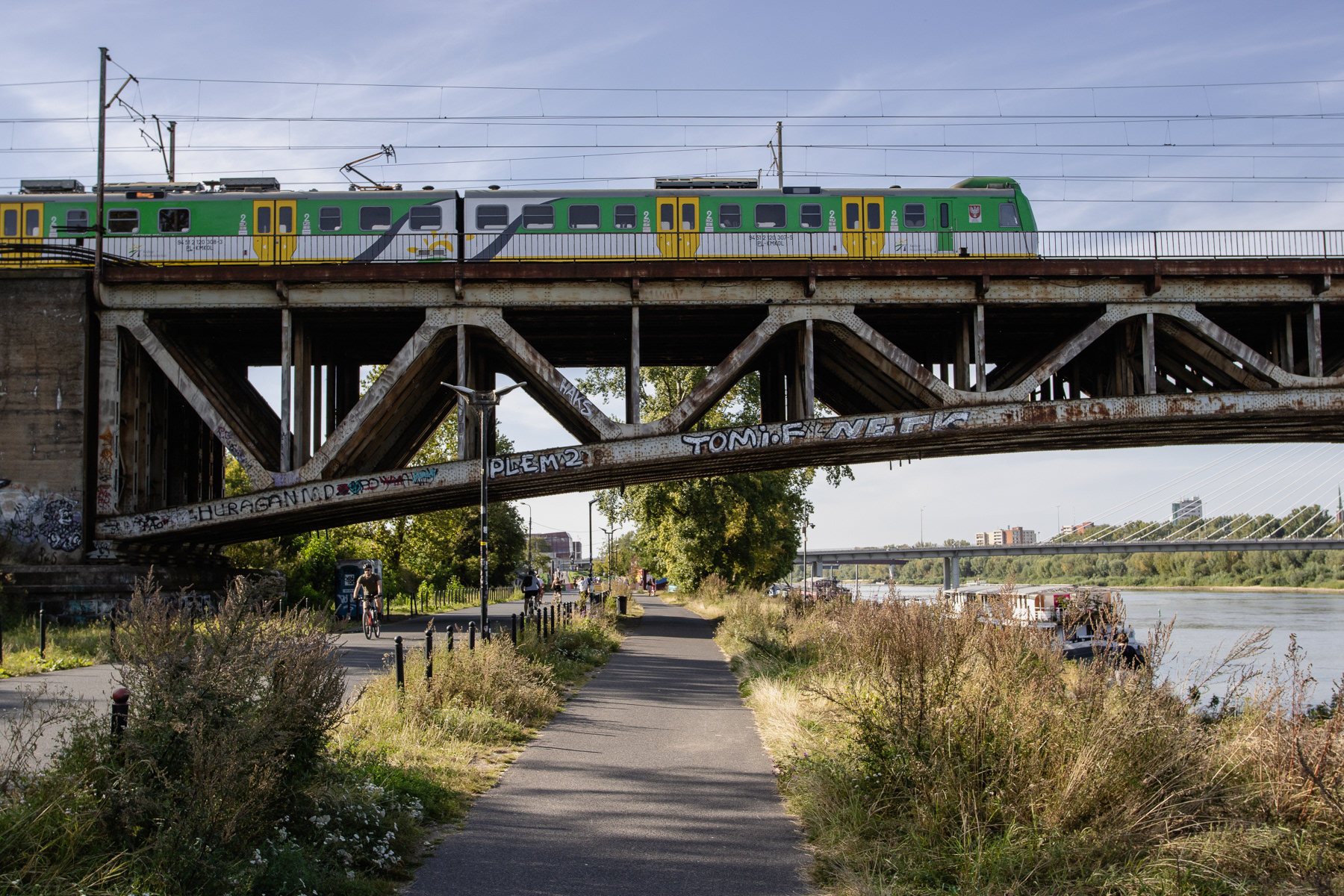
The pathways on the western river banks are popular among cyclists and pedestrians.
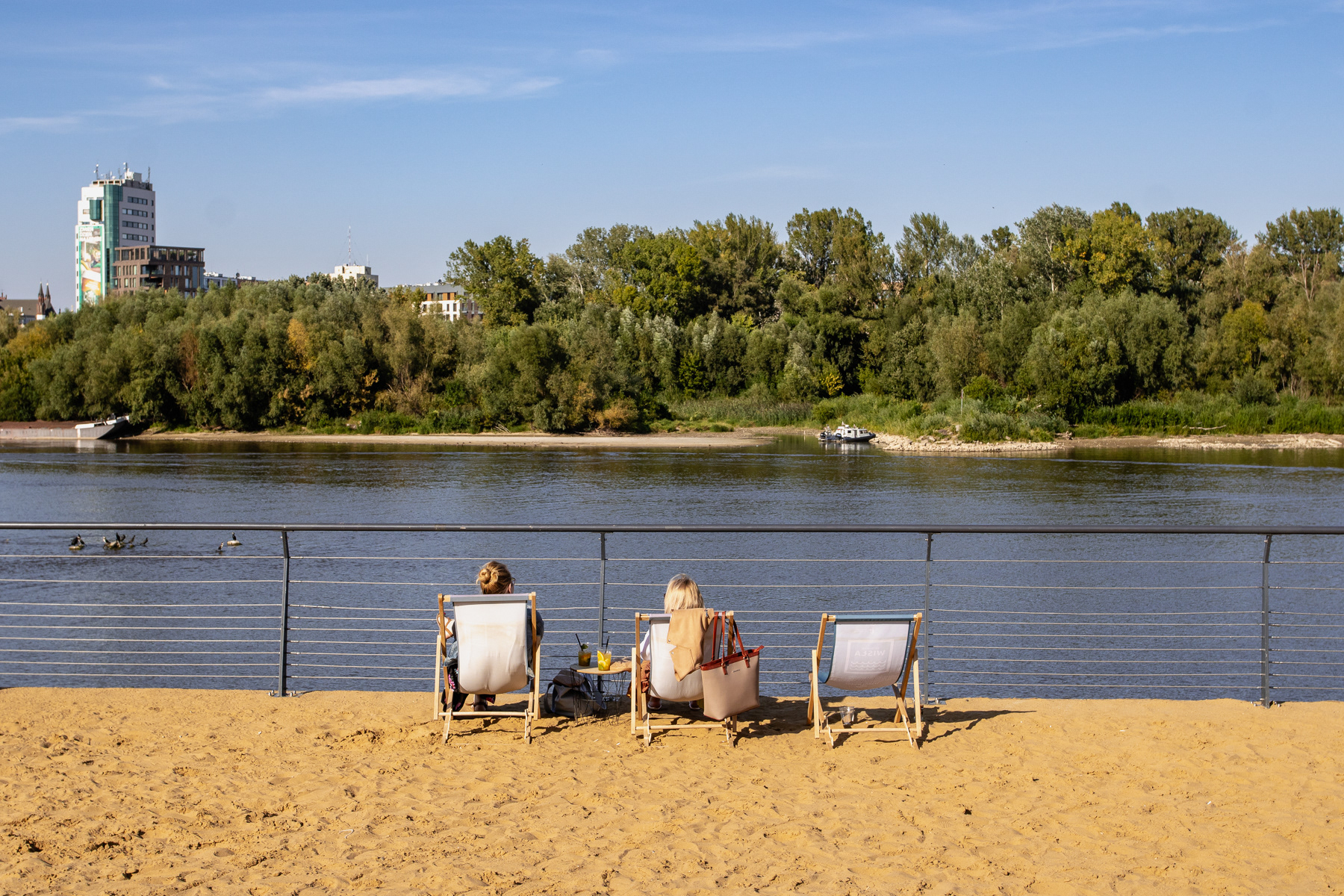
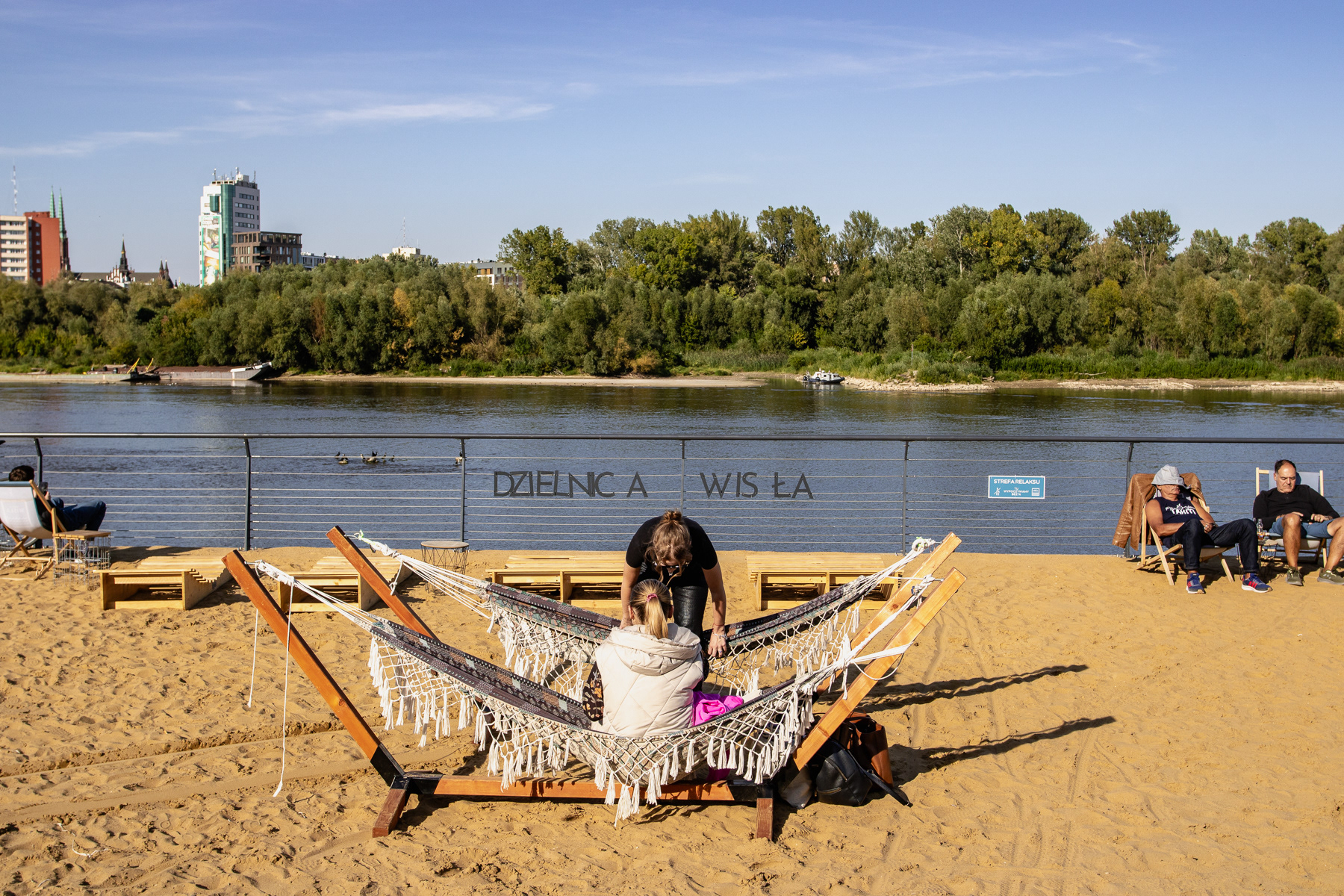
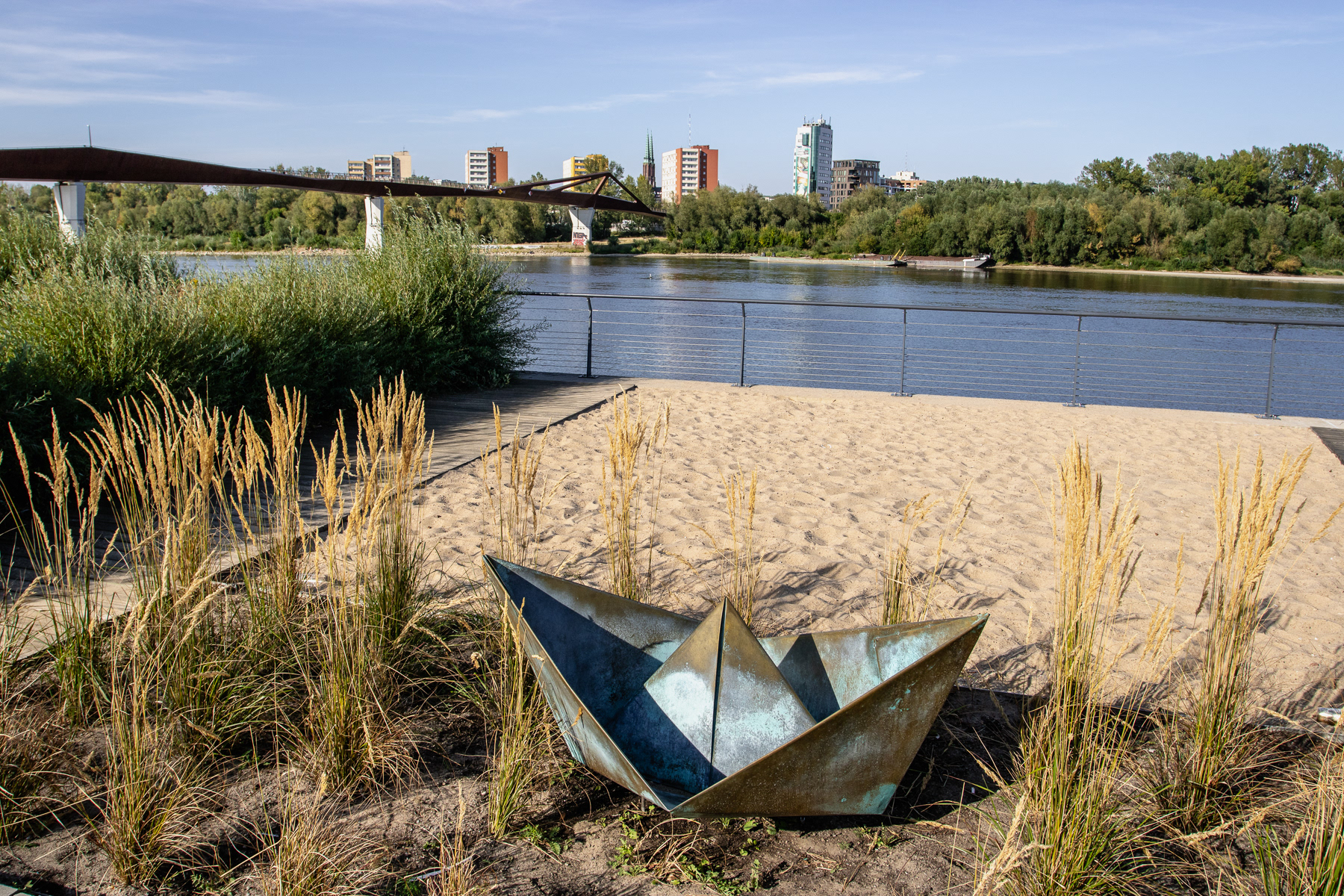
A beach of sorts on the western bank of the Wisła River, August 2025.
When the Wisła River was at one of its lowest-recorded level ever, in August 2025.

When the Wisła River was at one of its lowest-recorded levels ever, in August 2025.
Stare Miasto (The Old Town)
The Old Town of Warsaw is UNESCO World Heritage since 1980, for it being the first historic centre of the world that was almost entirely reconstructed after it was practically completely destroyed by the Nazi Germans in World War 2. Some of the buildings look like they are from the 1600s and 1700s, but they are less than a century old. In 2011 the documents and records of the reconstruction were added to the UNESCO Memory of the World international register.
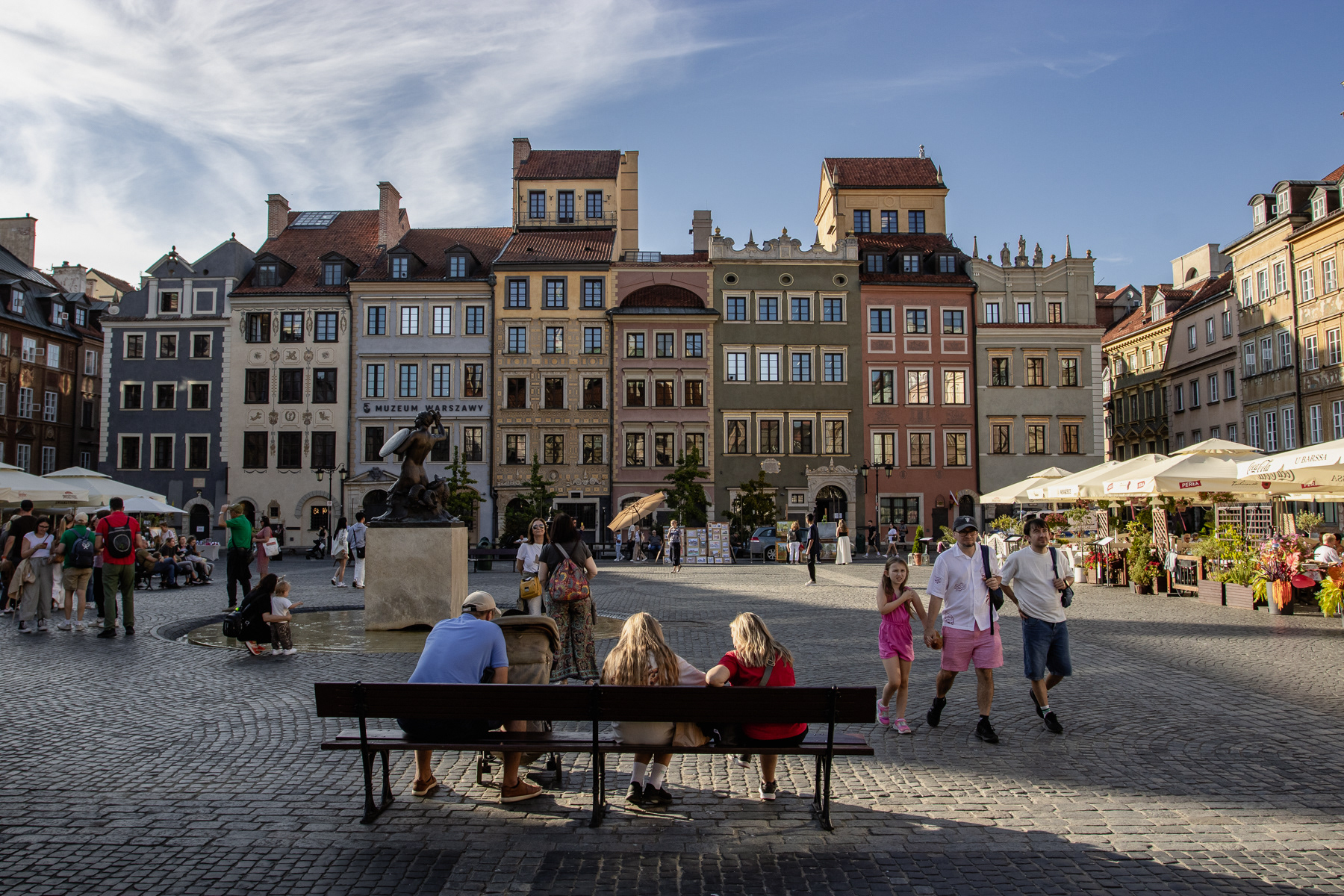
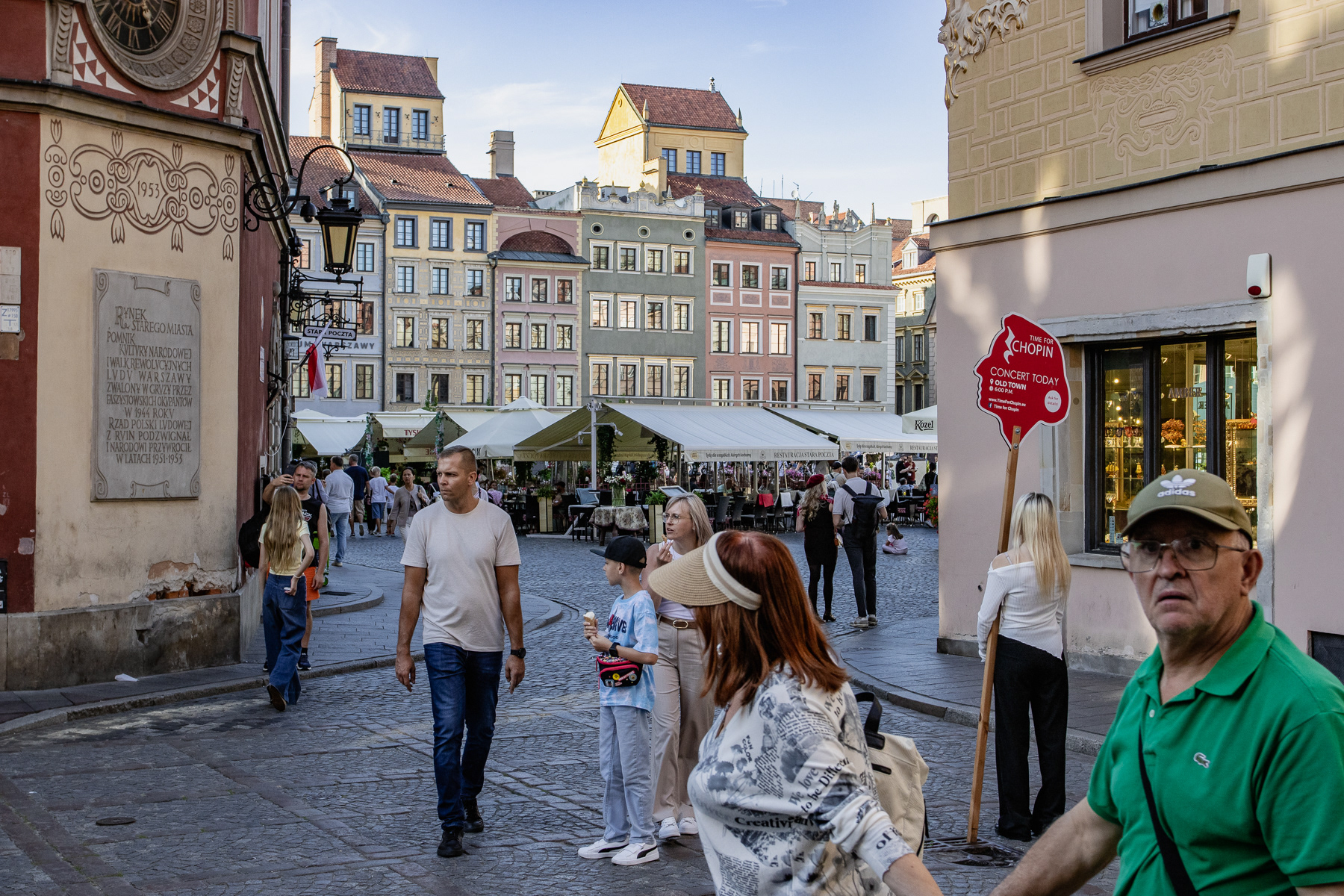
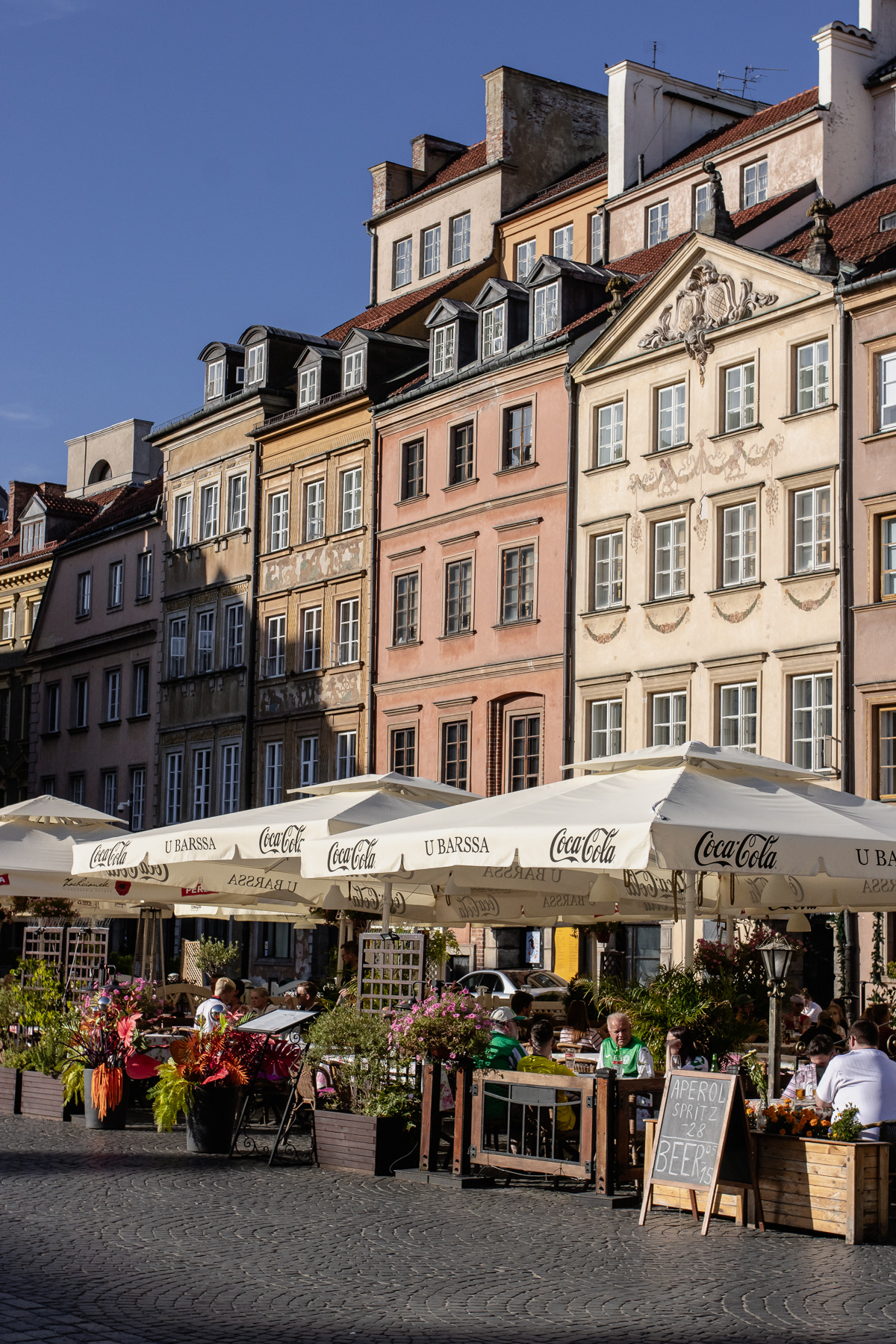
The market square of the Old Town (Rynek Starego Miasta) has its origins in the 13th century and is still the beating heart of the historic centre. From here, wander off into the side streets and down to the river and up again to discover the old town at its best.
View at Rynek Starego Miasto, Warsaw, August 2025.
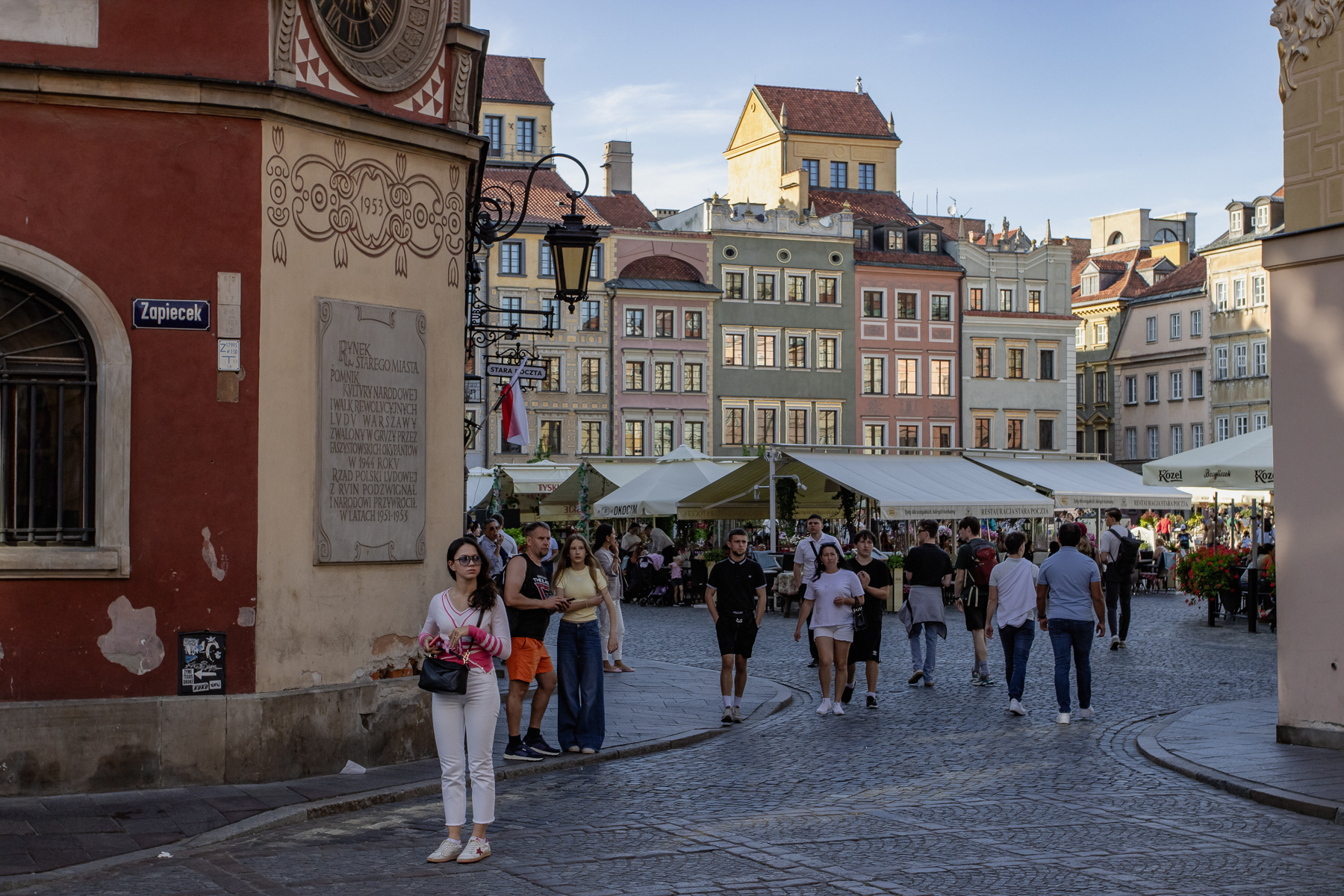
View at Rynek Starego Miasto, Warsaw, August 2025.

Scenes at Rynek, August 2025.
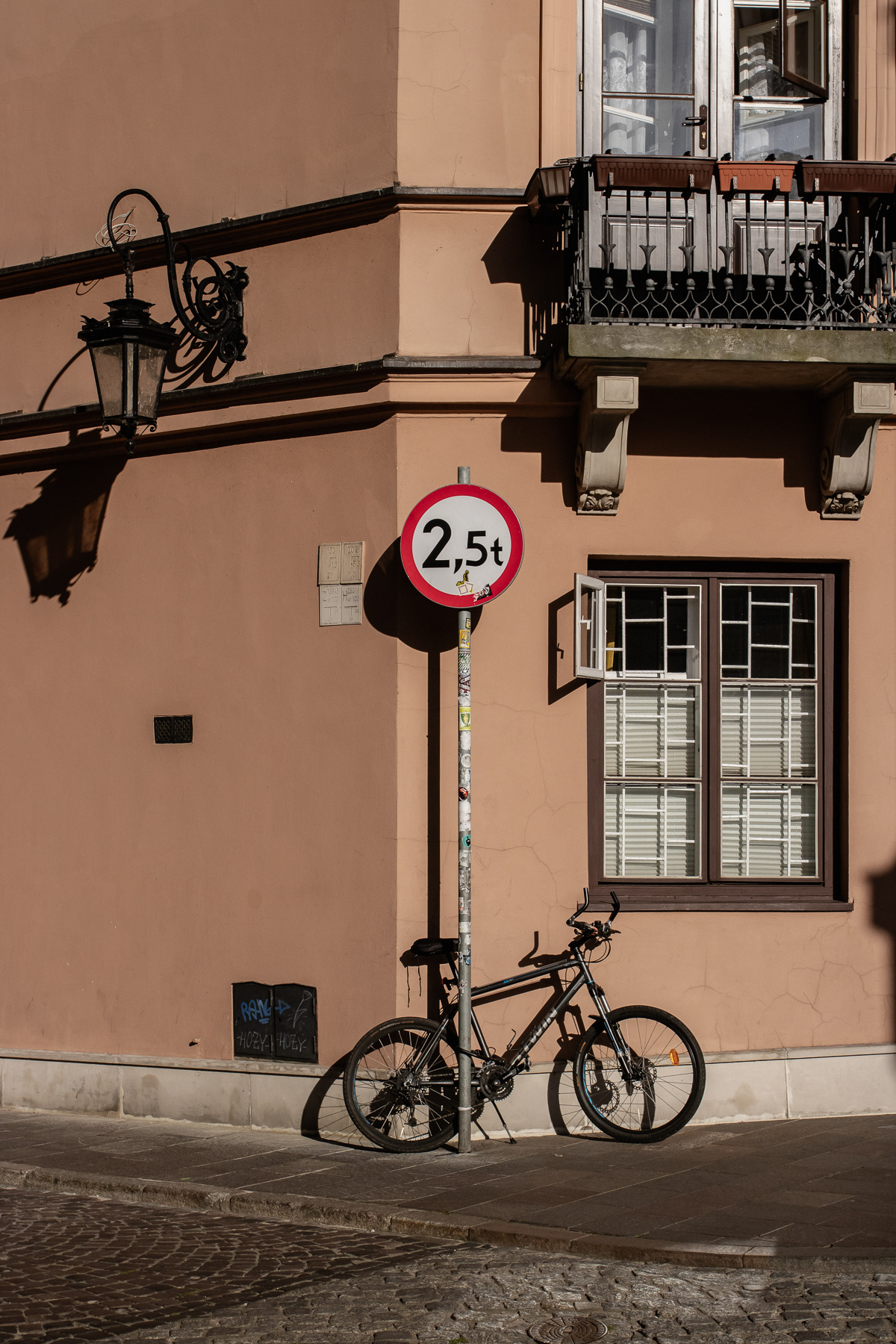
Bicycle and a 2.5-tonnes prohibit sign.
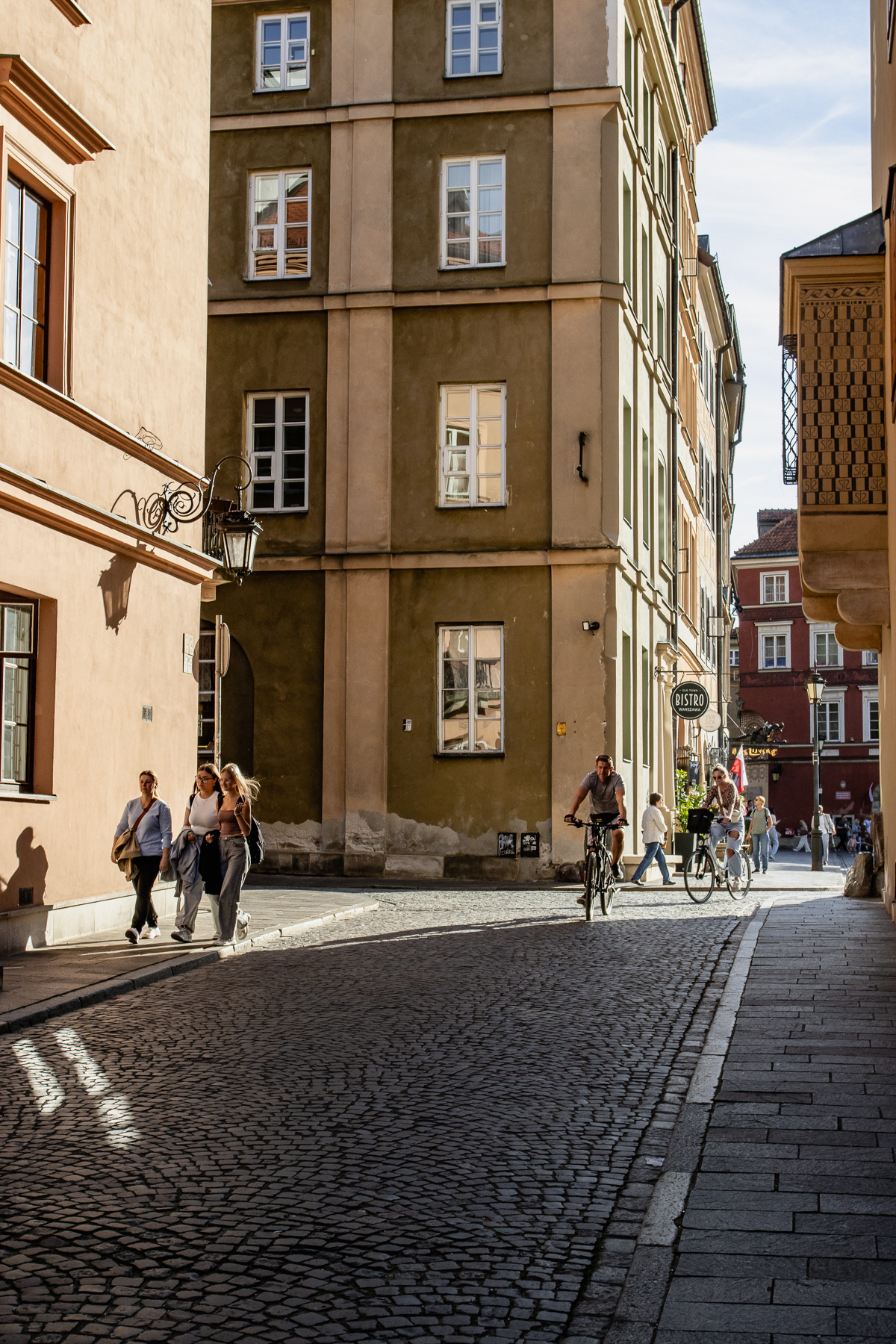
Side-street leading to Rynek, August 2025.
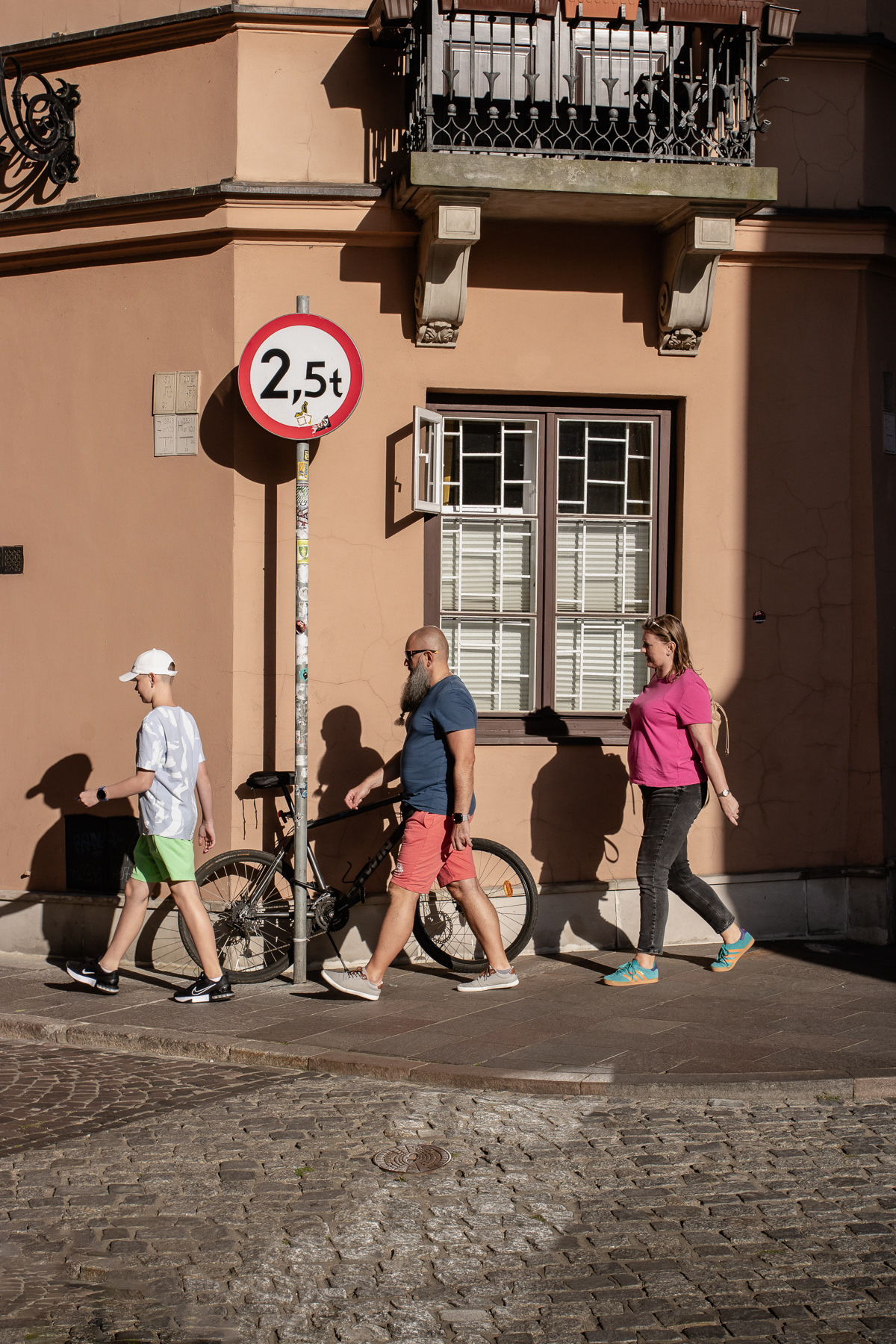
Scene at Rynek, August 2025.
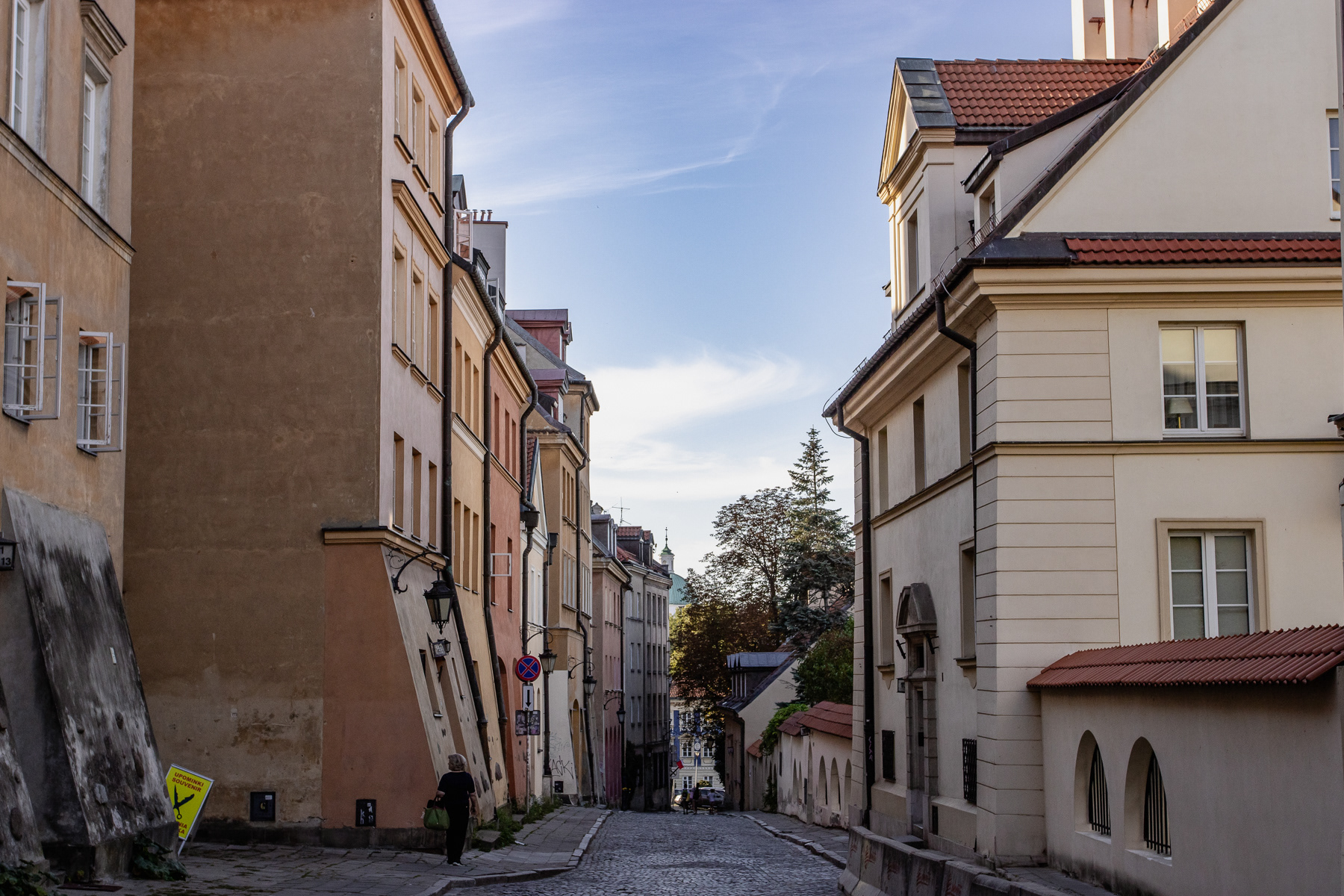
Brzozowa street, one block away from Rynek, August 2025.
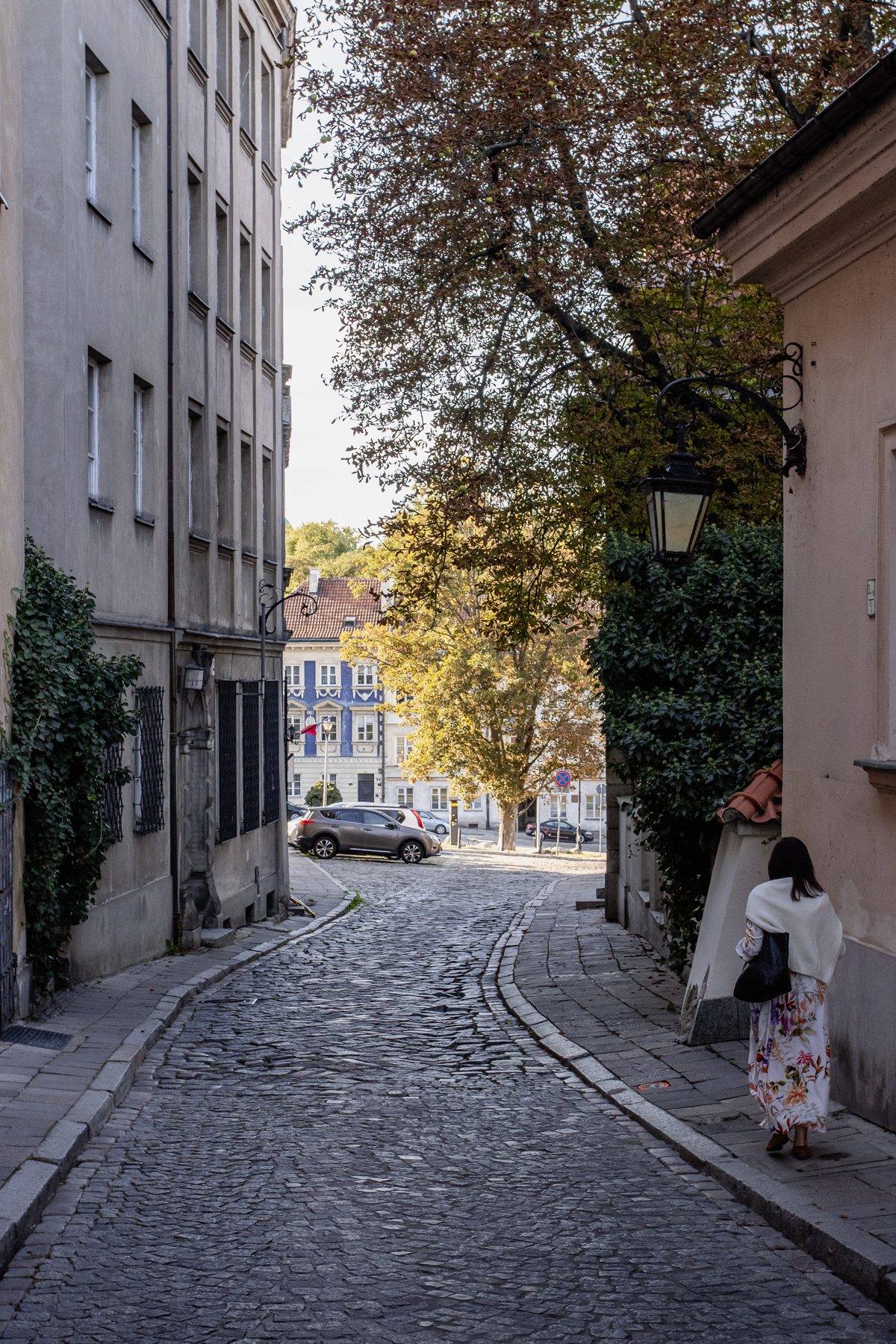
Brzozowa street, one block away from Rynek, August 2025.
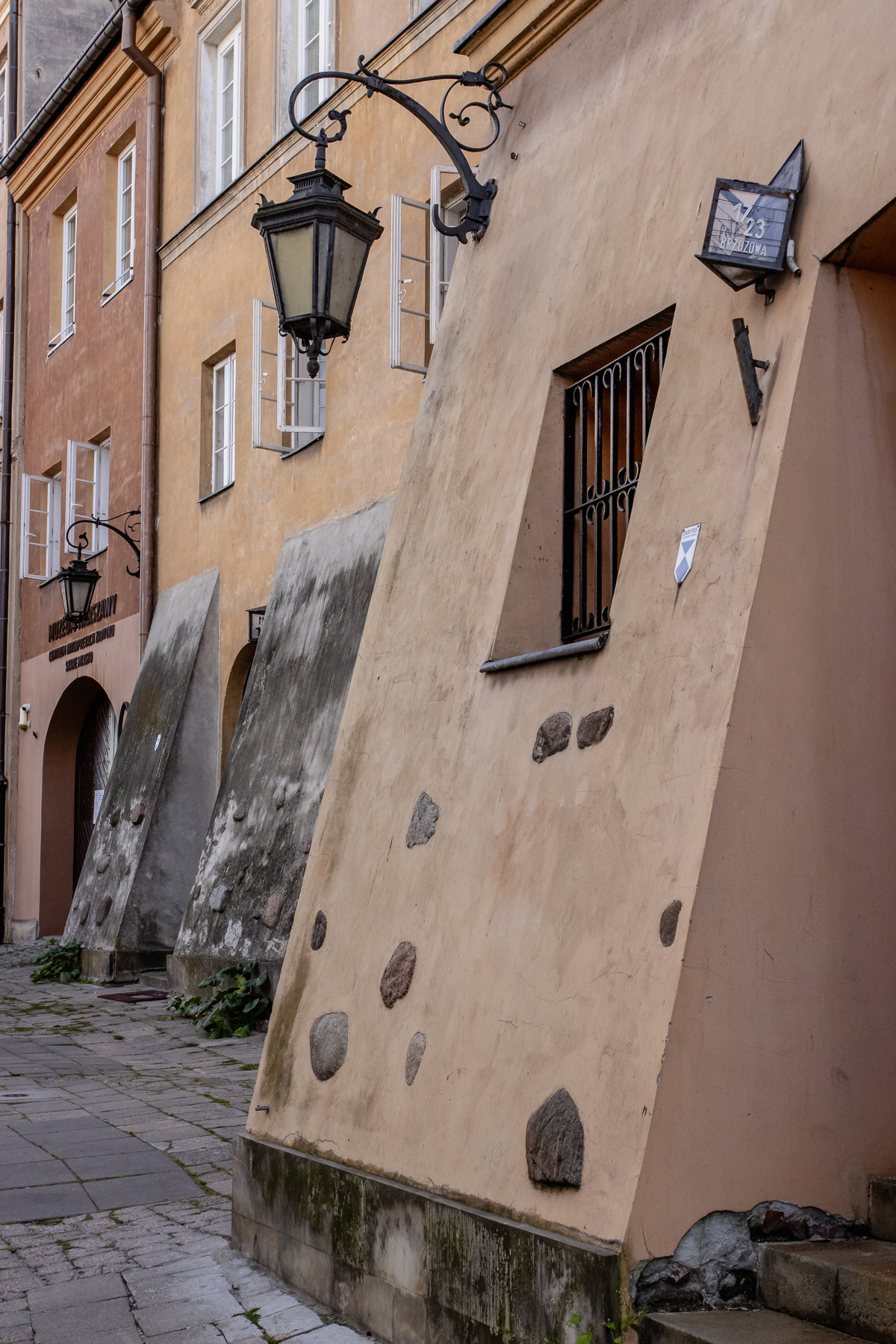
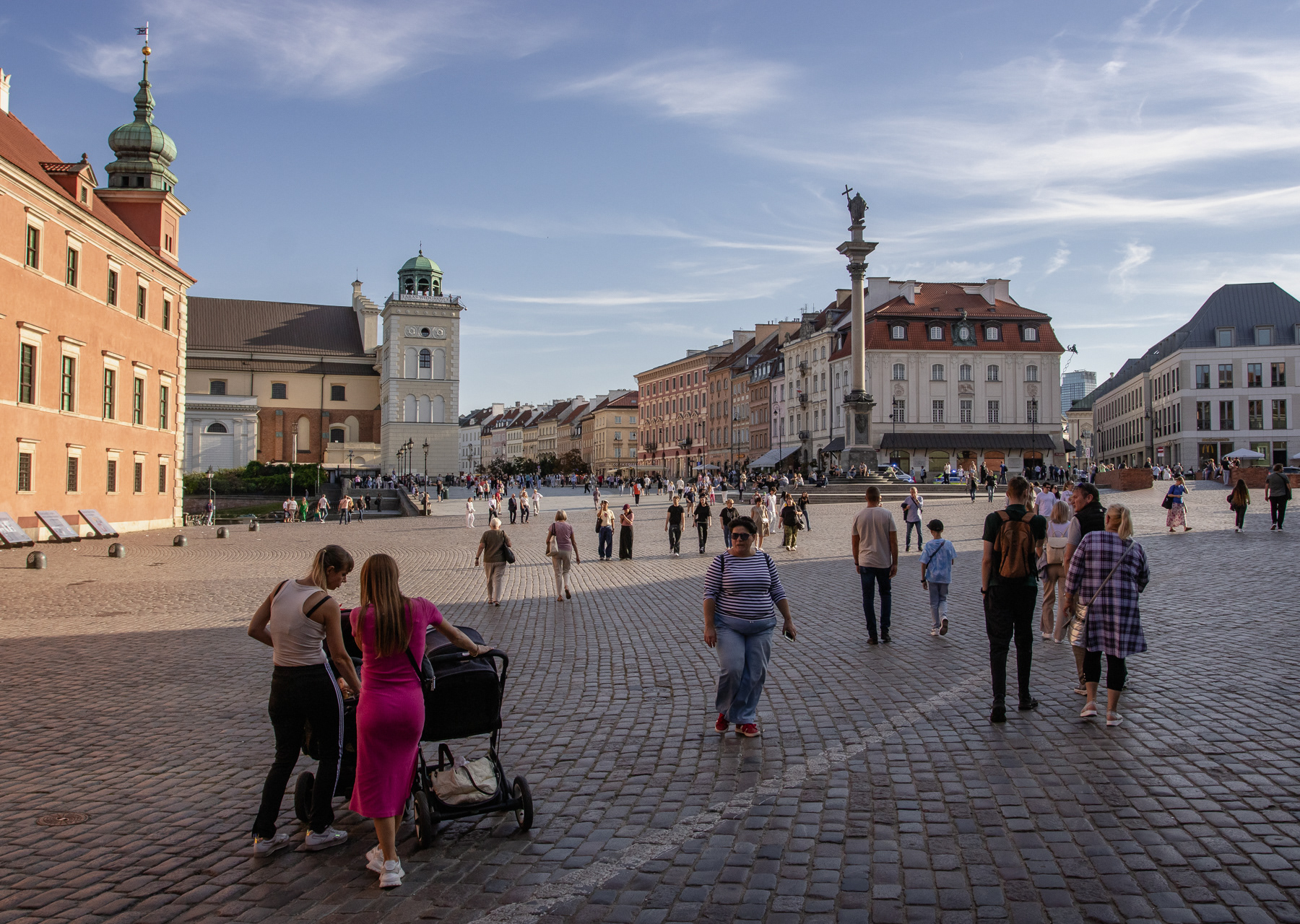
Plac Zamkowy, or Castle Square, August 2025.
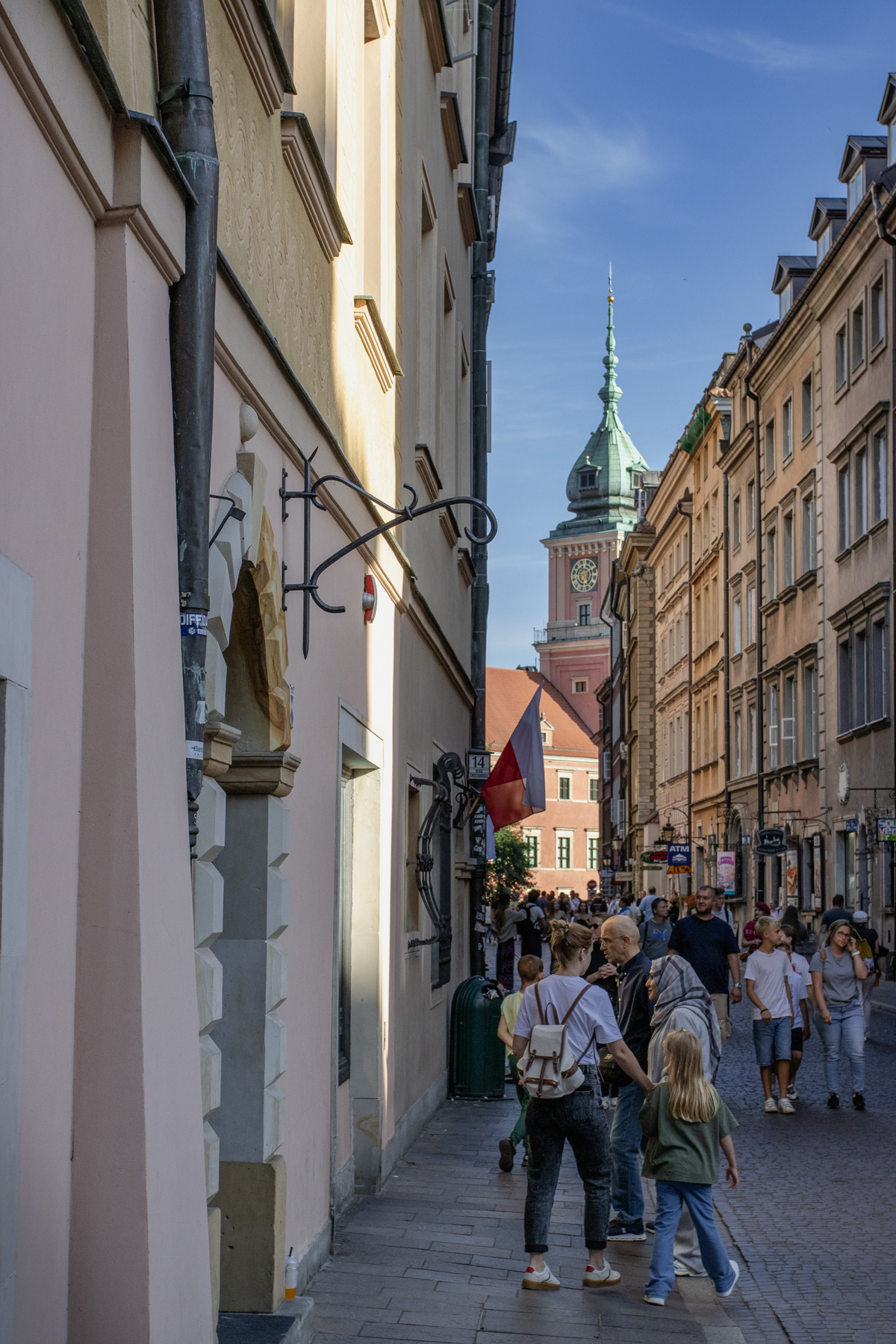
Plac Zamkowy, or Castle Square, August 2025.

Świętojańska street, August 2025.
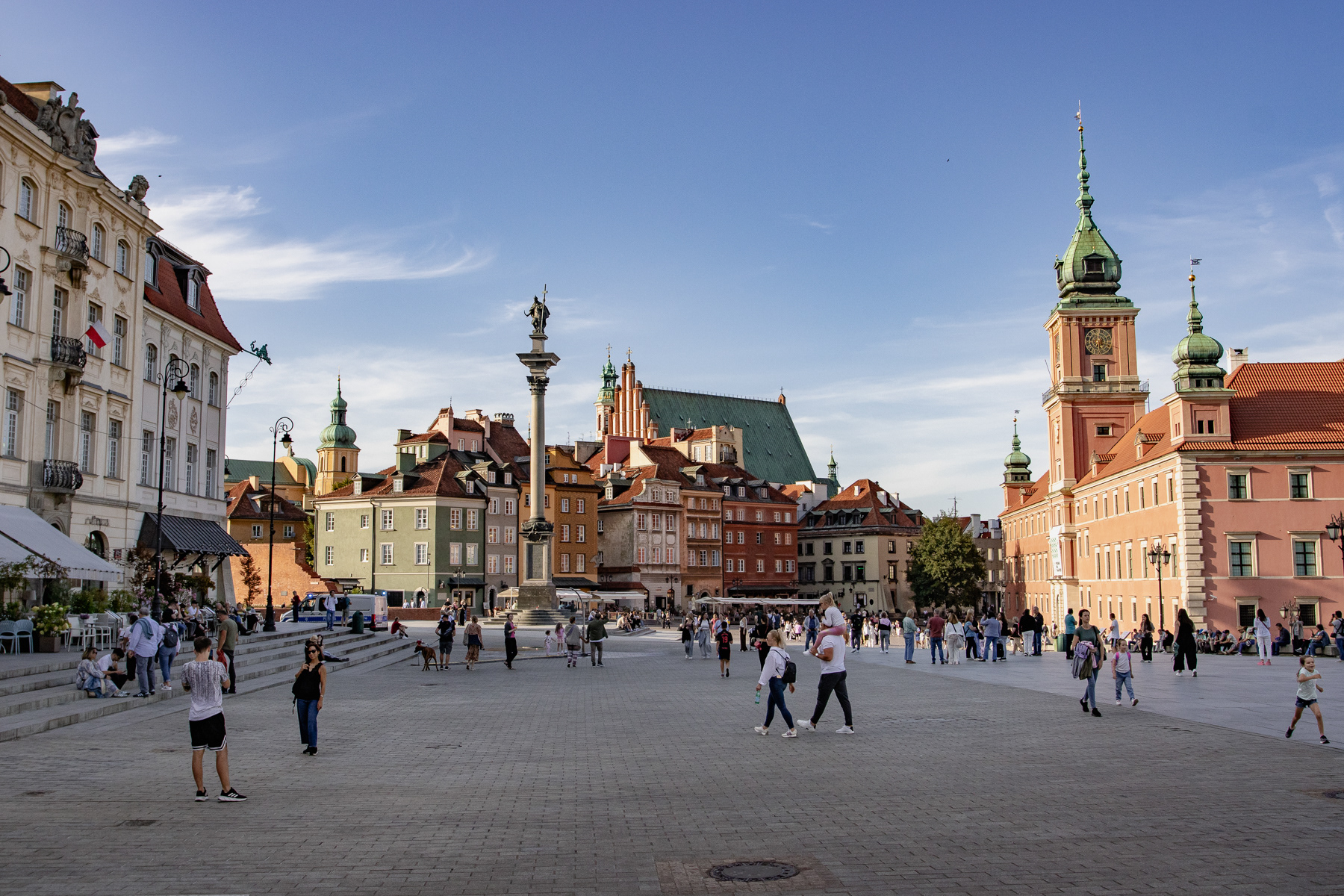
Plac Zamkowy, or Castle Square, August 2025.
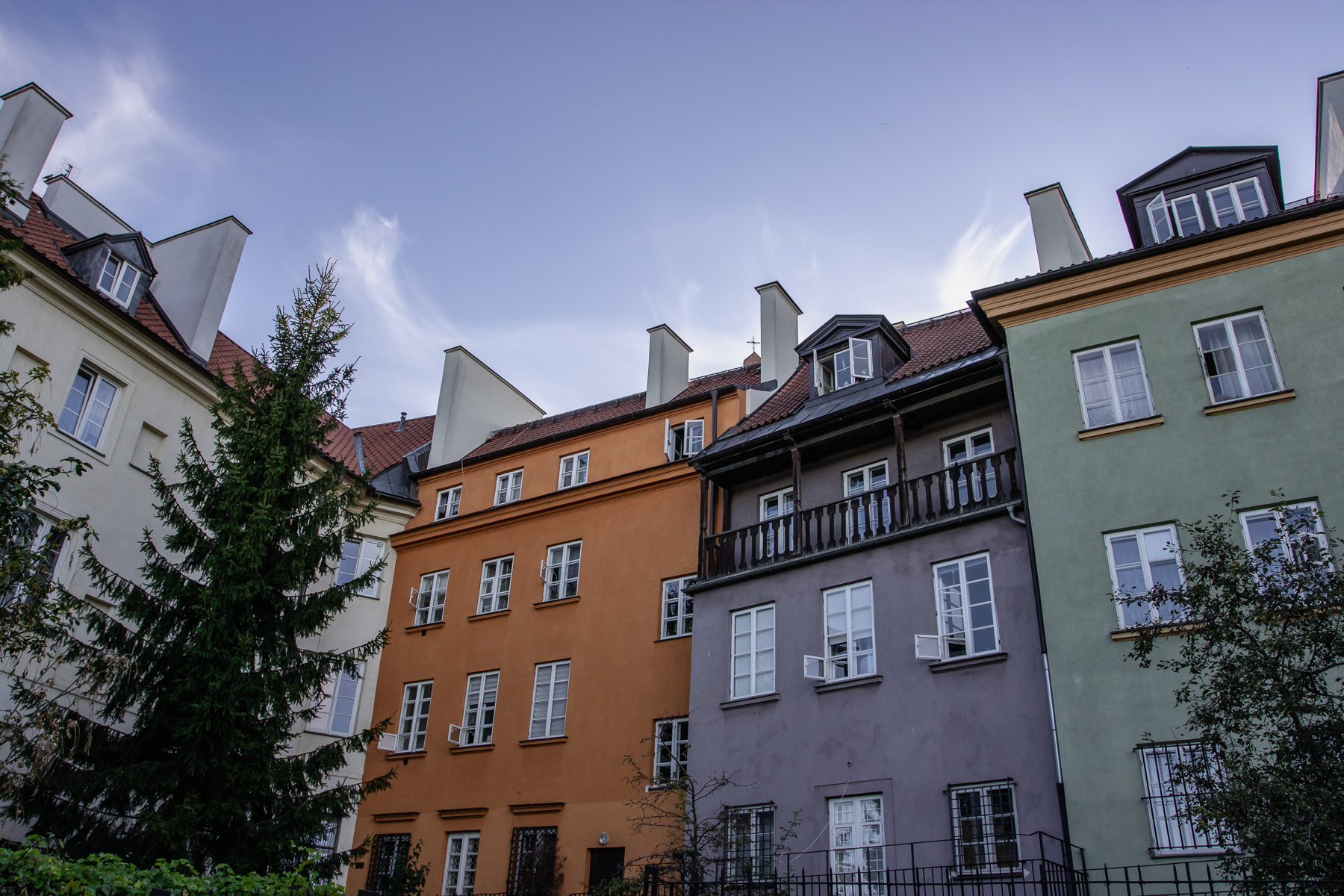
Residential buildings near the Royal Castle of Warsaw, August 2025.
Residential buildings near the Royal Castle of Warsaw, August 2025.

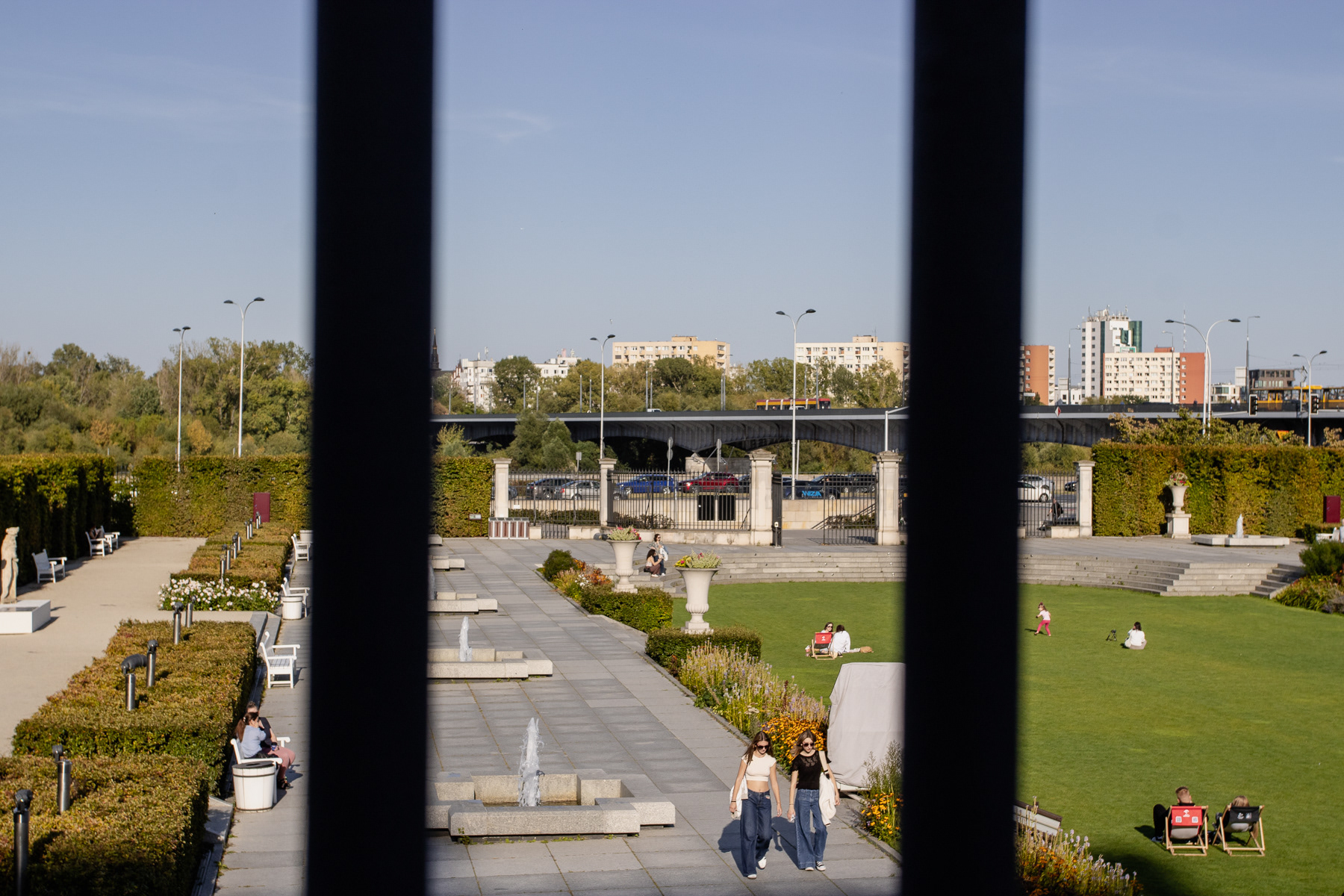
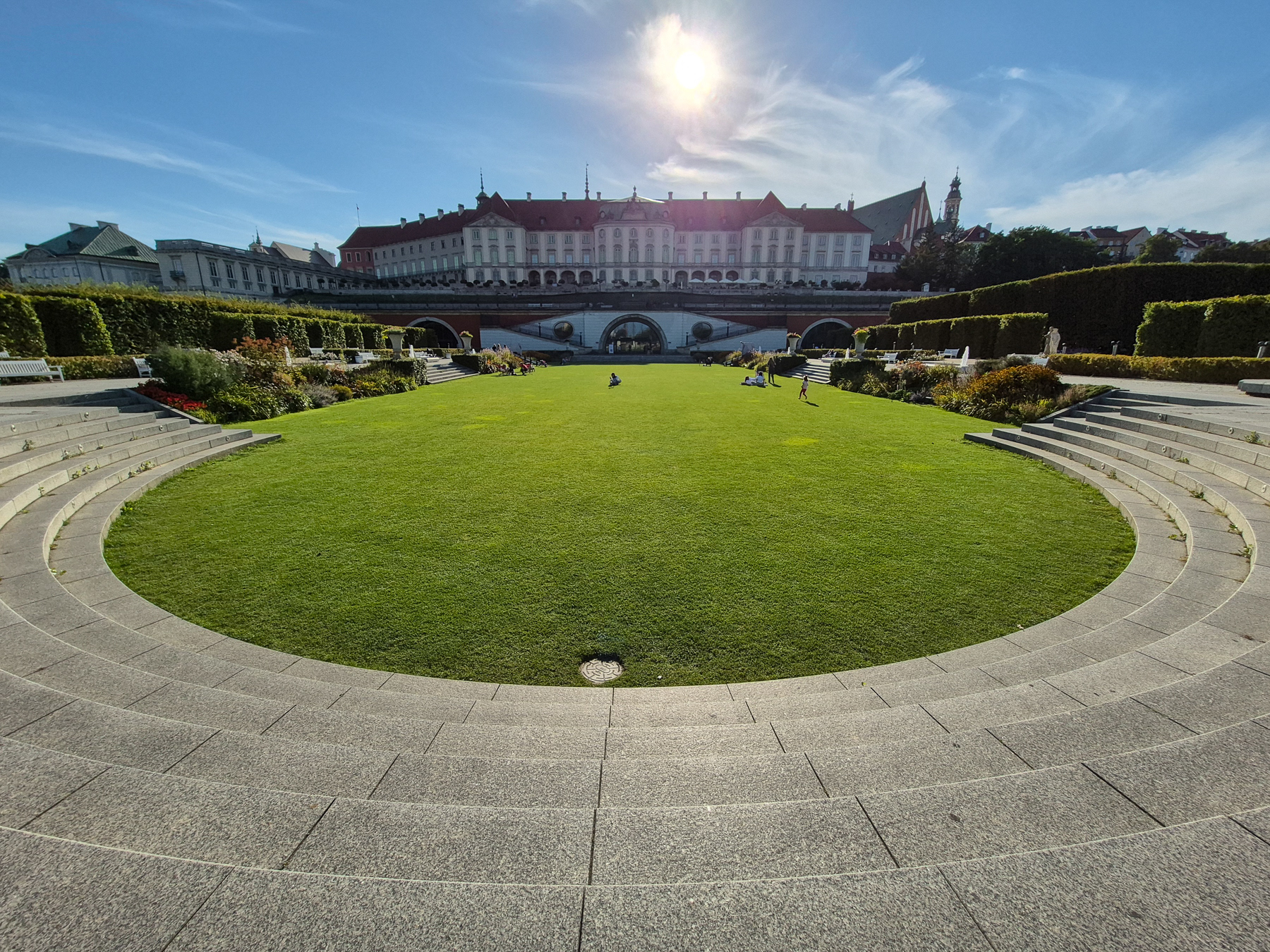
The Royal Castle gardens, August 2025.
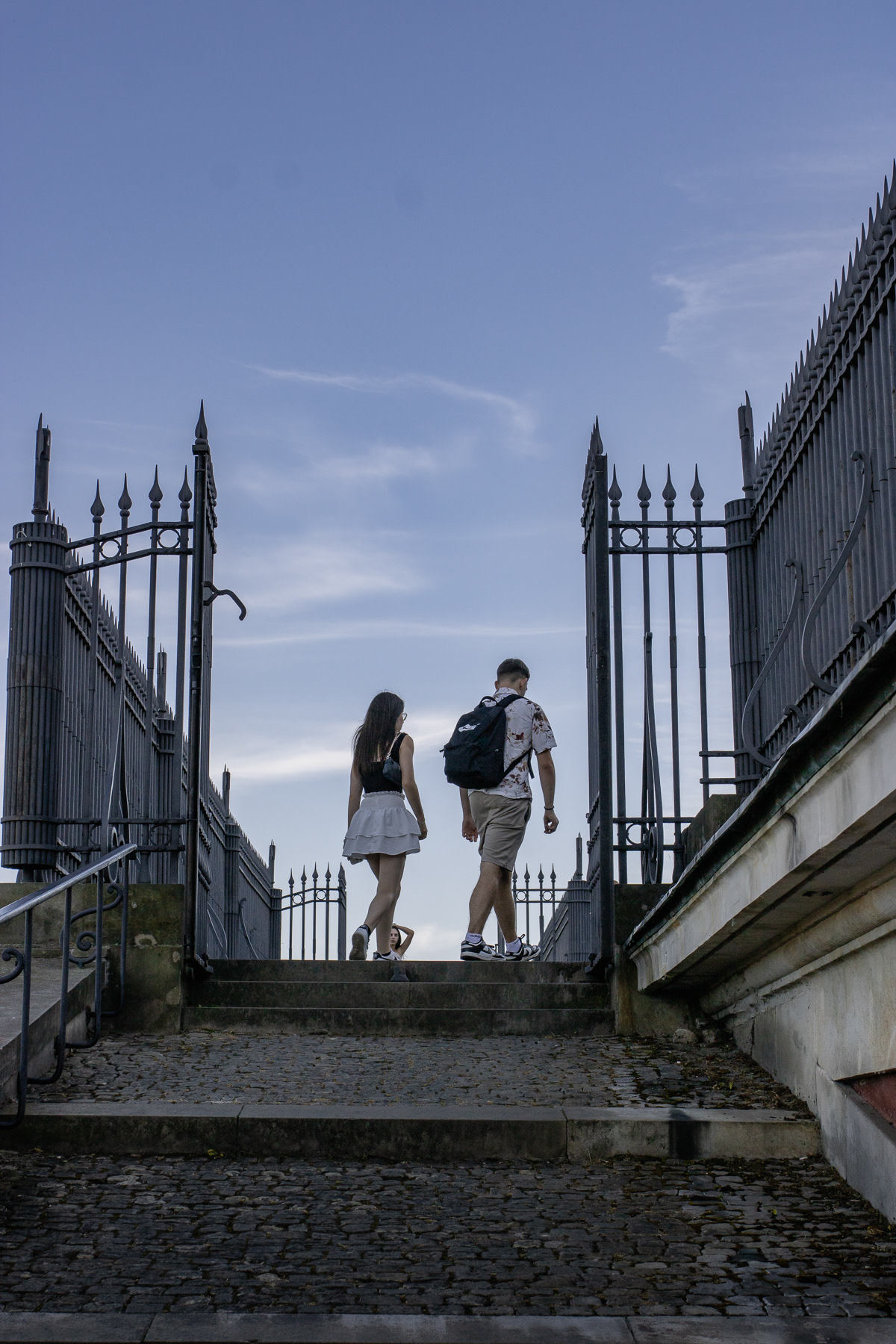
The Arkady Kubickiego, the Arcades of 1821 designed by Jakub Kubicki, were once an integral part of the Royal Castle grounds, and the gateway to the Wisła River, August 2025.
The Arkady Kubickiego, the Arcades of 1821 designed by Jakub Kubicki, were once an integral part of the Royal Castle grounds, and the gateway to the Wisła River, August 2025.

Centrum
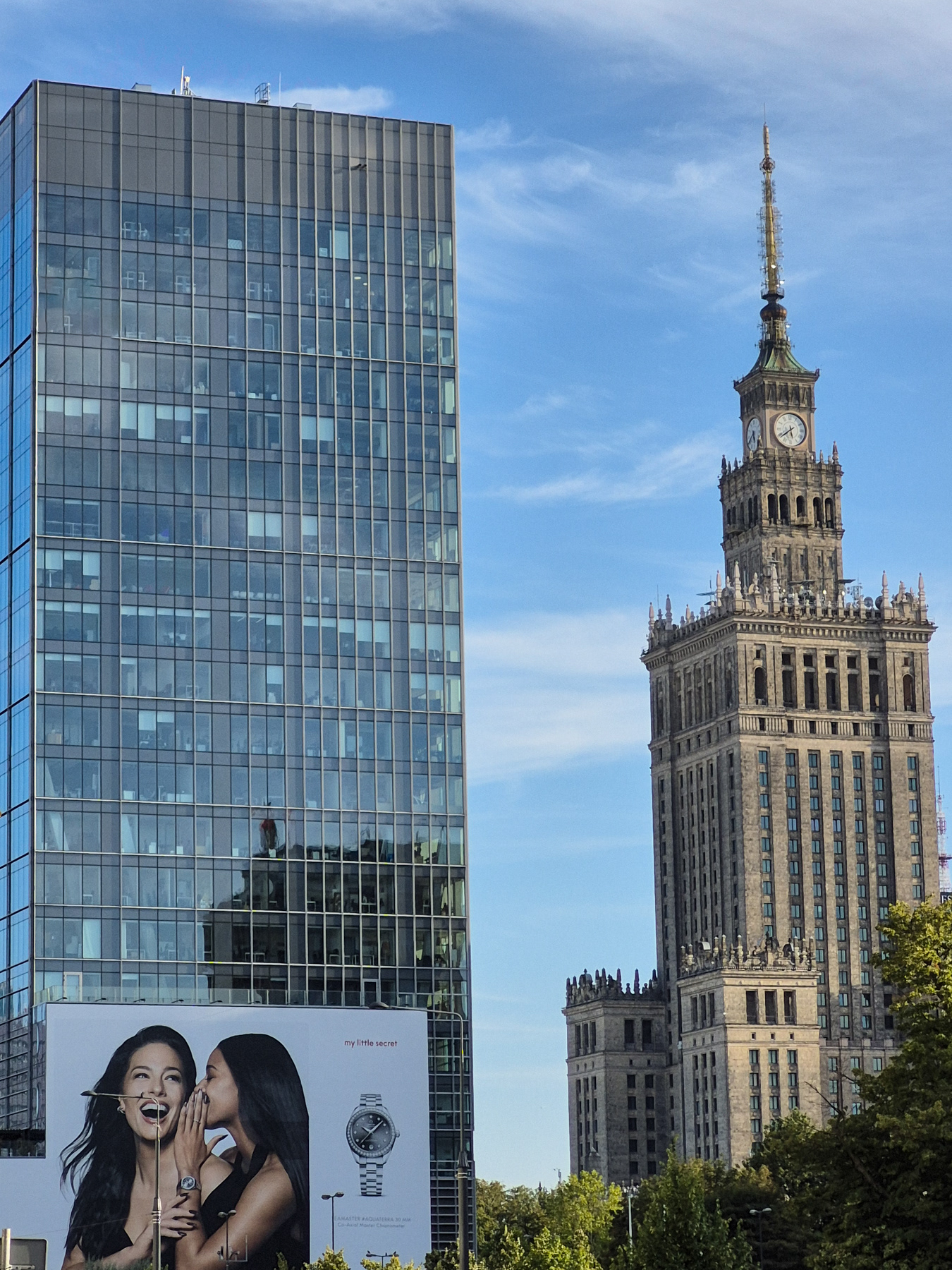
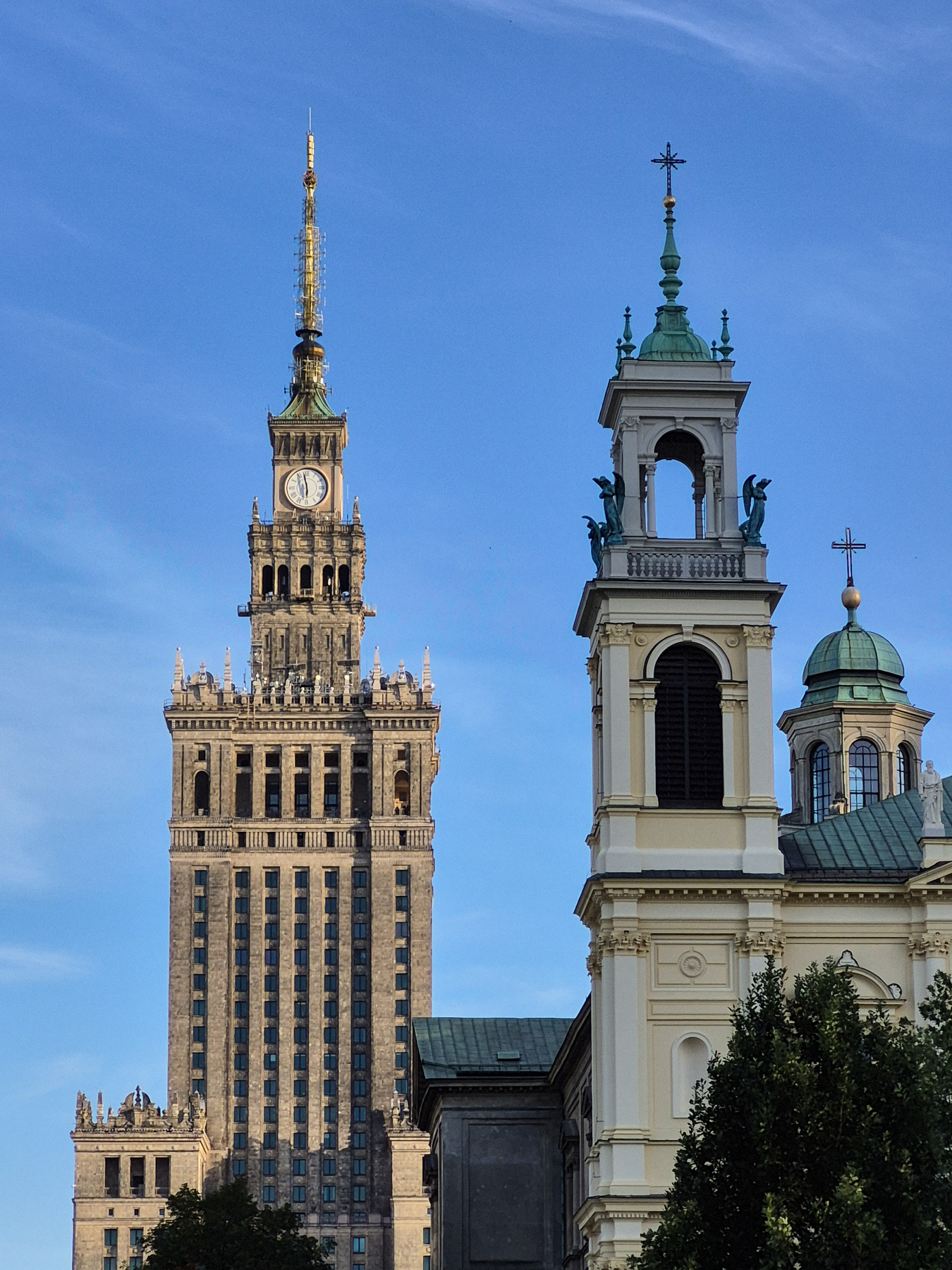
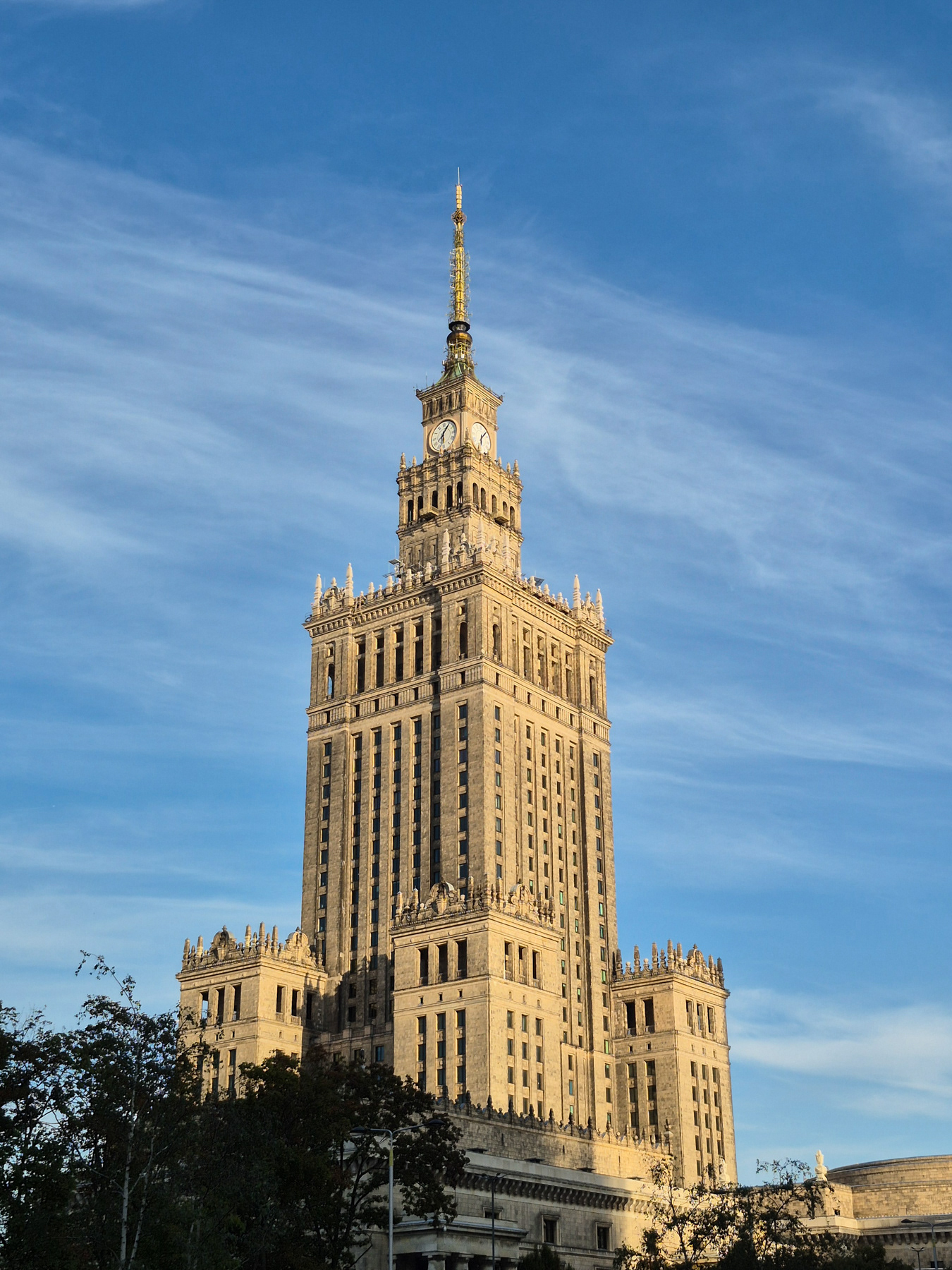
While the old town is the historic centre of the city, modern city life is more concentrated around the vast square in front of Warsaw Central Station. It is here one finds metro station Centrum. -Above ground there are high-rises all over the place here, but probably the most impressive one is the Pałac Kultury i Nauki (Palace of Culture and Science). It was a gift by Soviet leader Joseph Stalin after Soviet forces occupied Poland after World War 2 and did not seem to ever leave. And despite Communism fell in Poland in the 1990s, and subsequently an attempt was made to plan the destruction of the tower, the Empire State-like building has captured the heart of many Warsawians nowadays. It is thanks to their protests in the 1990s against its tearing-down that the Palace of Culture and Science is still standing.
And tall it is. With a height of 237 metres (778 feet), it stands in the shadow of only the new Varso Tower (310 metres (1,017 ft)), but does it in style. Back in 1955, when it was finished, the Pałac Kultury i Nauki was the eight tallest building in the world. Today, it is still the eight tallest in the European Union. The design of the impressive Palace is by Soviet architect Lev Rudnev.
Tryptych of views on the Pałac Kultury i Nauki, Warsaw, August 2025.
Back to Top