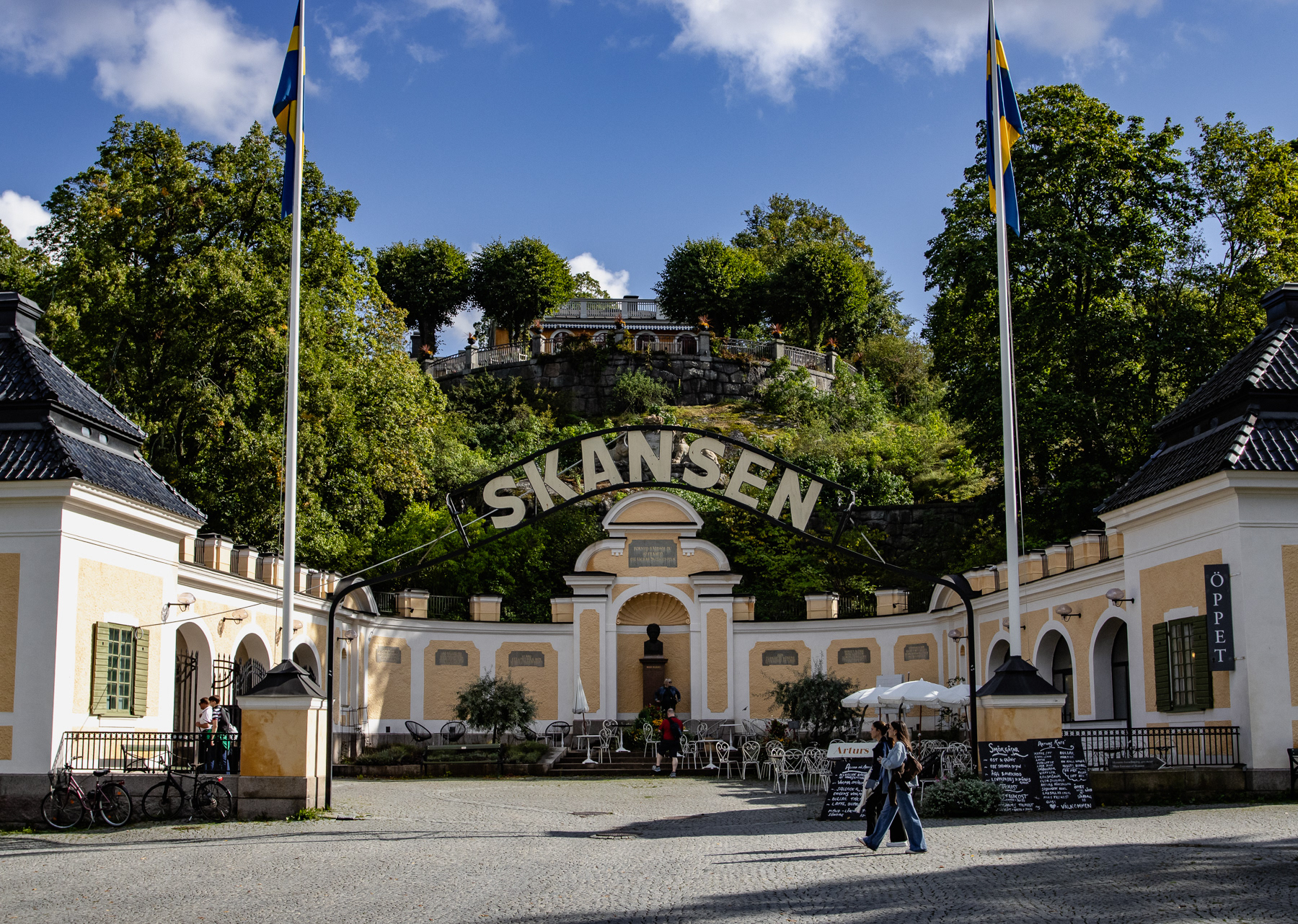
The west entrance of Skansen, September 2025
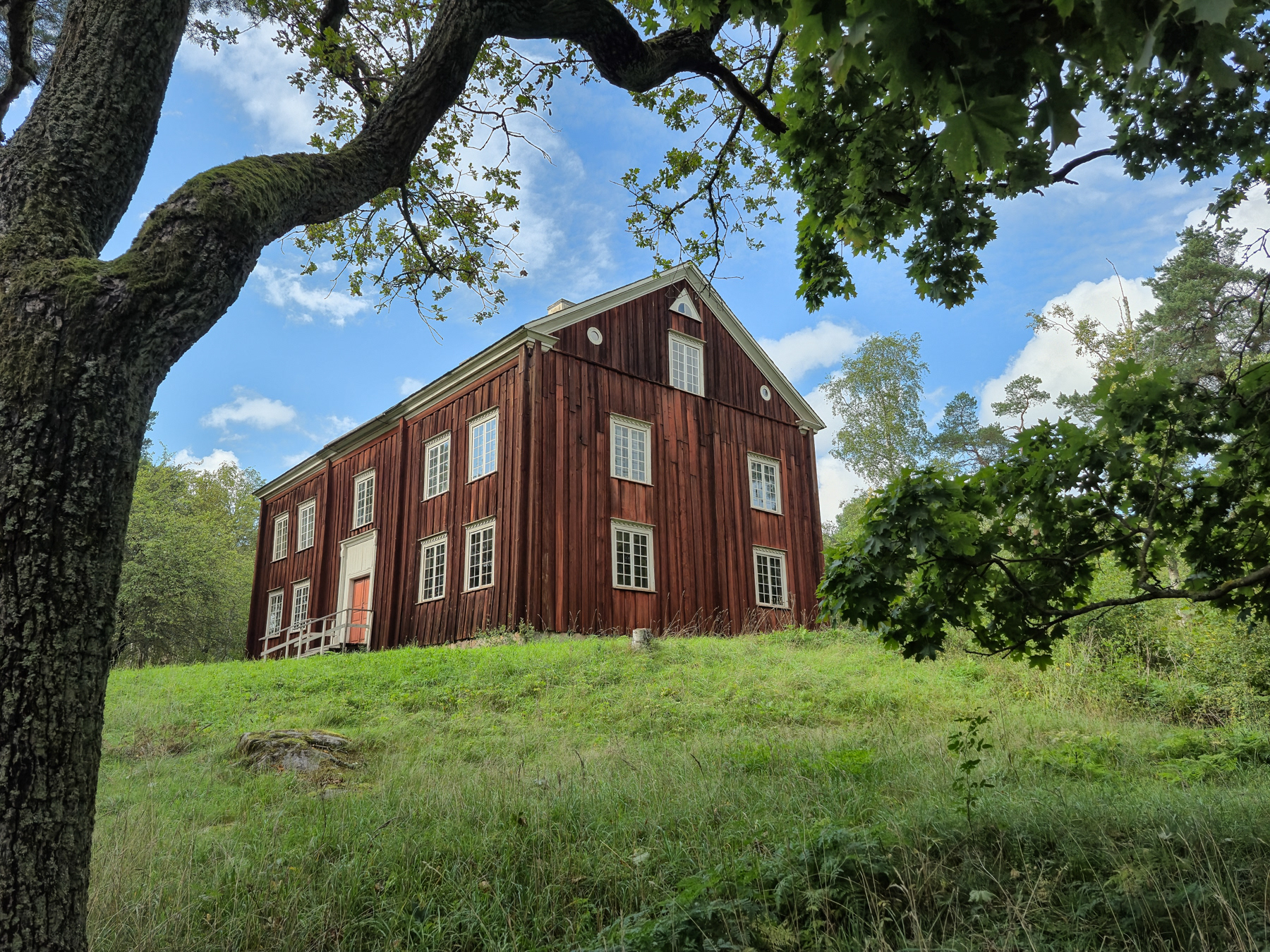
Ekshäradsgården, the estate house from Norra Skoga, in the Ekshärads area of the Värmland region, from the 1820s. Located at Skansen since 1953.
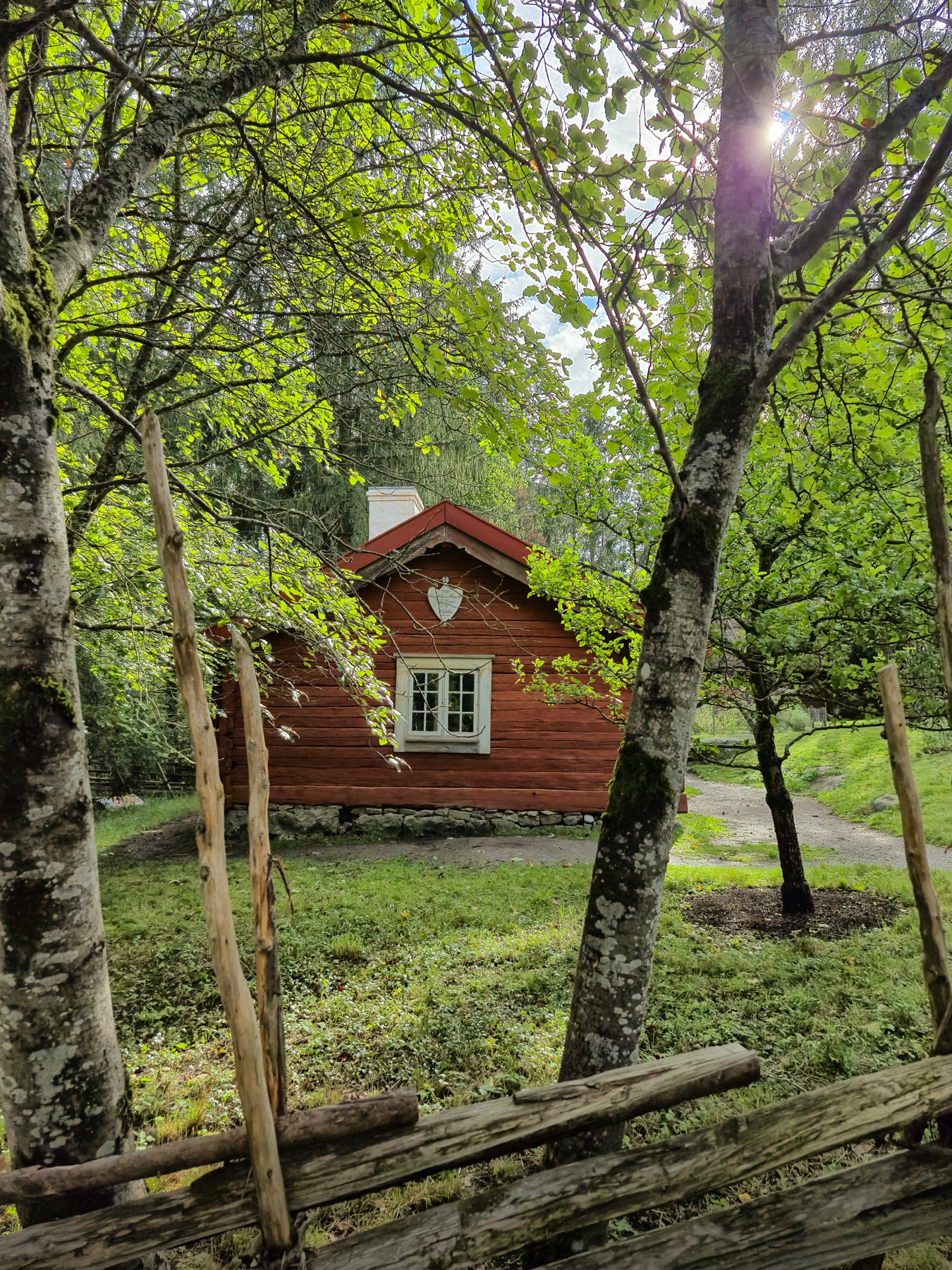
Around the year 1800, soldiers lived in this cabin in Säldefall, in the Kalmar Region. It was moved to Skansen in 1905, and rebuild in 1920.
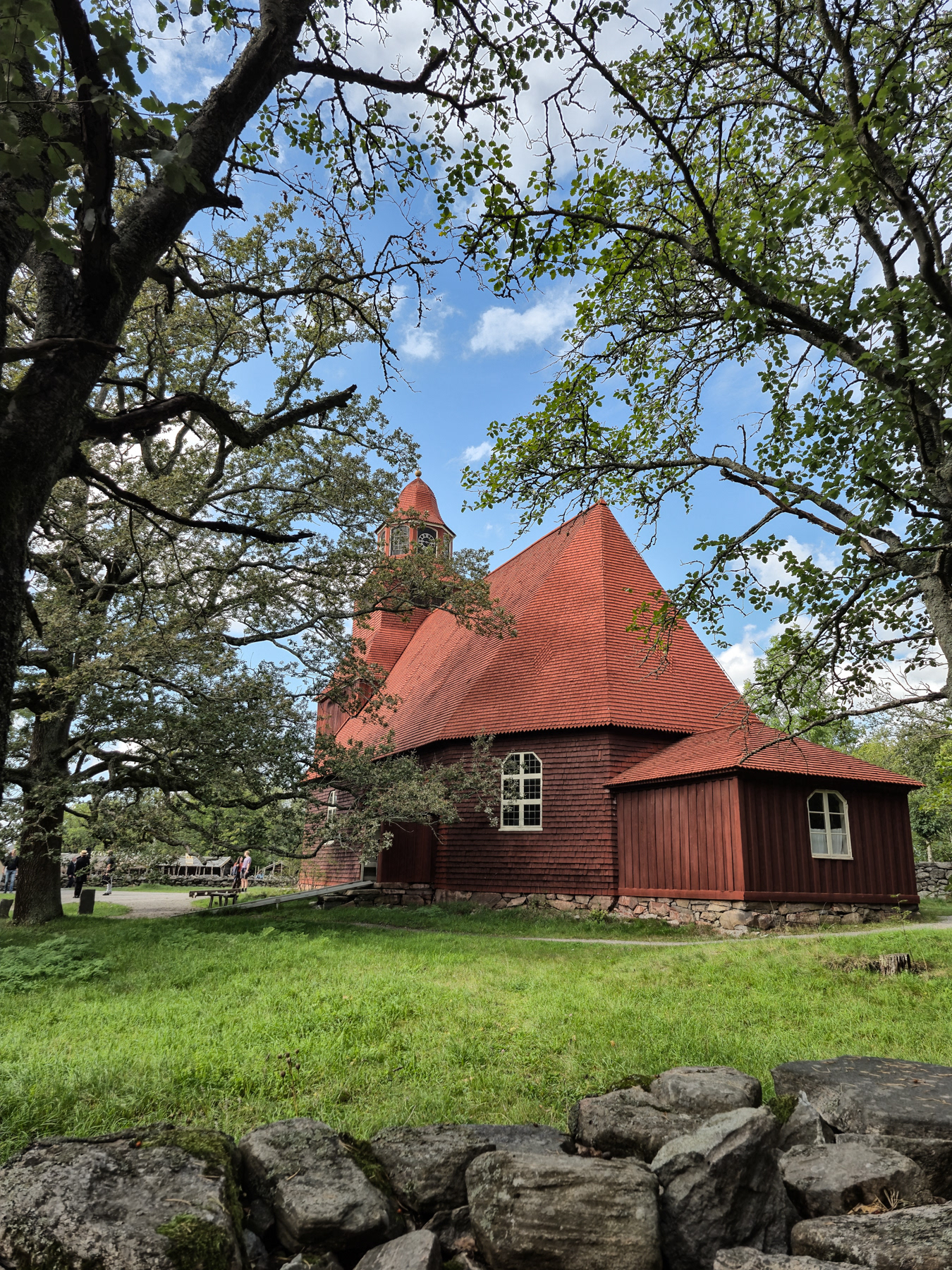
The Seglora Church, built between 1729 and 1780 in Seglora, Marks härad, Västergötland region. Moved to Skansen in 1916.
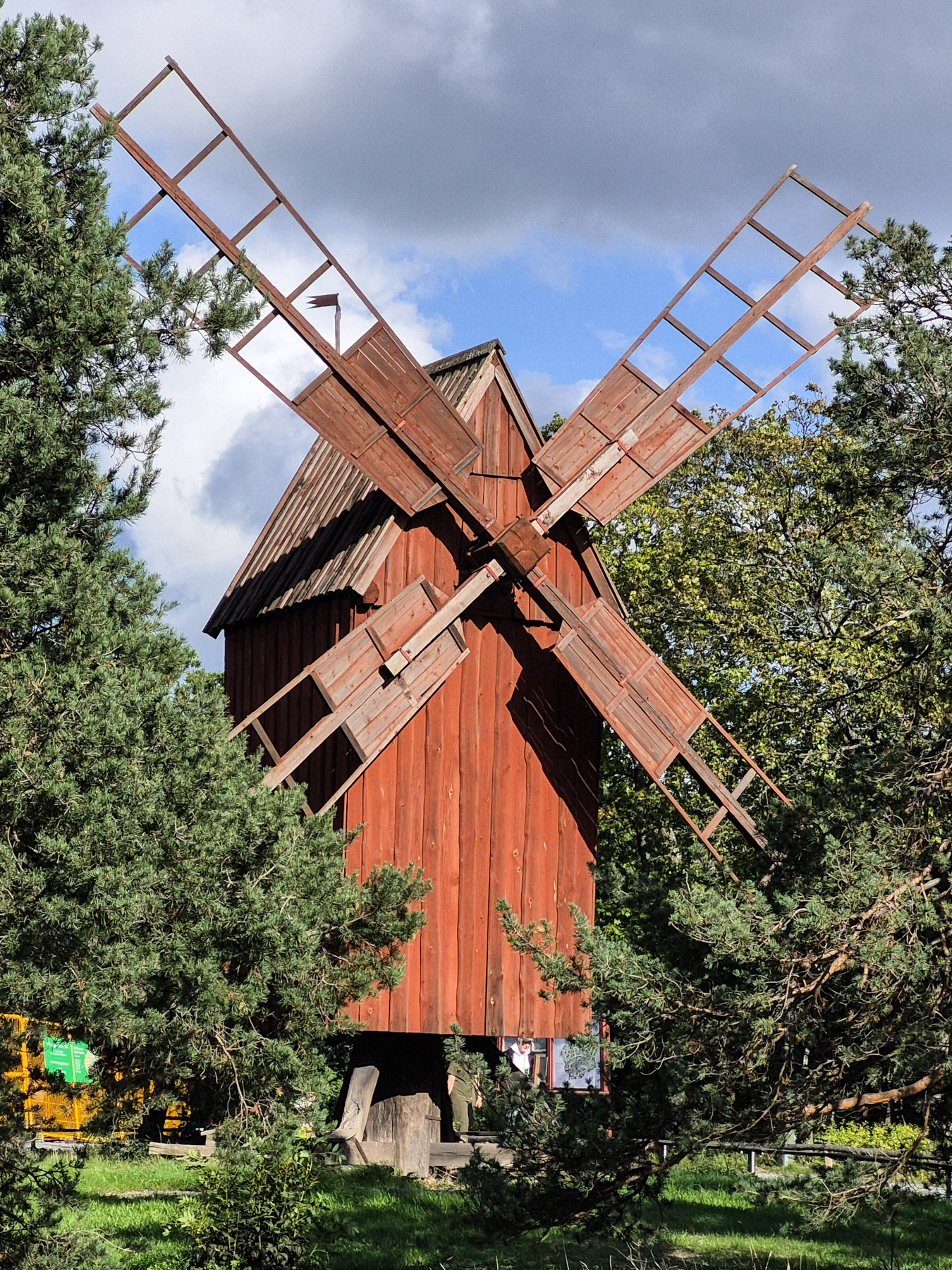
The Torslunda Mill (Torslundakvarnen) from the island of Öland, moved to Skansen in 1922.
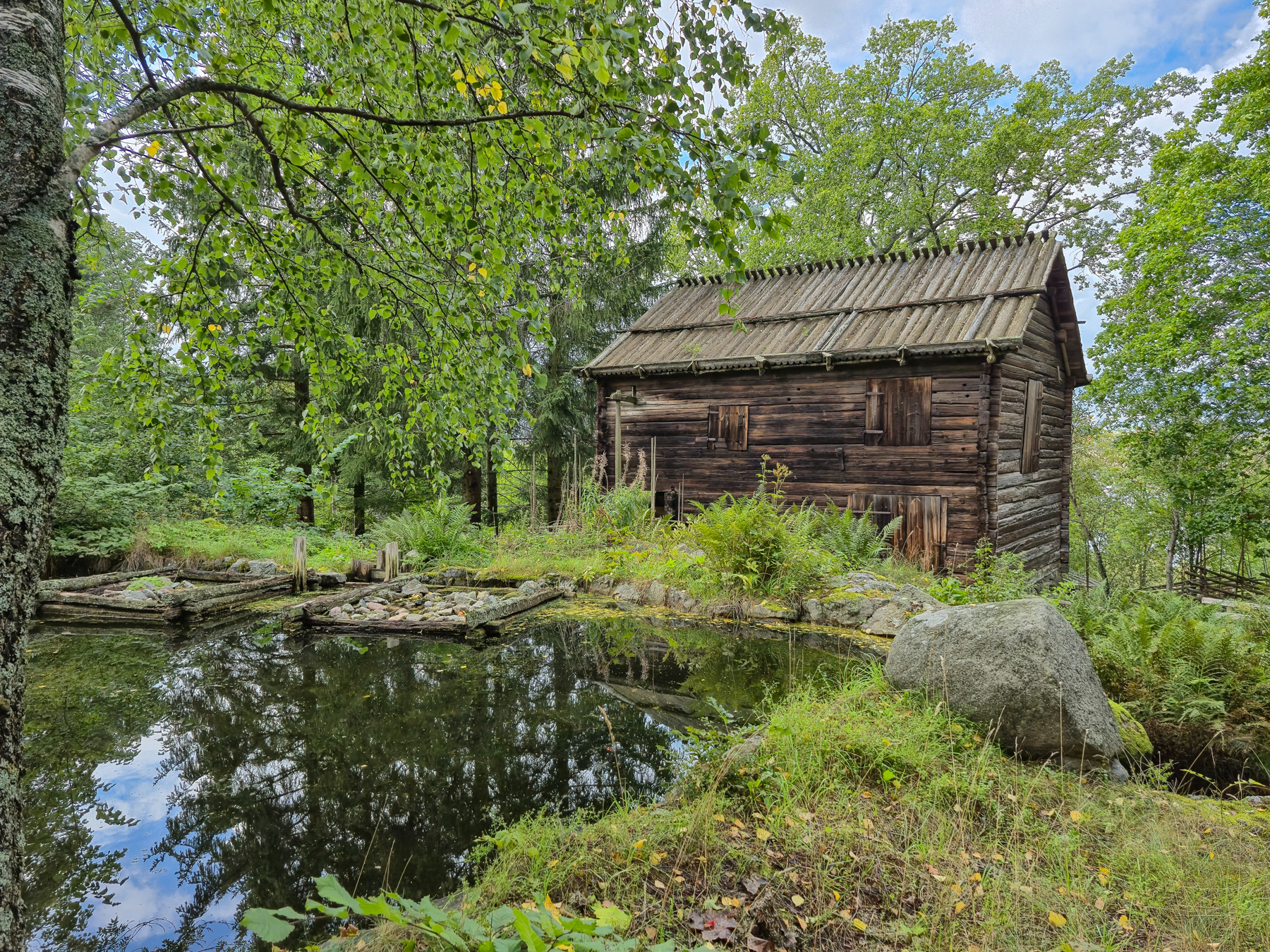
Linberedningsverket, the factory that turned flax into linen—or did at least part of the process—with water power. From the beginning of the 1800s from Nansta, Forsa area of Hälsingland. Moved to Skansen in 1918.
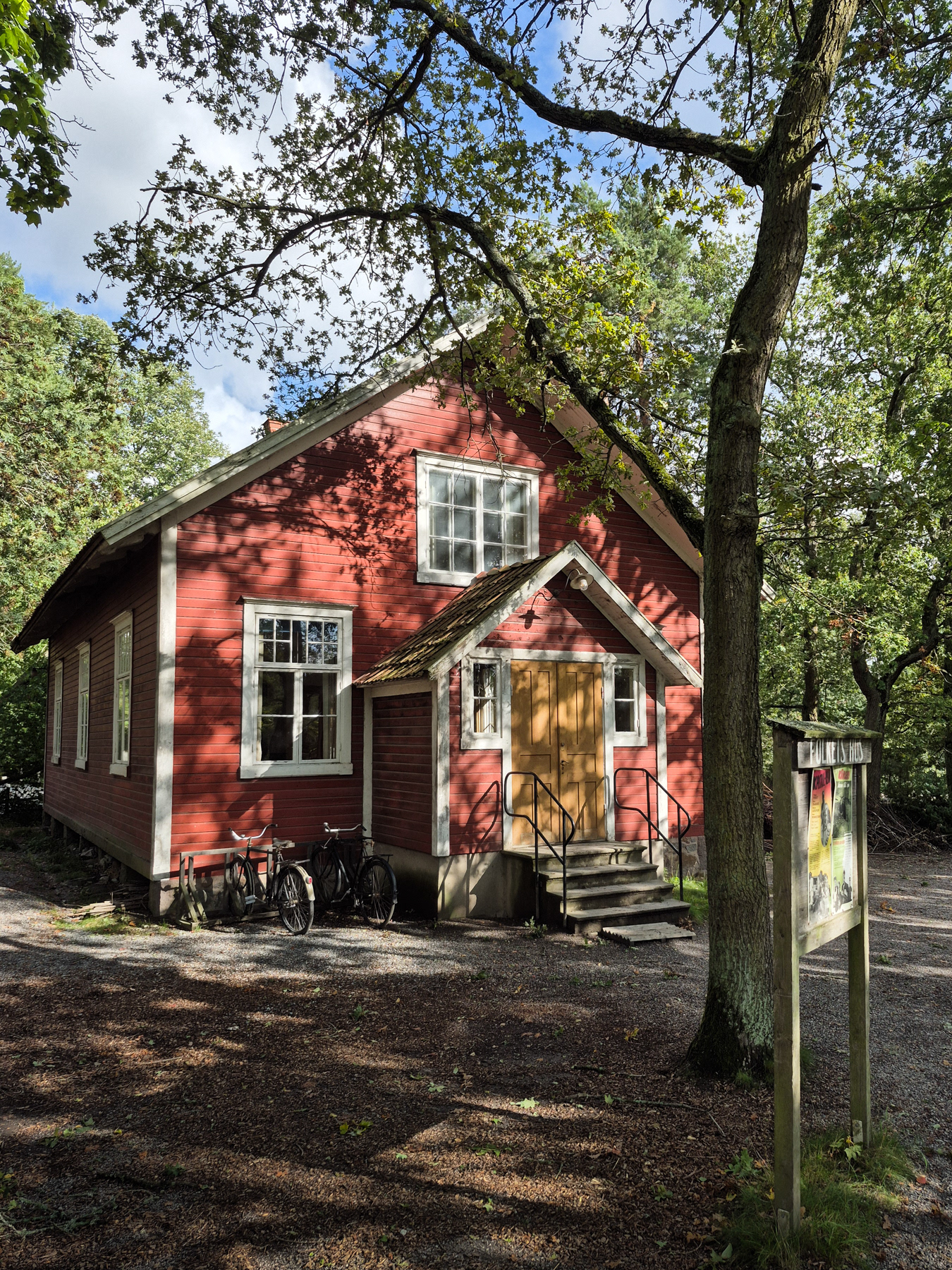
Folkets Hus, the local community centre. Buildings similar to this one in the 1950s style can still be found all over Sweden. This particular building comes from the Ransäter area in Värmland.

A windmill of the "holkkvarn" type from 1828. It was originally located near Främmestads, Västergötland.
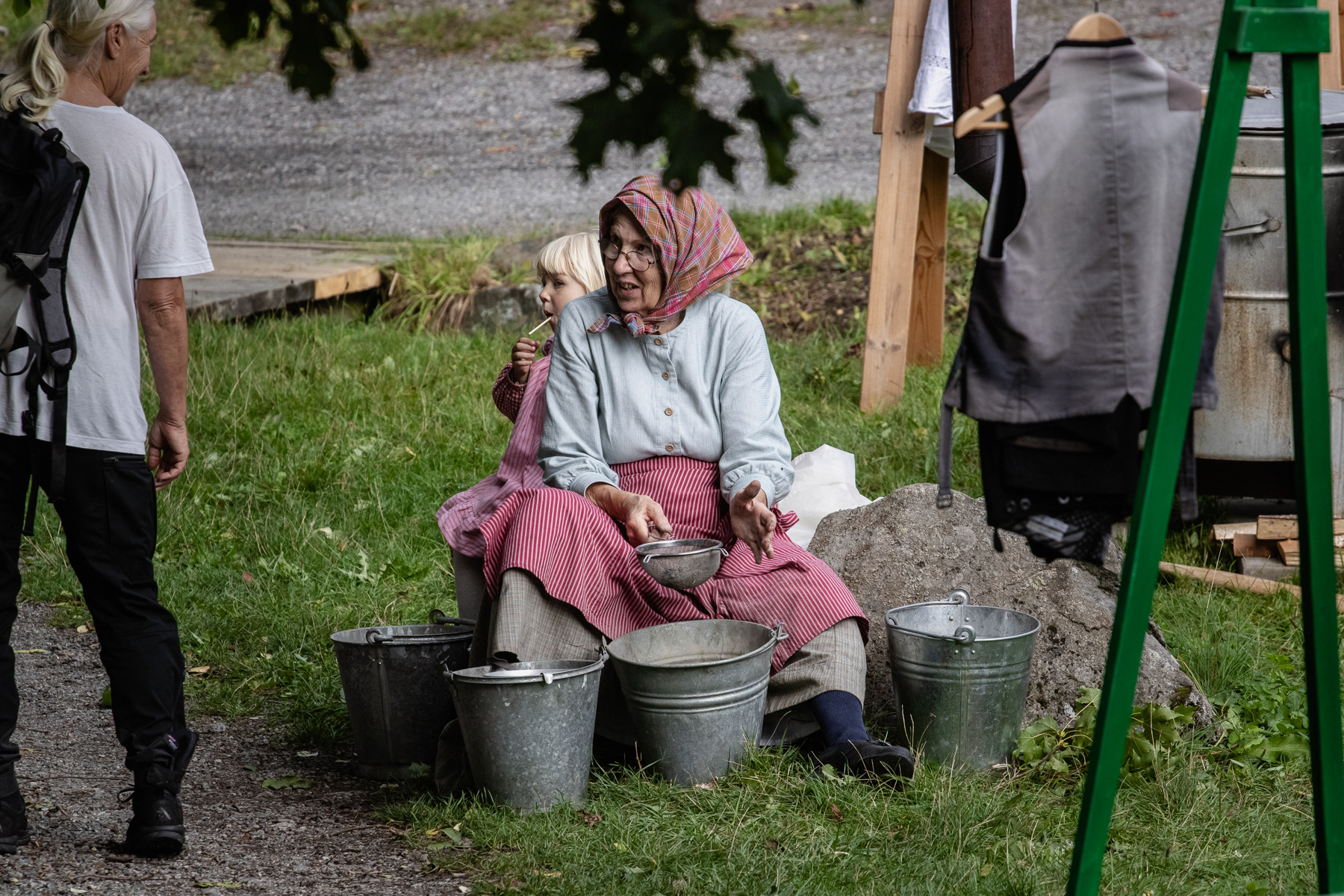
Life of the 1800s meets 2025.
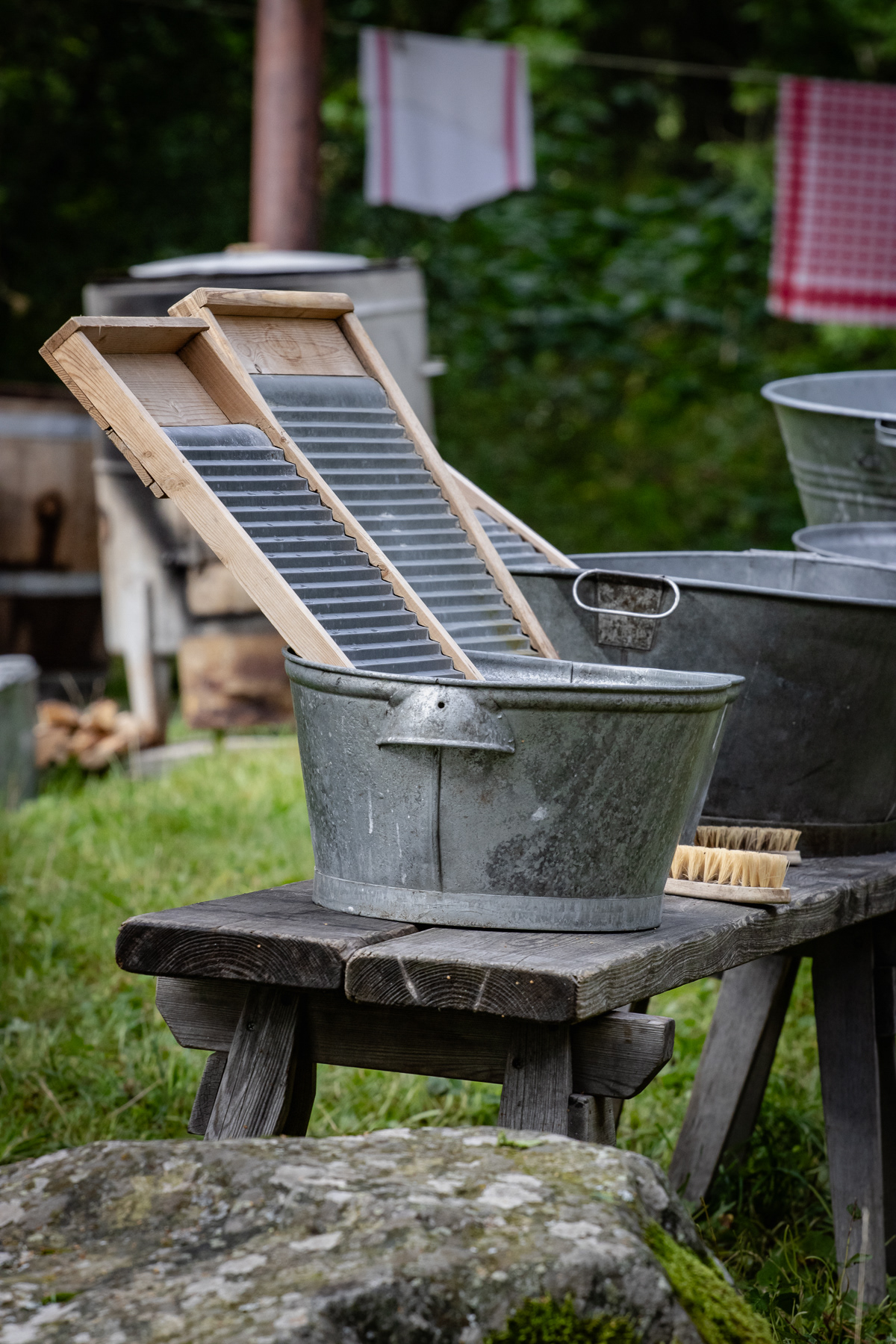
Washing board.
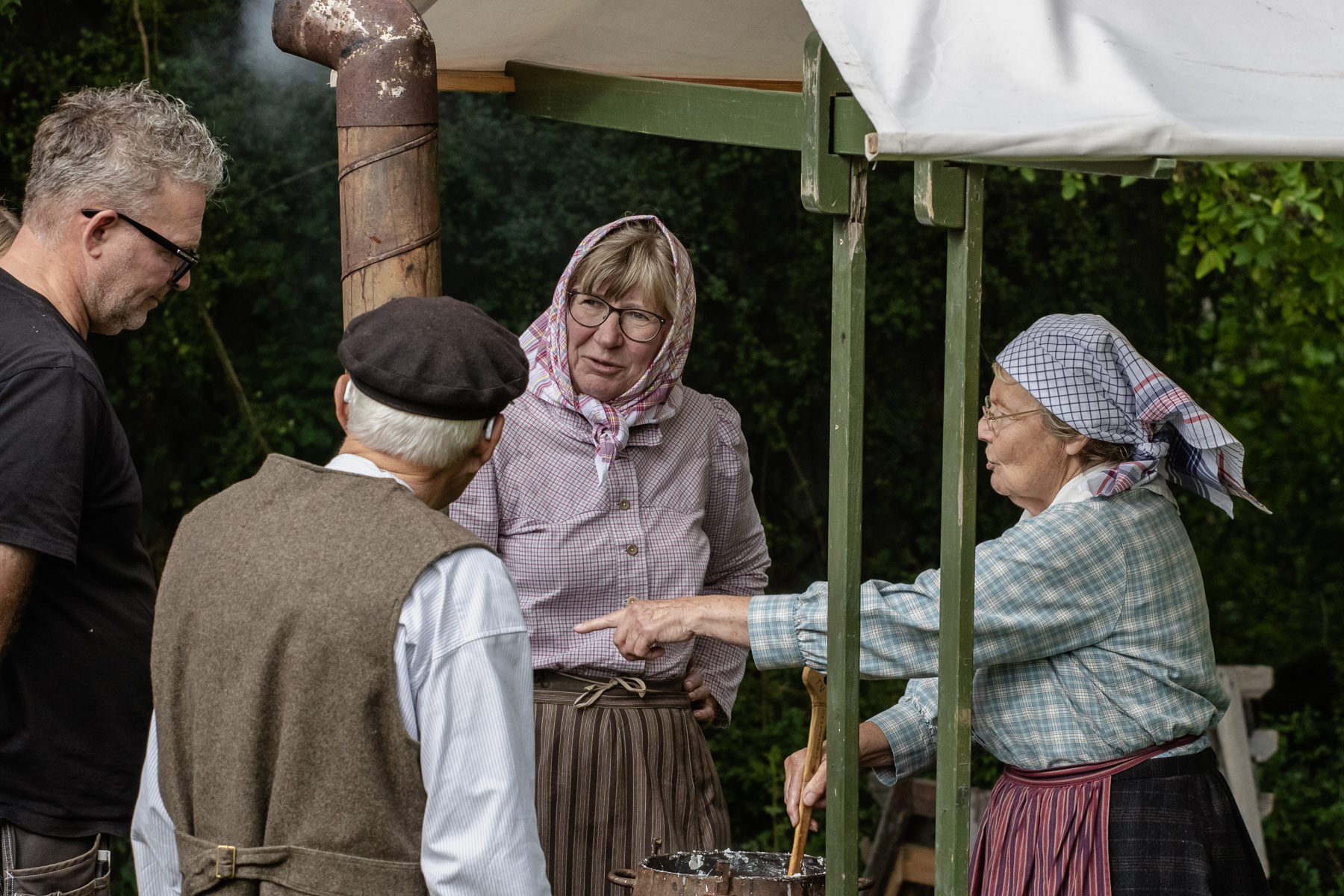
Explaining how things worked.

A lady in character of the 1800s with a basket on her arm.

Hand work at a fireplace.
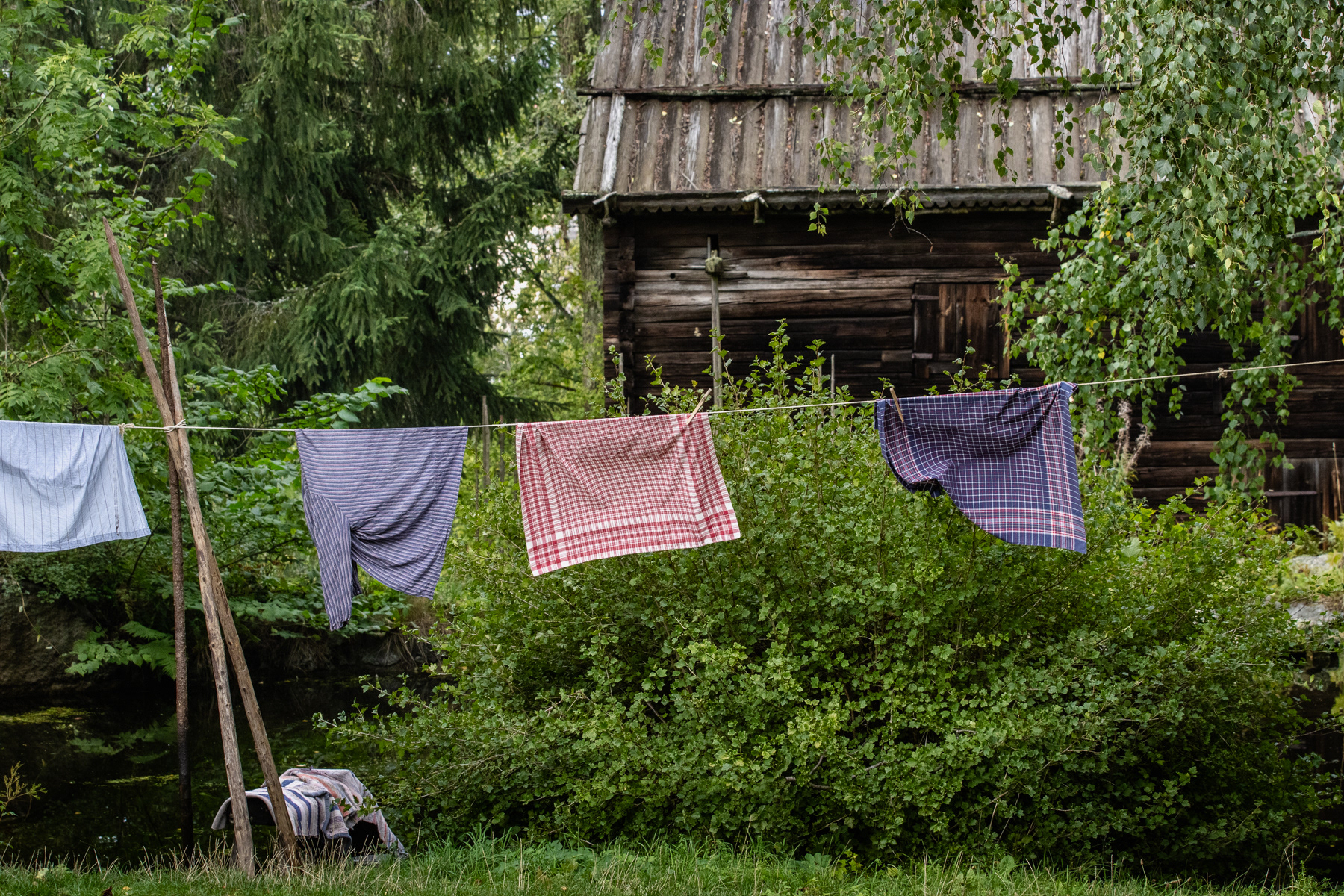
Hanging out to dry.
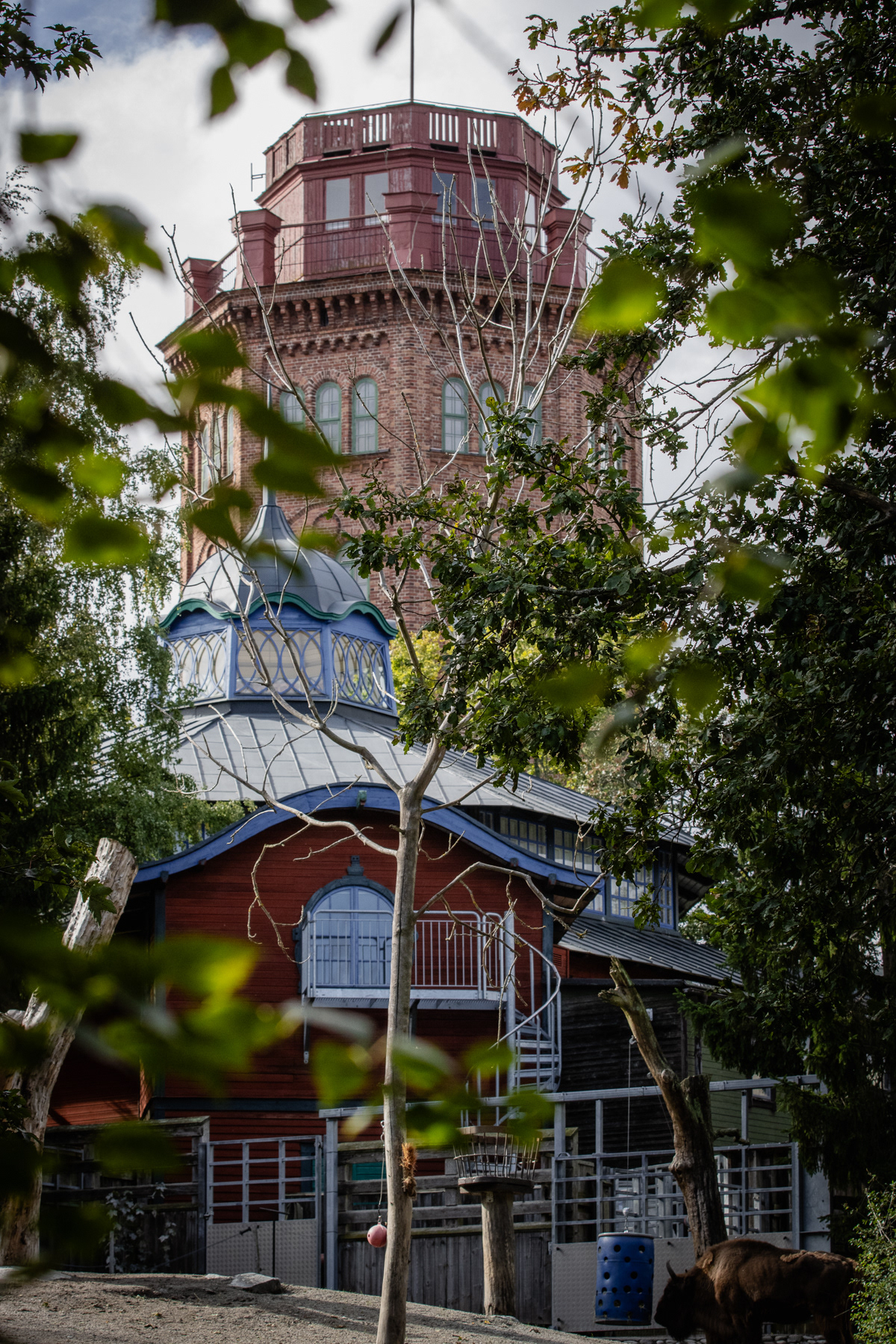
Bredablick, the 30-metre tall view tower that was built here in 1876, and was bought by Skansen founder Artur Hazelius.

The Bragahallen of 1897 by architect Carl Westman.
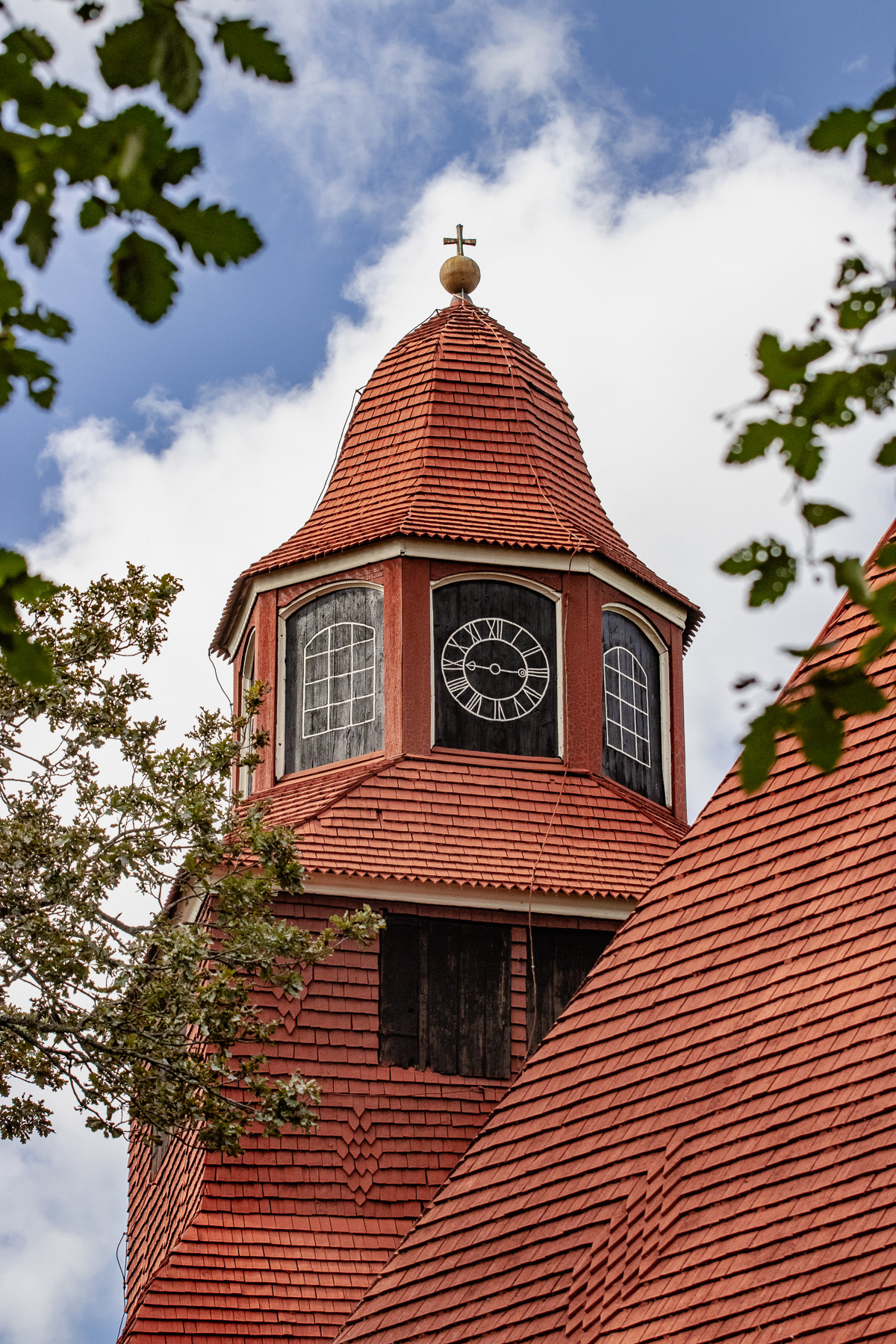
The Seglora church tower.
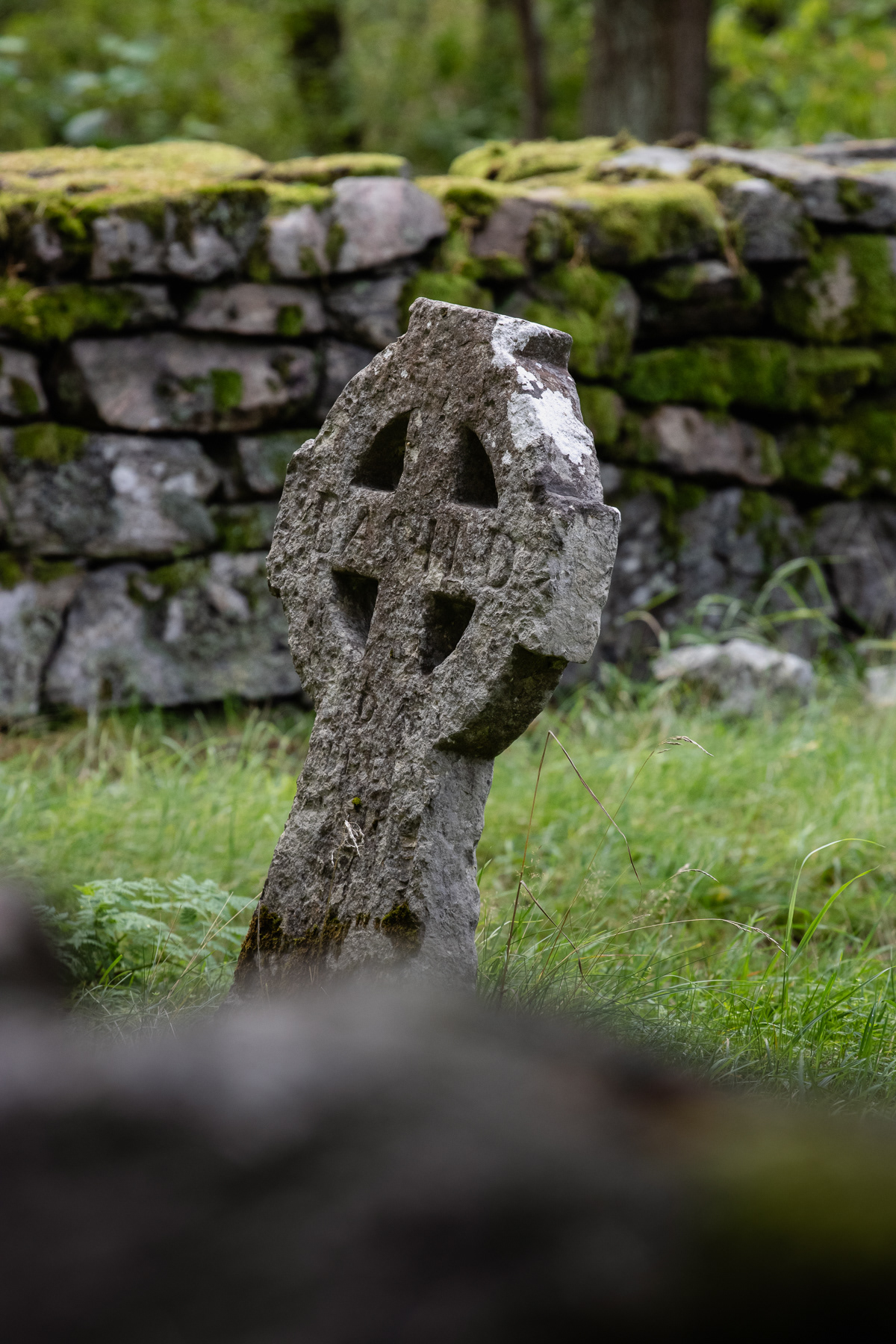
A grave stone at the church cemetary.
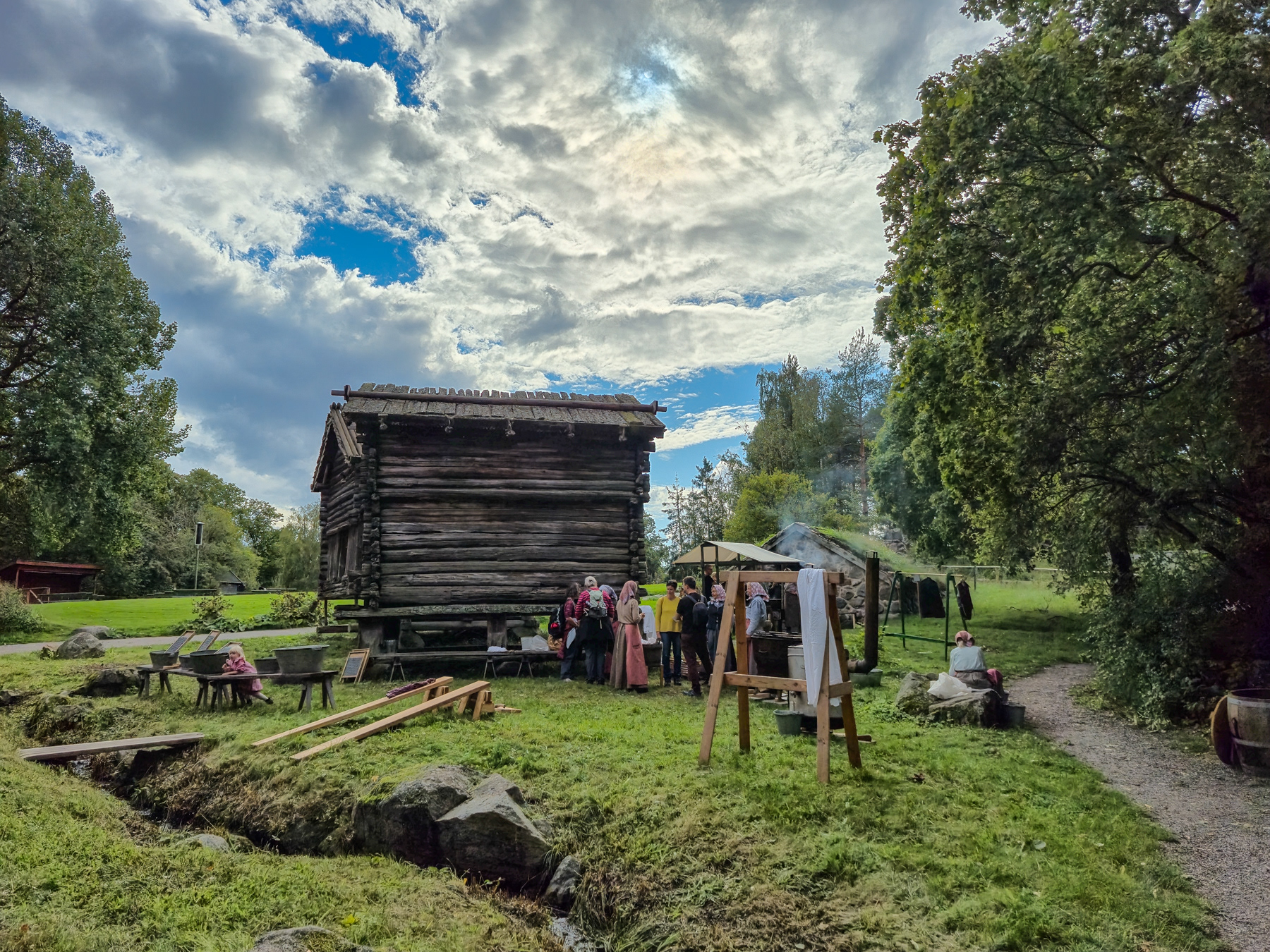
Gathering, 1800s style.
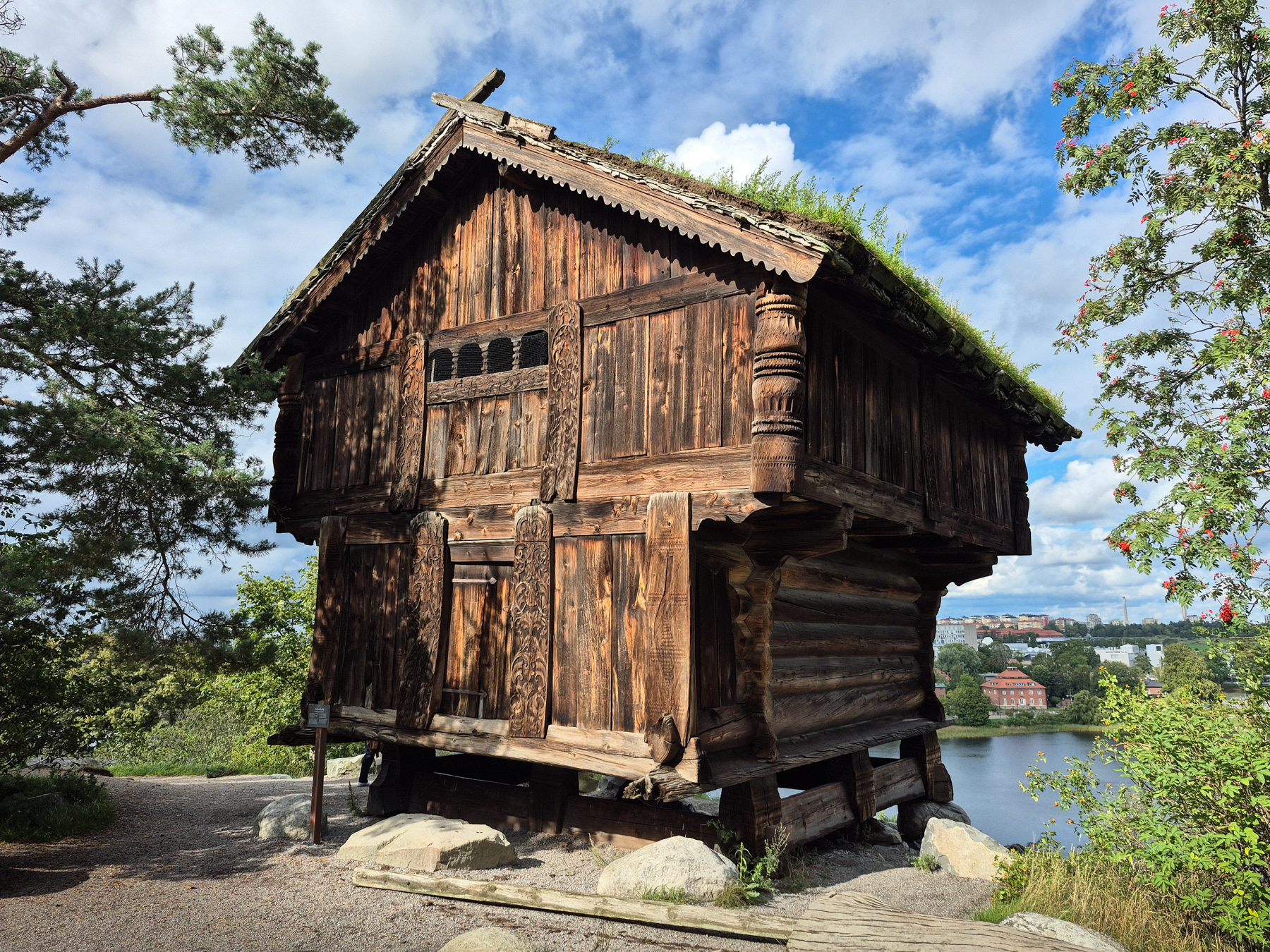
Vastveitloftet, Skansen's only non-Swedish building. It dates back to the 1300s. The so-called Loftsboden was decorated in 1700s. The building's original location was the Telemark region in Norway.
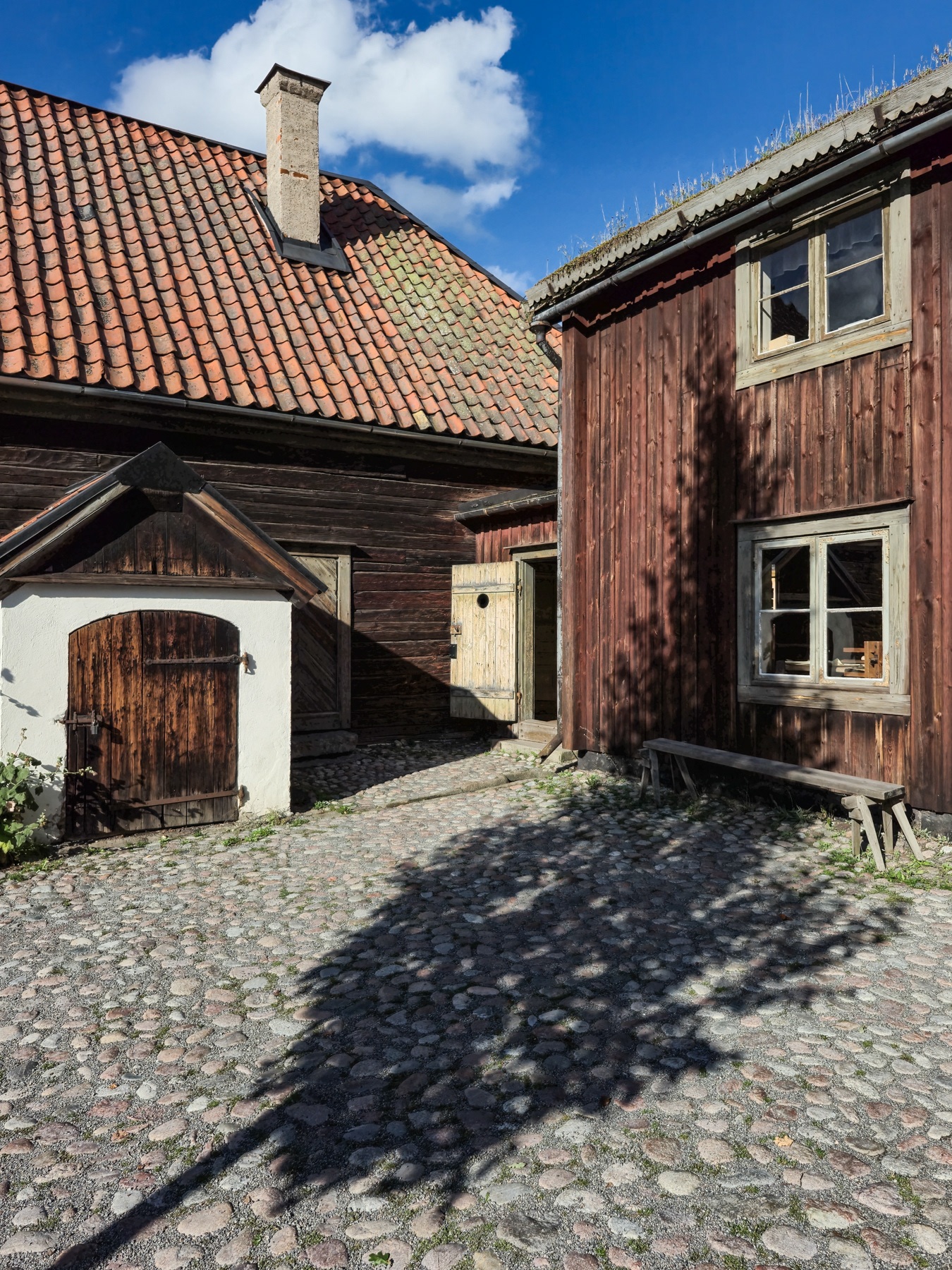
The book bindery and other artisan workshop homes.
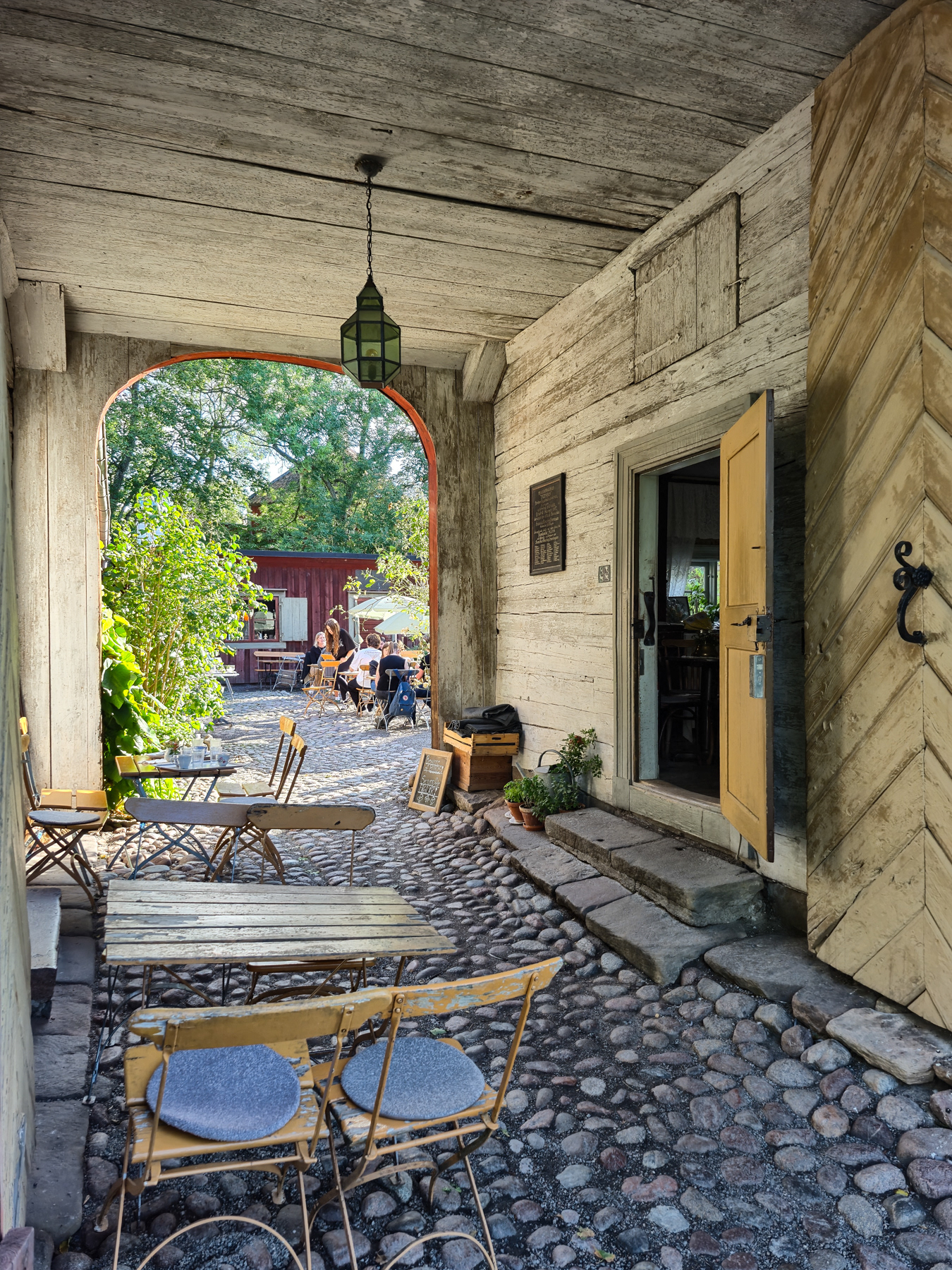
Part of a 17th Century wooden building with inner courrt, originally located at Drottninggatan in Stockholm. It holds the recreation of a 17th Century pharmacy and a modern café.
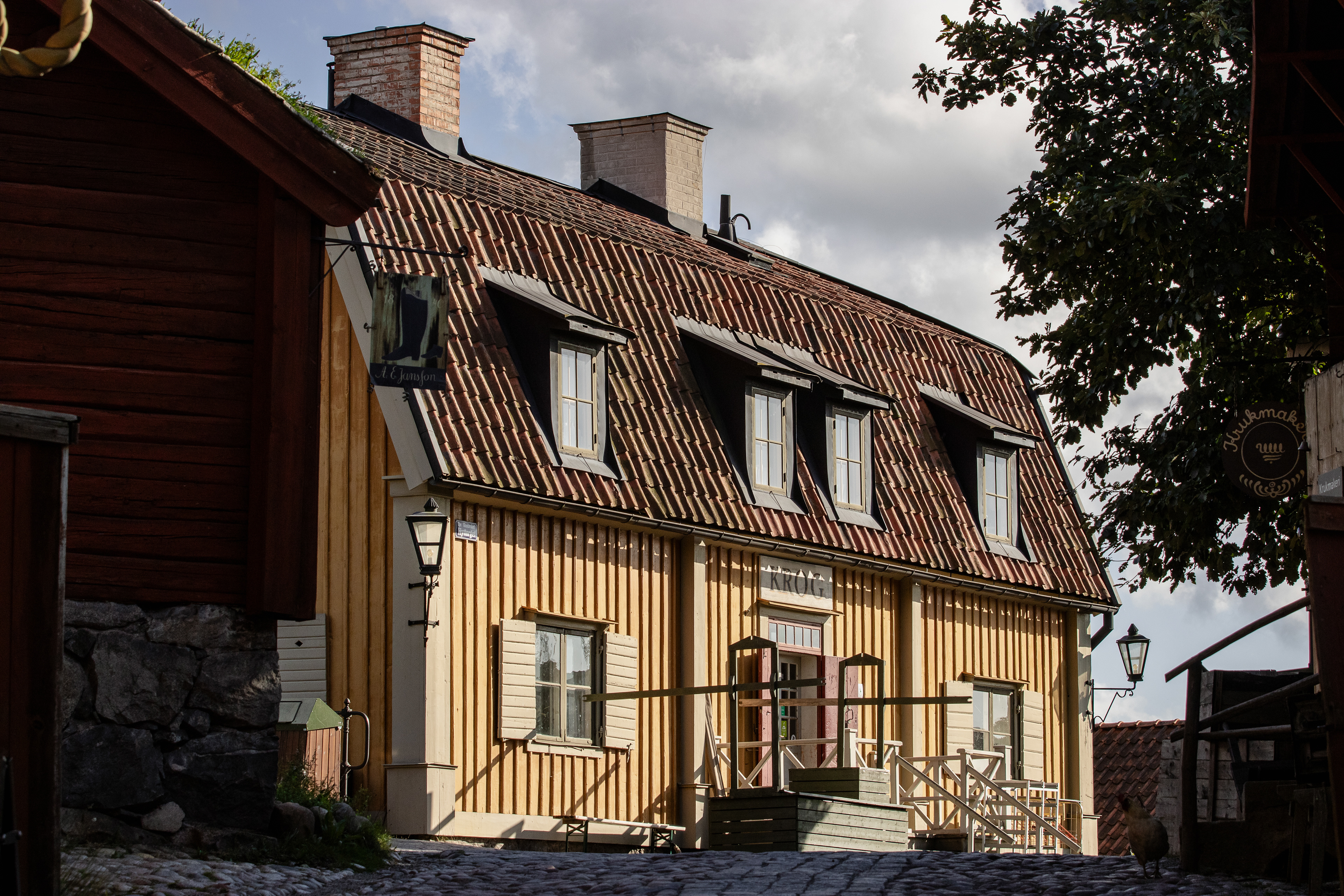
Stora Gungan was in 1725 a place where one could trade goods for money, on the Enskede estate south of Stockholm. In 1969 it was gifted to the city of Stockholm, when new construction was about to commence on the lands where it stood. It was moved to Skansen and rose again in 1976. It currently serves as a bar and restaurant.
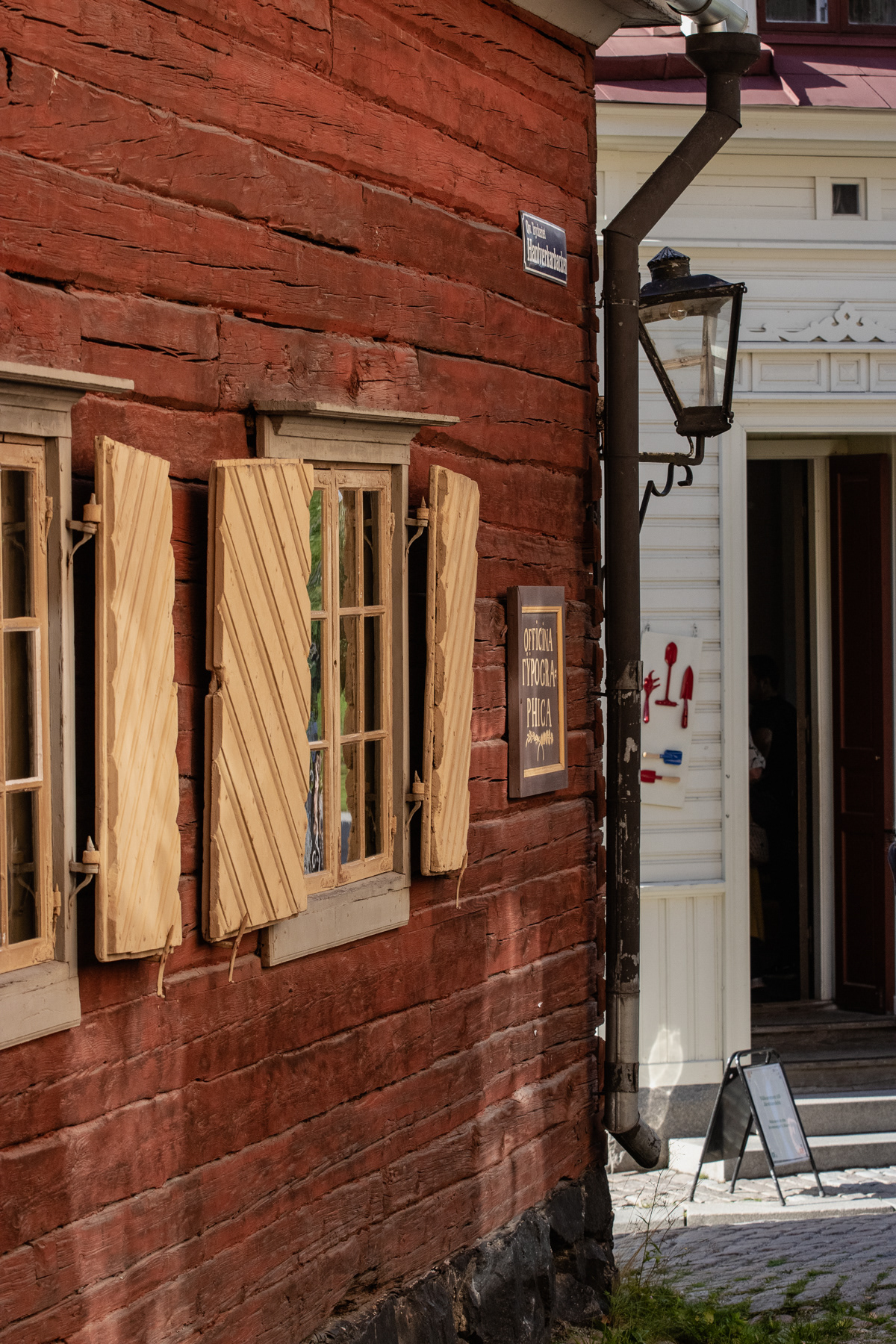
The city quarter of Skansen.
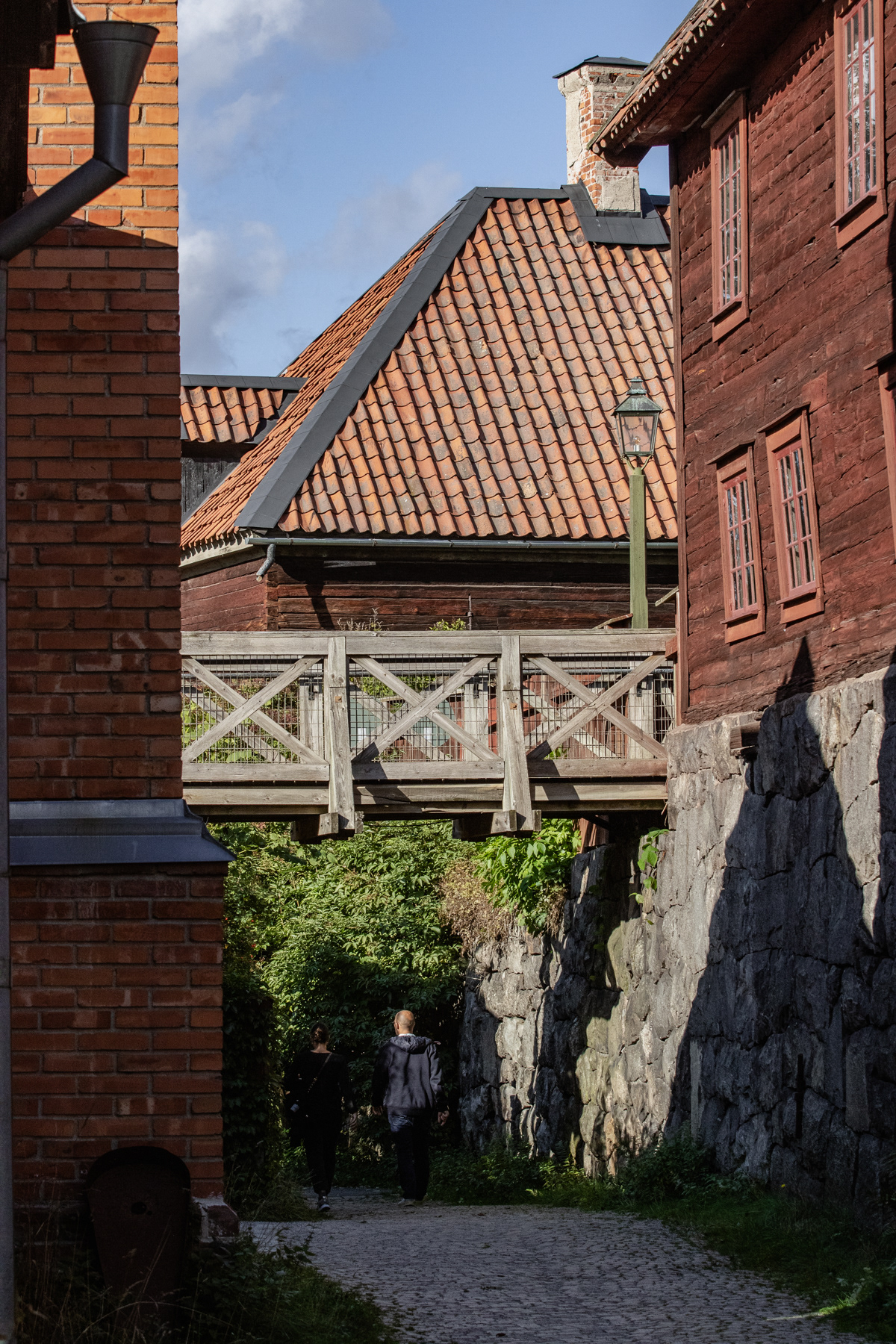
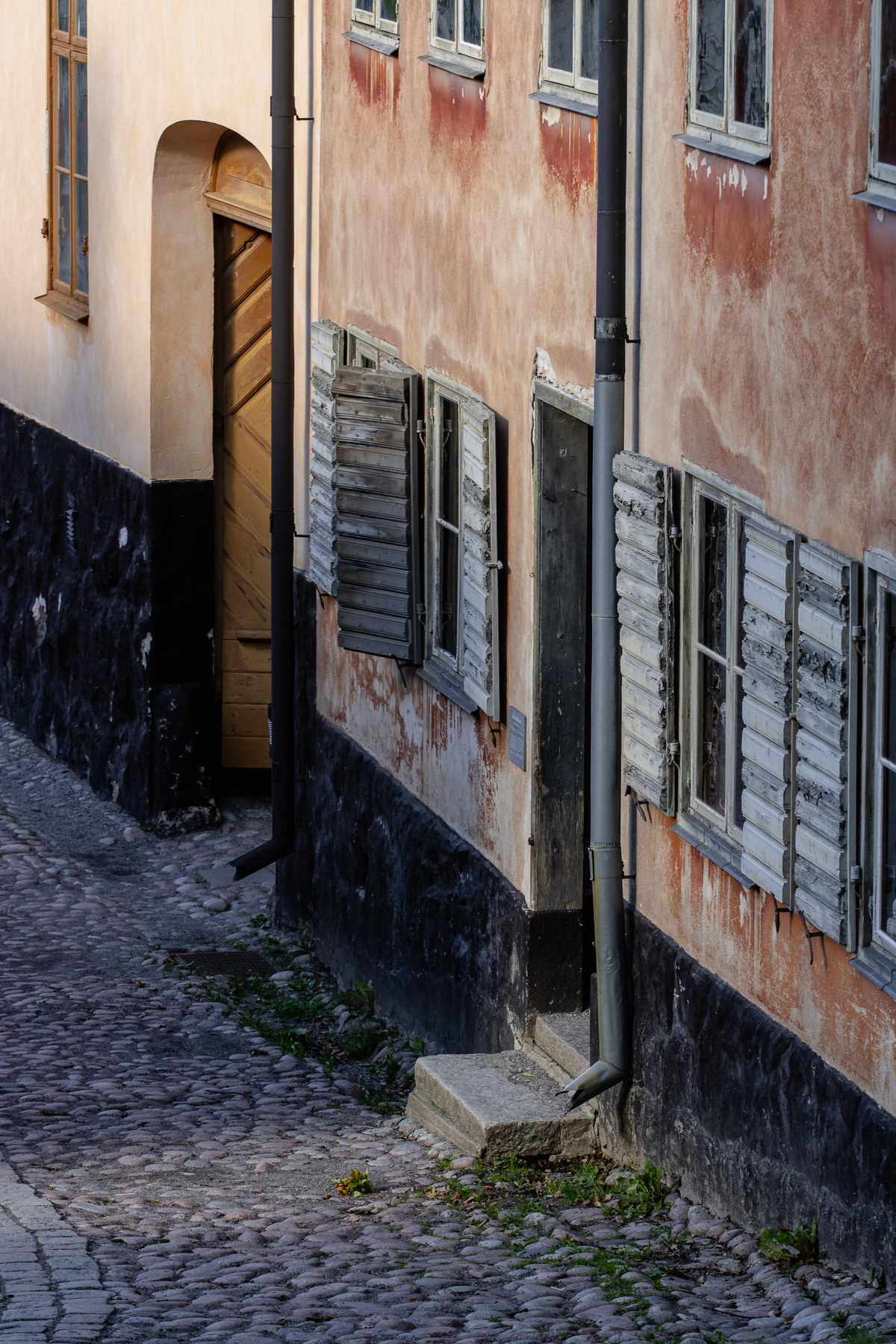
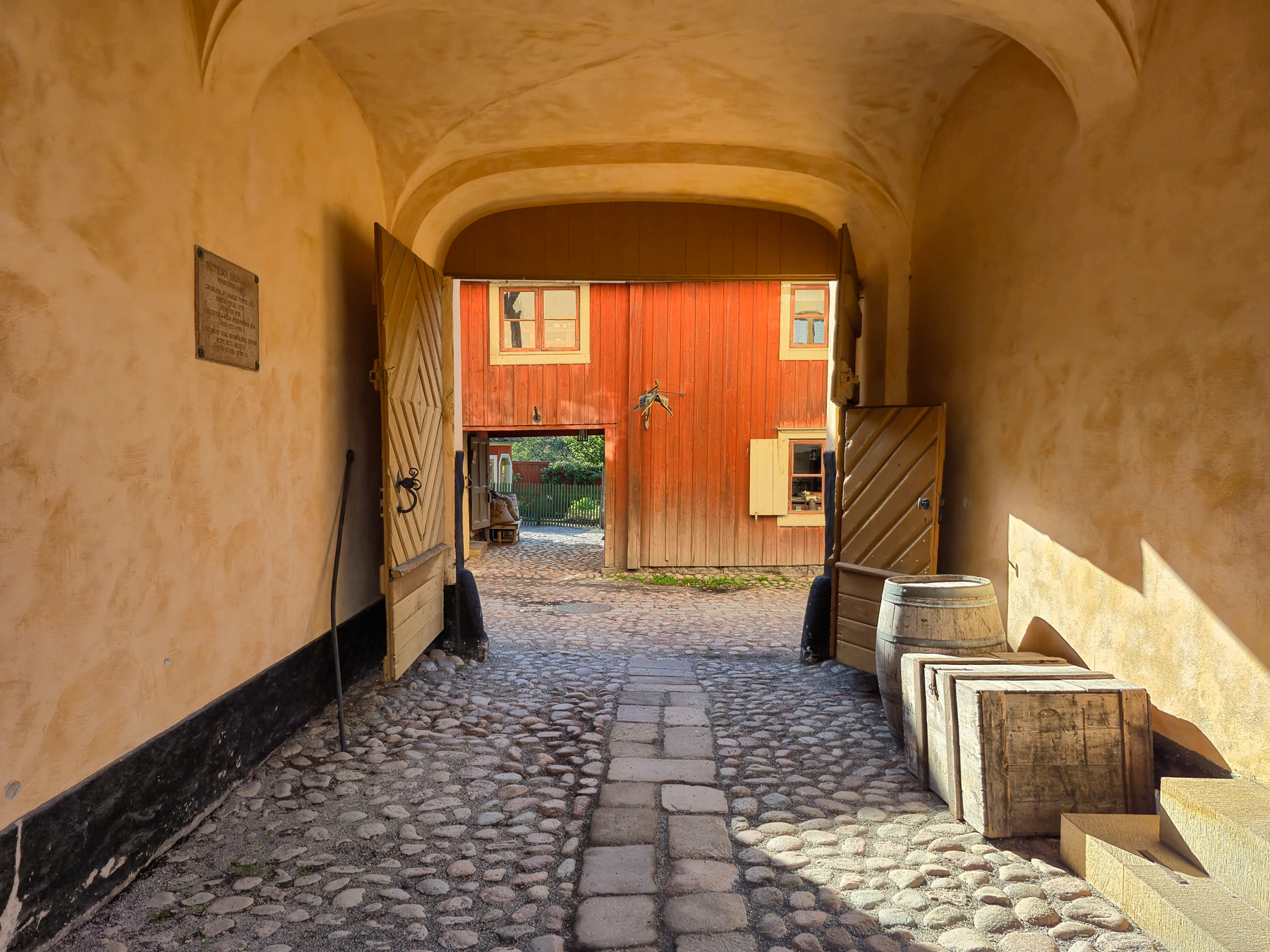
Inside the city quarter of Skansen.
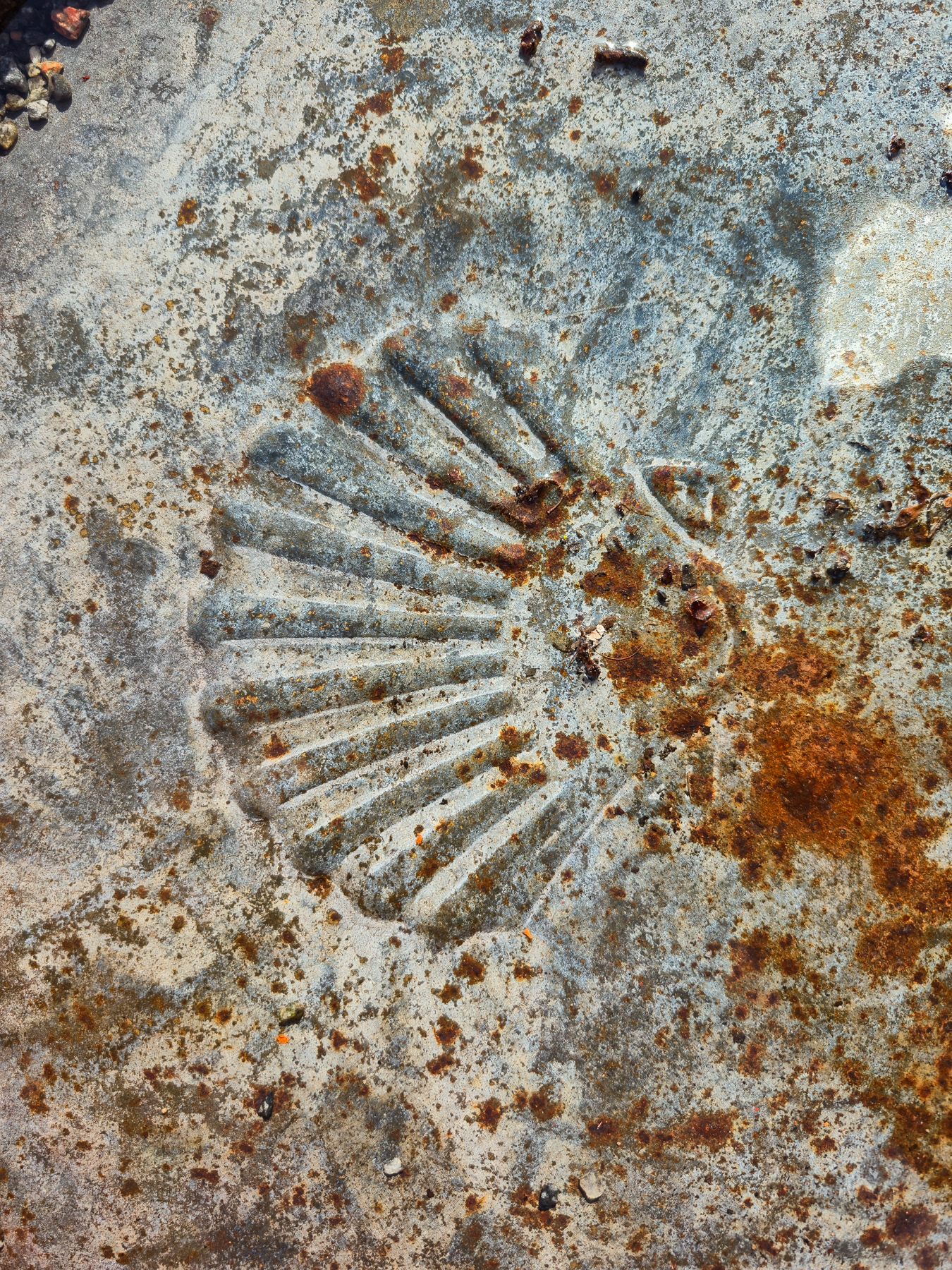
The logo of Shell on a partly rusty oil drum.
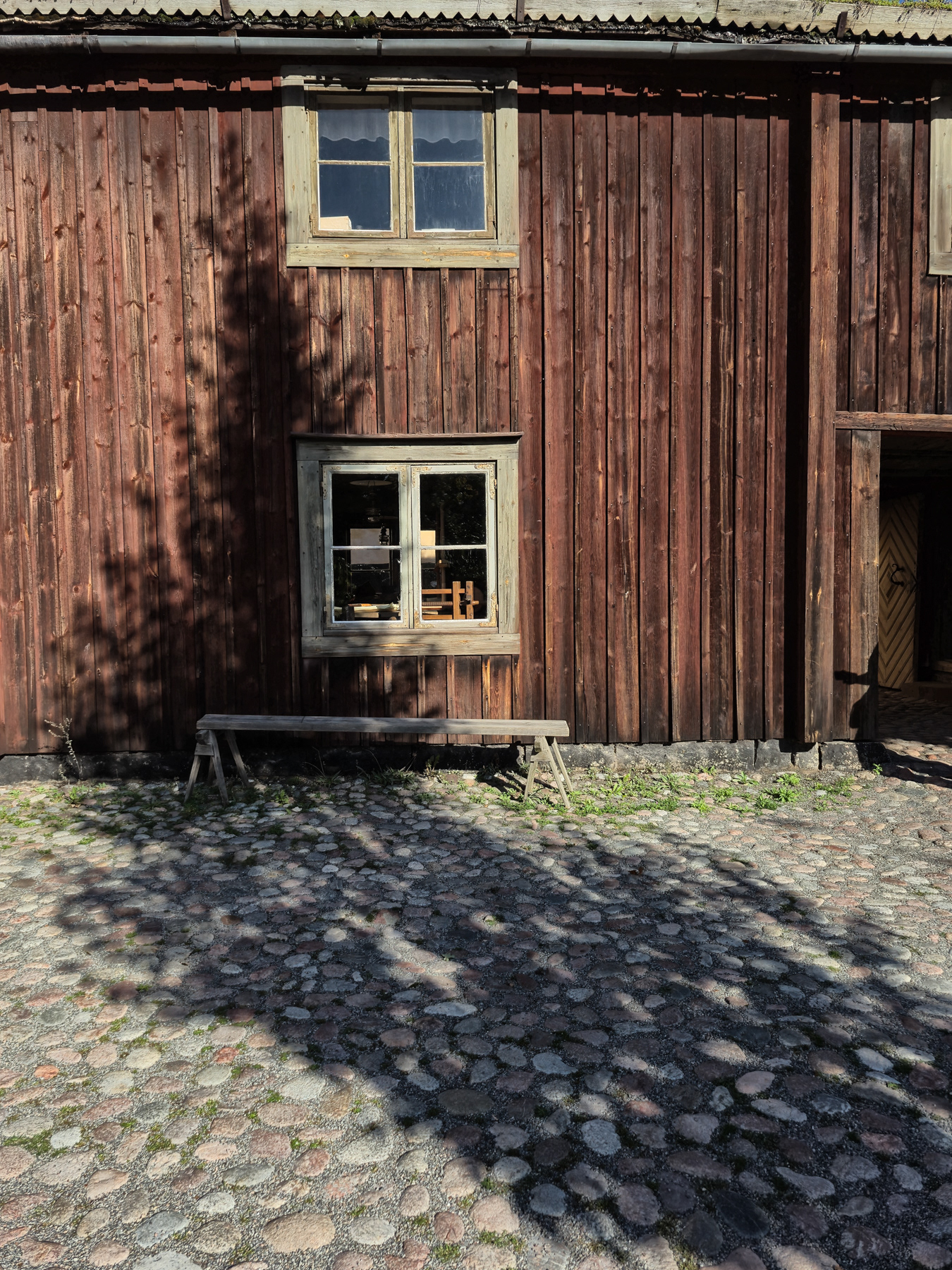
Inside the city quarter.
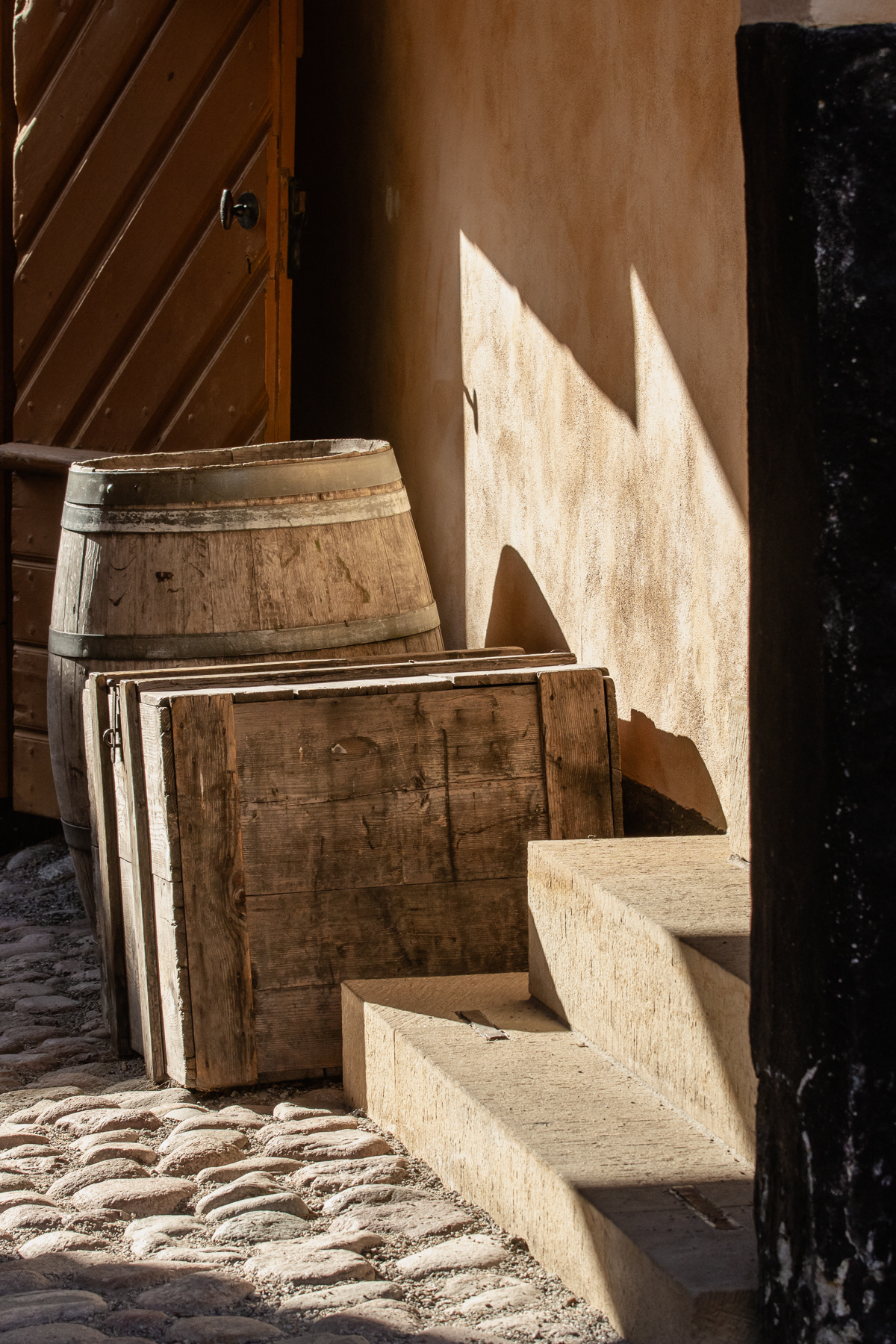
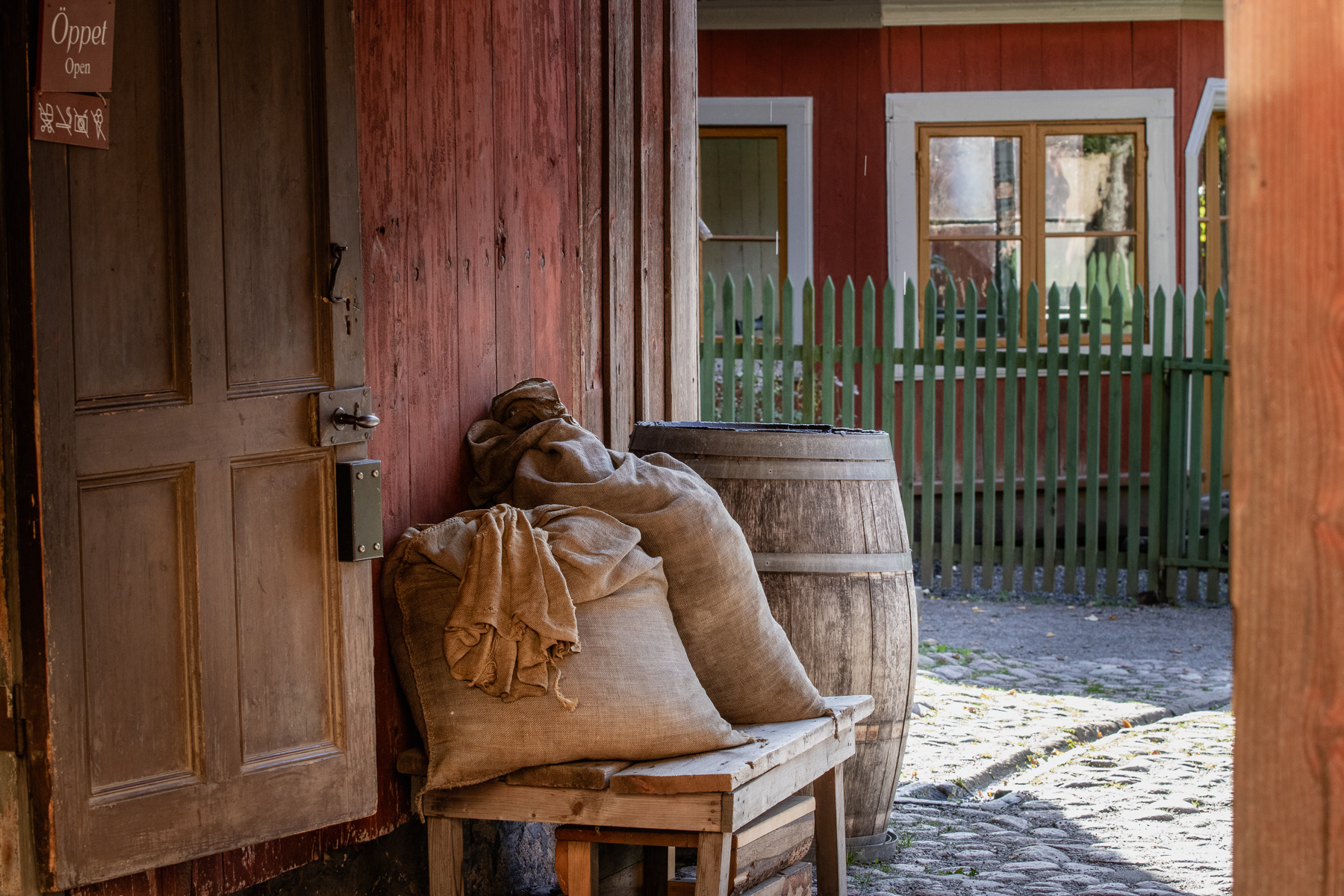
Bags and a barrel.
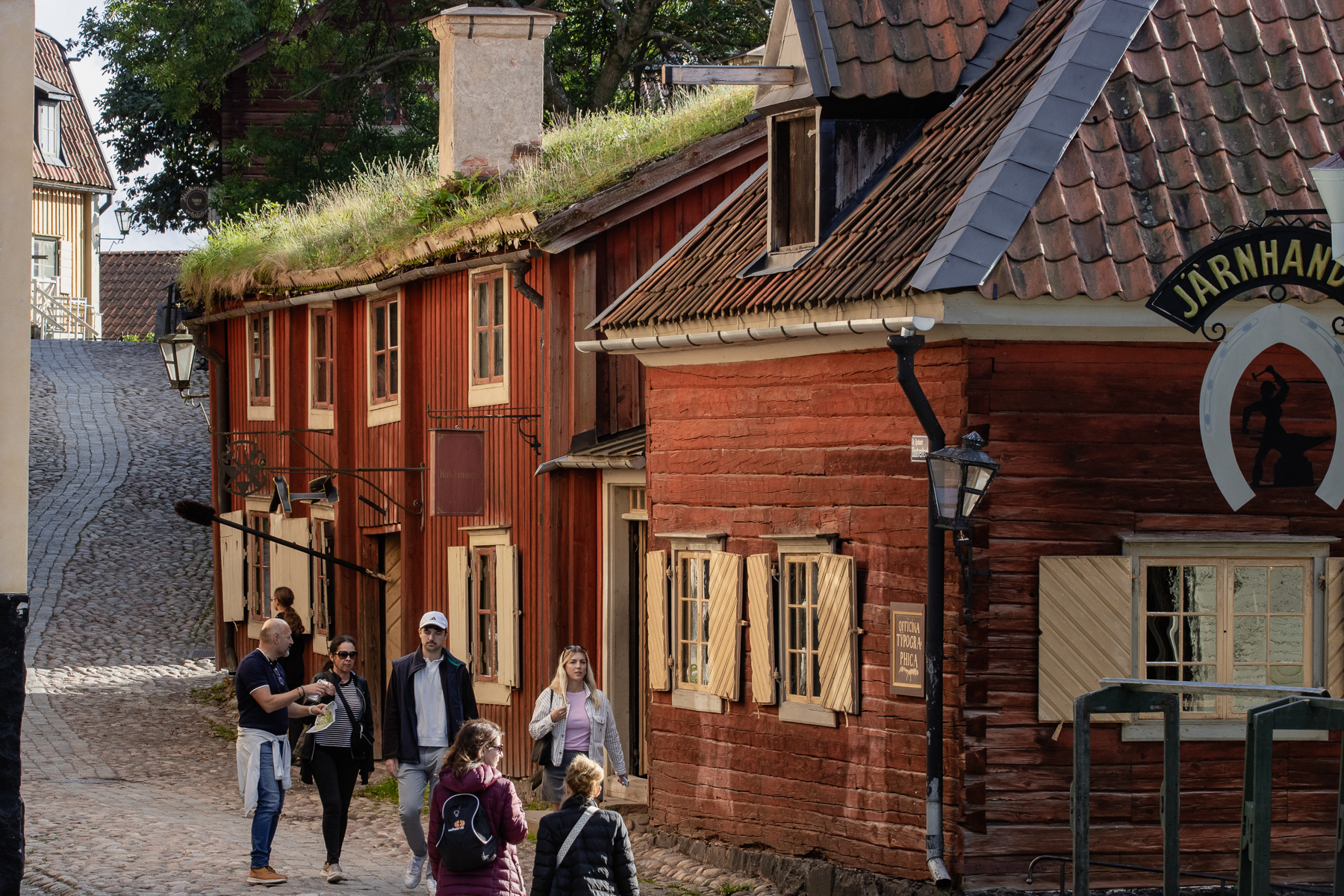
A "city street" of Skansen.
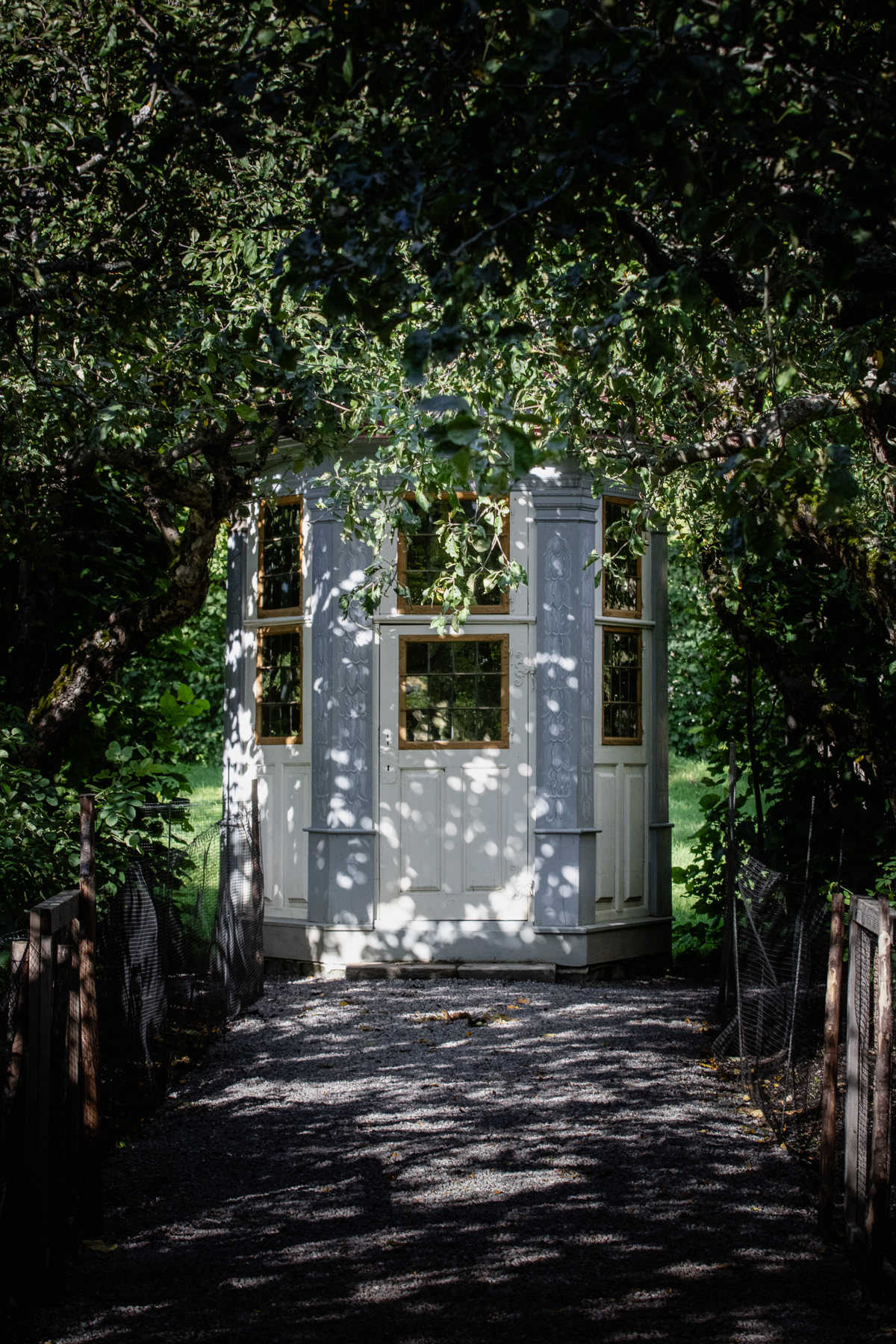
A tea house, in Swedish: lusthus.
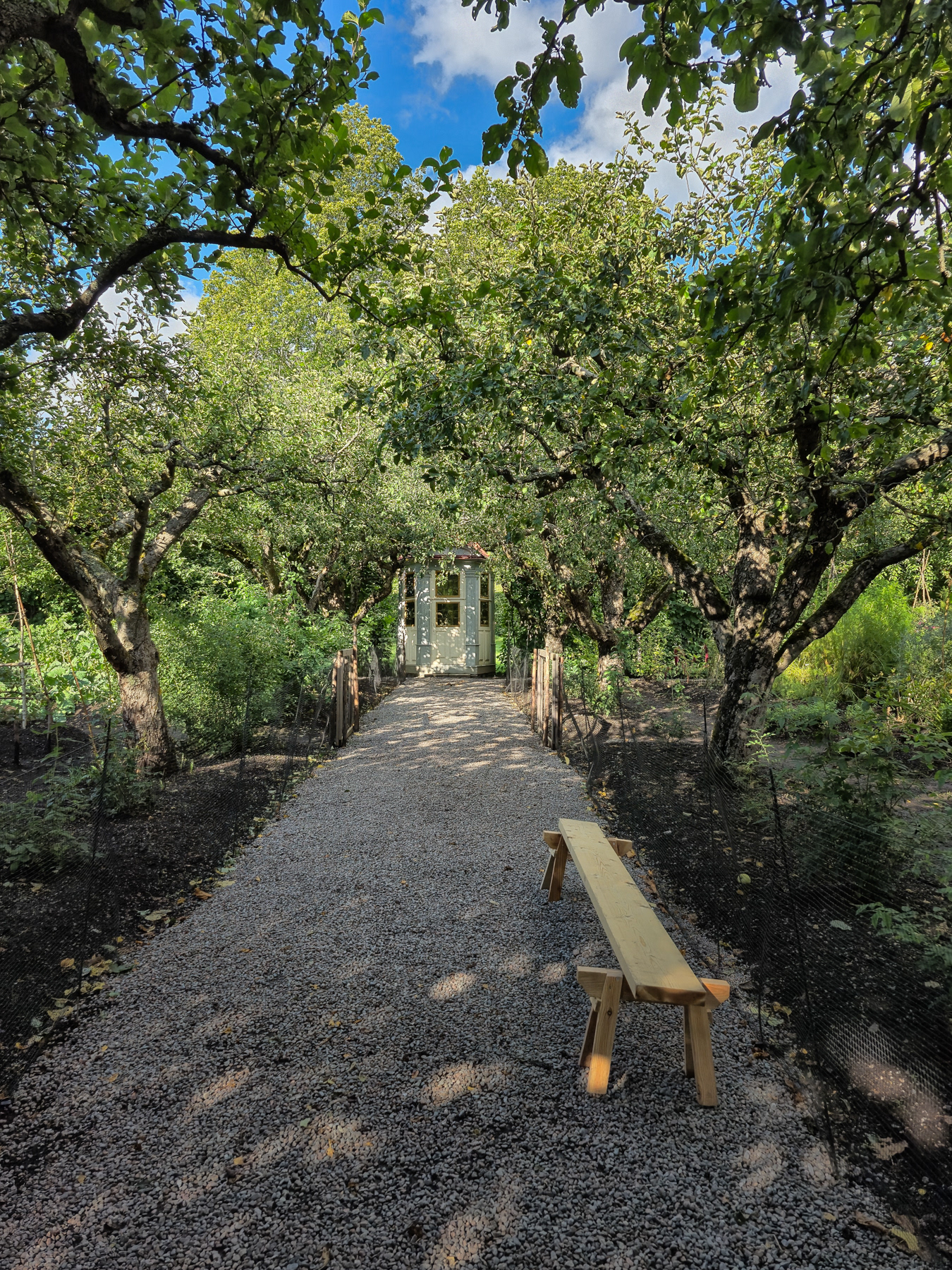
A tea house, in Swedish: lusthus.
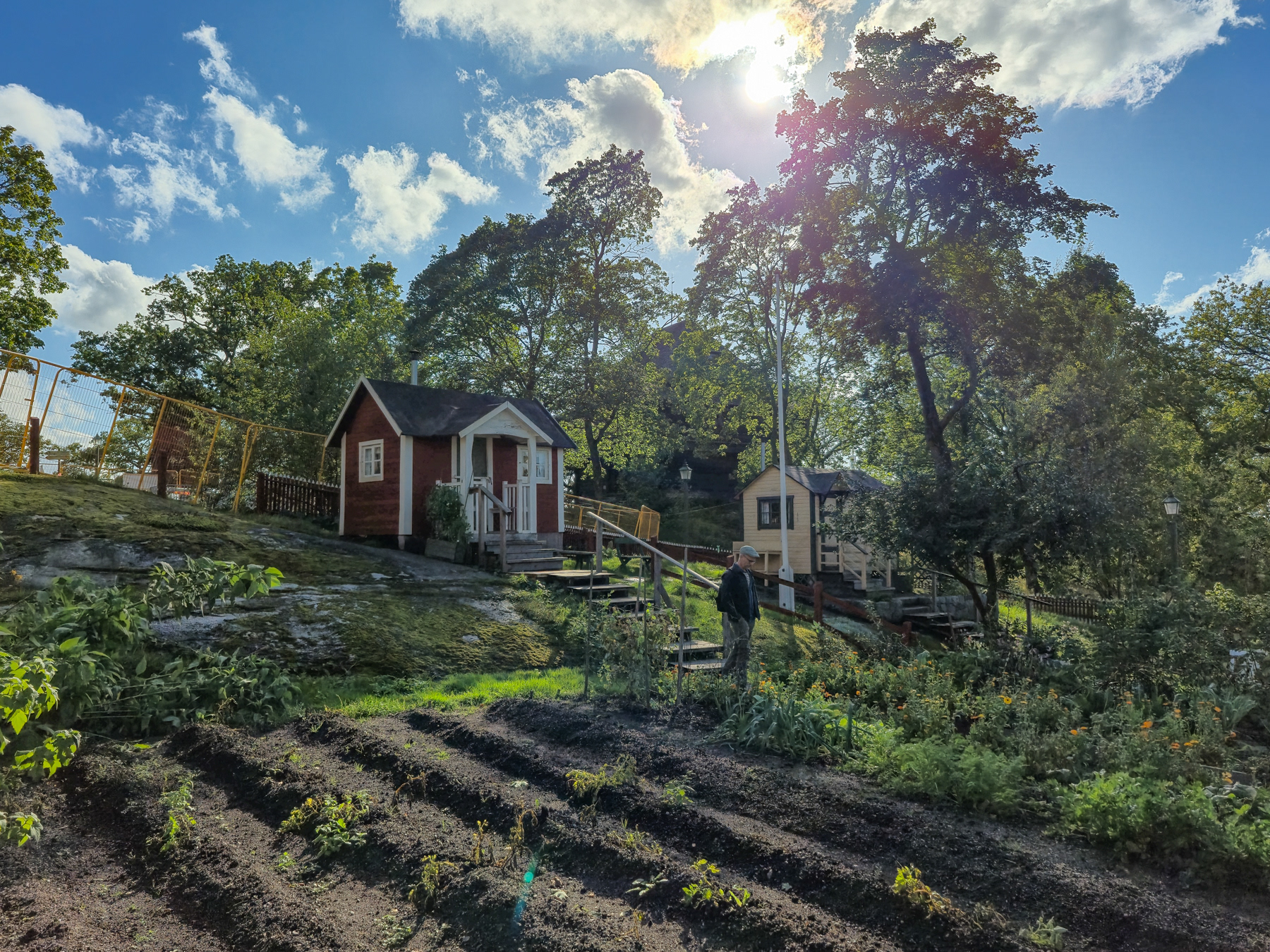
Typical small food gardens and cabins one can still find all over Sweden.
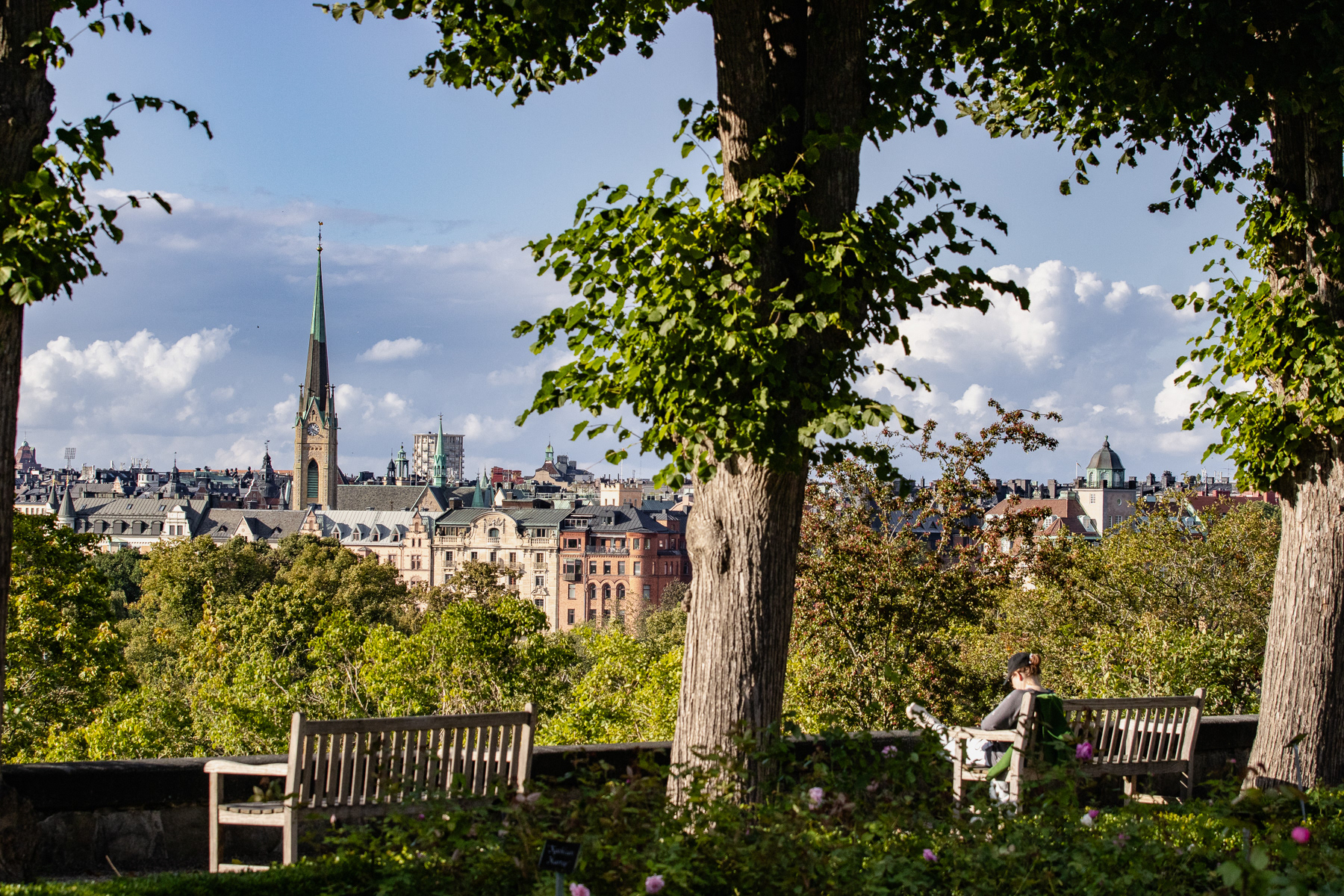
View at Stockholm Östermalm high up from Skansen, September 2025.
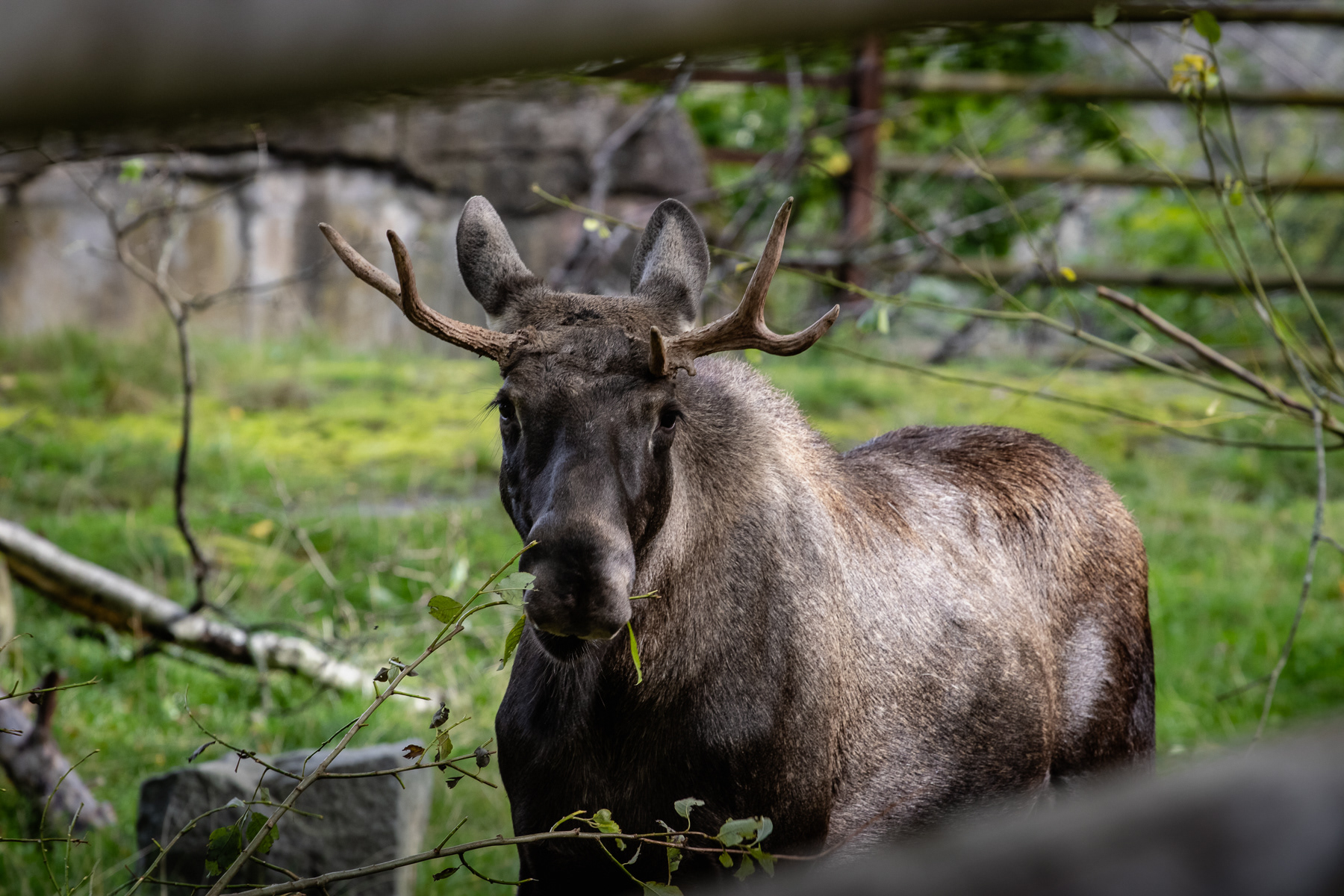
The moose.
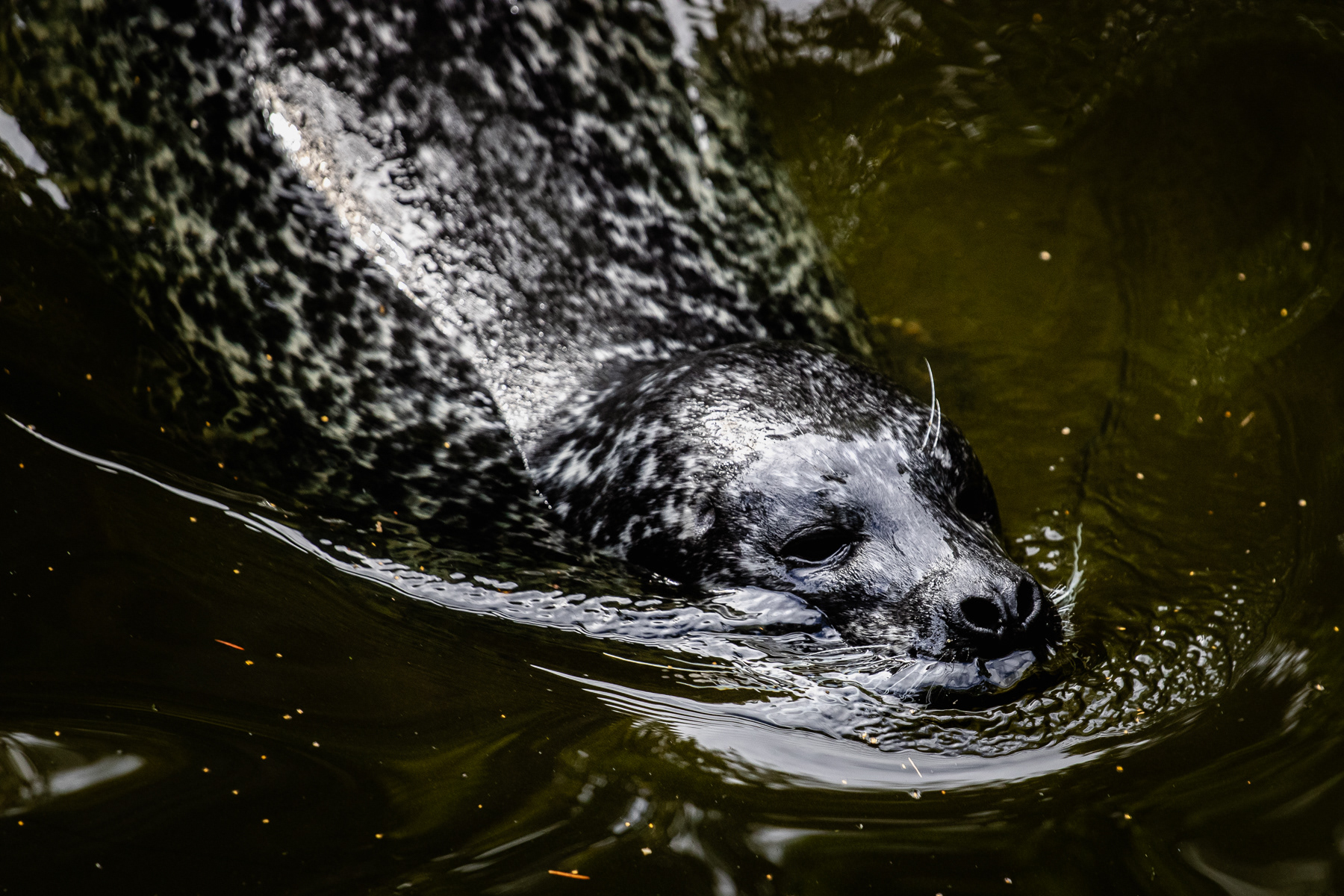
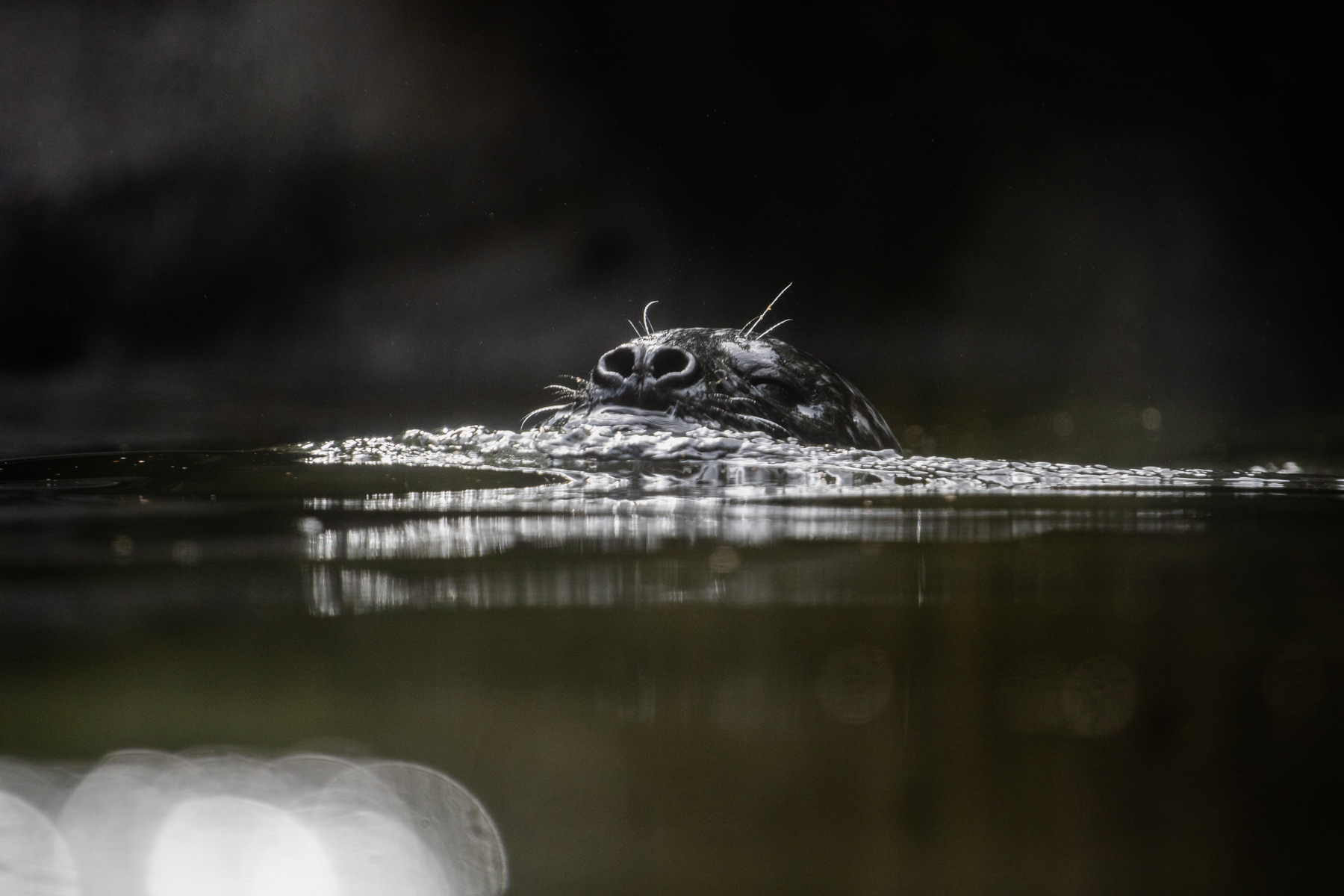
A harbour seal.
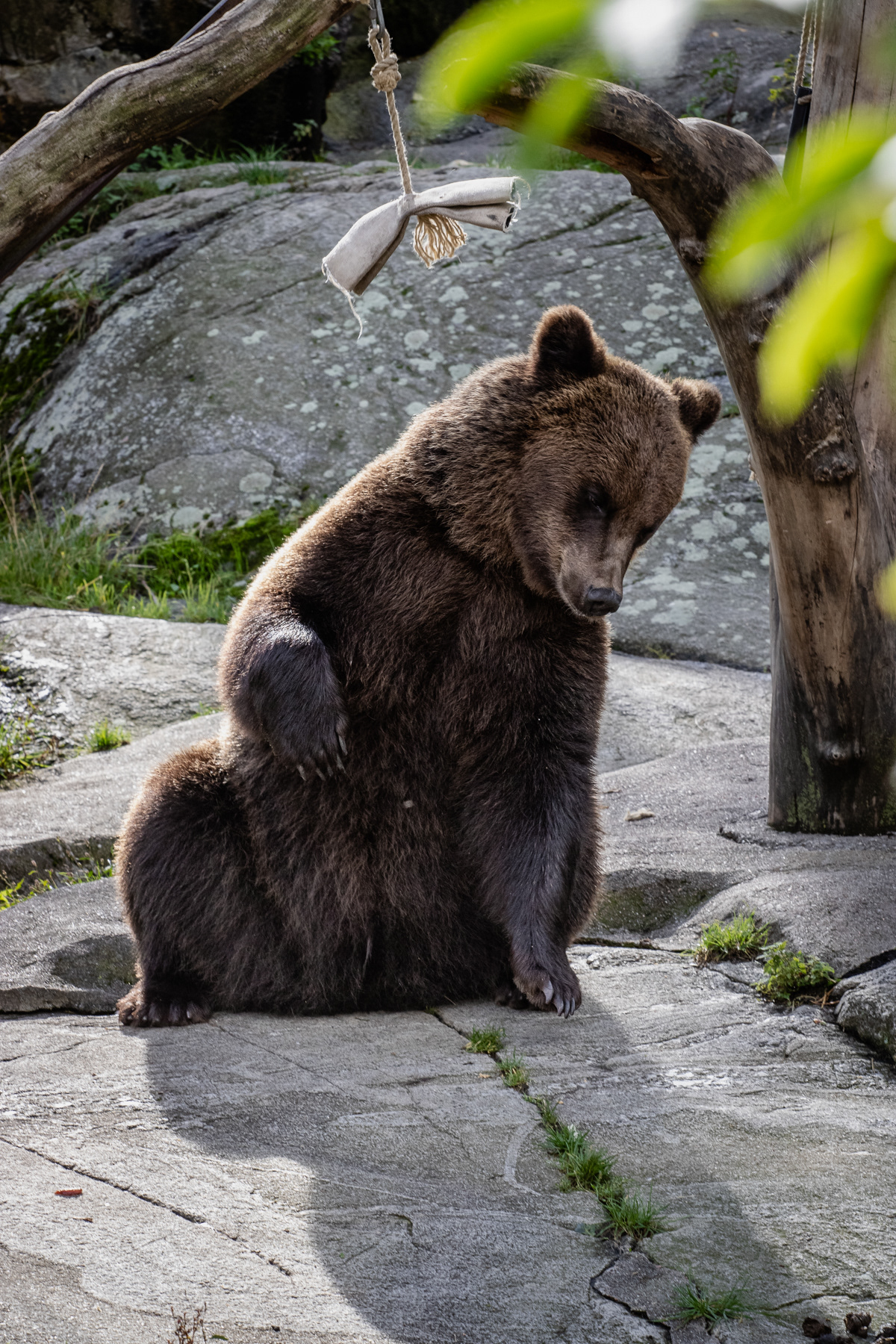
A brown bear.
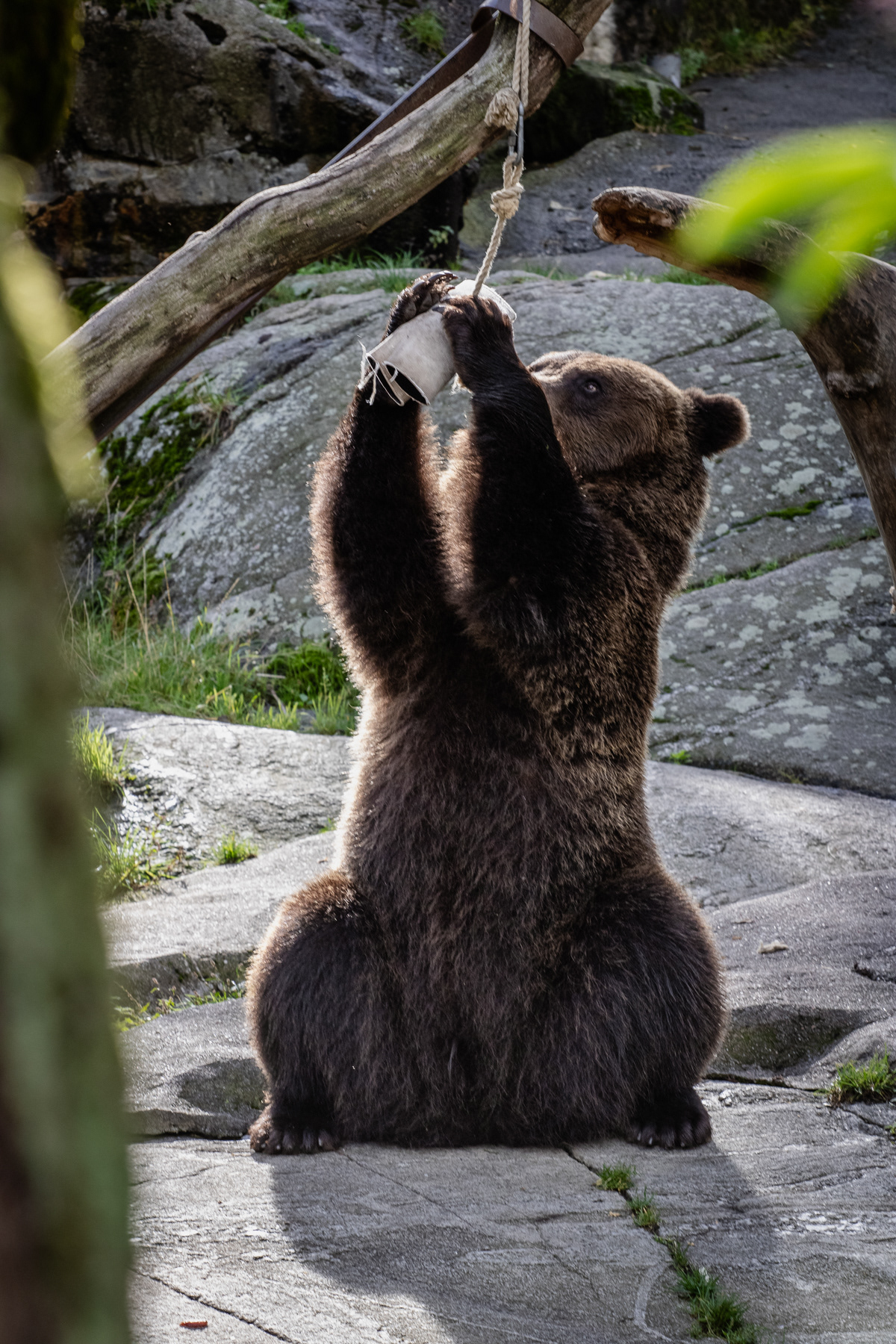
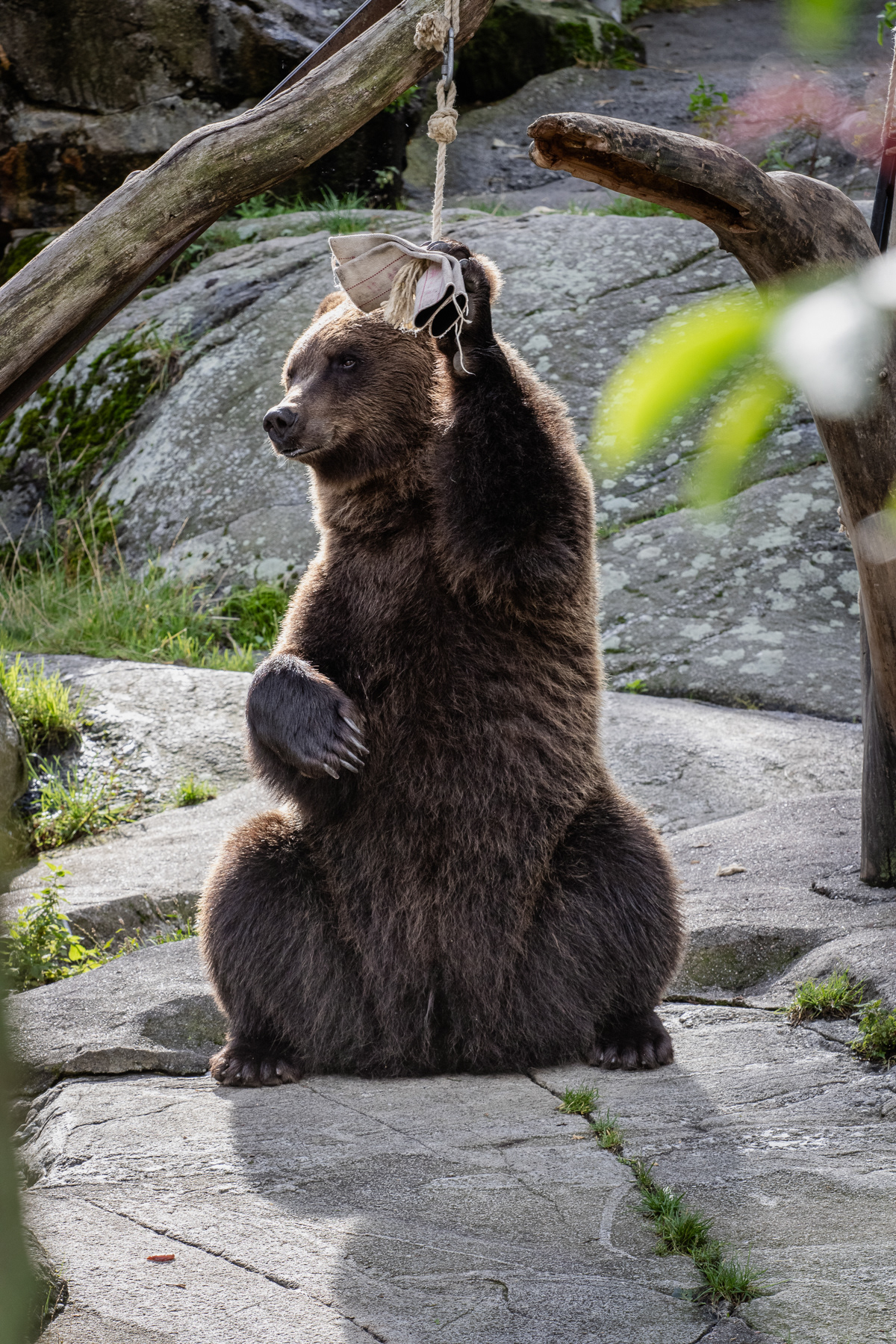
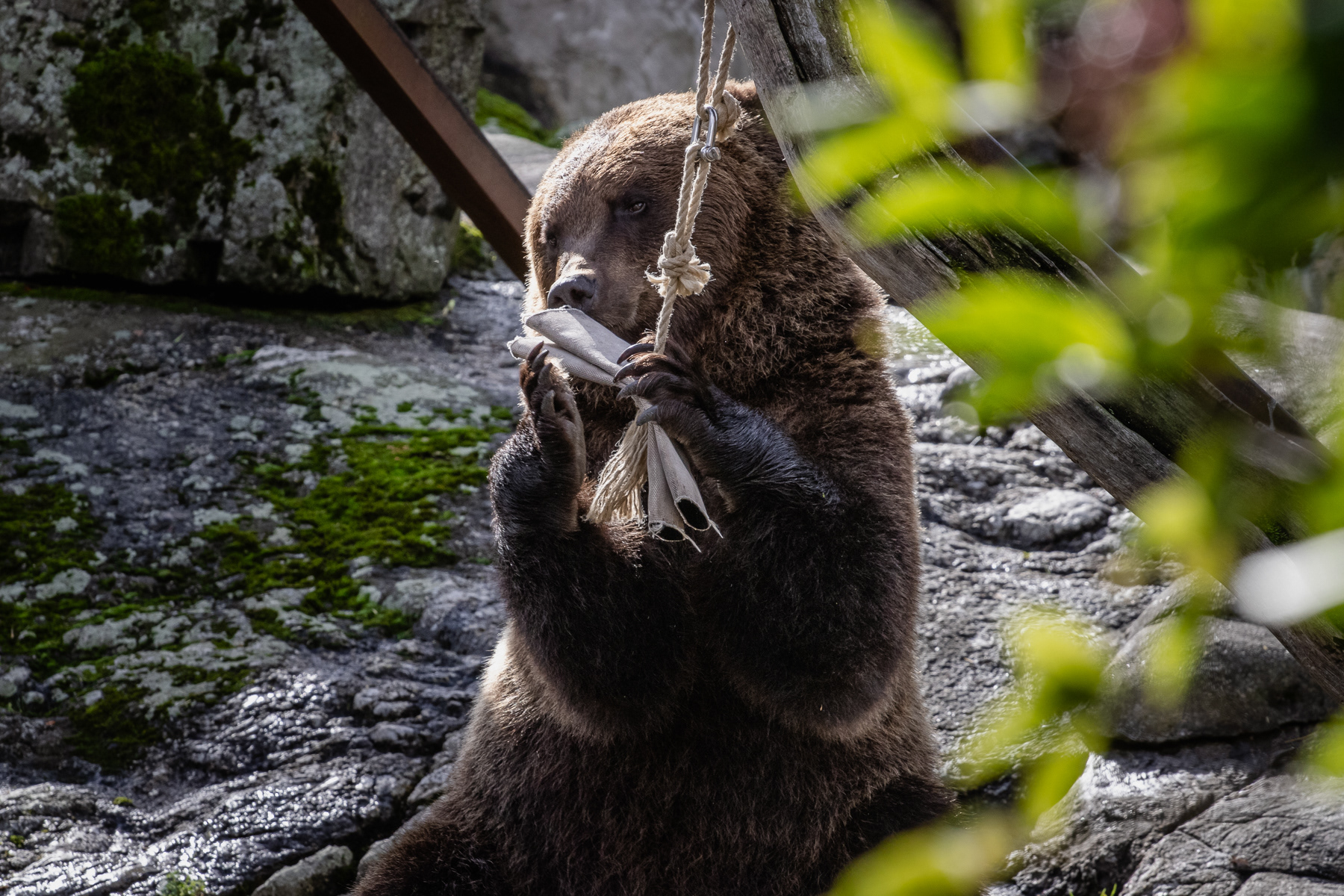
A brown bear snacking on some partly hidden goodies.
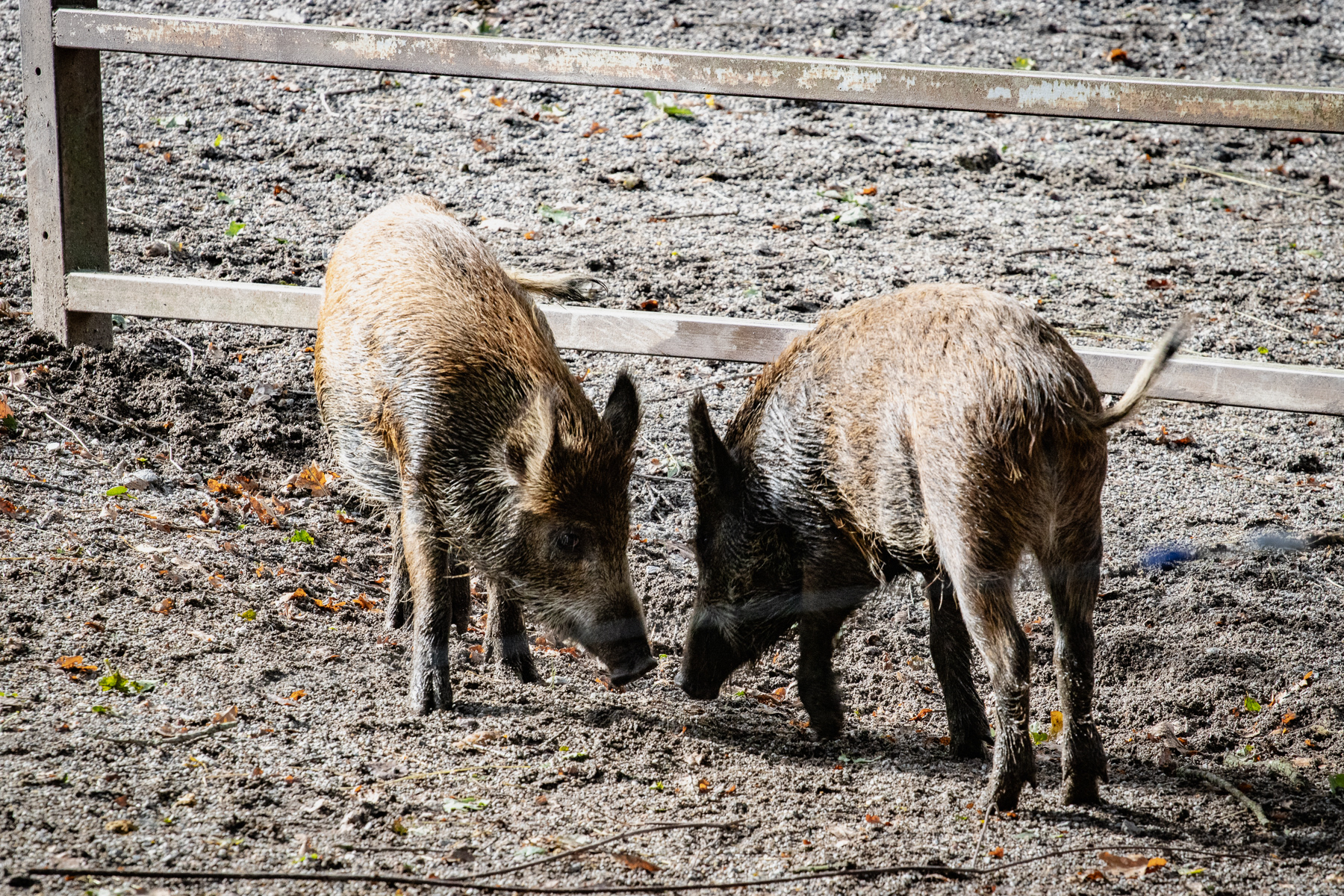
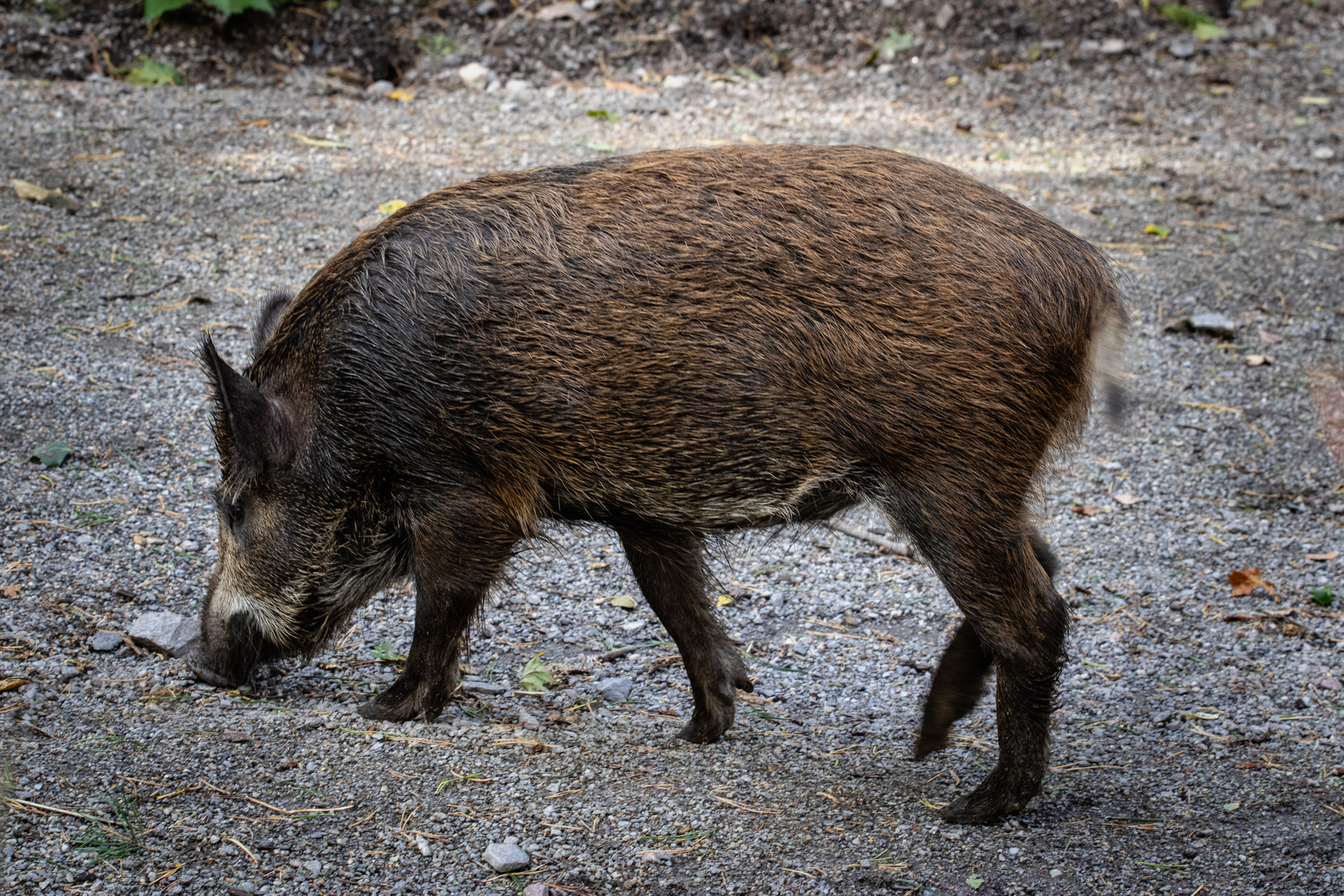
Wild boars.
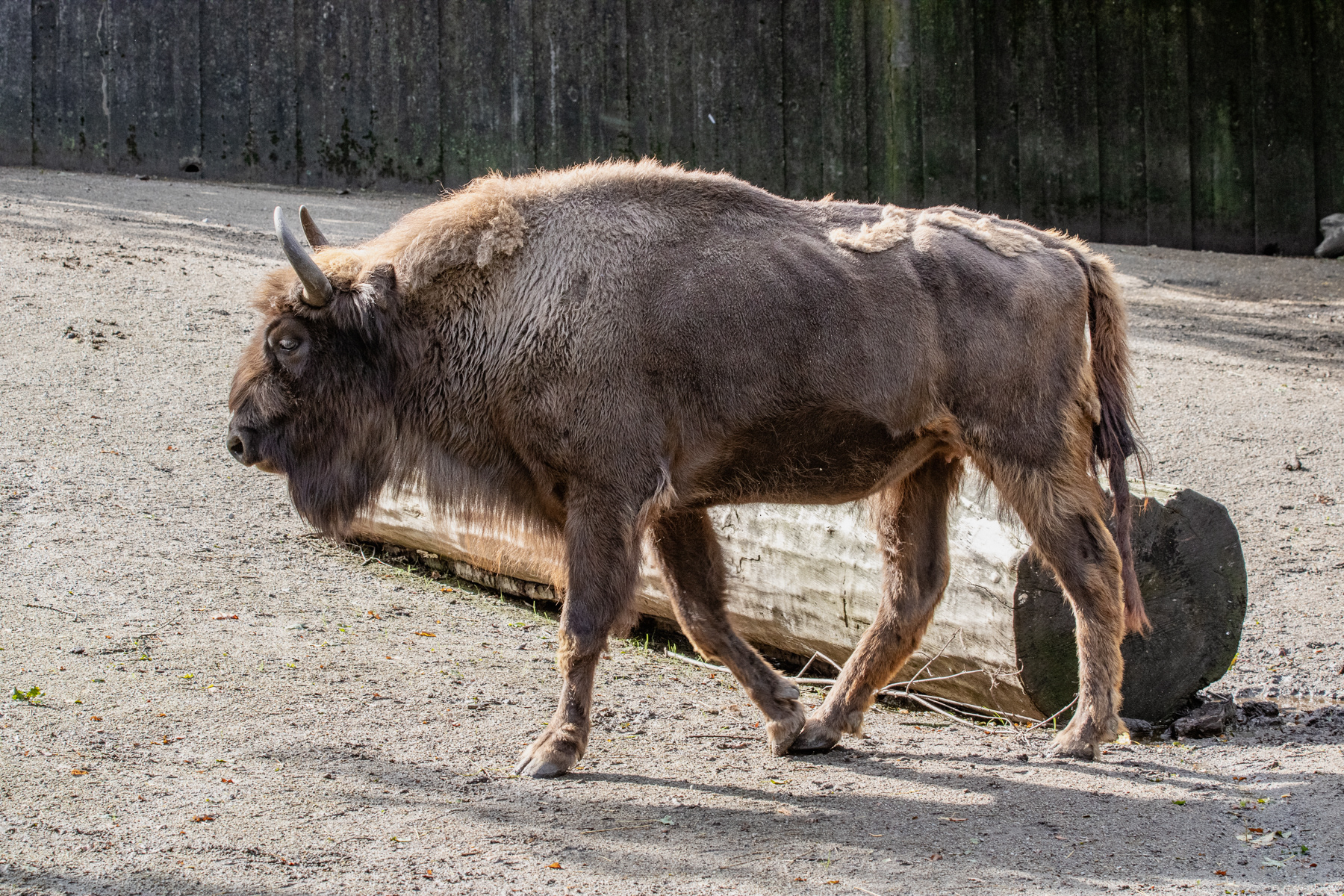
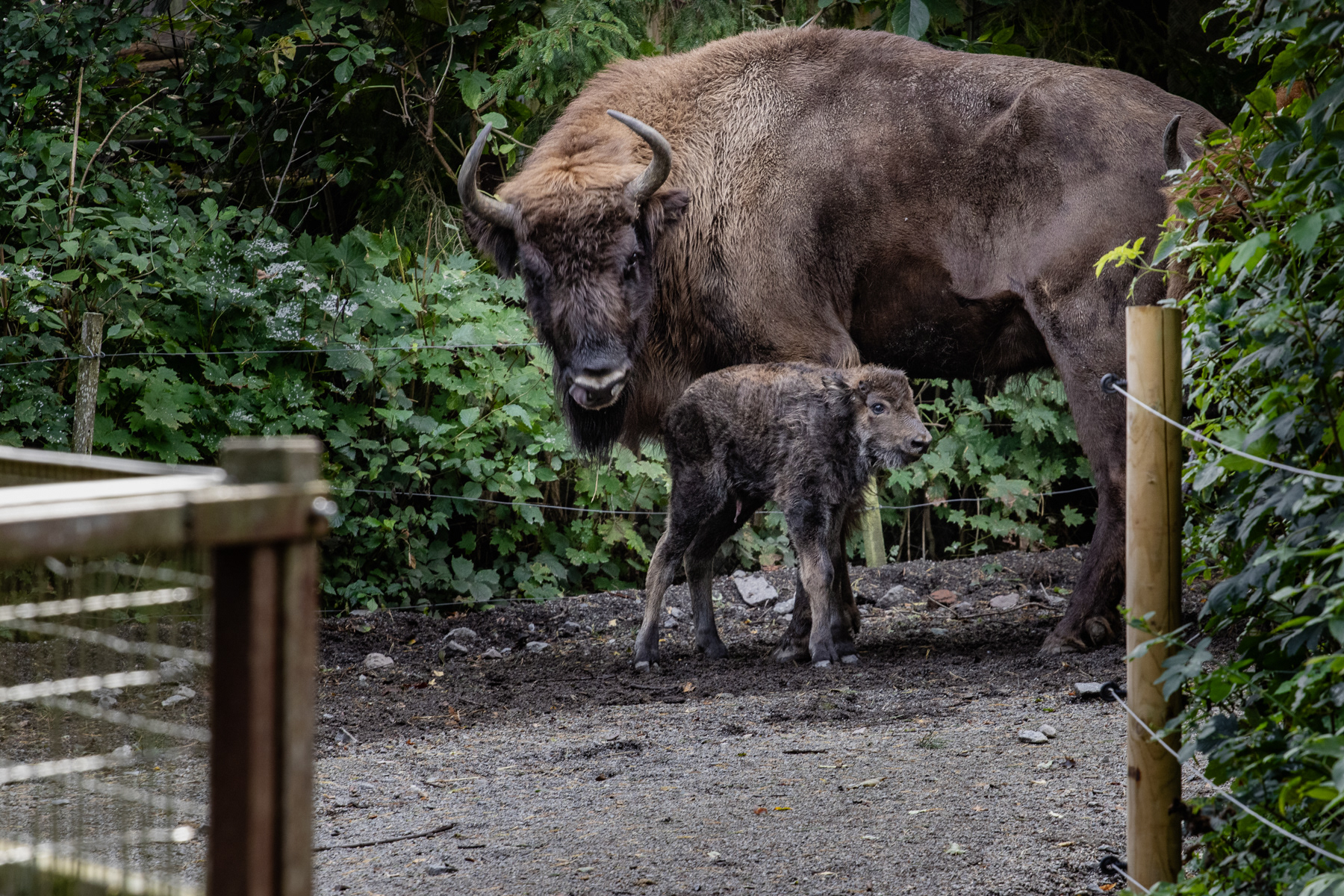
A wisent (European bison).

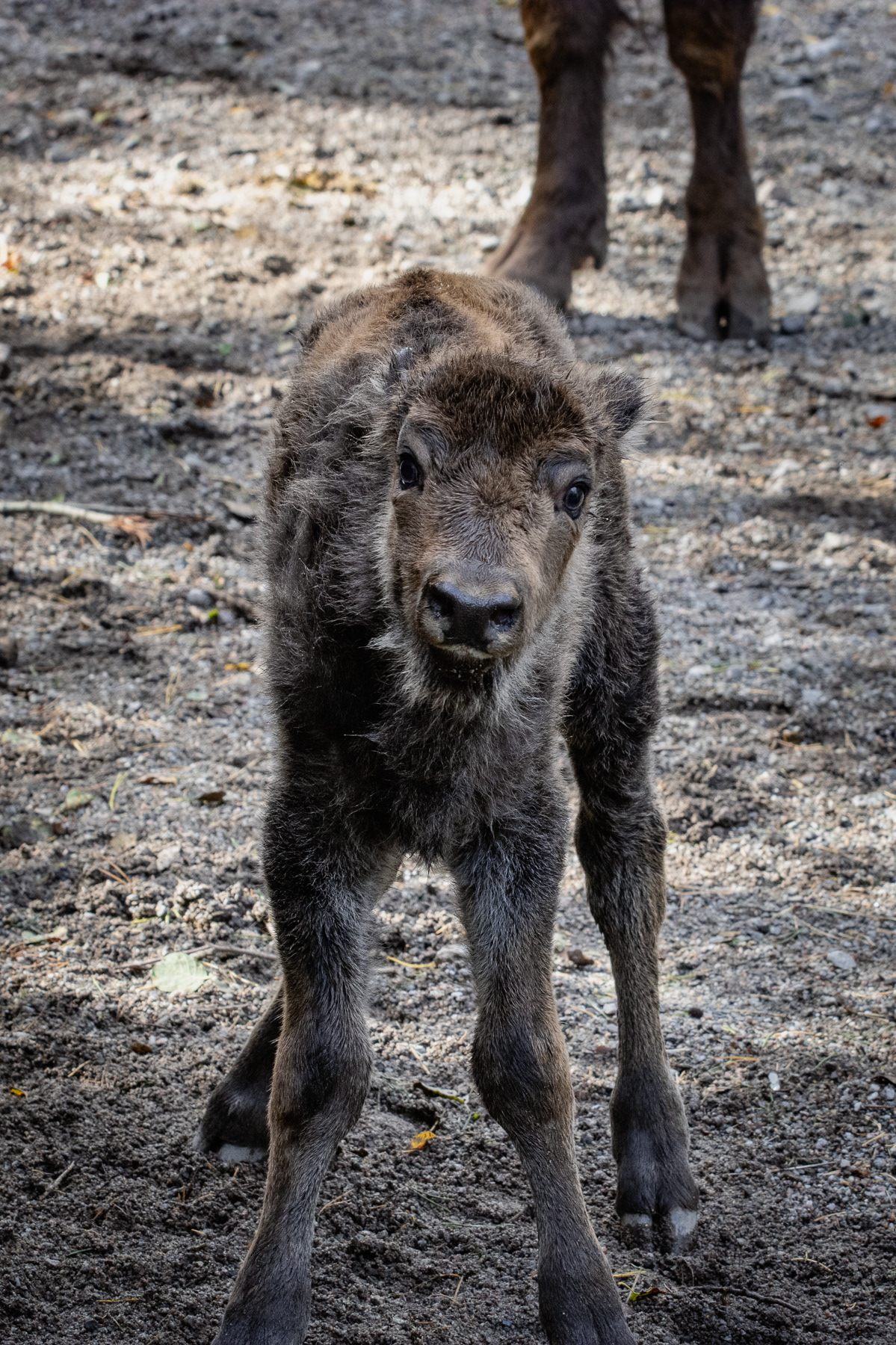
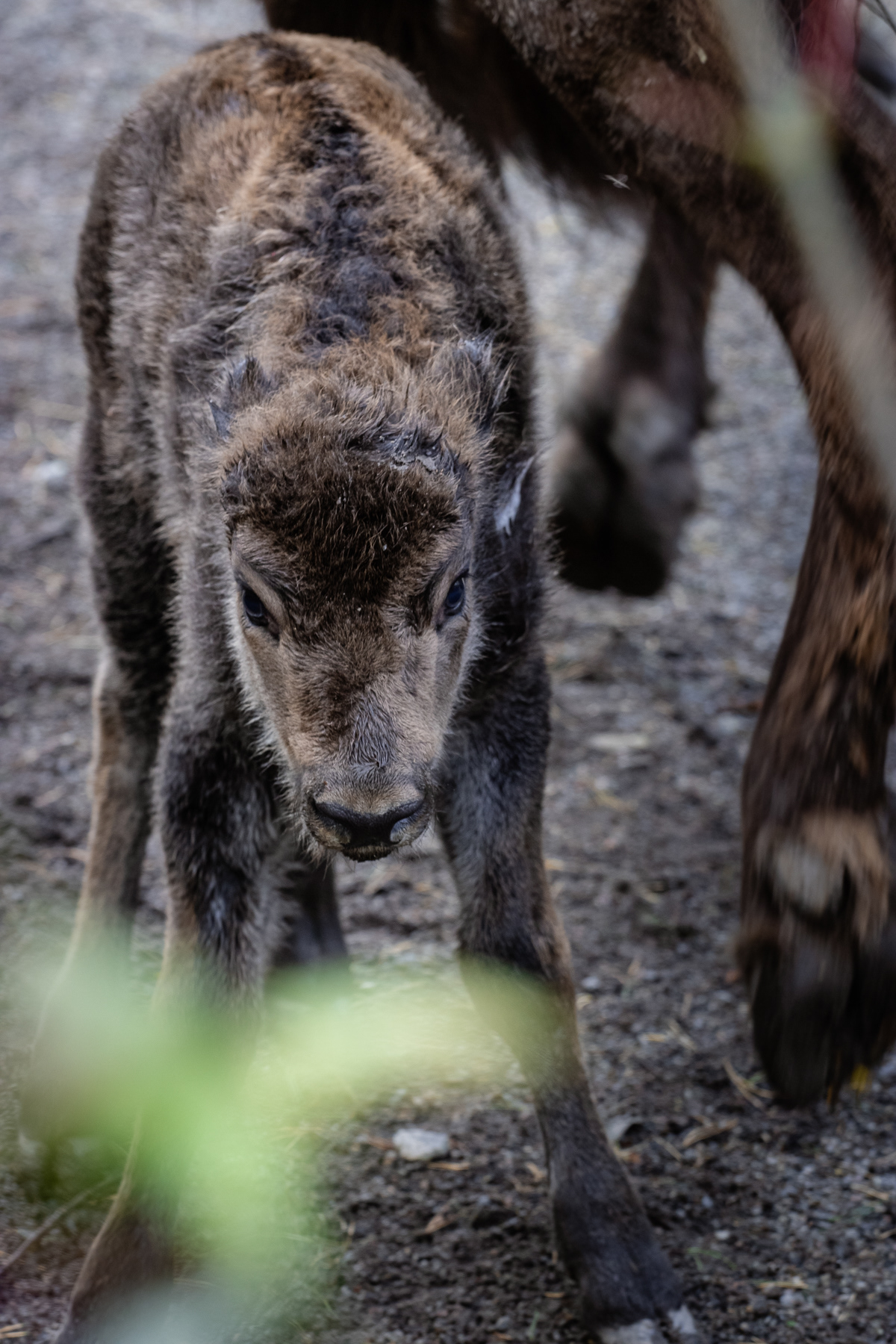
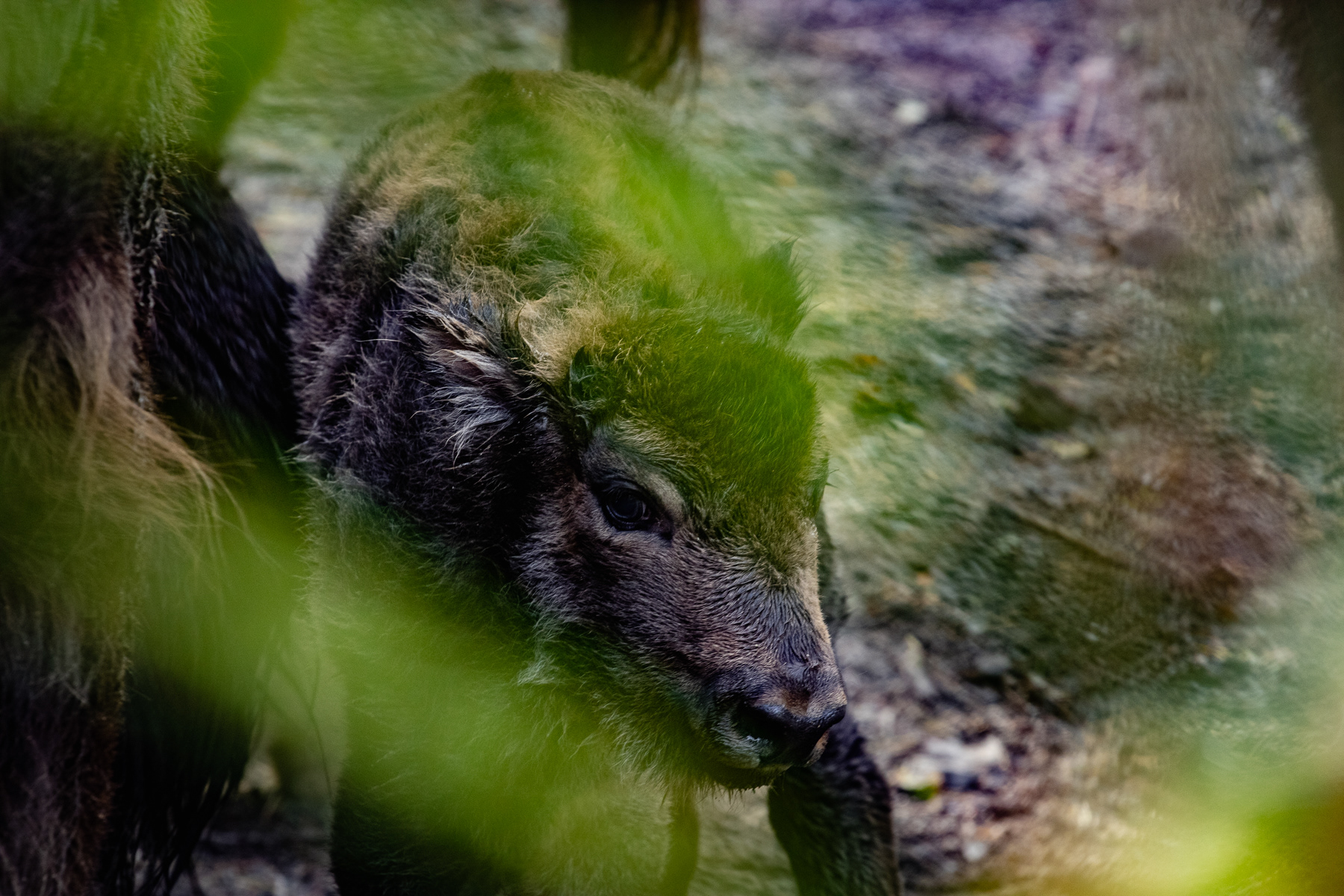
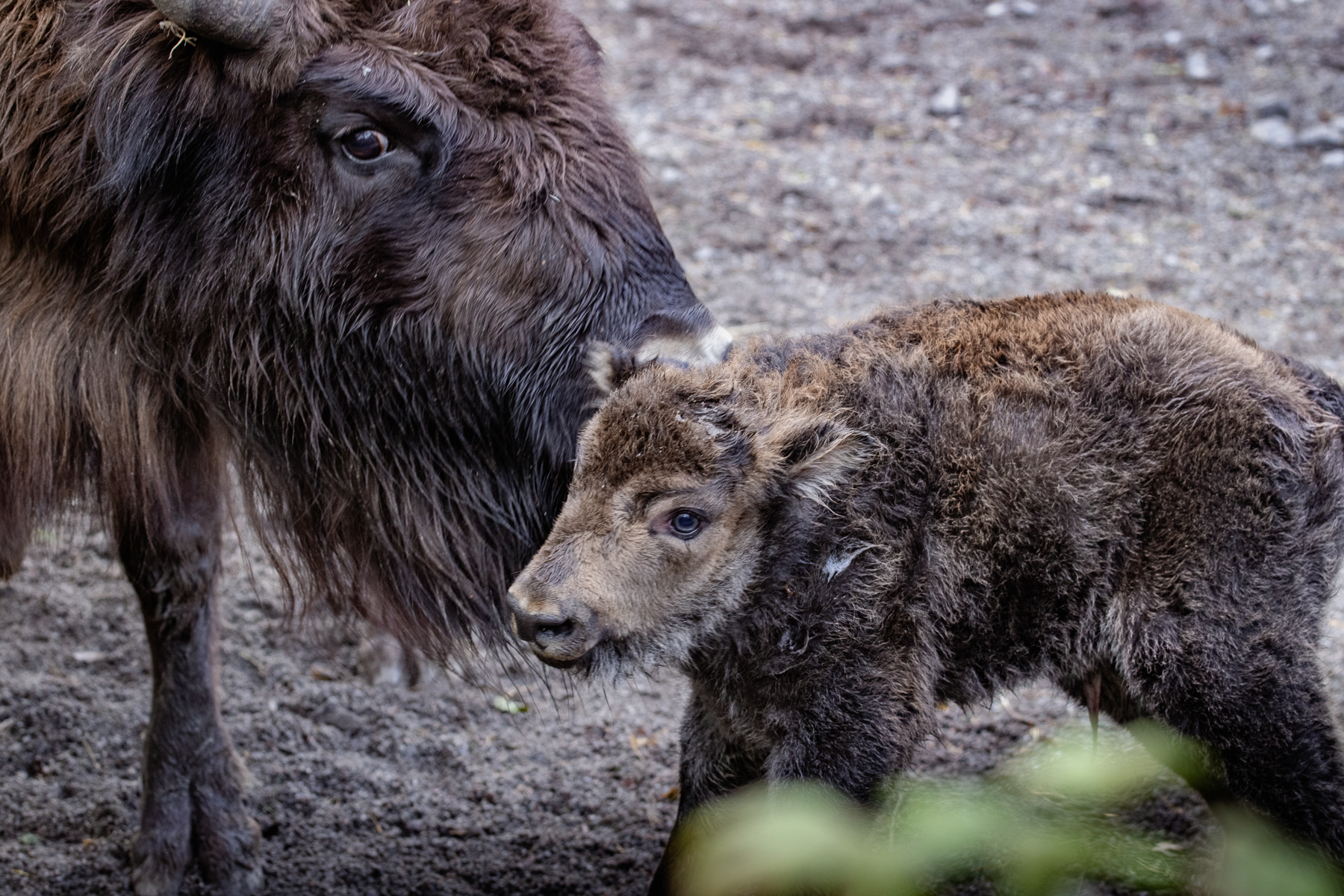
A newly born wisent (European bison).
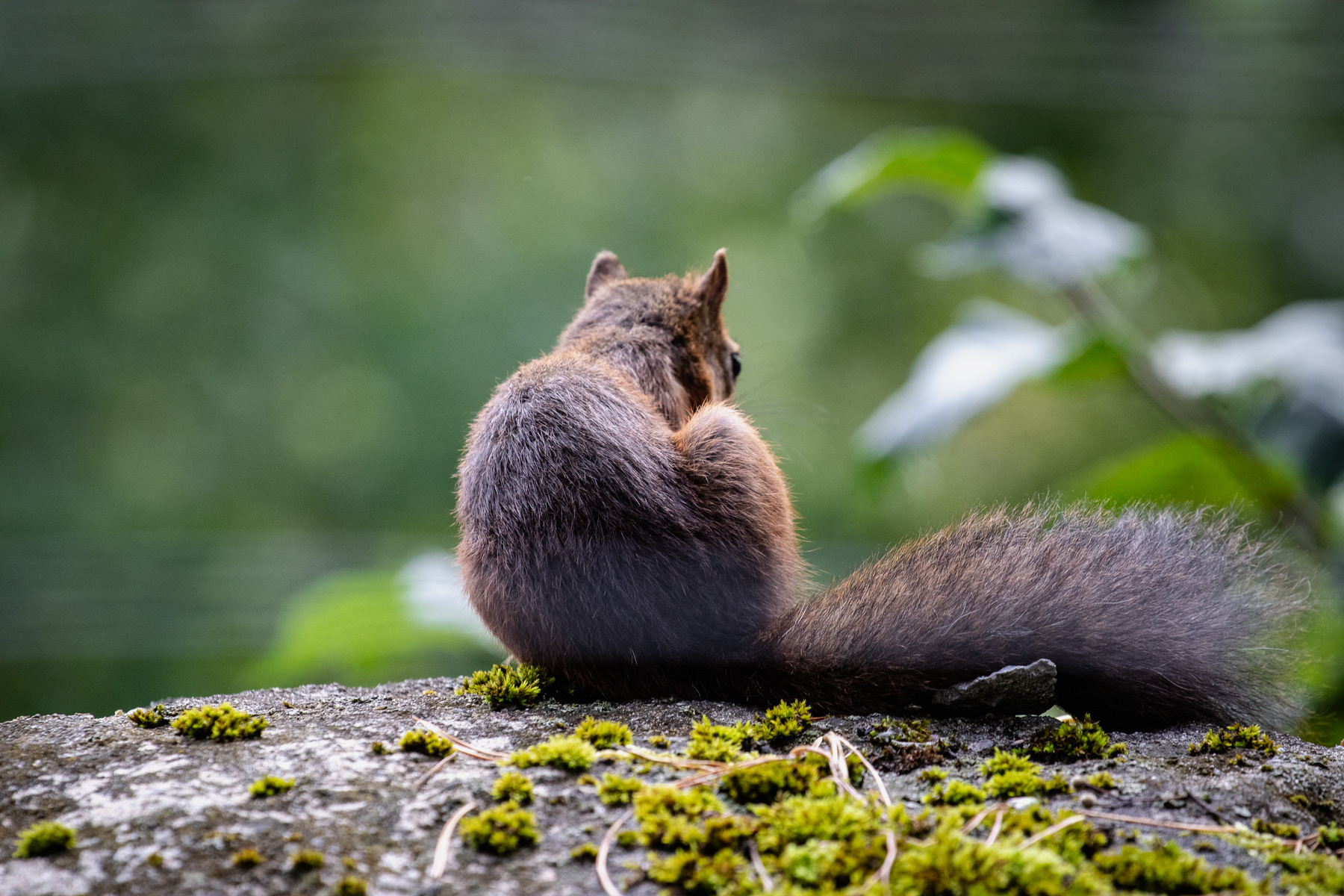
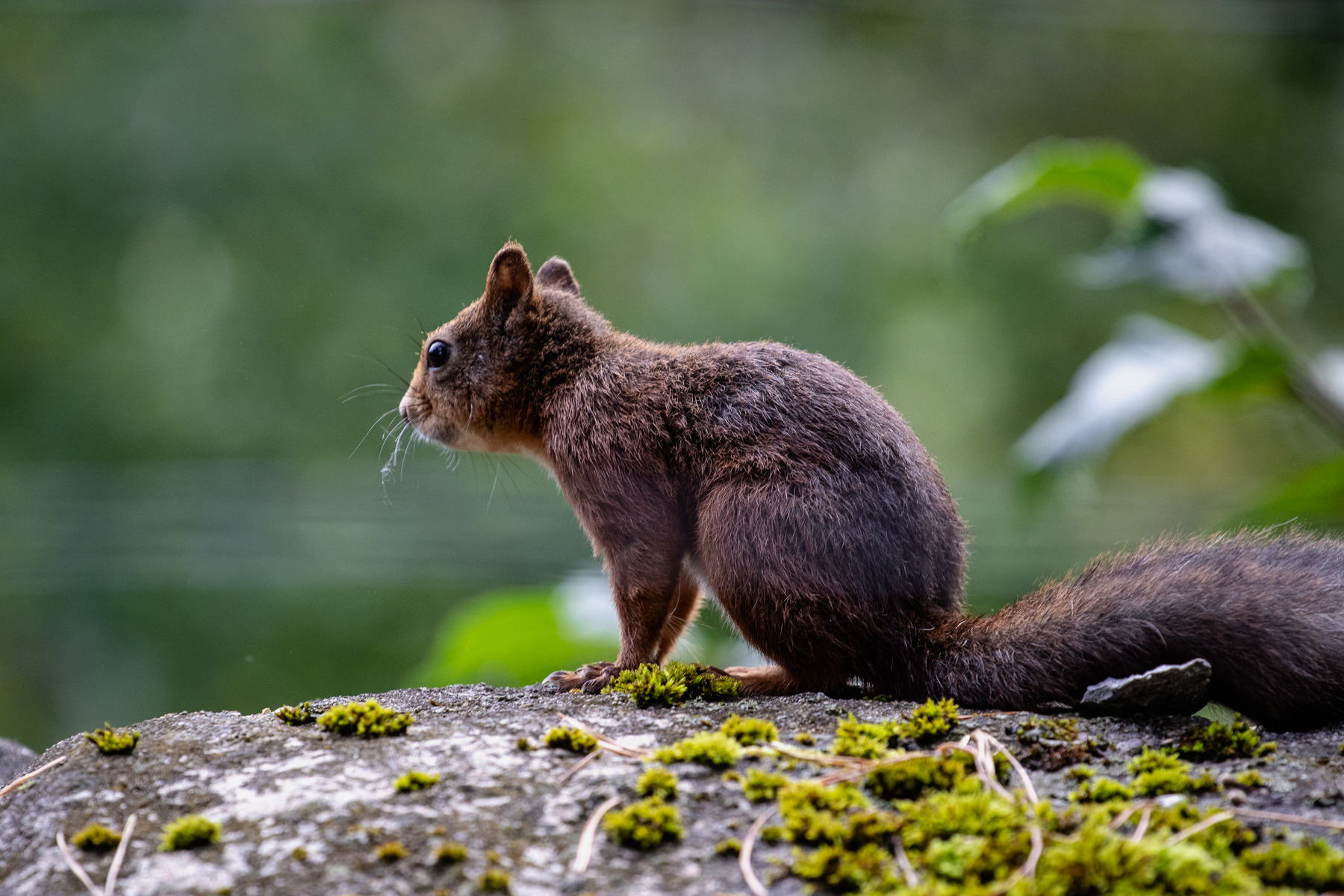
A squirrel.
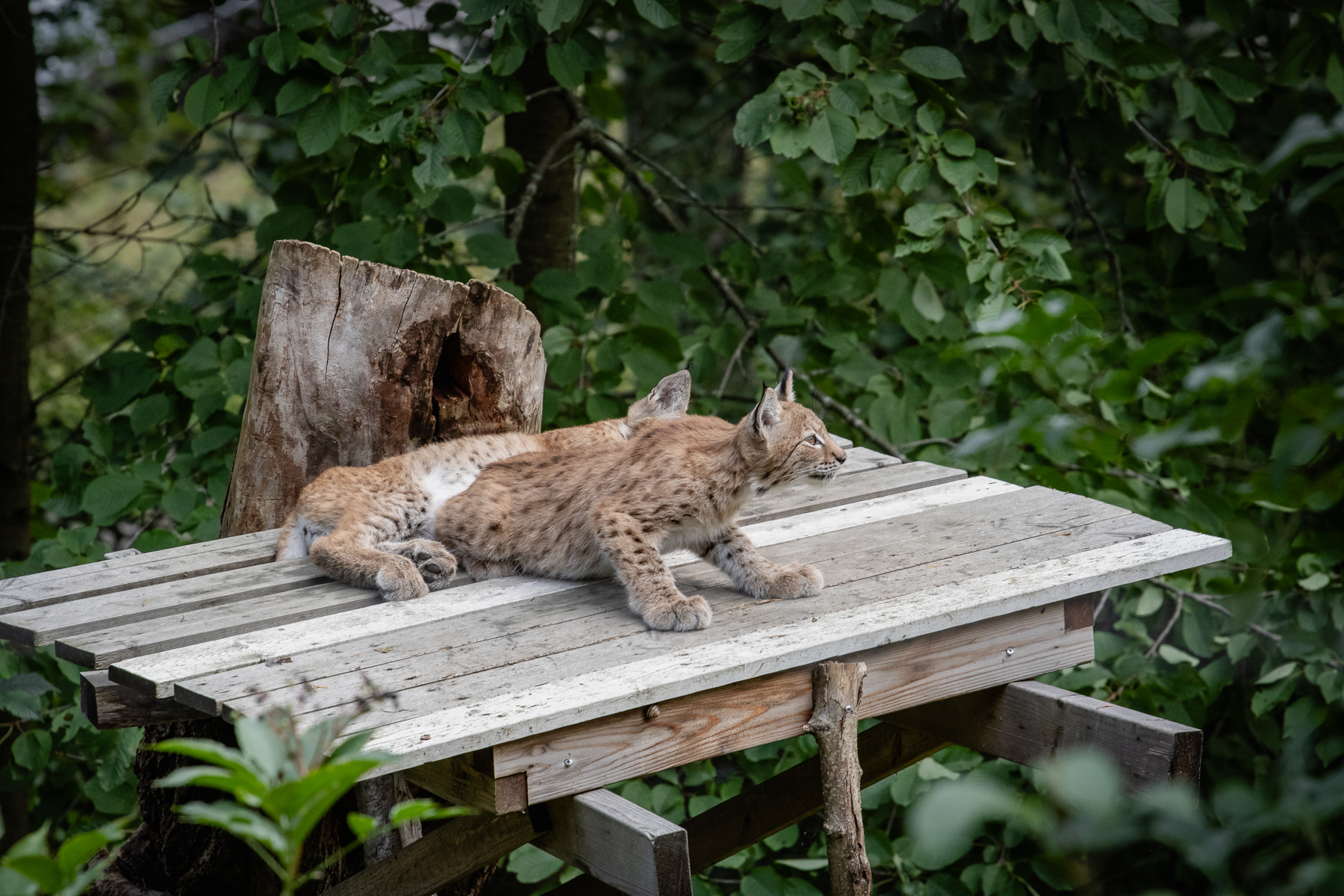
Two young lynxes.
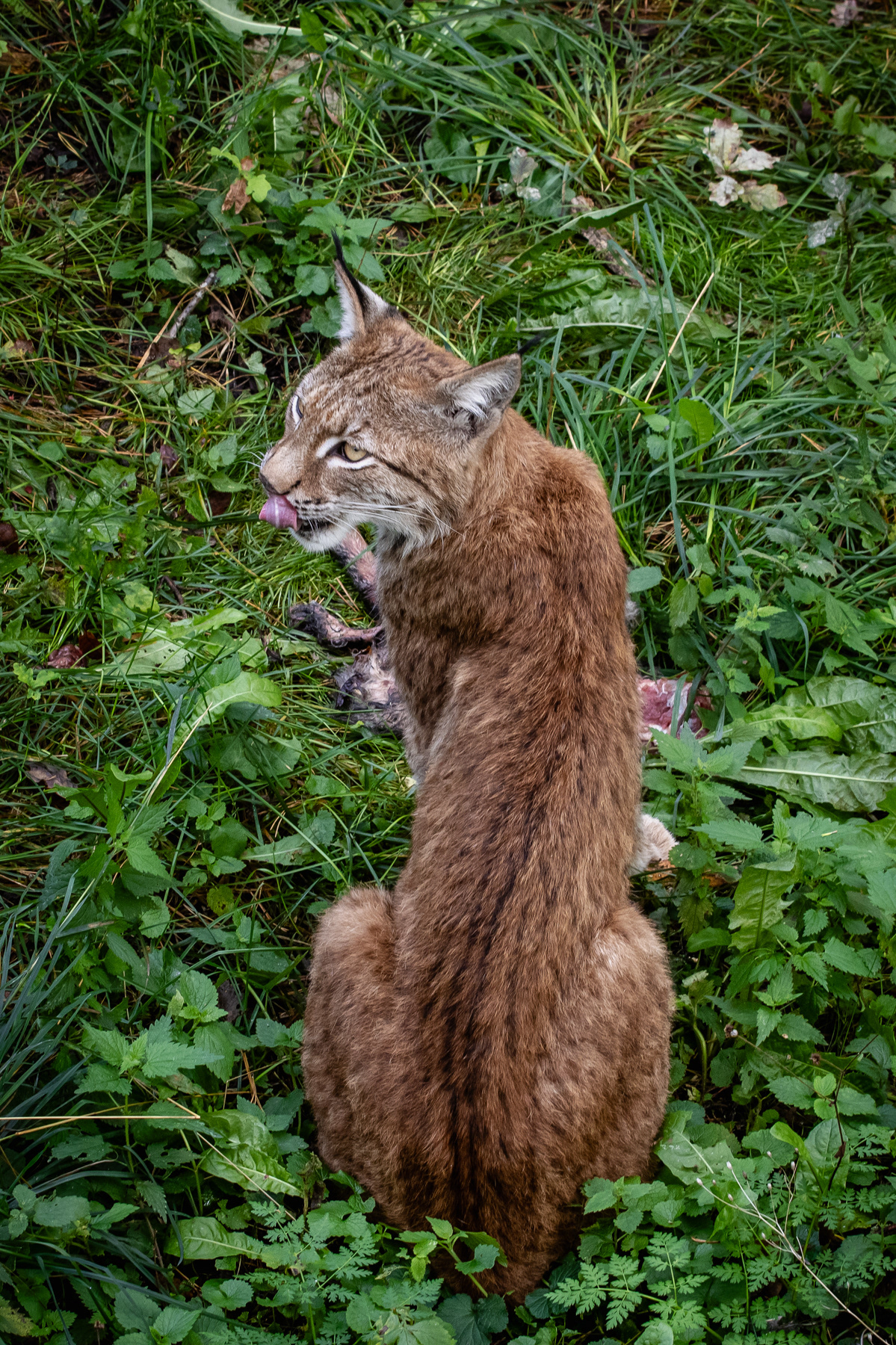
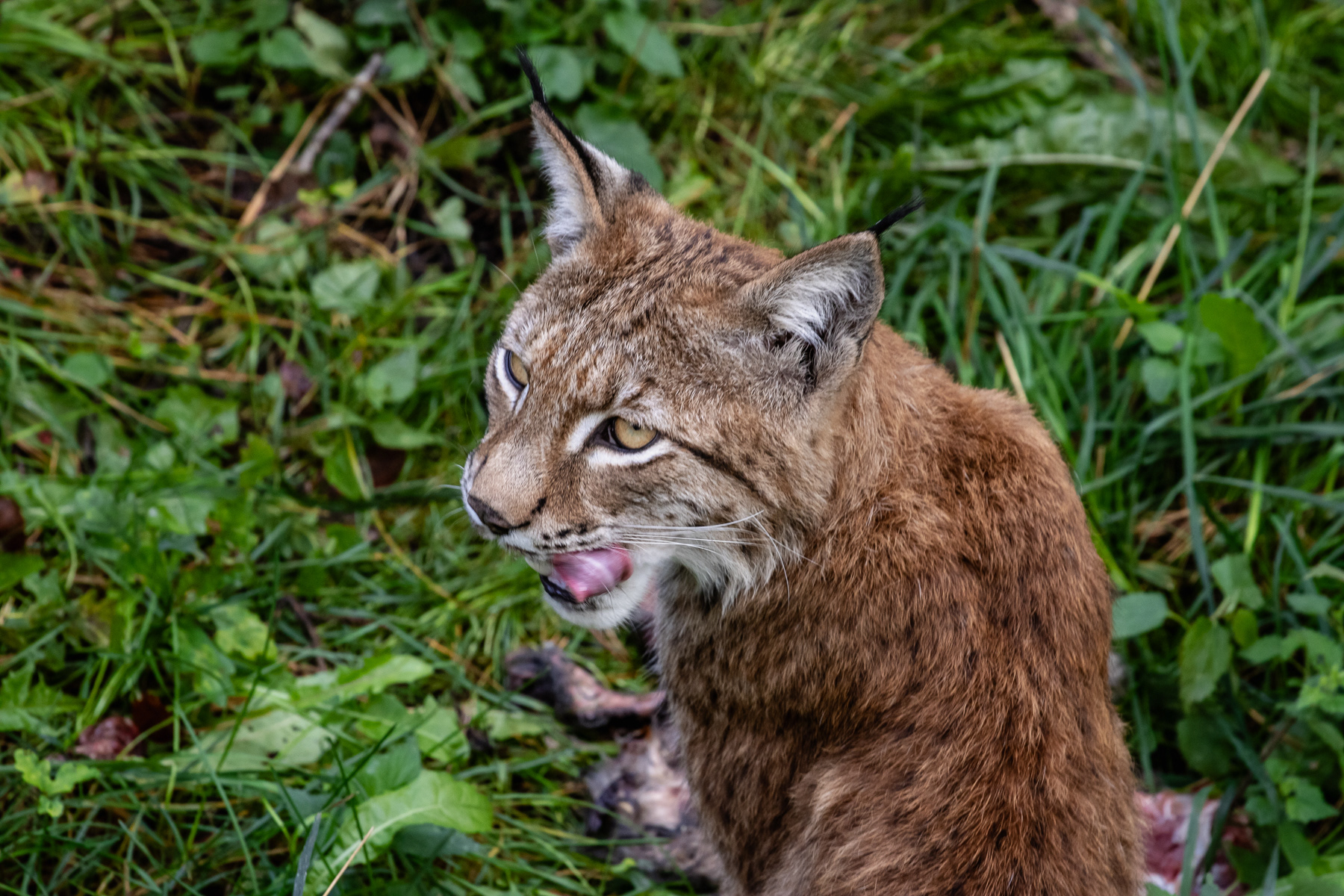
The older lynx enjoying a meal.
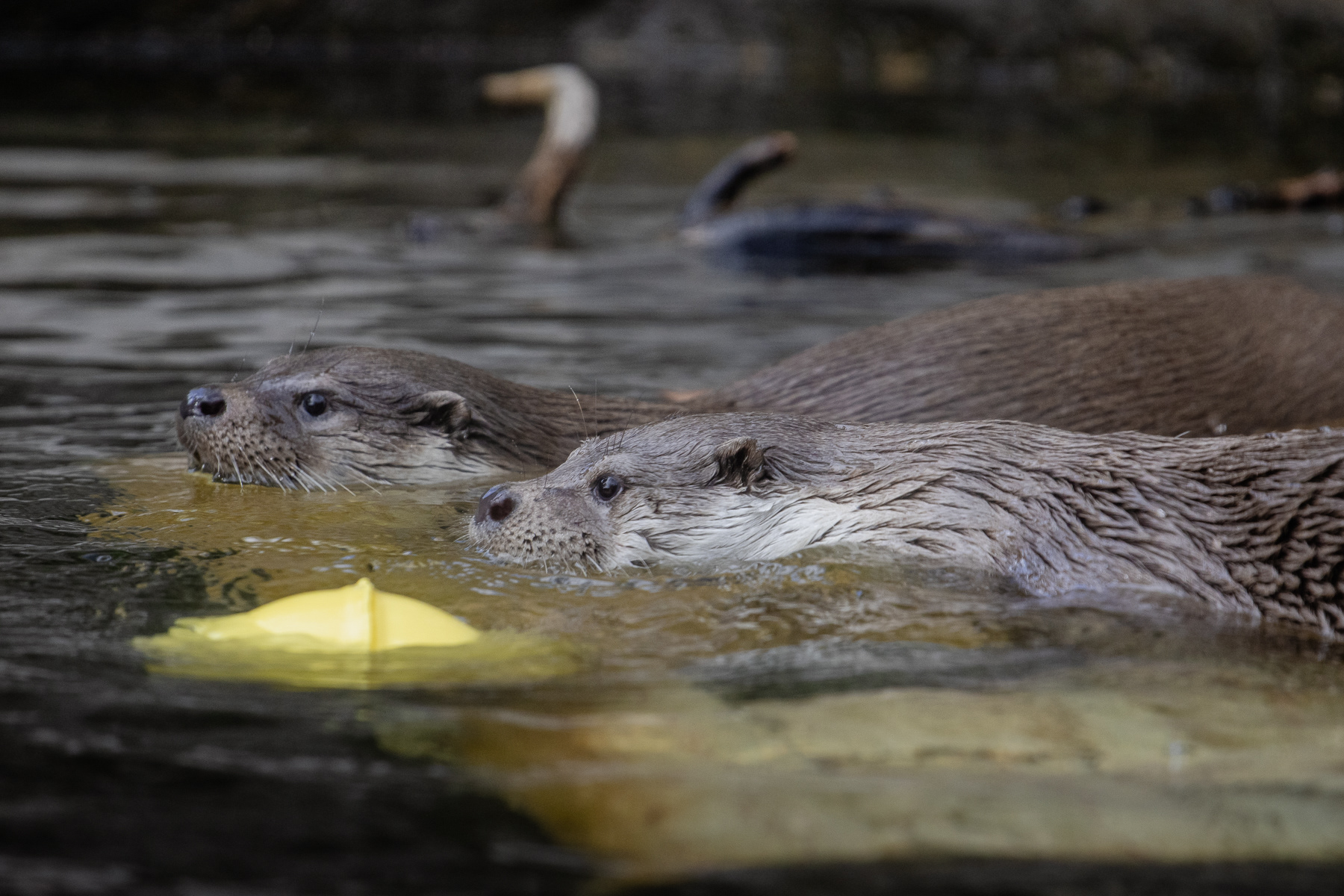
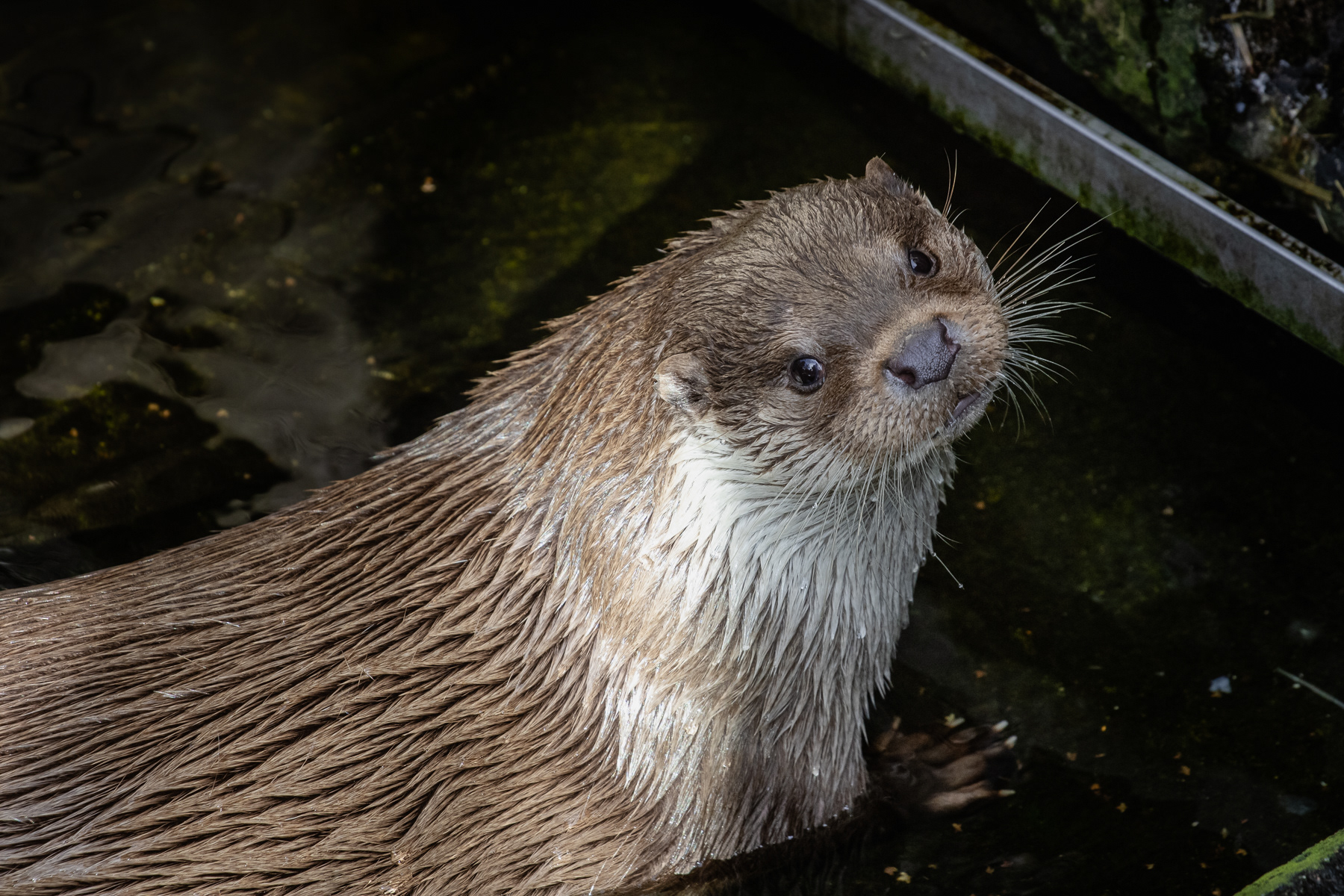
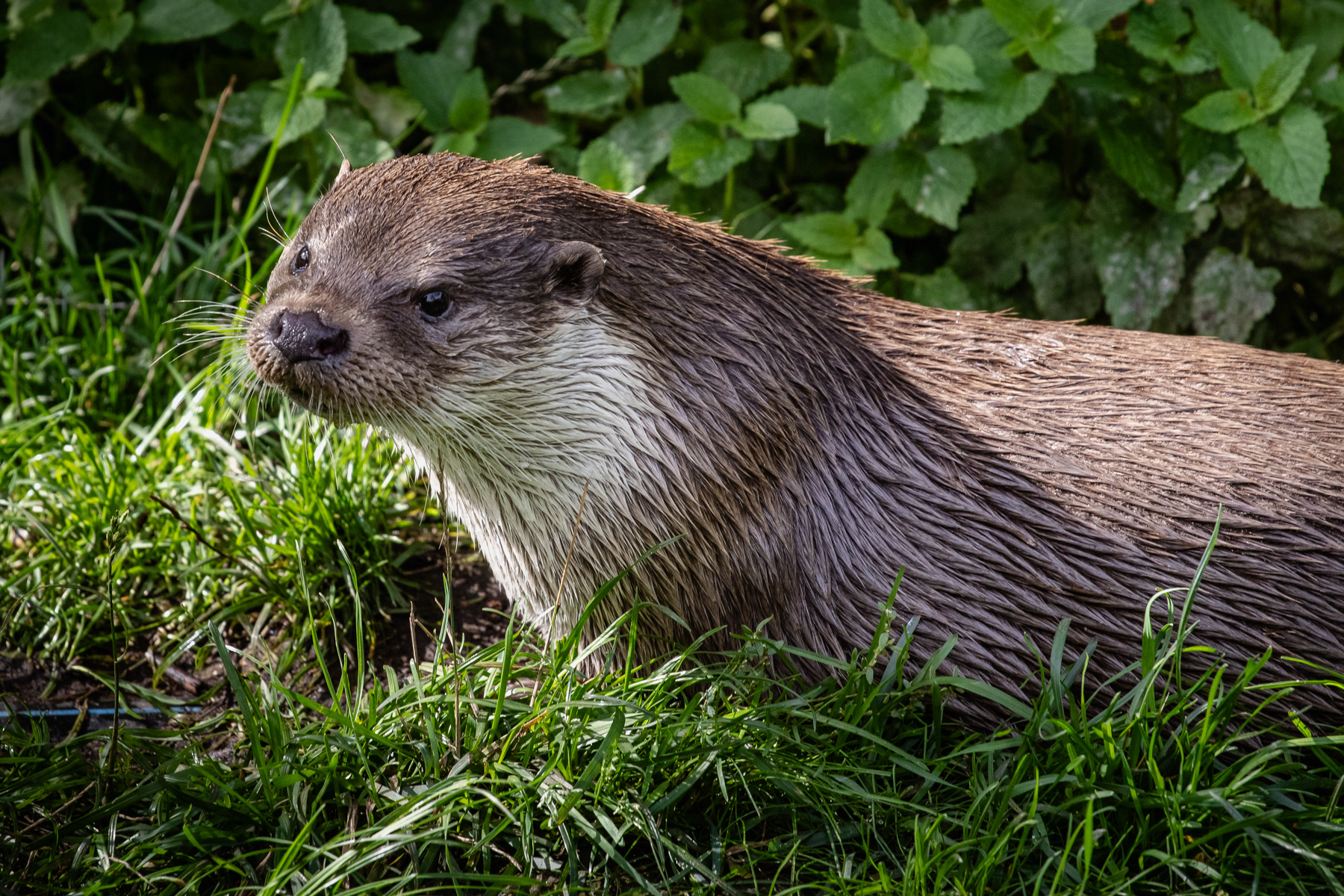
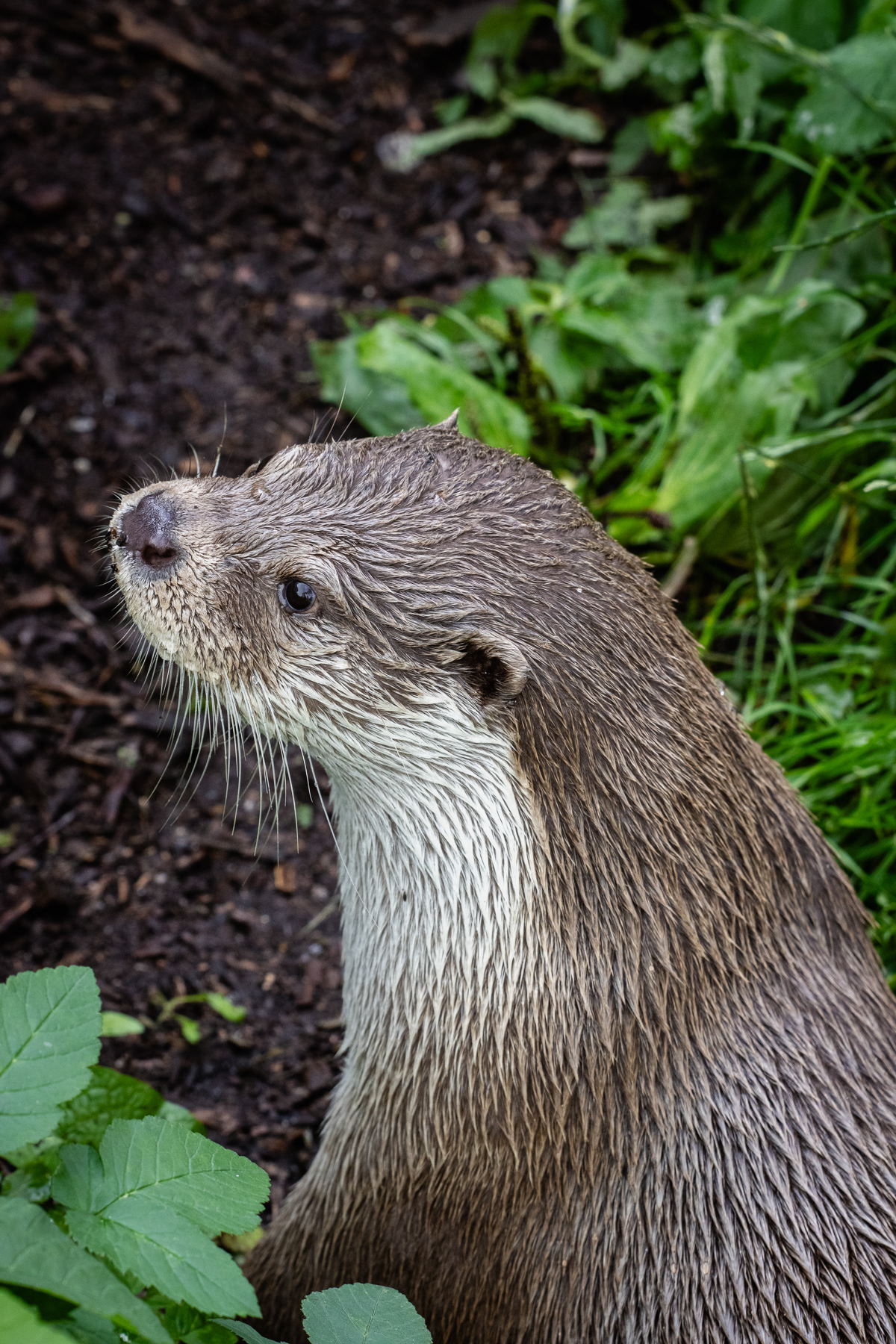
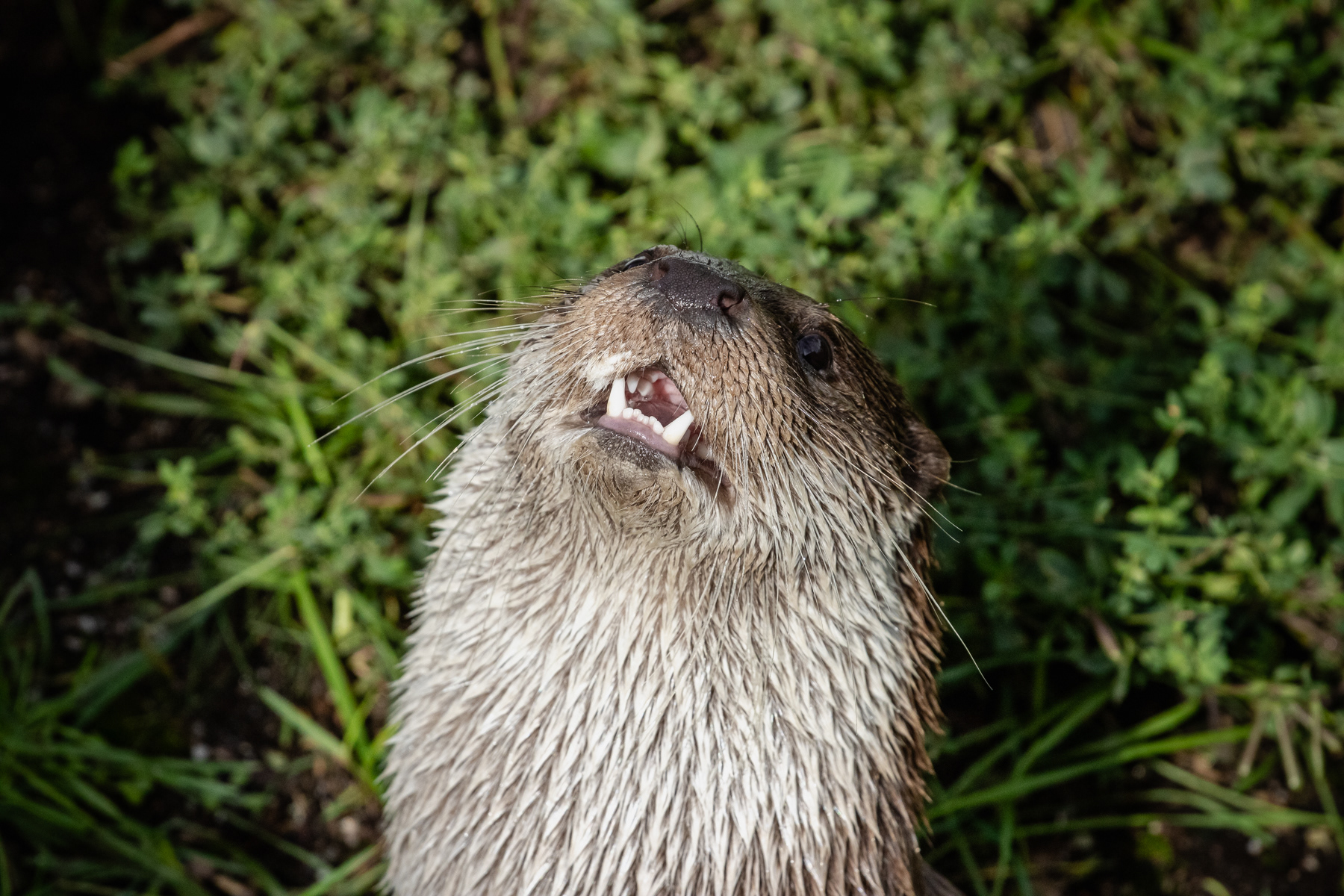
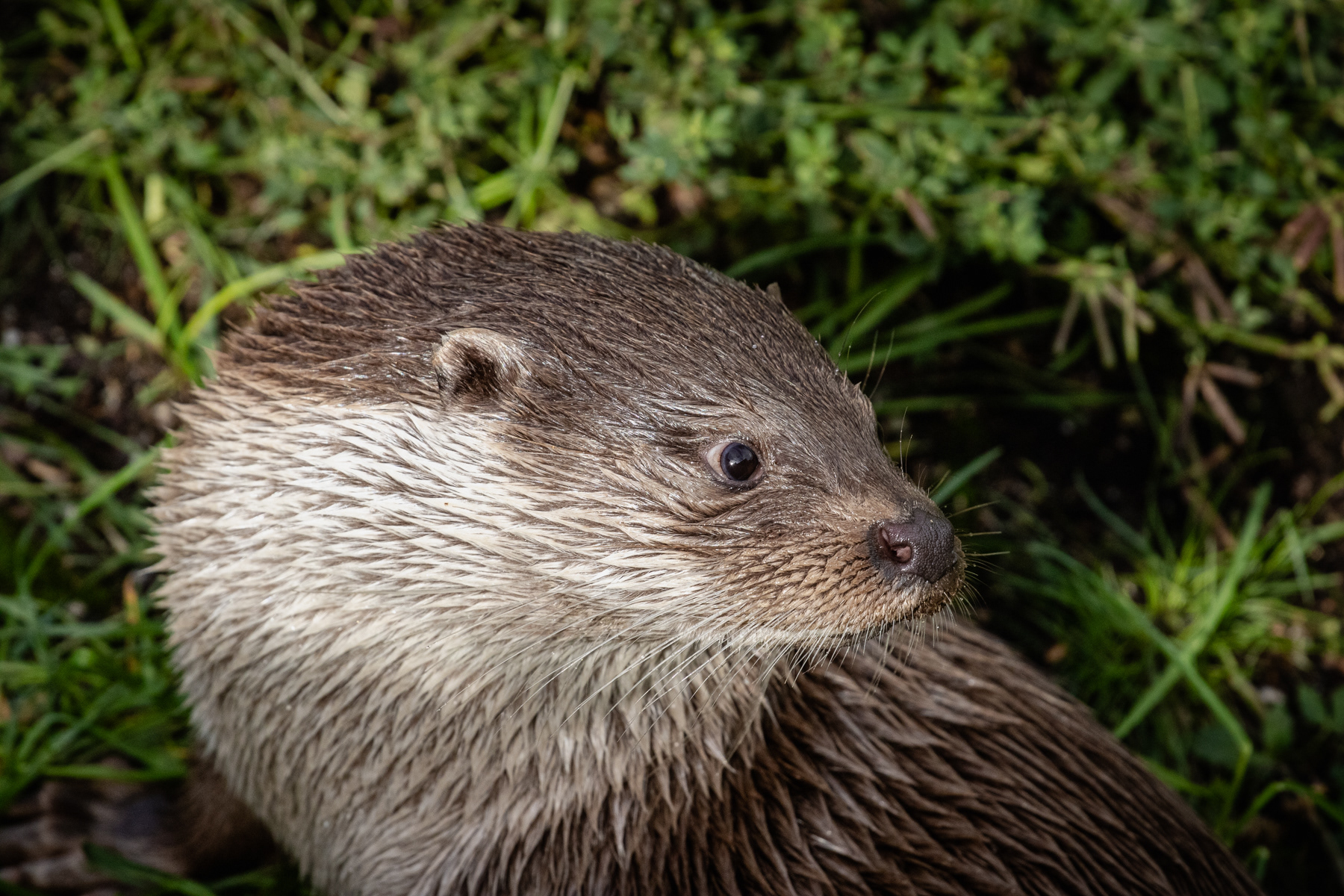
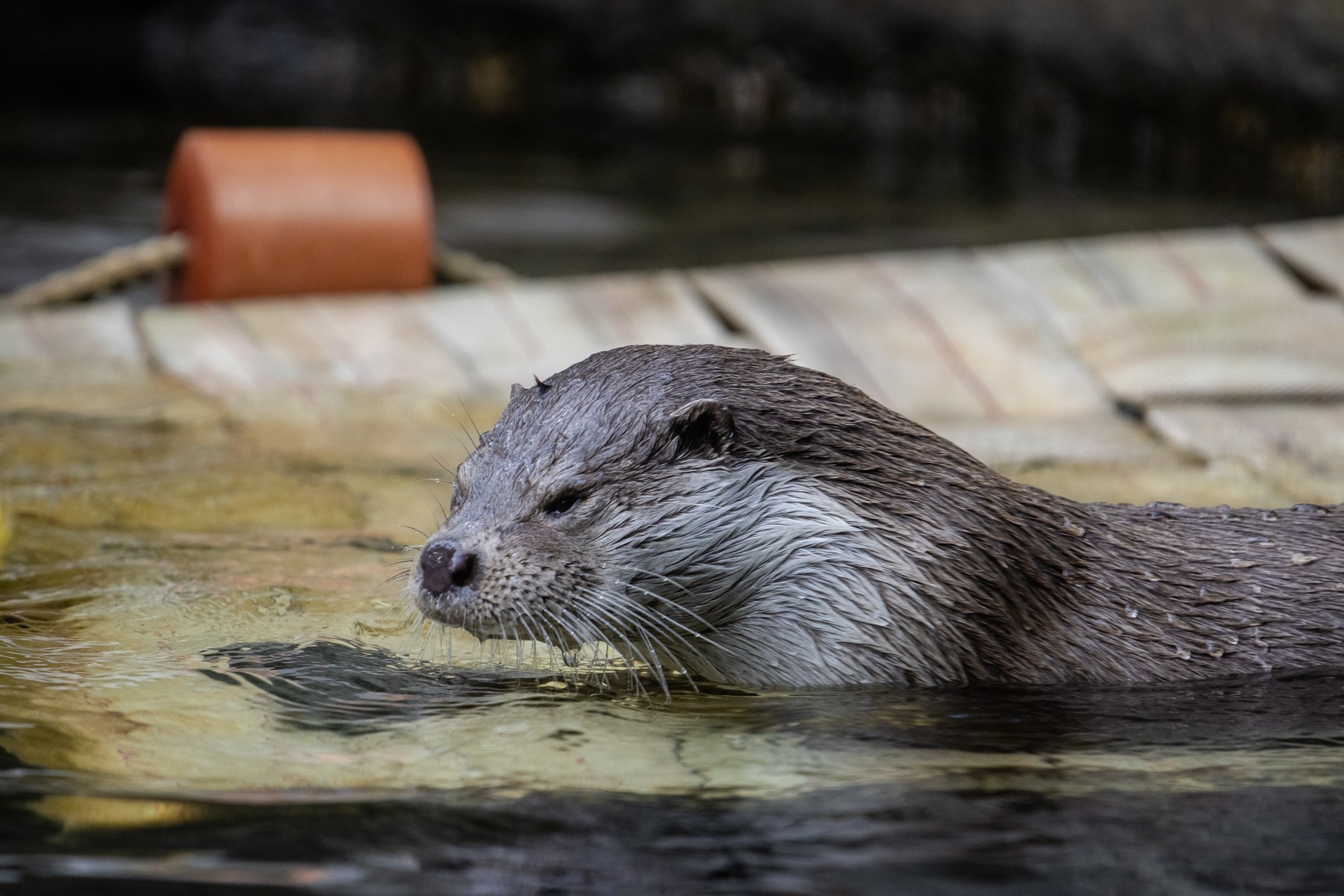
Concluding with a series of the otters.