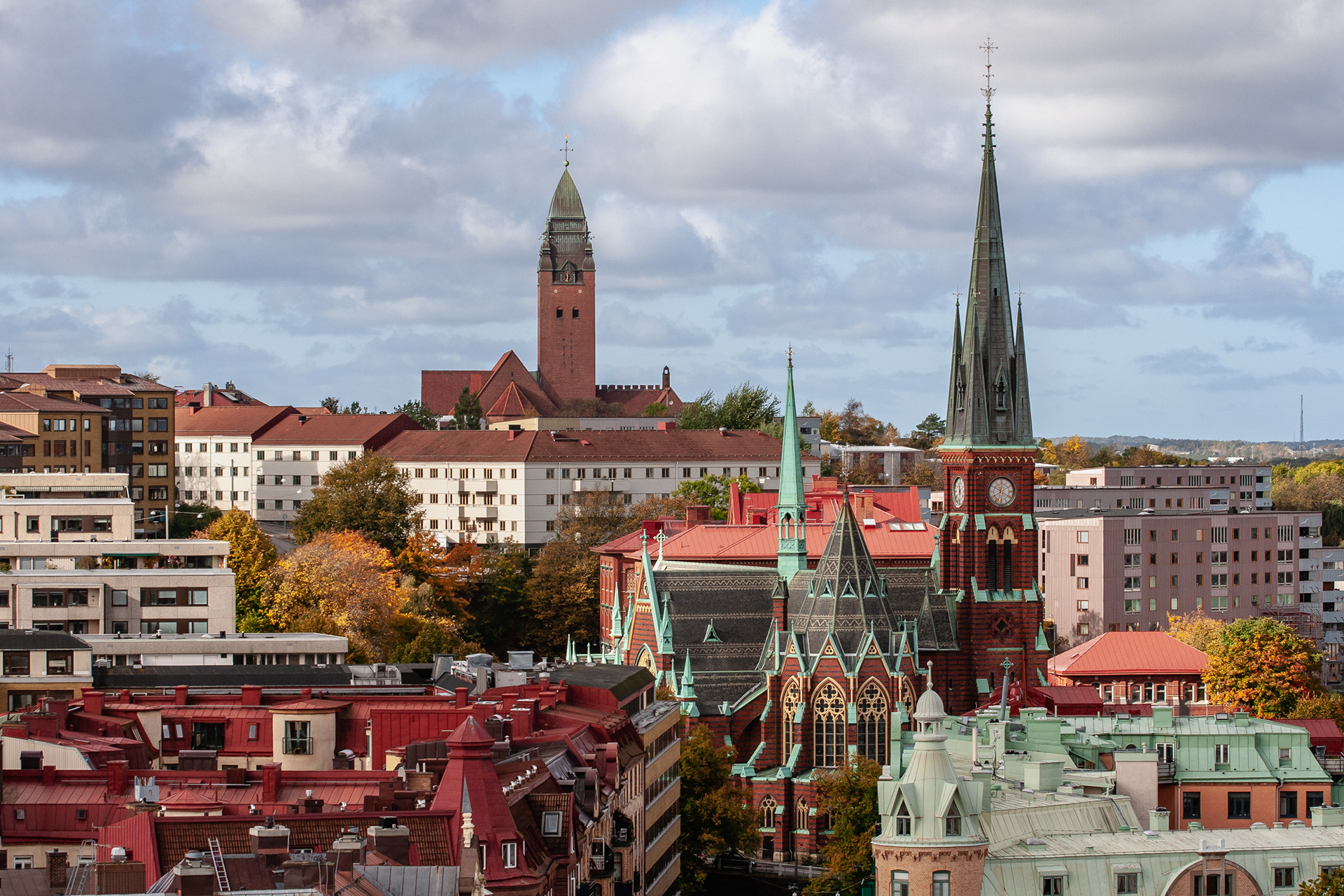
View from Skansen Kronan, Göteborg, Sweden, October 2012.
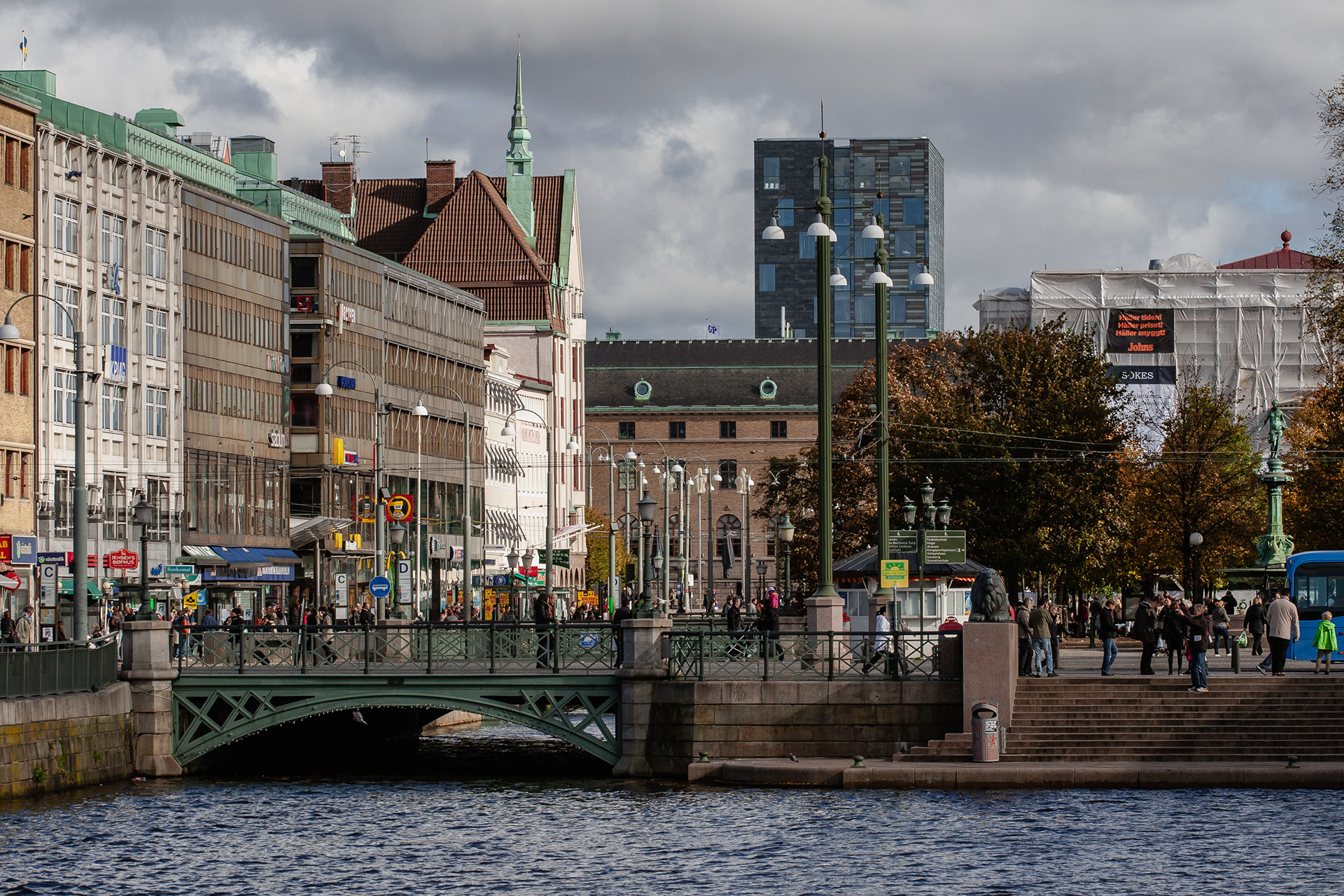
Lejontrappen, Fontänbron and more, Göteborg, Sweden, October 2012.
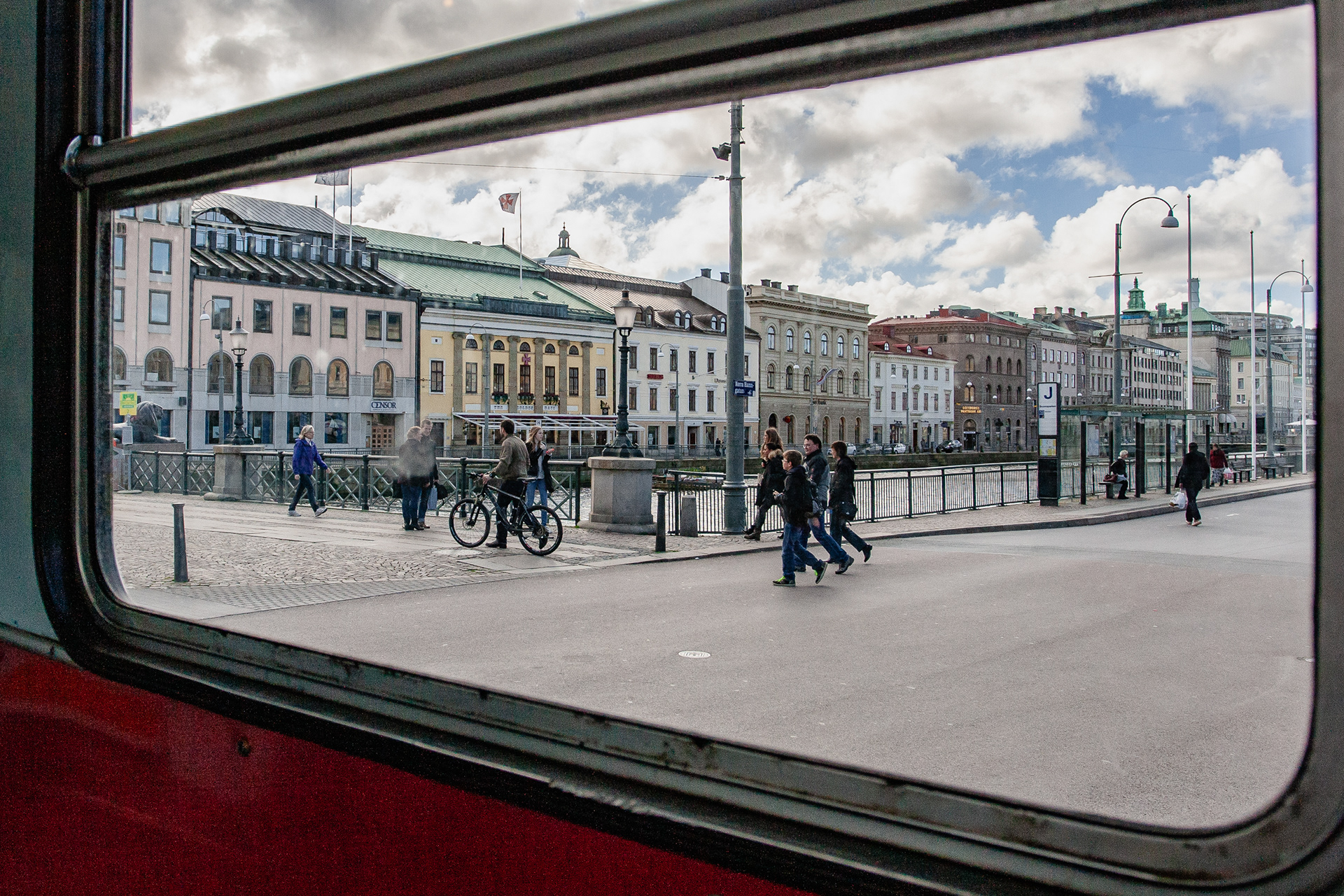
View from the tram at Stora Hamnkanalen, Göteborg, Sweden, October 2012.
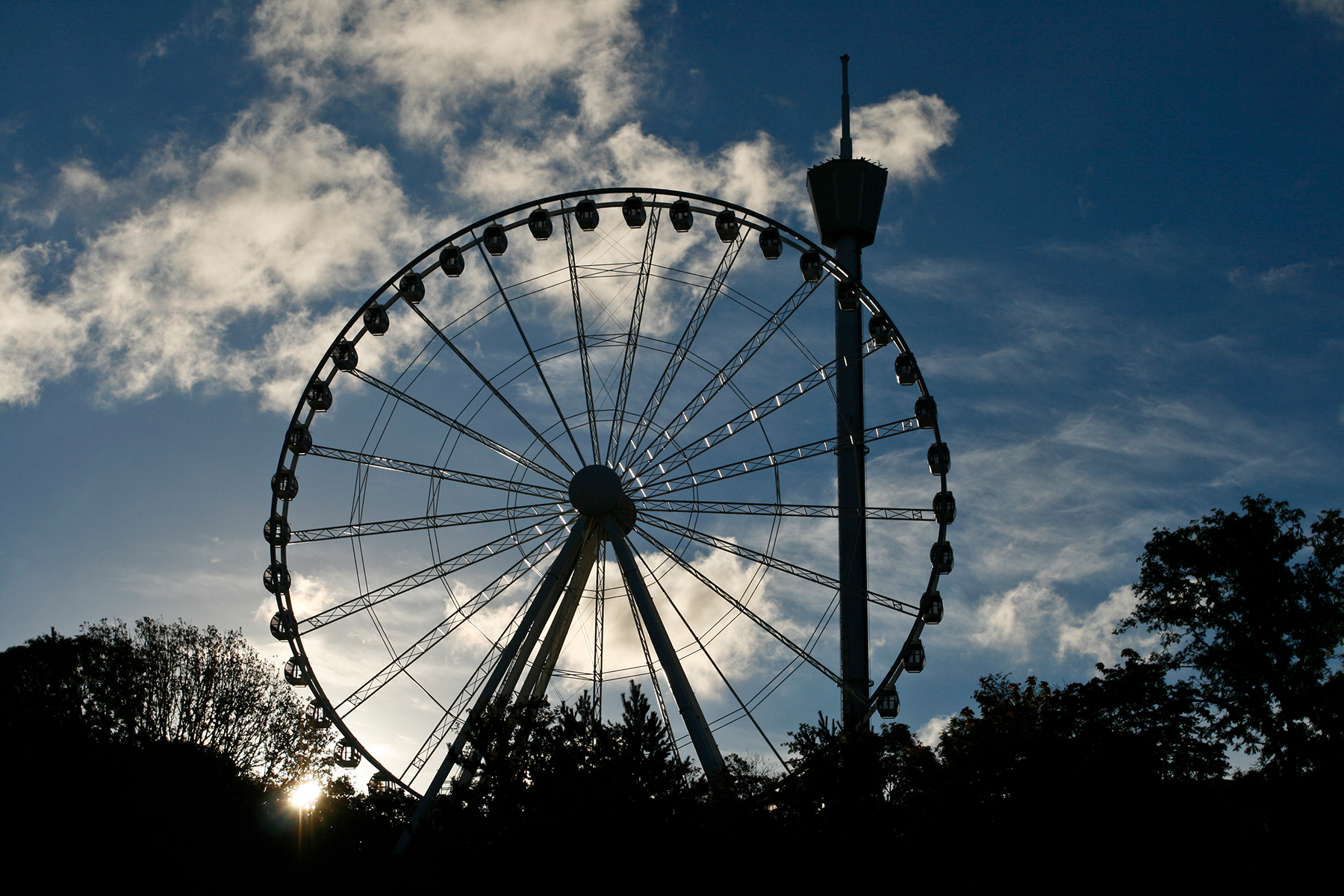
The ferris wheel and the Liseberg tower, Gothenburg, October 2012
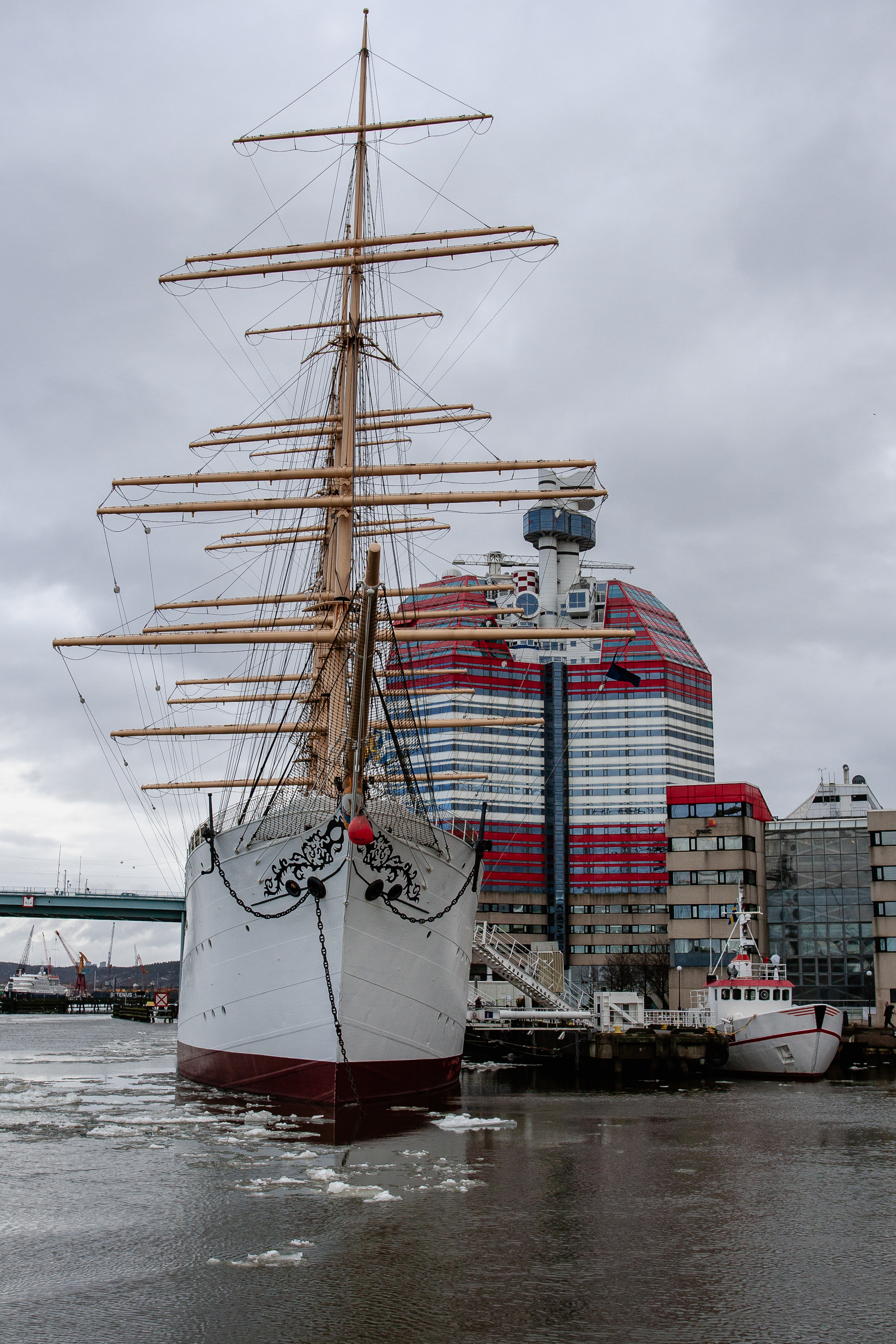
Winter day with the ship Barken Viking and Lipstickan (The Lipstick), February 2012
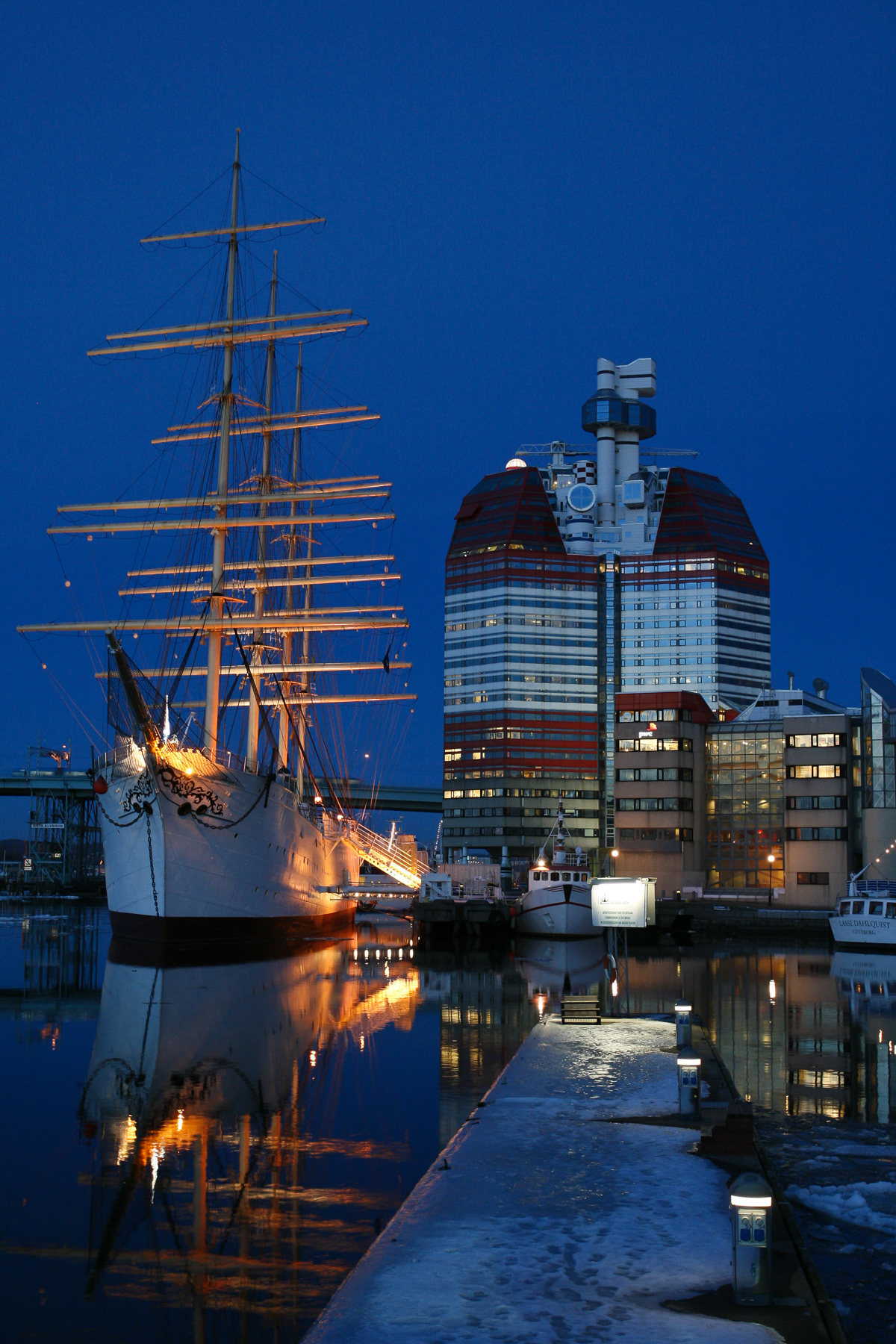
Evening the ship Barken Viking and Lipstickan (The Lipstick), February 2012
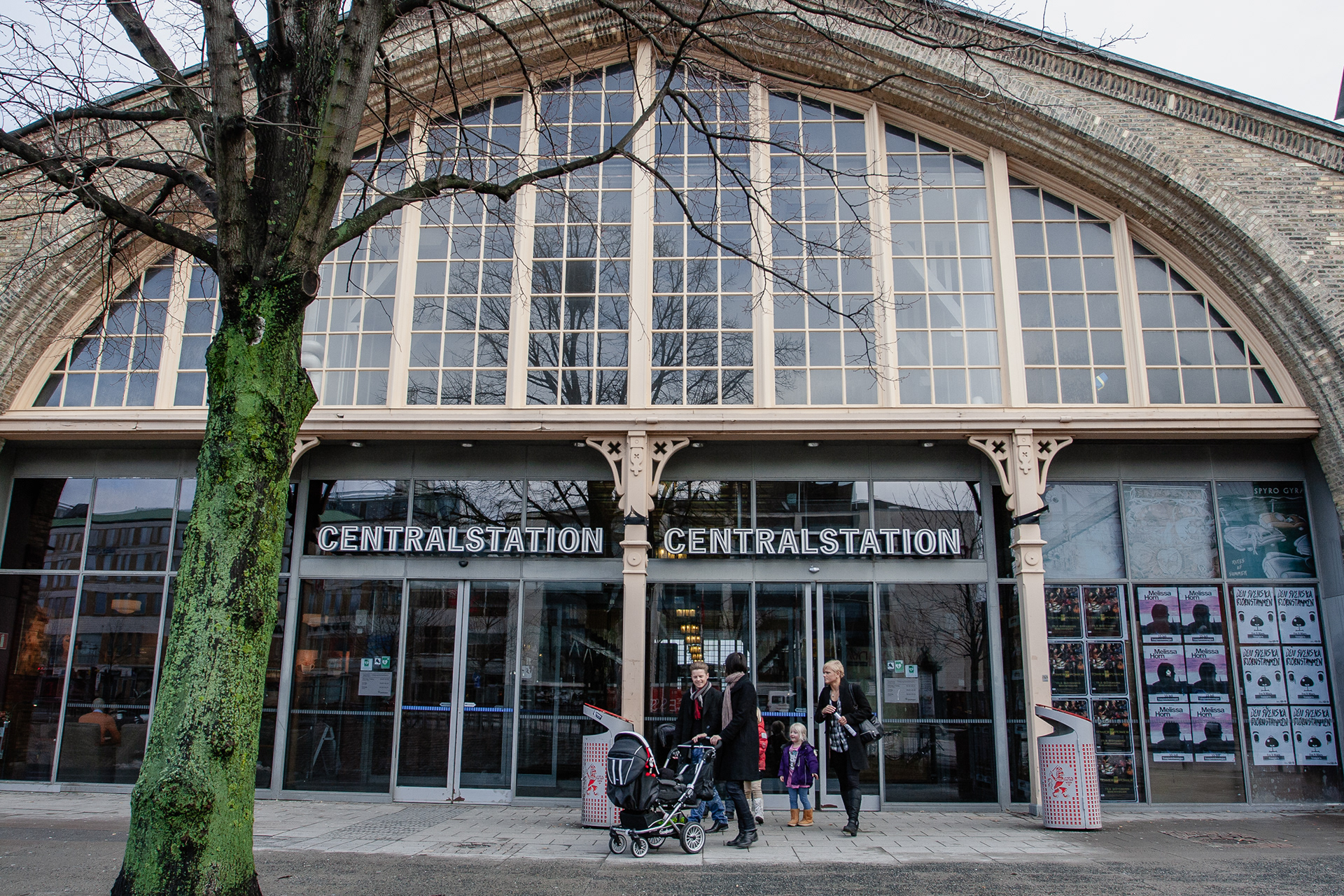
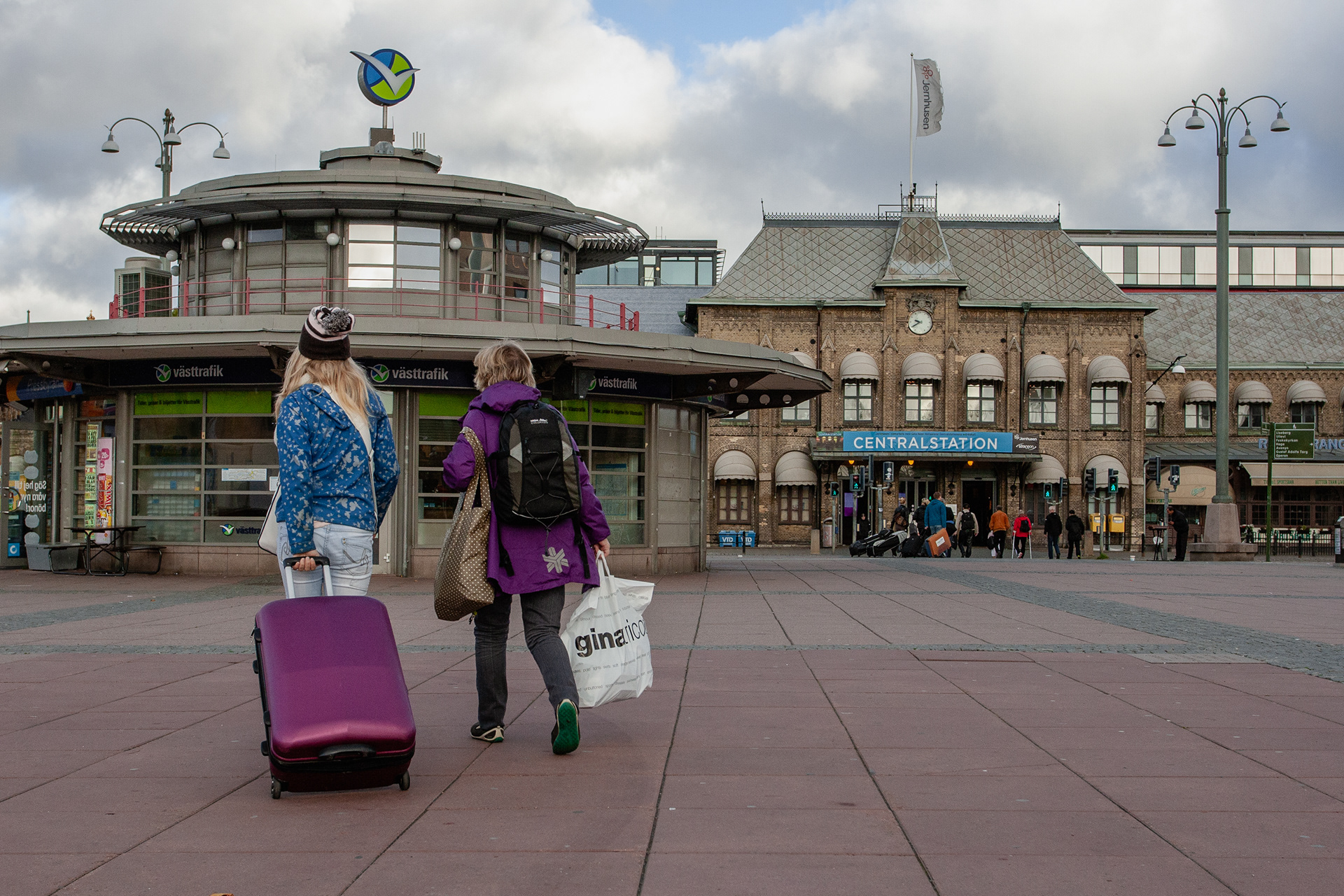
Gothenburg Central Station is the oldest Swedish railway station at which one could (dis)embark a train sheltered by a roof, originally constructed in 1800. Photo taken October 2012.
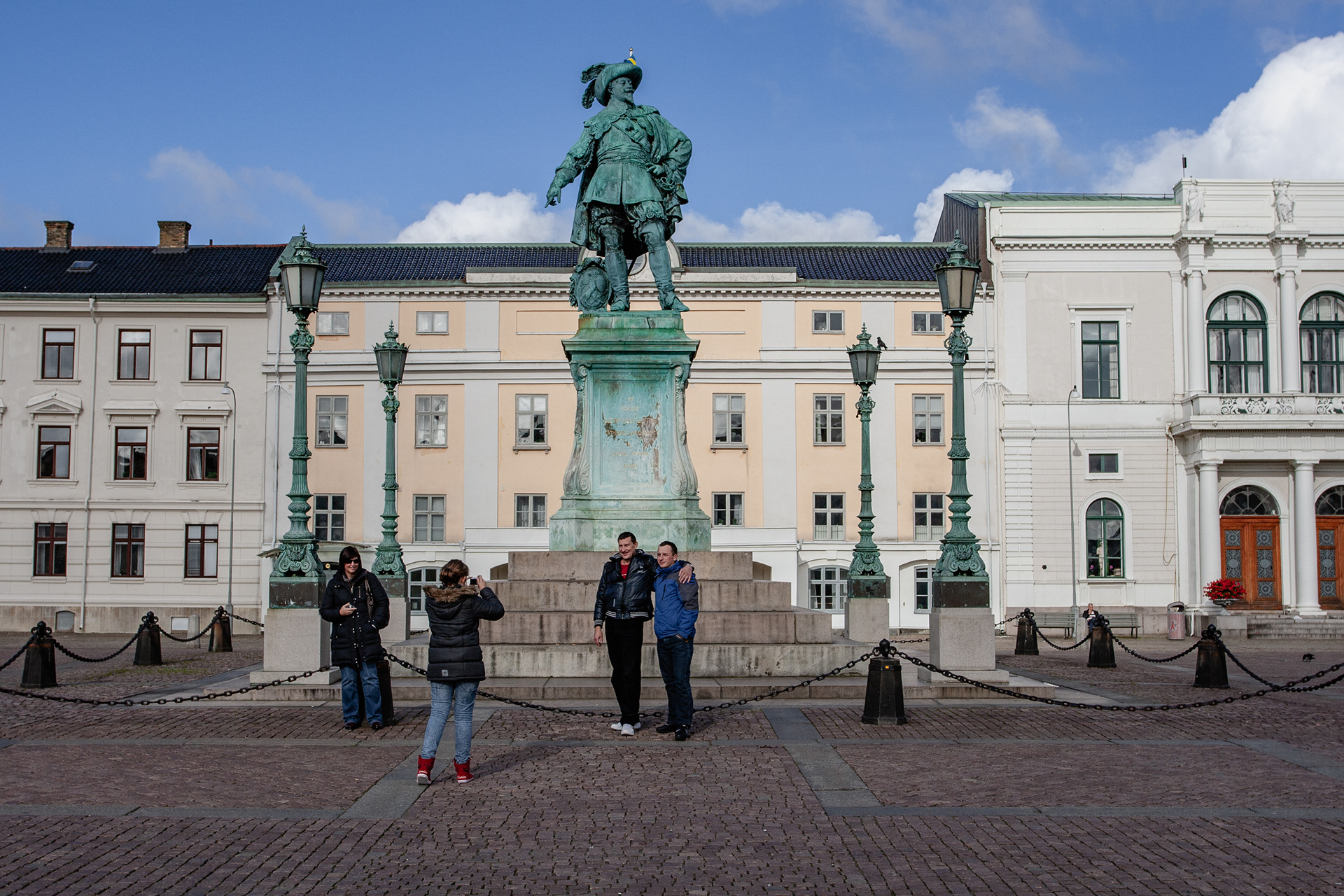
King Gustav II Adolf continues to watch over Gothenburg in bronze from what was formerly called Stora Torg. Gothenburg was built on his orders. Photo taken in October 2012.
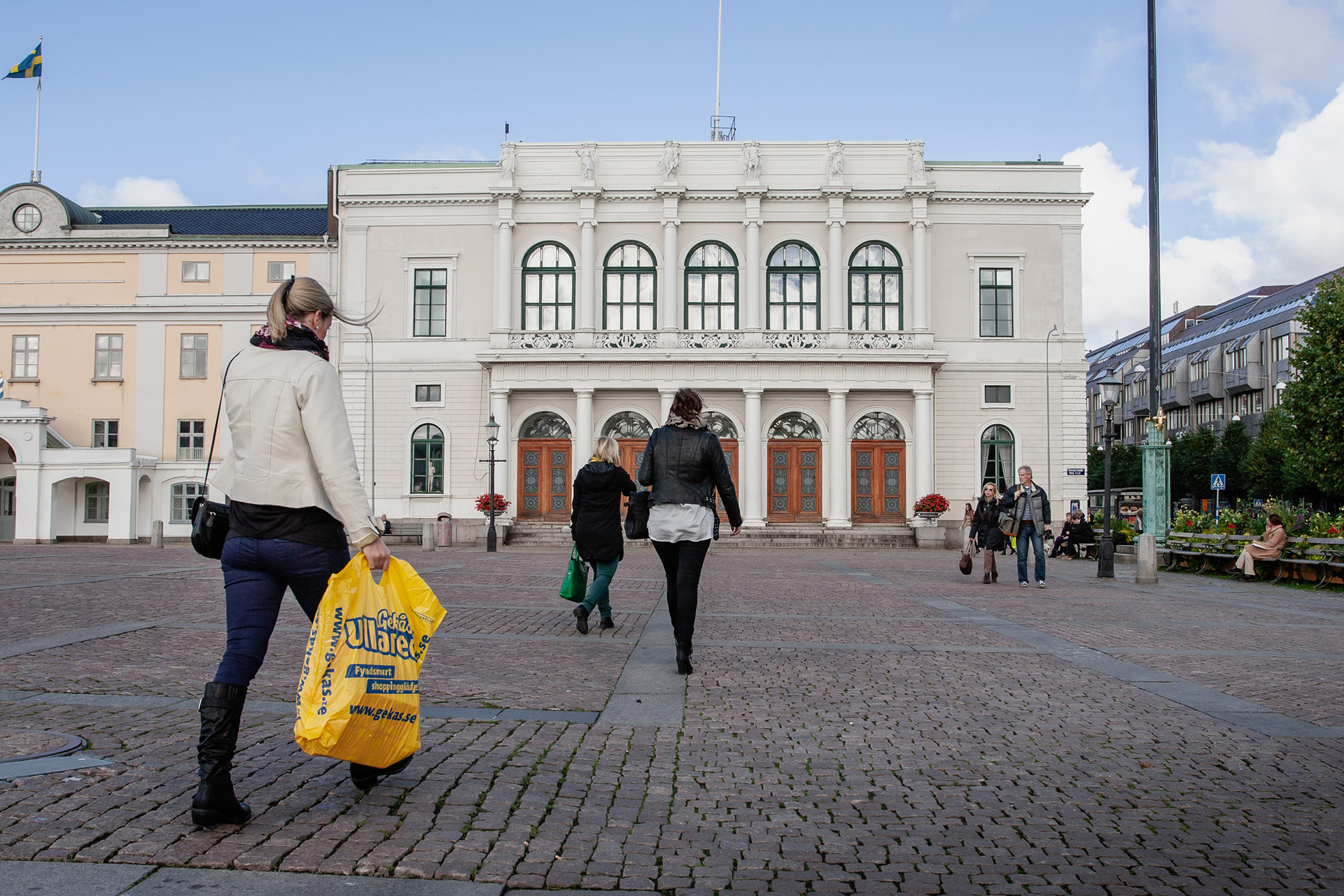
The white building on the corner with Östra Hamngatan is the old trad house, Börsen or Börshuset, and dates from 1849. Six sculptures symbolising Gothenburg adorn the facade: craftsmanship, happiness, trade, shipping, wealth, and industry. Photo taken in October 2012.
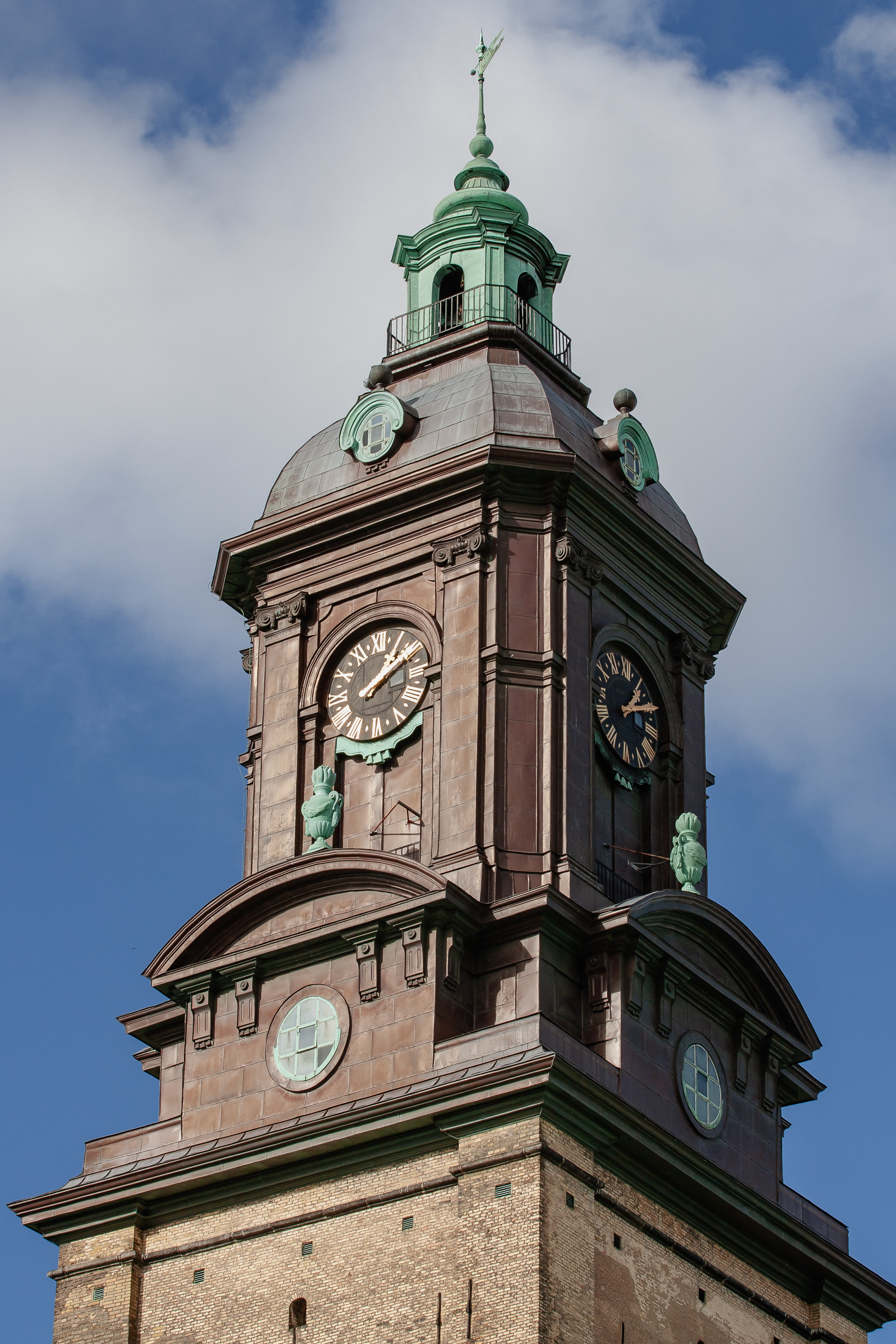
Tower of the Christinae Kyrka, 'the German church'. It was founded in 1623 by German immigrants that flocked to Gothenburg.
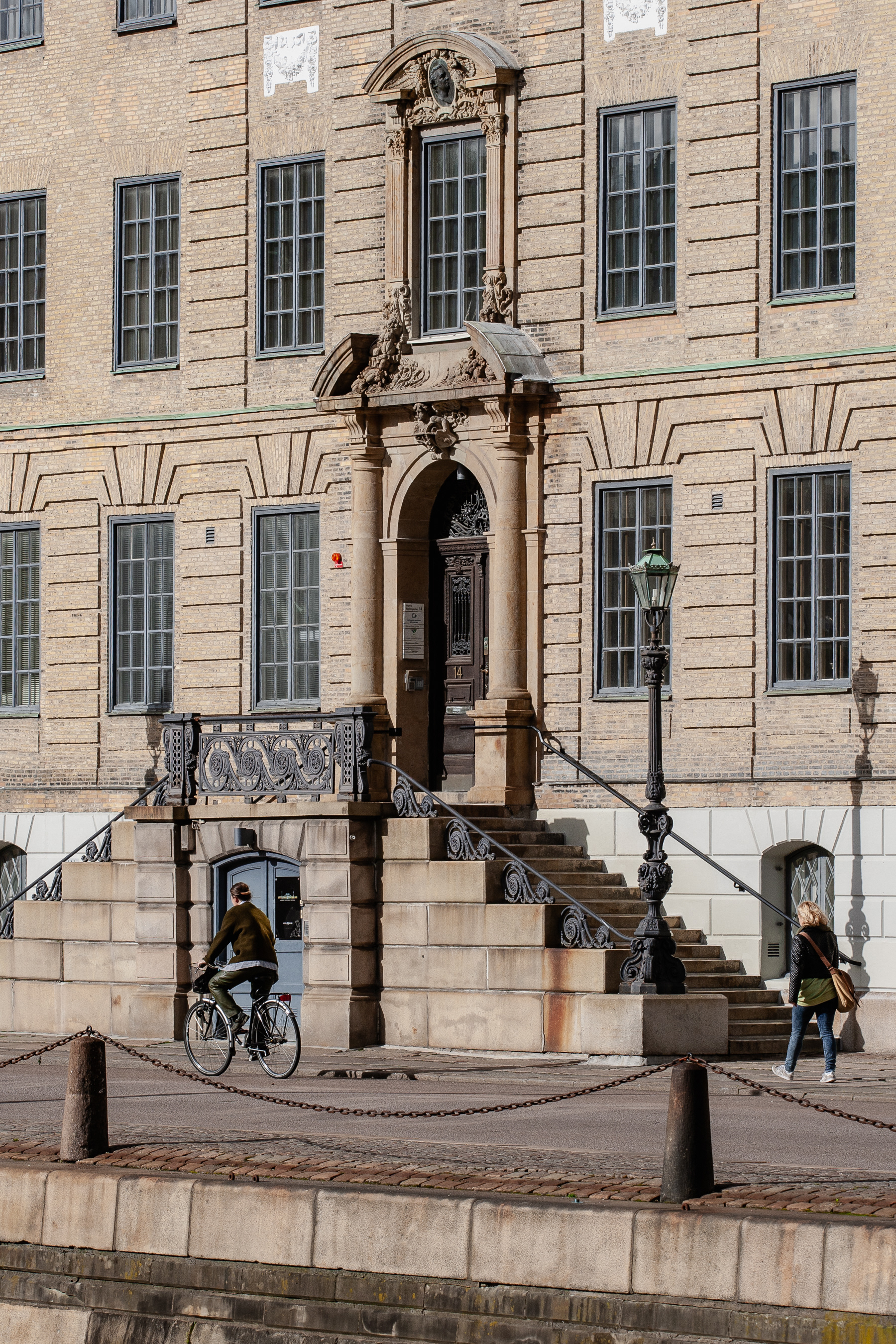
The Sahlgrenska Huset.
In addition to opera, the building also hosts dance, musical, and operetta performances.
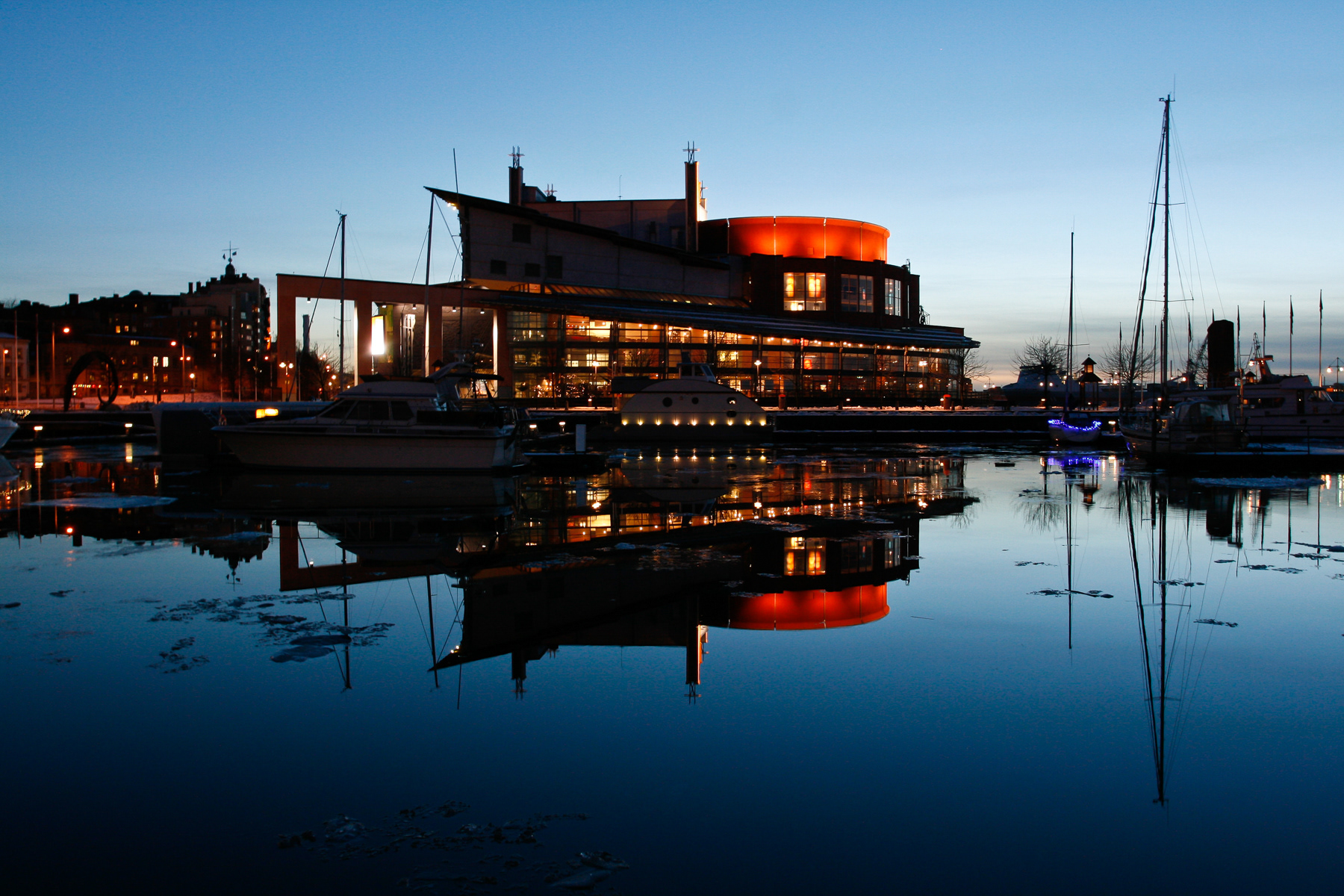
The Gothenburg Opera House, February 2012.
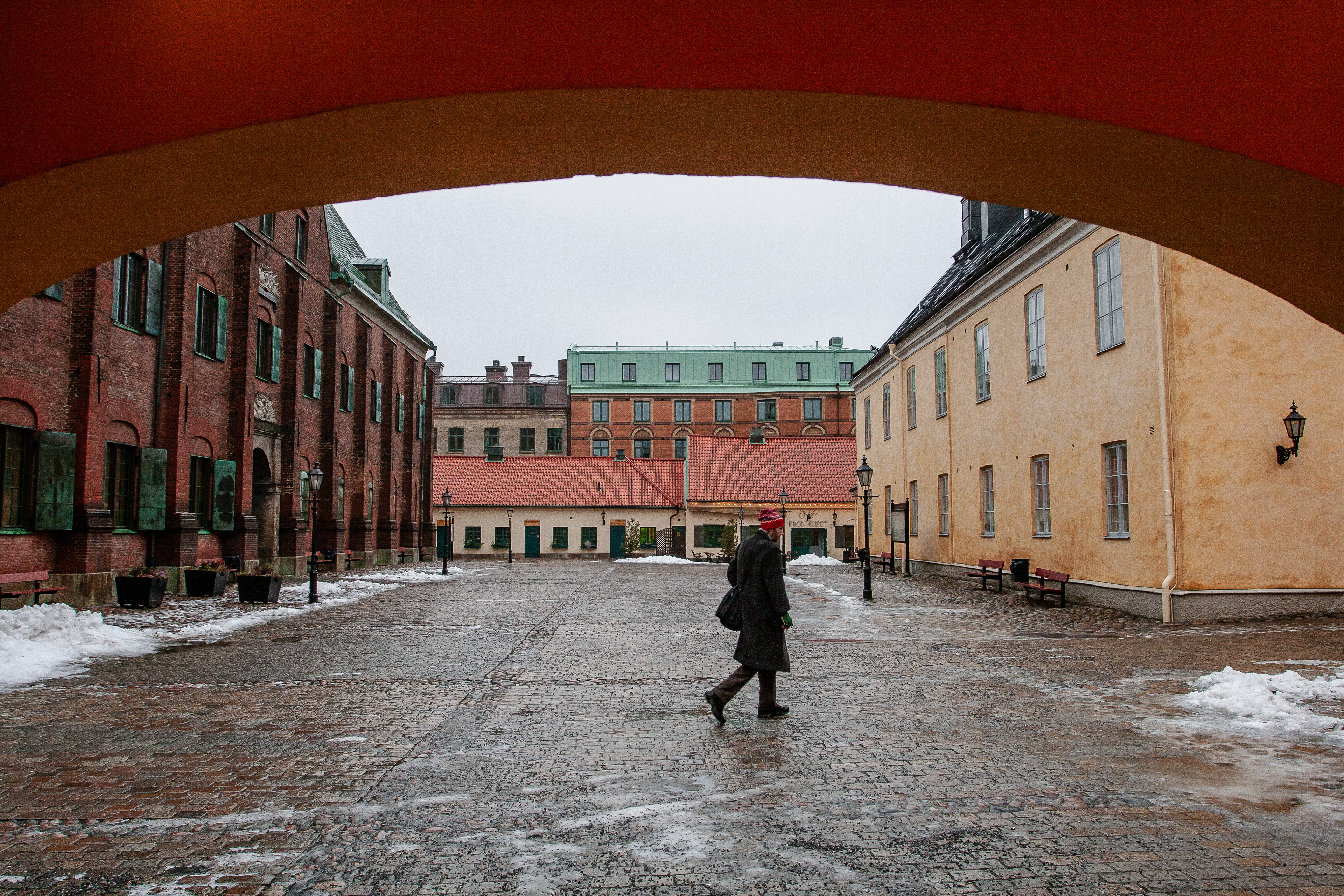
Kronhust on the left, February 2012.
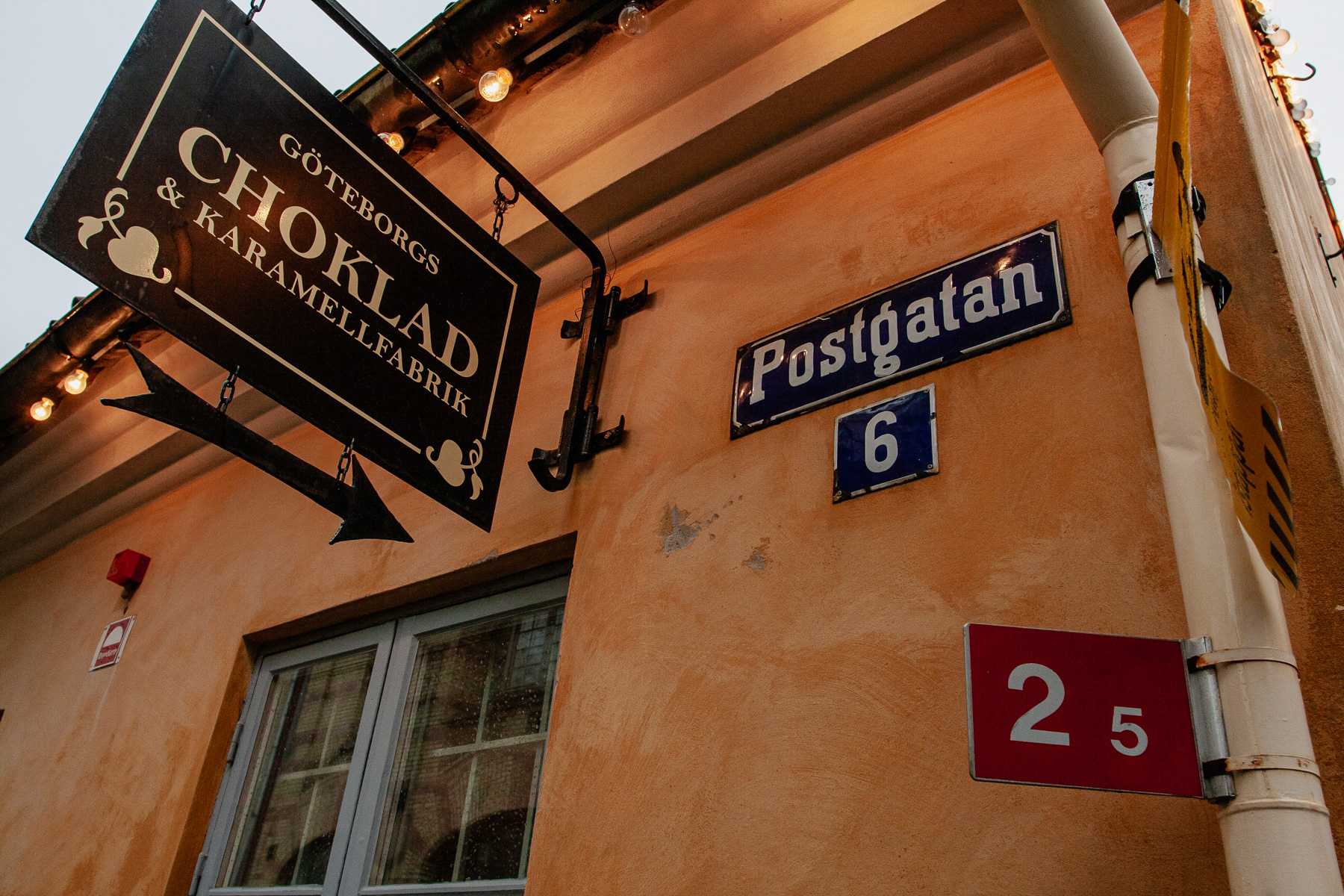
Chocolaterie in a nearby building.

Detail of the Kronhuset
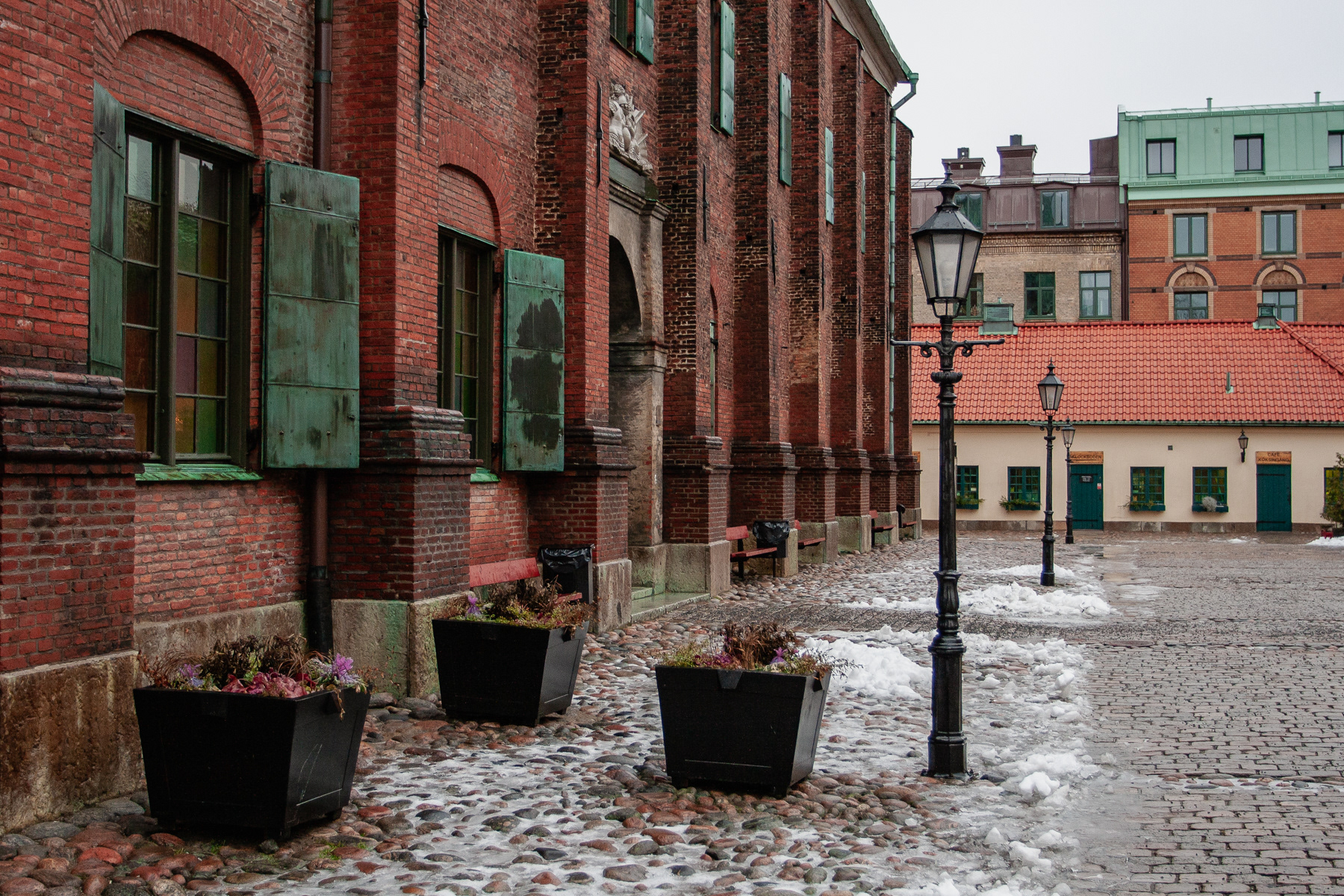
The Kronhuset
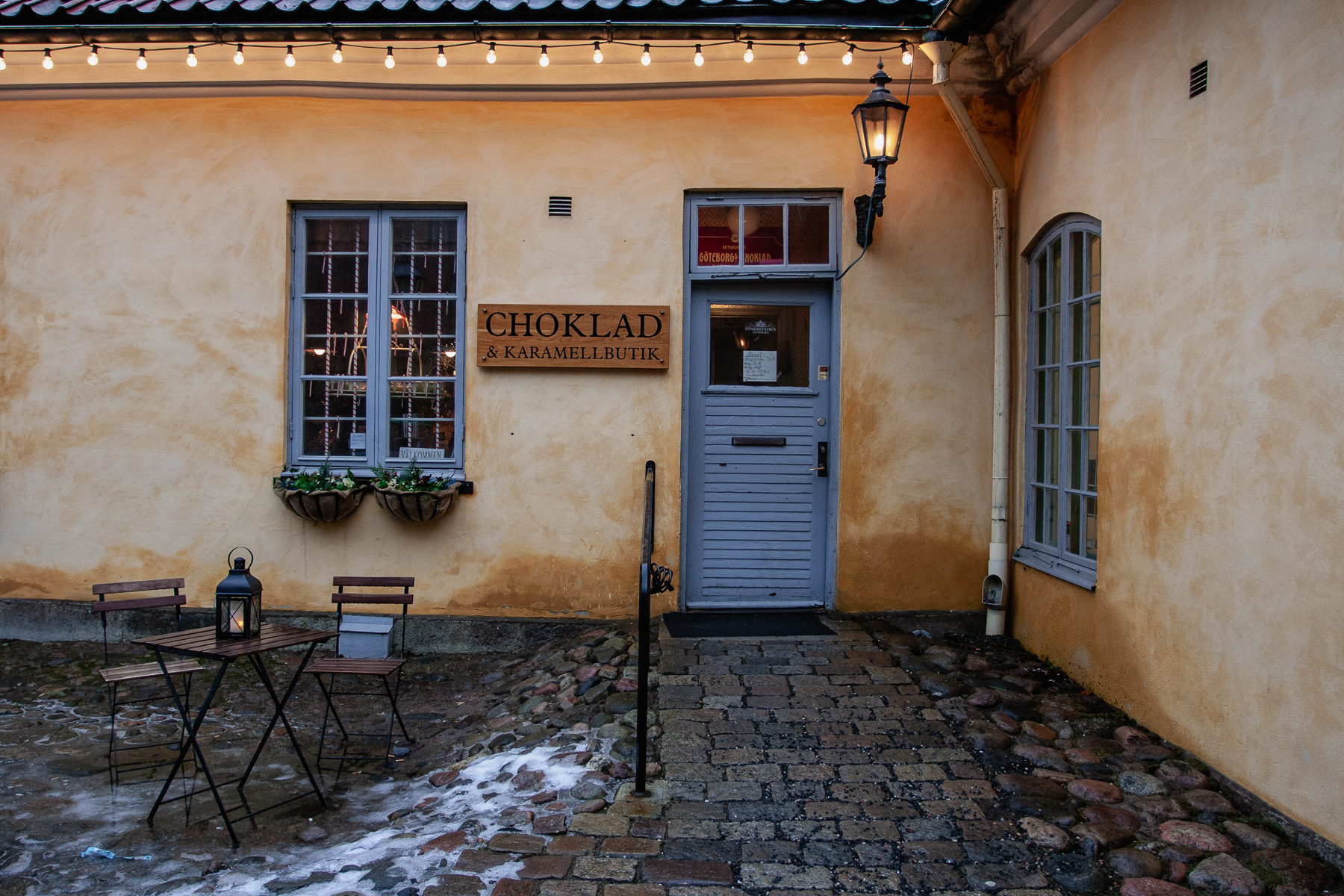
The nearby chocolate maker in February 2012.
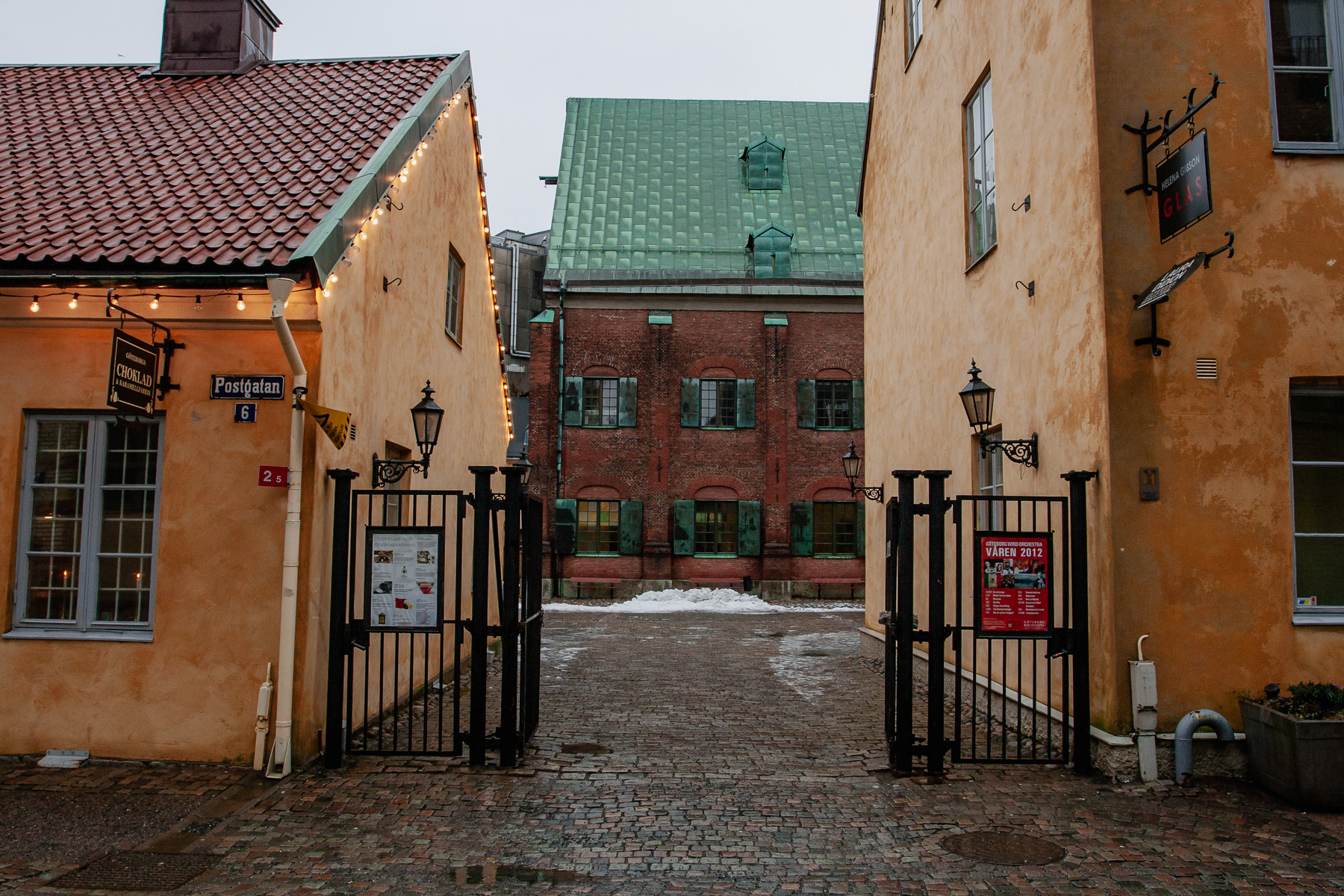
View at the Kronhuset, February 2012.
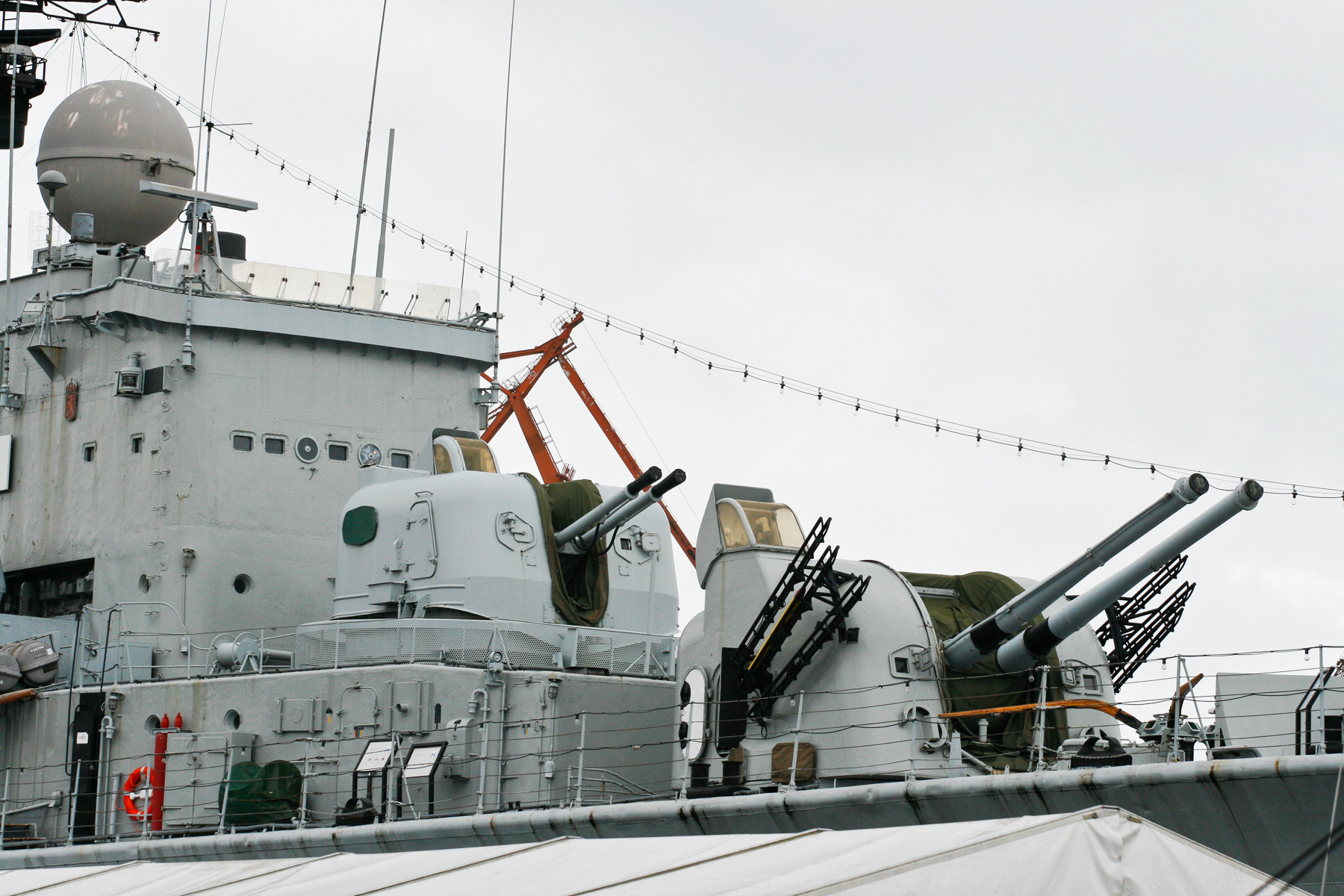
J19 Småland
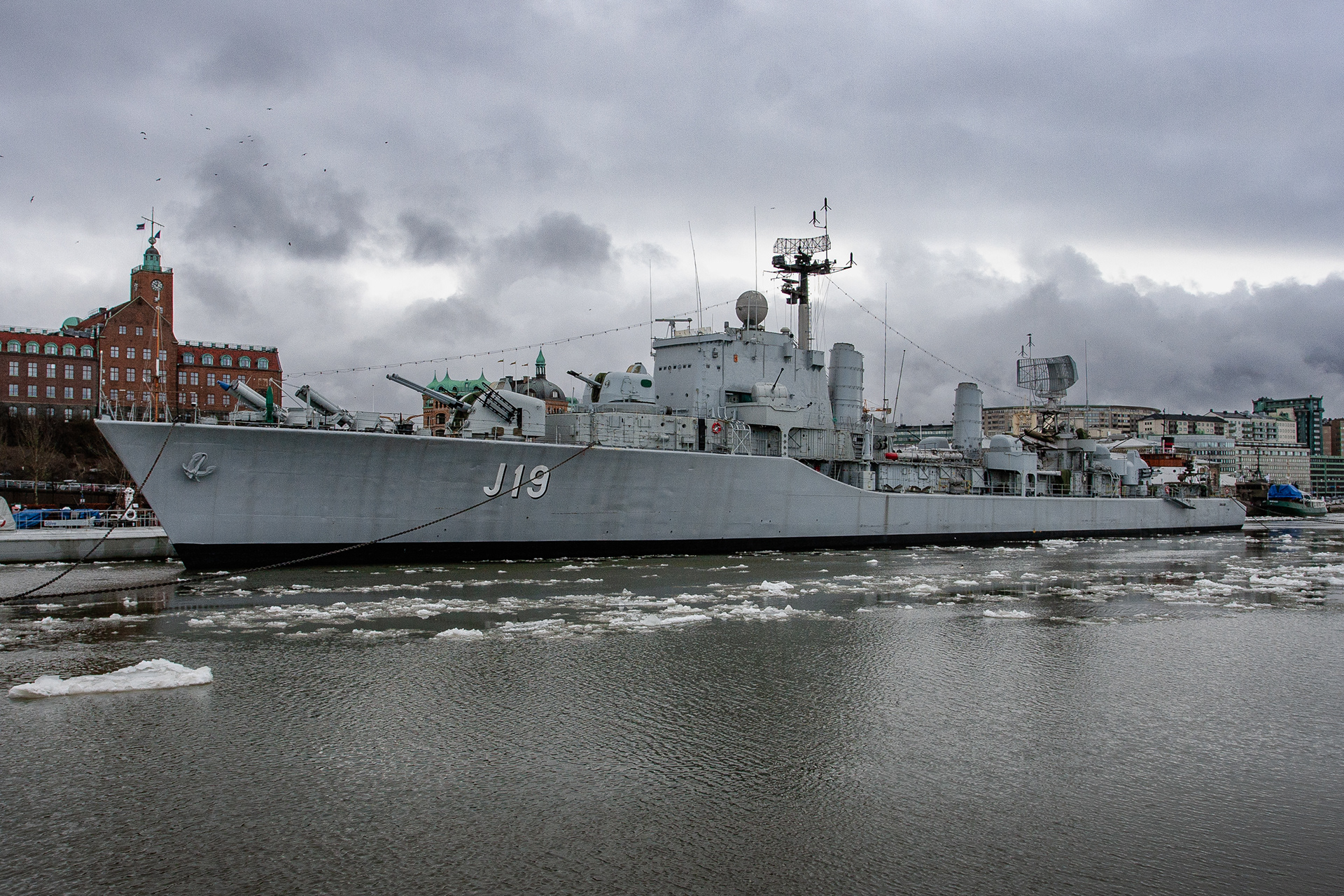
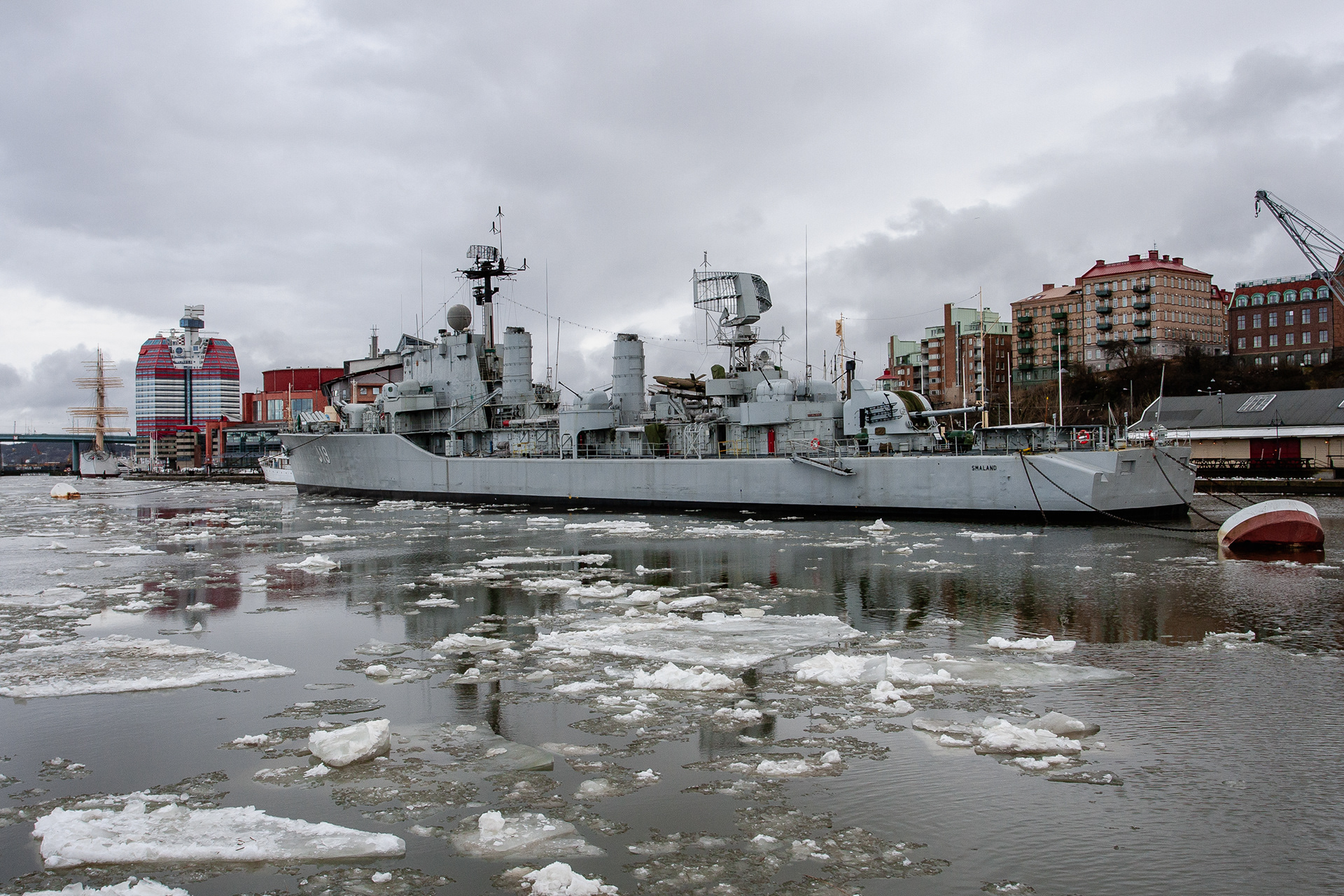
J19 Småland, and further to the left the sailing ship Barken Viking and the Lipstift tower, February 2012.
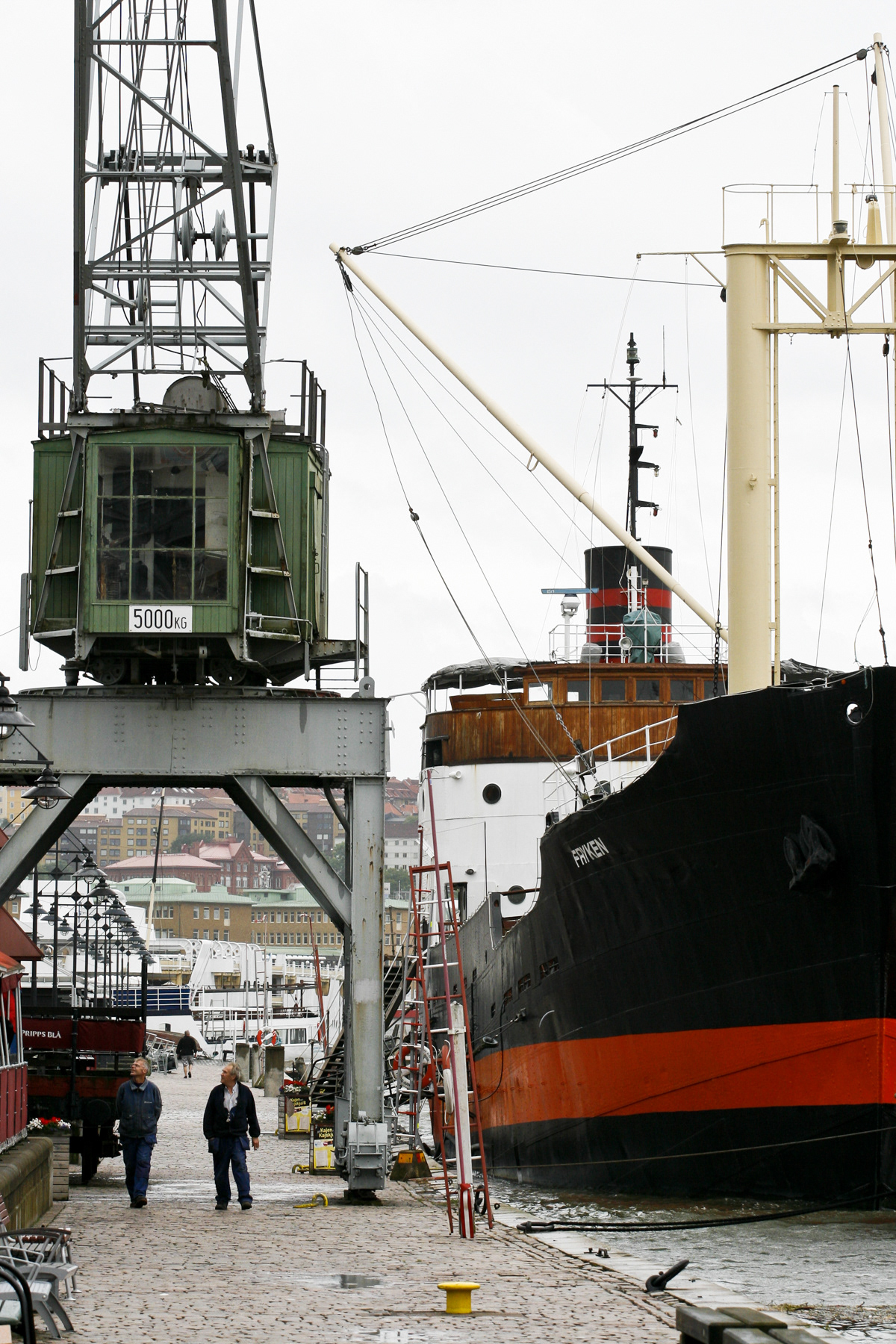
The cargo ship Fryken and an historic harbour crane, Maritiman, July 2009.
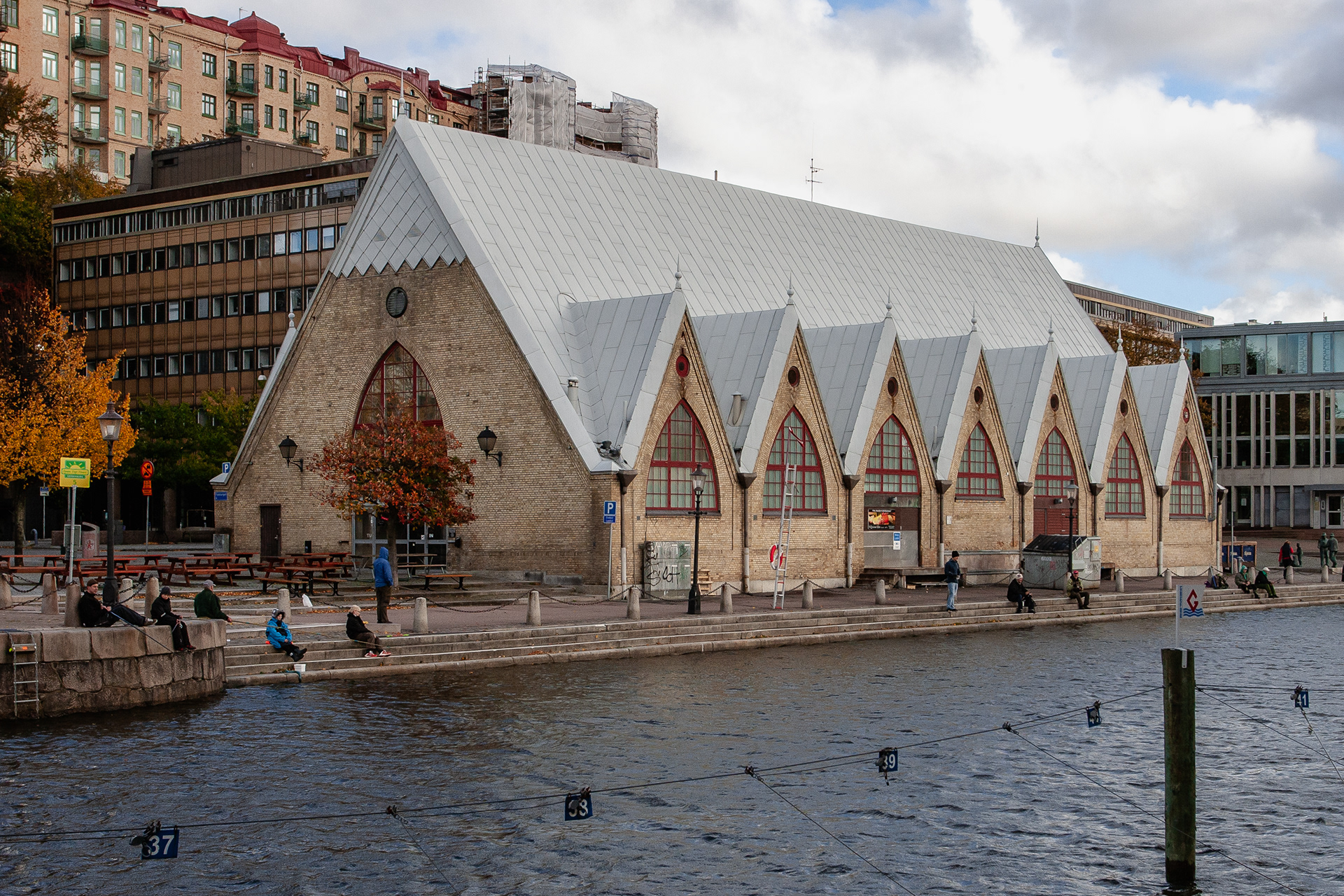
Fish has been traded in Gothenburg since 1644, initially at Lilla Torget, but also at the Christinae Kyrka and Gustav Adolfs Torg. In 1874, the Feskekörka ("The Fish Church") was built in the western inner-city district of Rosenlund, designed by Viktor von Gegerfeldt. Even today, fish lovers can indulge themselves there, as the fish market is still fully operational. Photo taken in October 2012.

Fish has been traded in Gothenburg since 1644, initially at Lilla Torget, but also at the Christinae Kyrka and Gustav Adolfs Torg. In 1874, the Feskekörka was built in the western inner-city district of Rosenlund, designed by Viktor von Gegerfeldt. Even today, fish lovers can indulge themselves there, as the fish market is still fully operational. Photo taken in October 2012.

Trams at Kungsportsplatsen, July 2009.
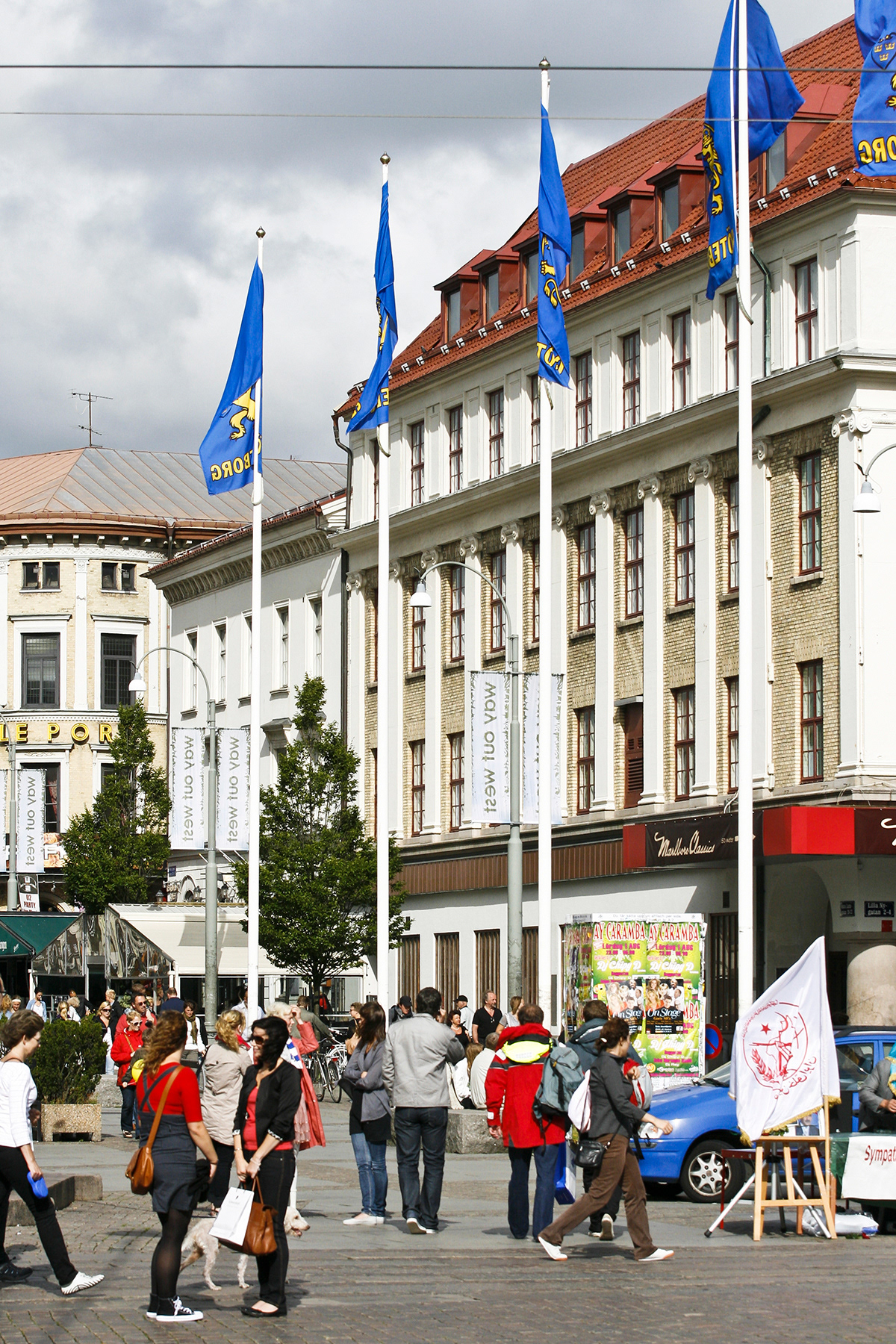
Kungsportsplatsen, July 2009.
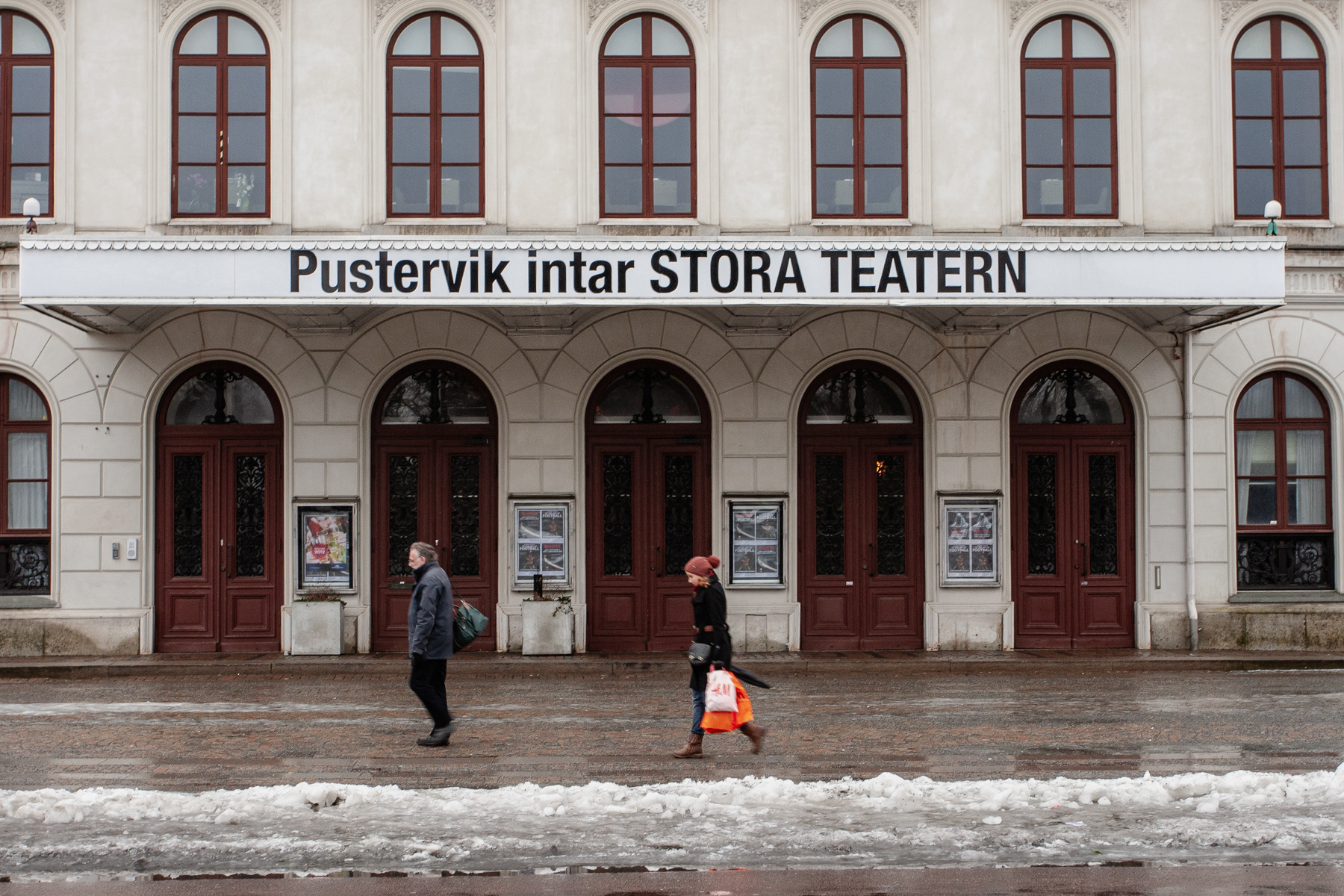
The Grand Theatre (Stora Teatern) in Göteborg, February 2012.
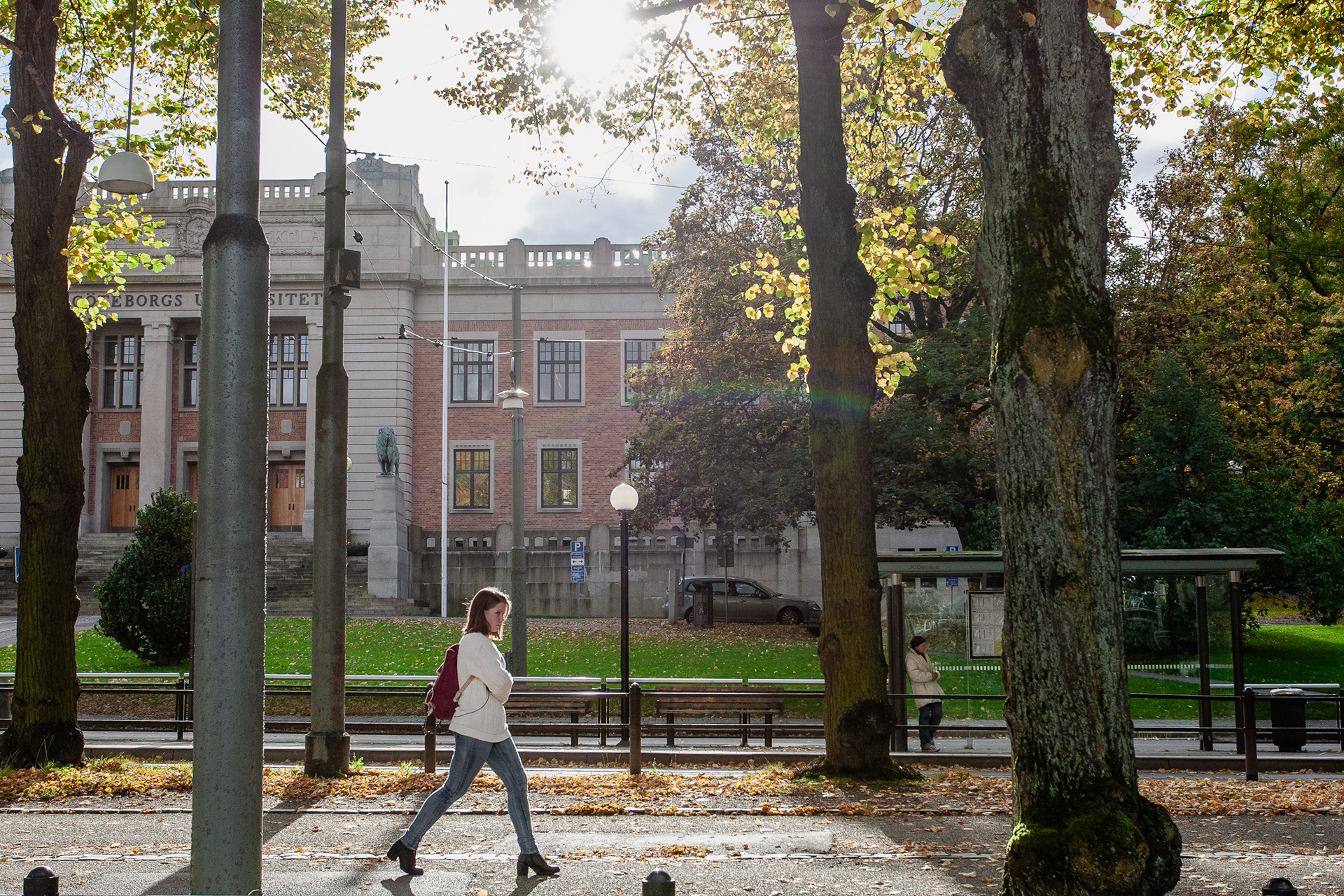
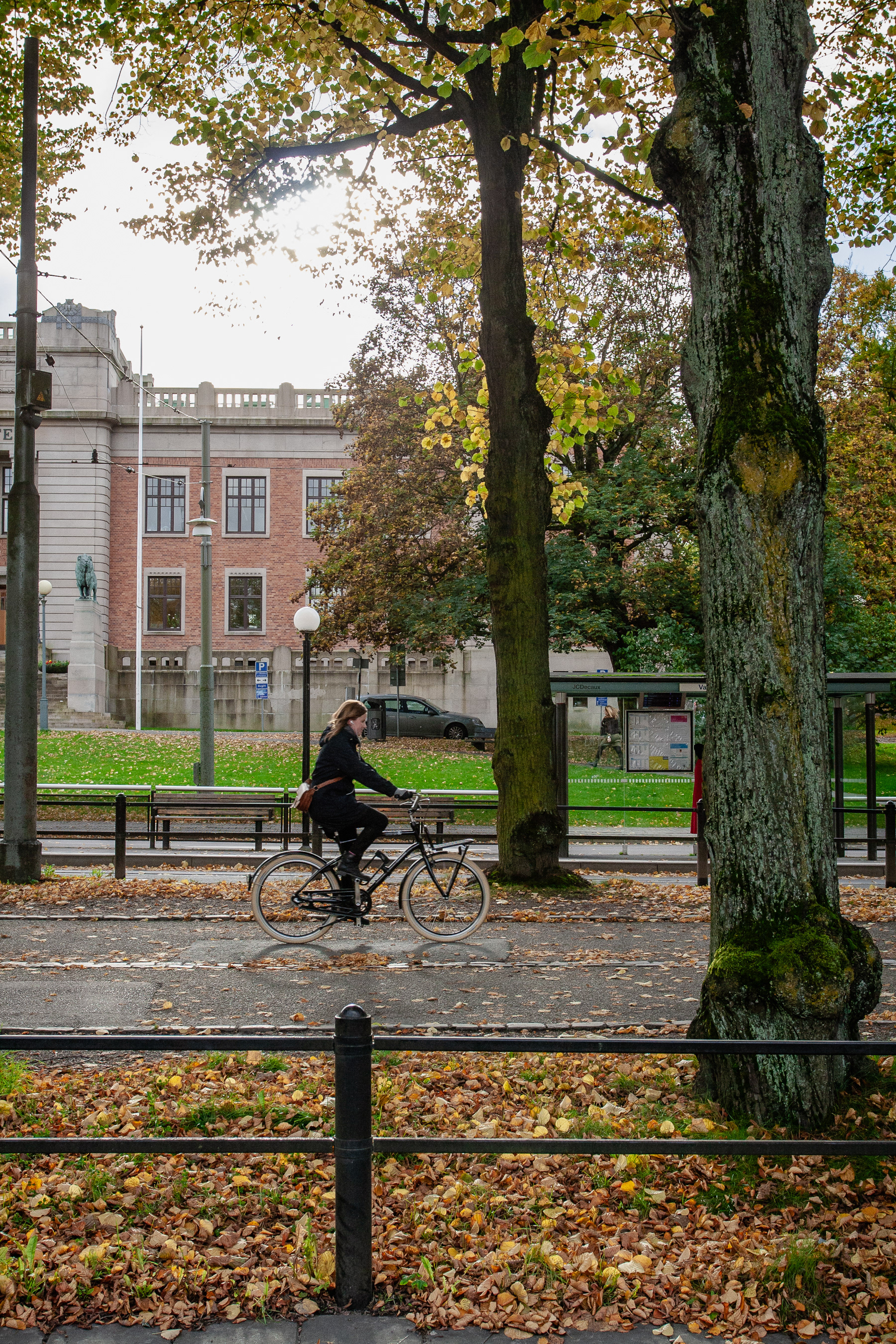
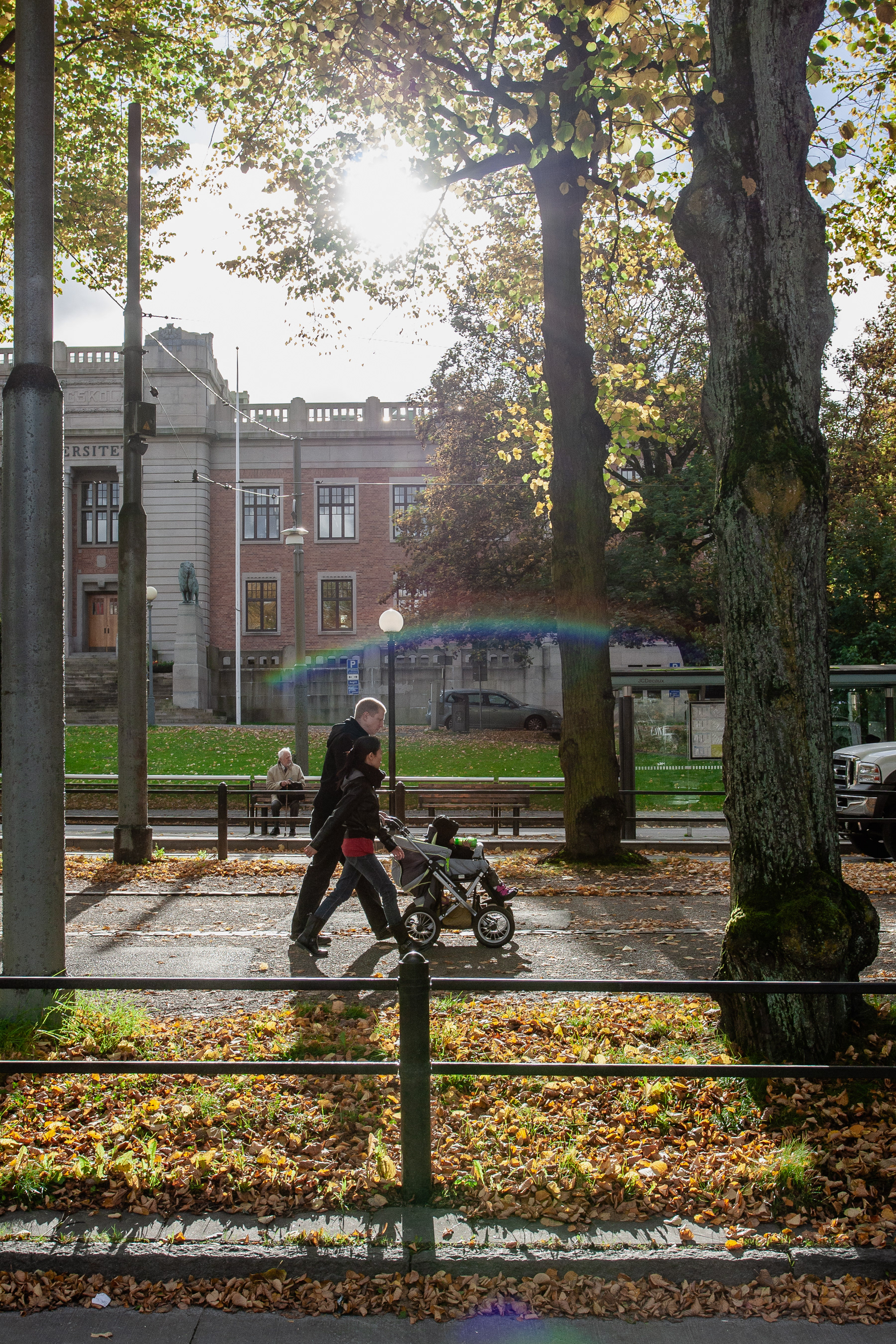
Vasagatan and the Gothenburg University, October 2012.
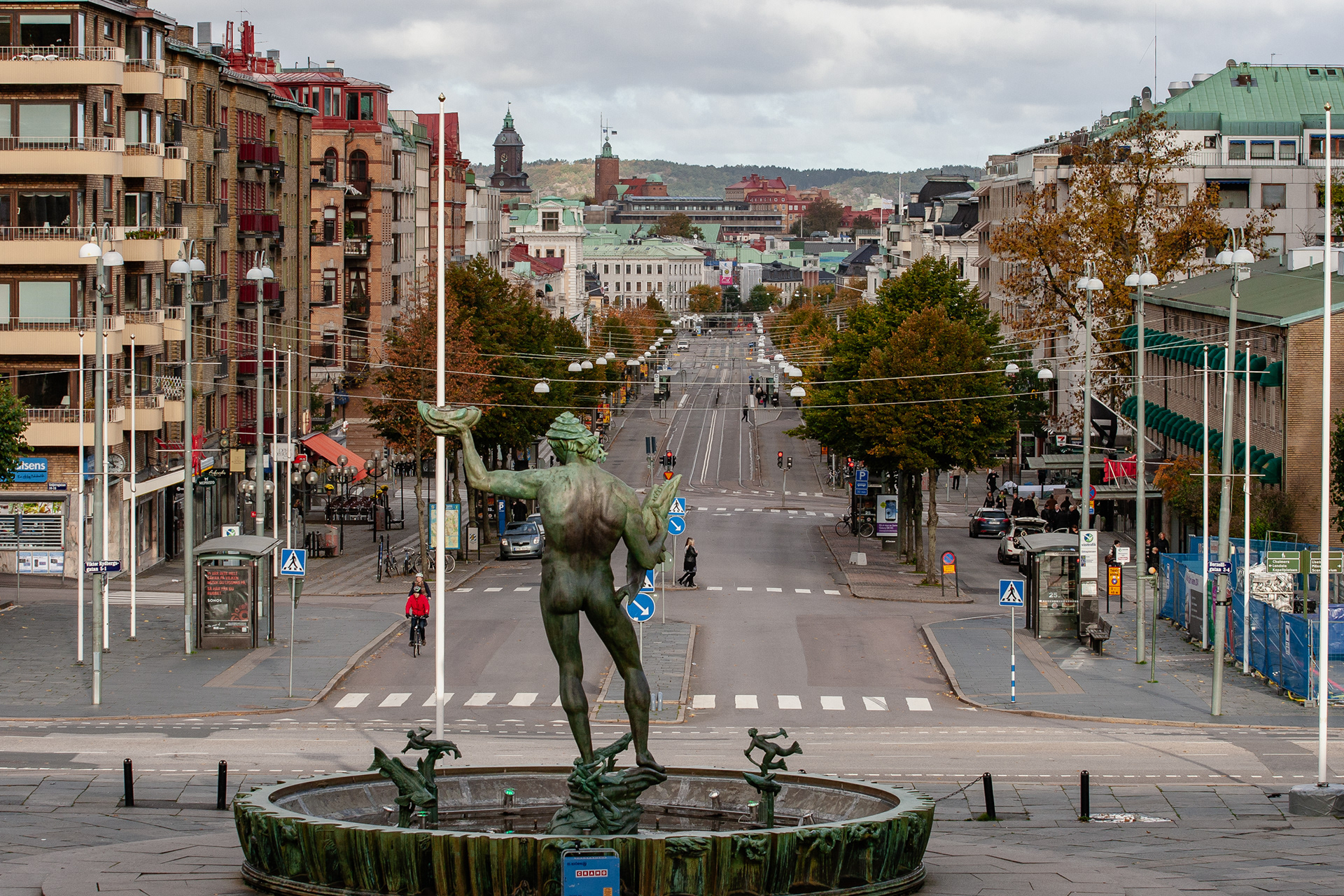
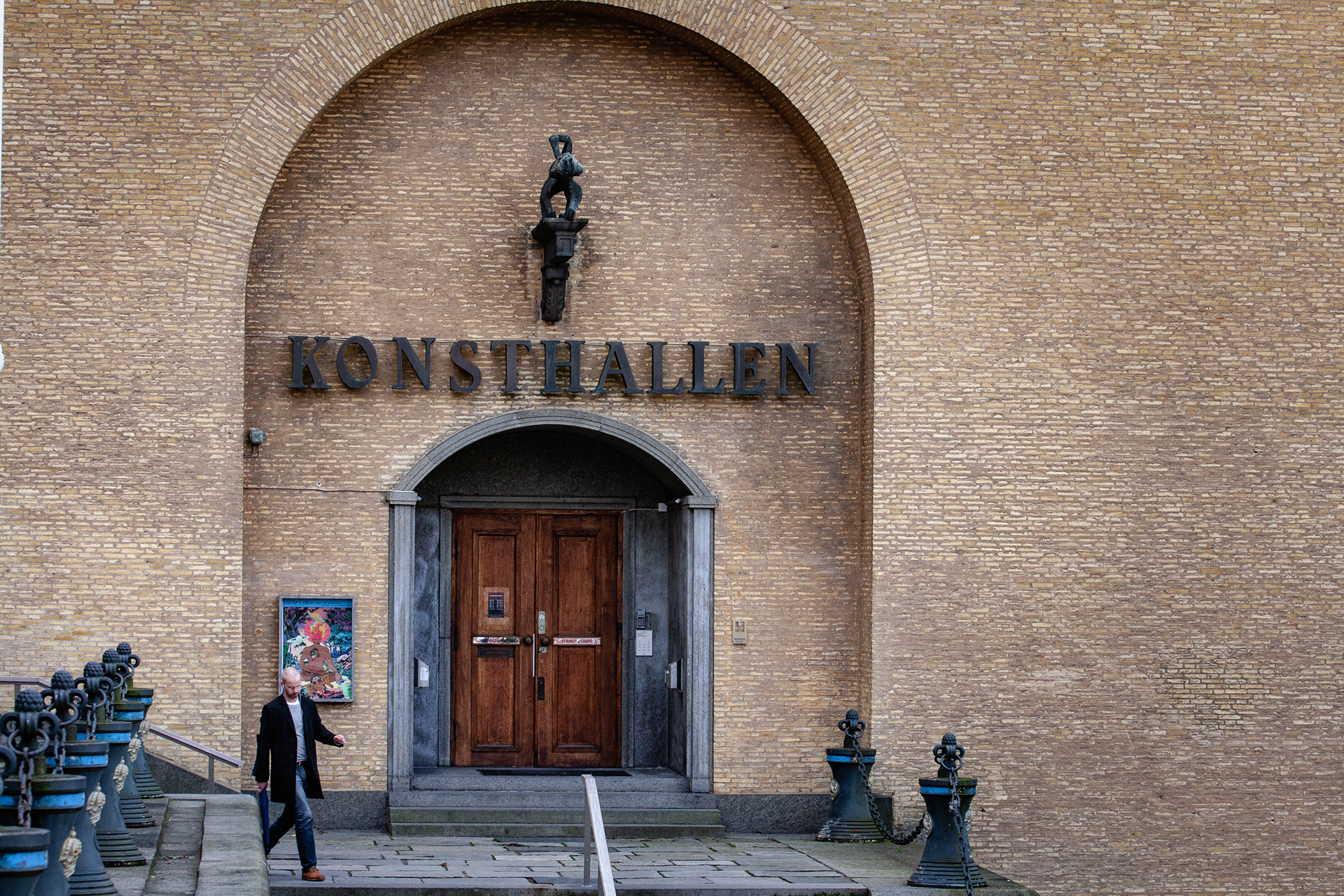
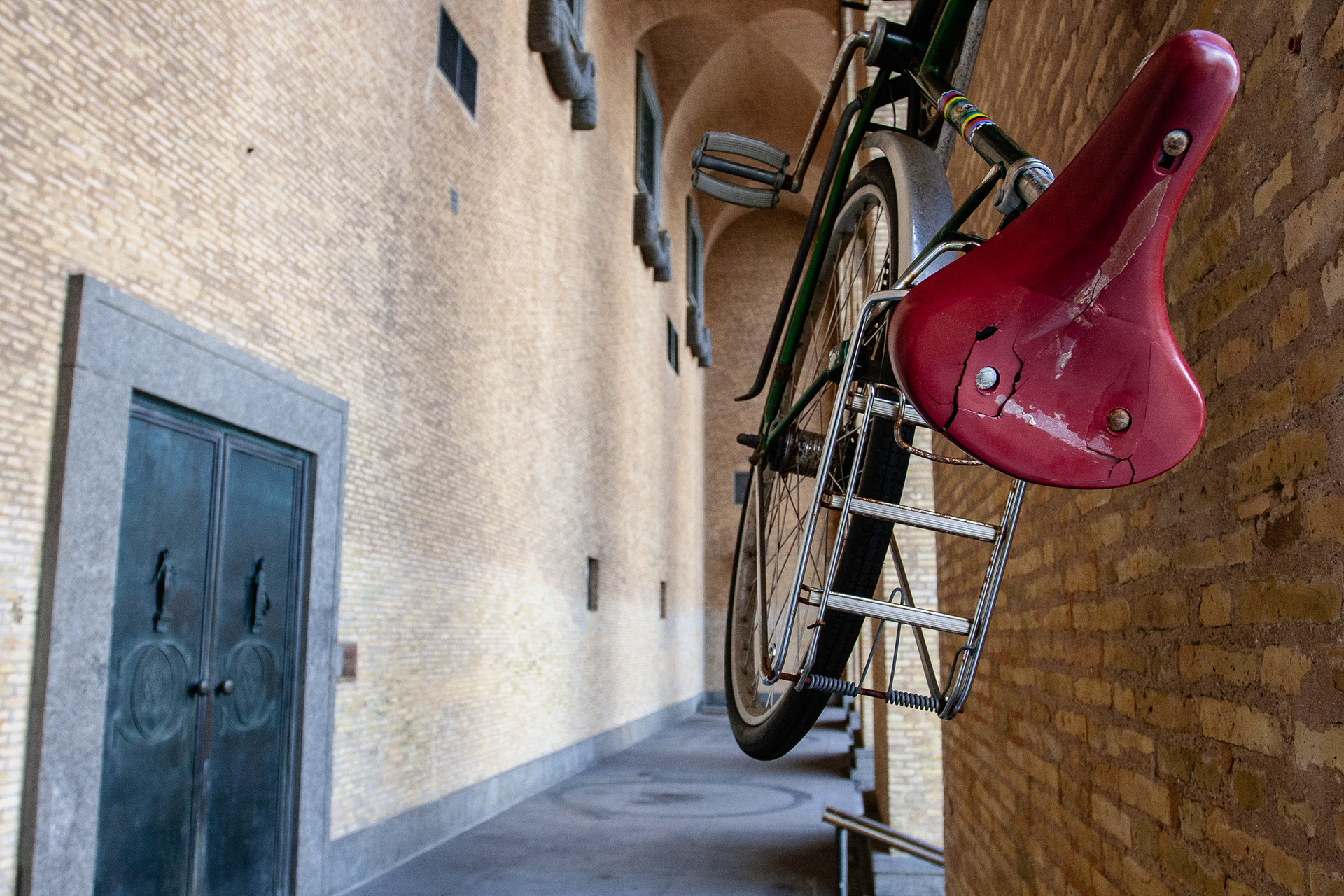
The Art Gallery.
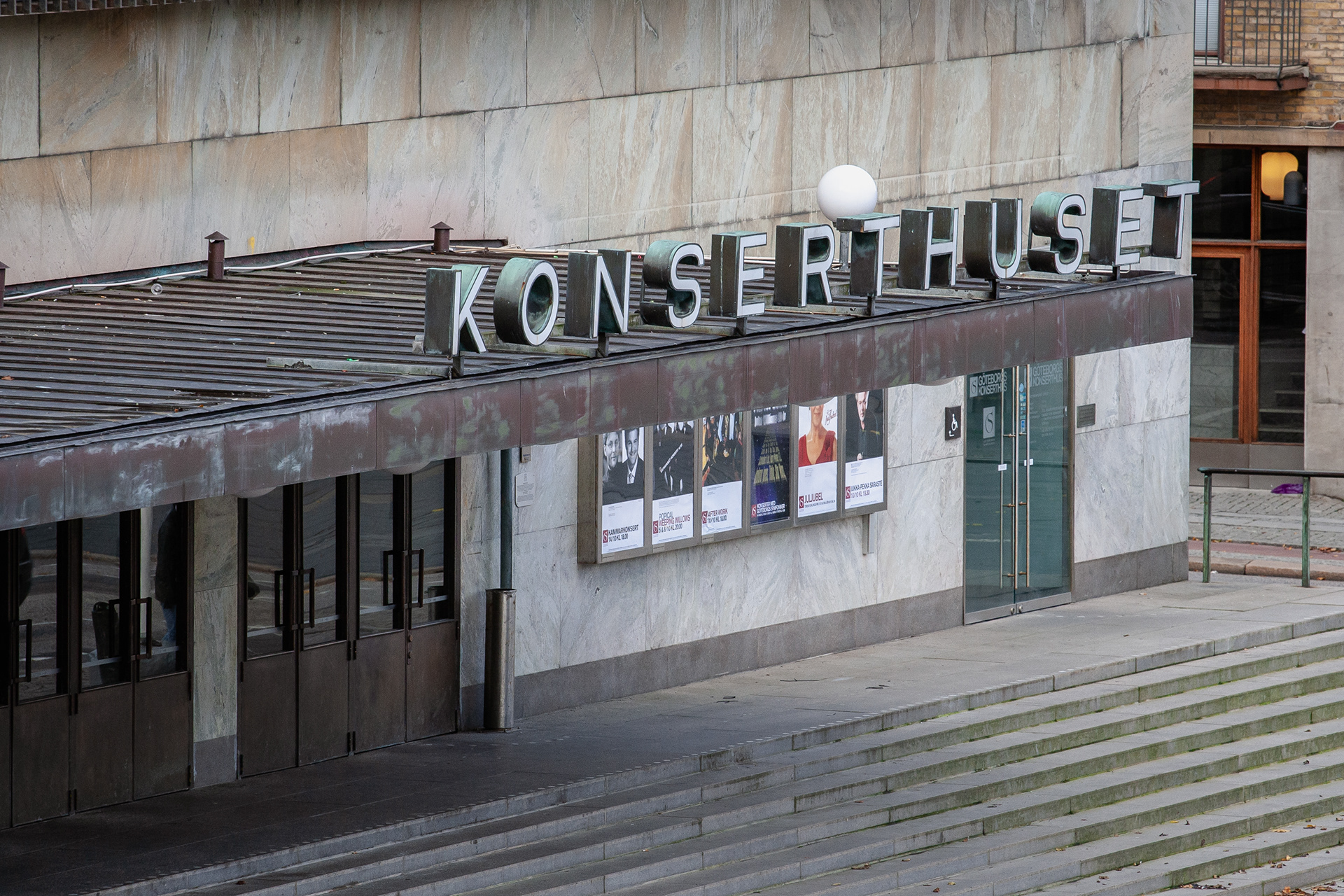
The Concert Hall.
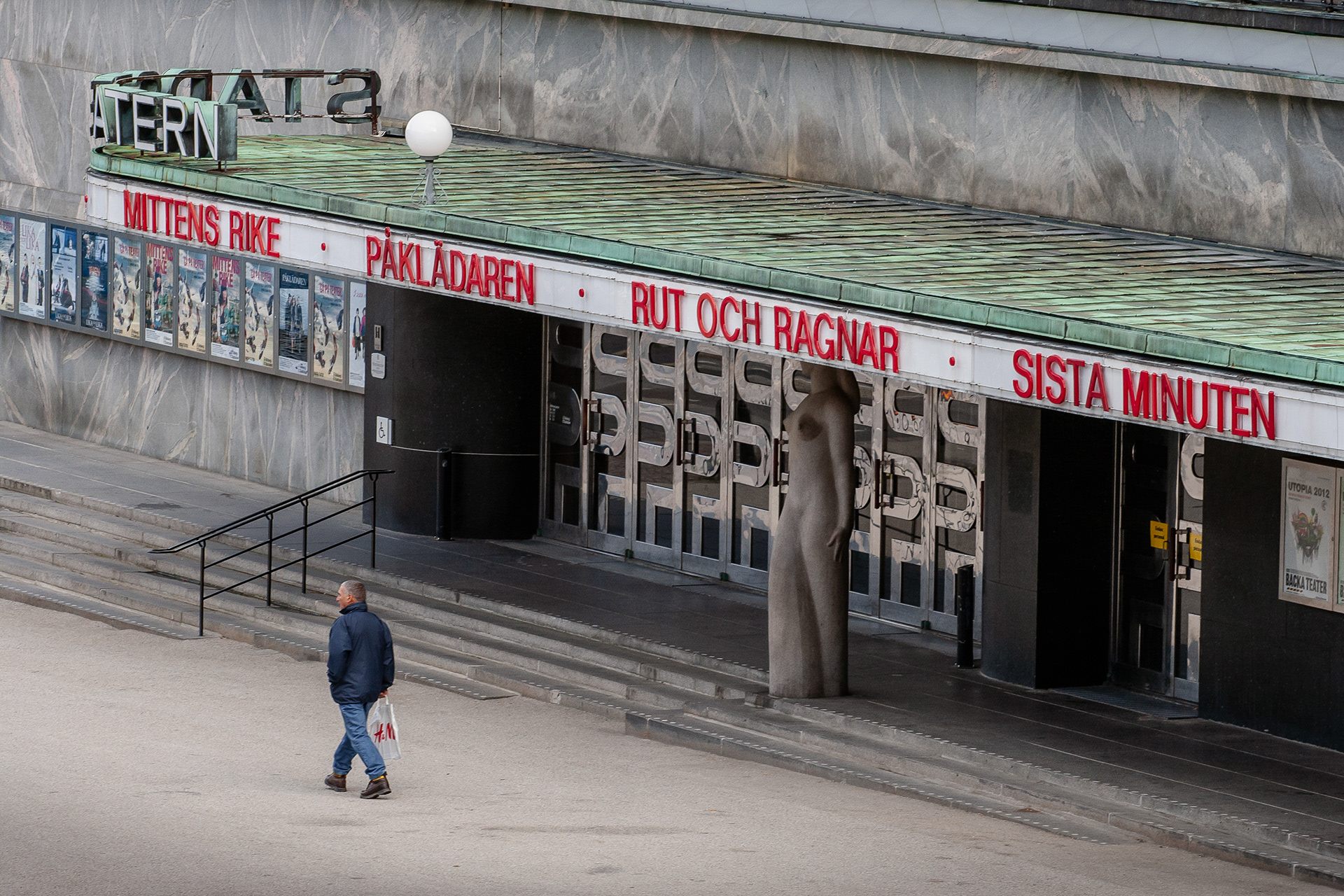
The City Theatre.
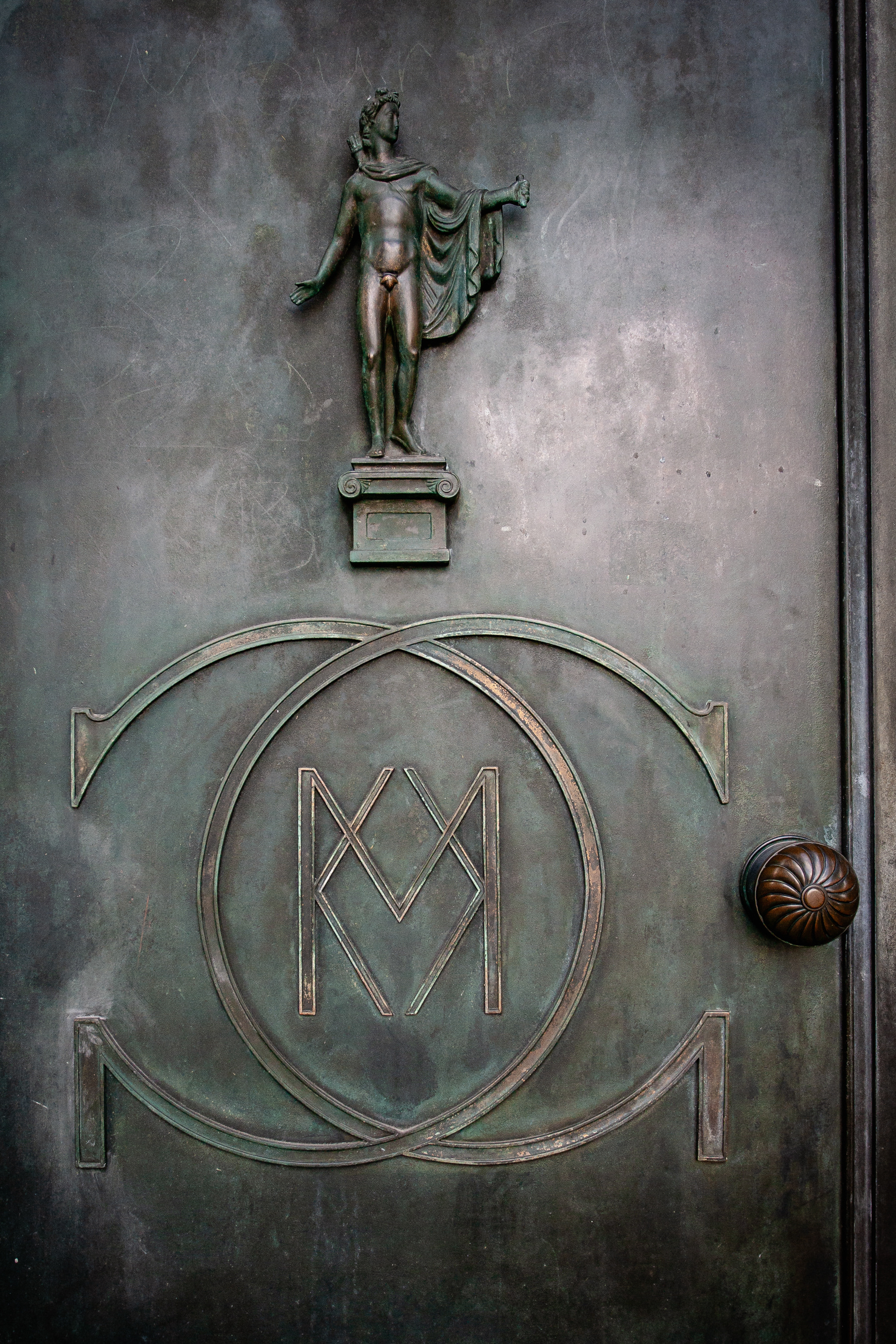
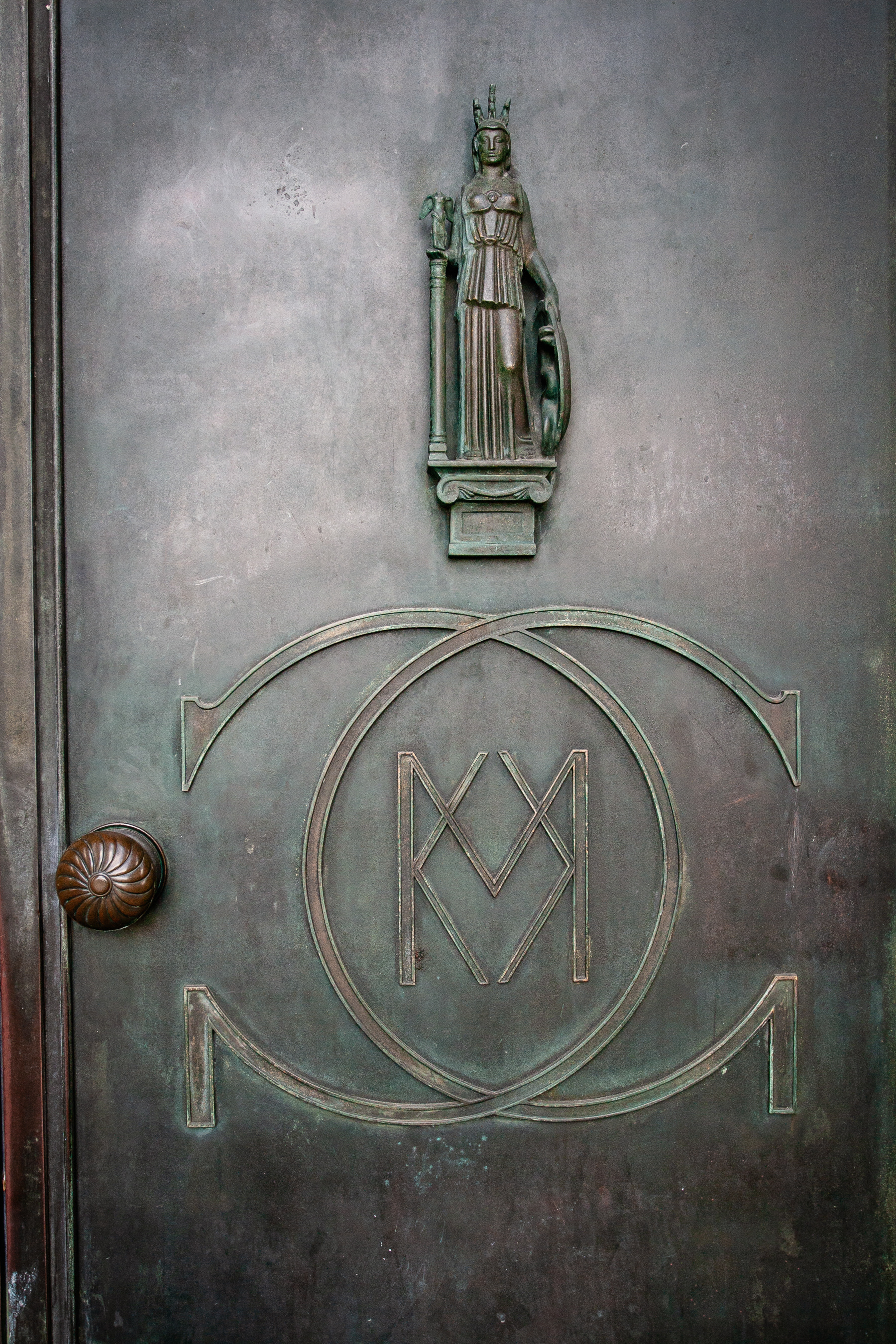
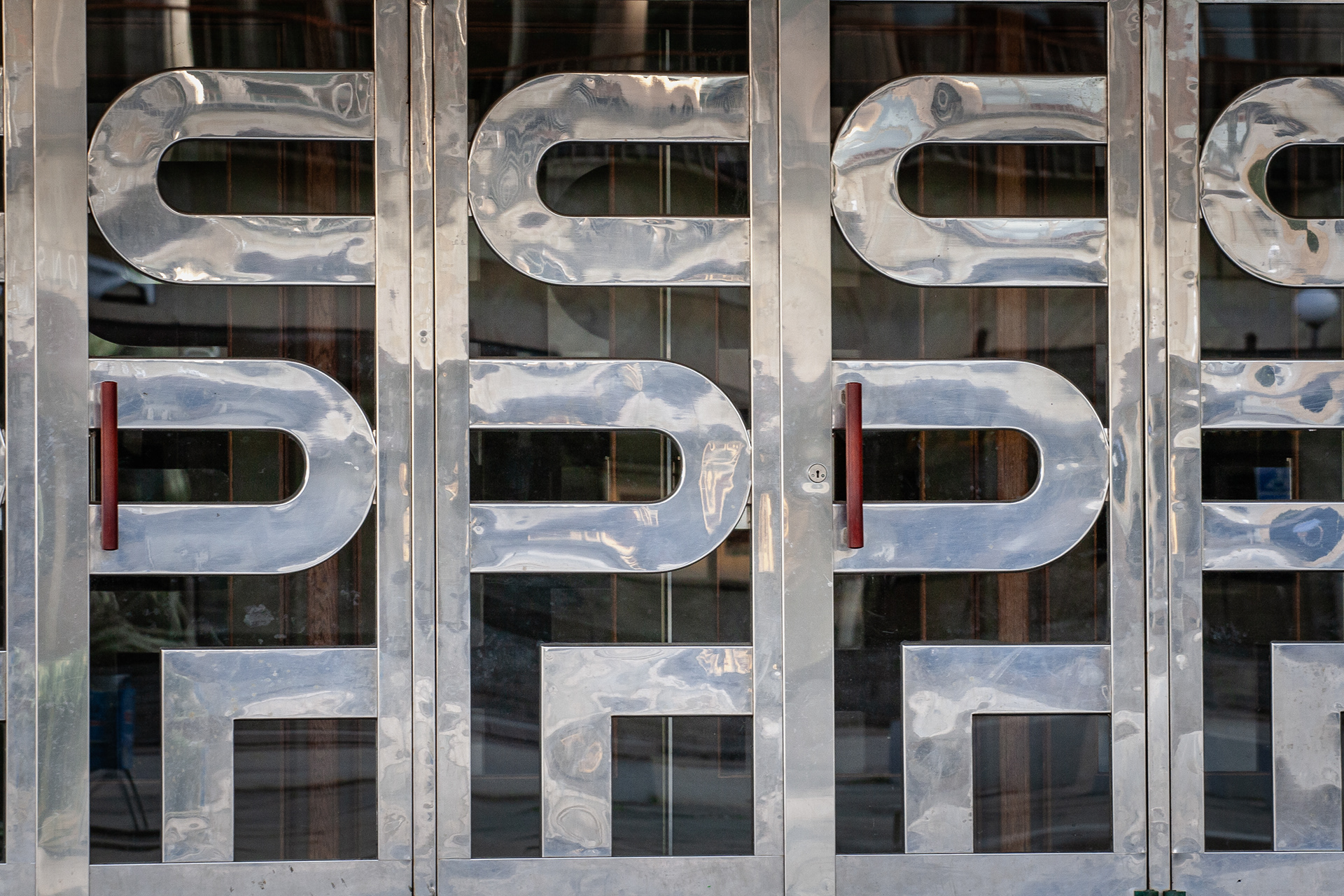
Doors to the Art Museum (Konstmuseet).
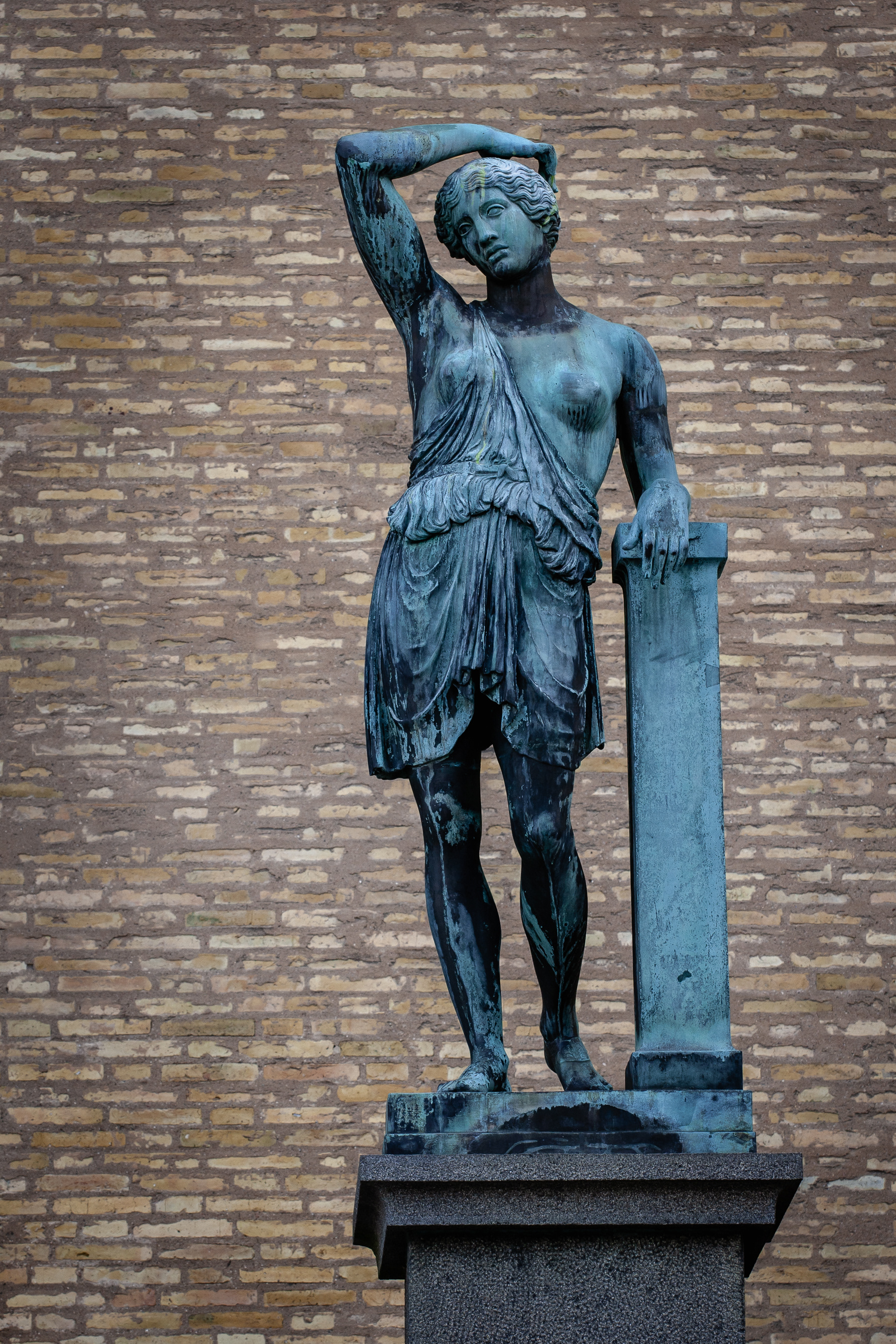
A statue outside.
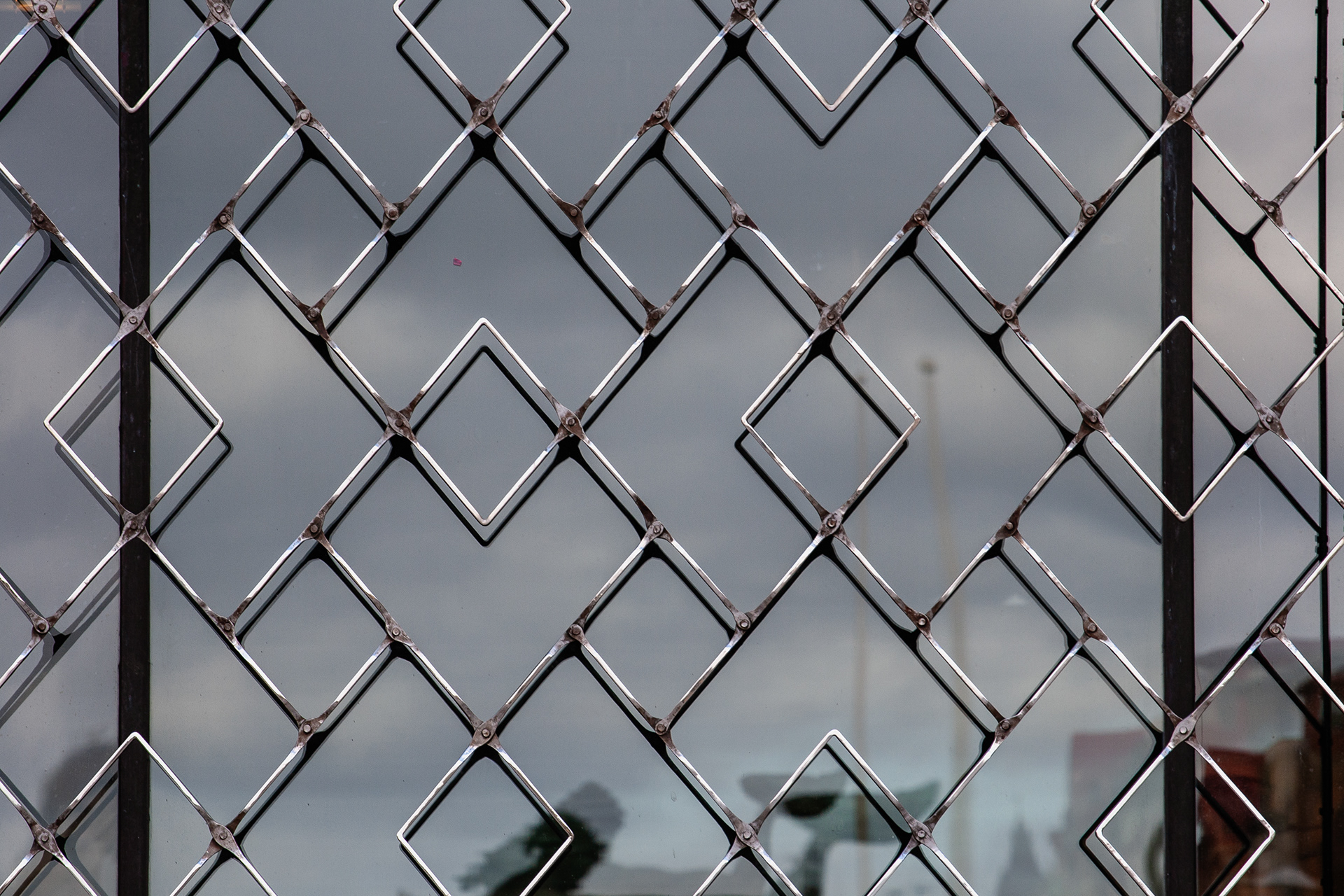
Close-up of the ticket office of the Art Museum (Konstmuseum), October 2012.
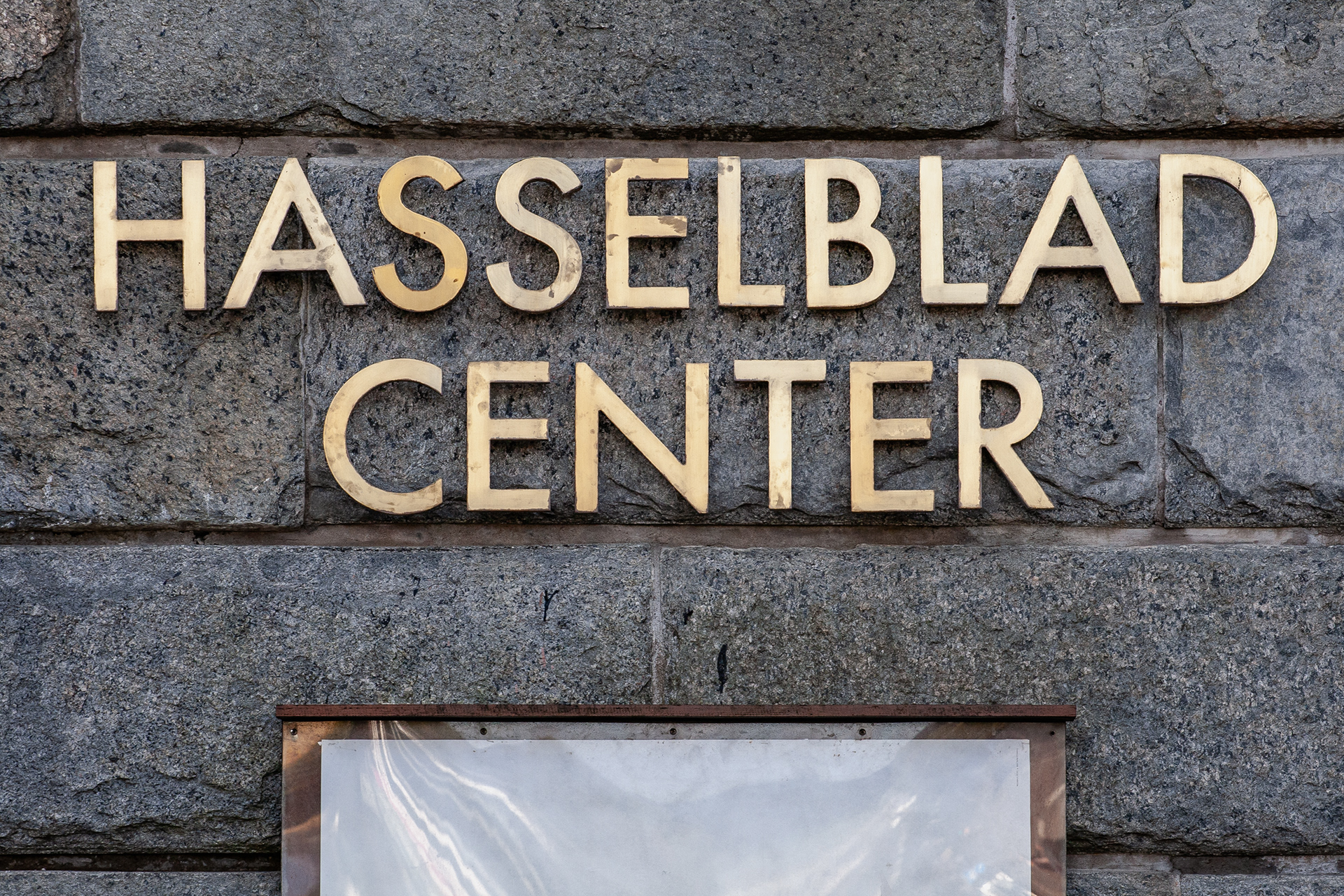
The Hasselblad photography centre in the Art Museum's building, October 2012.

Close-up of the ticket office of the Concert Hall, October 2012.
Close-up of the ticket office of the City Theatre, October 2012.
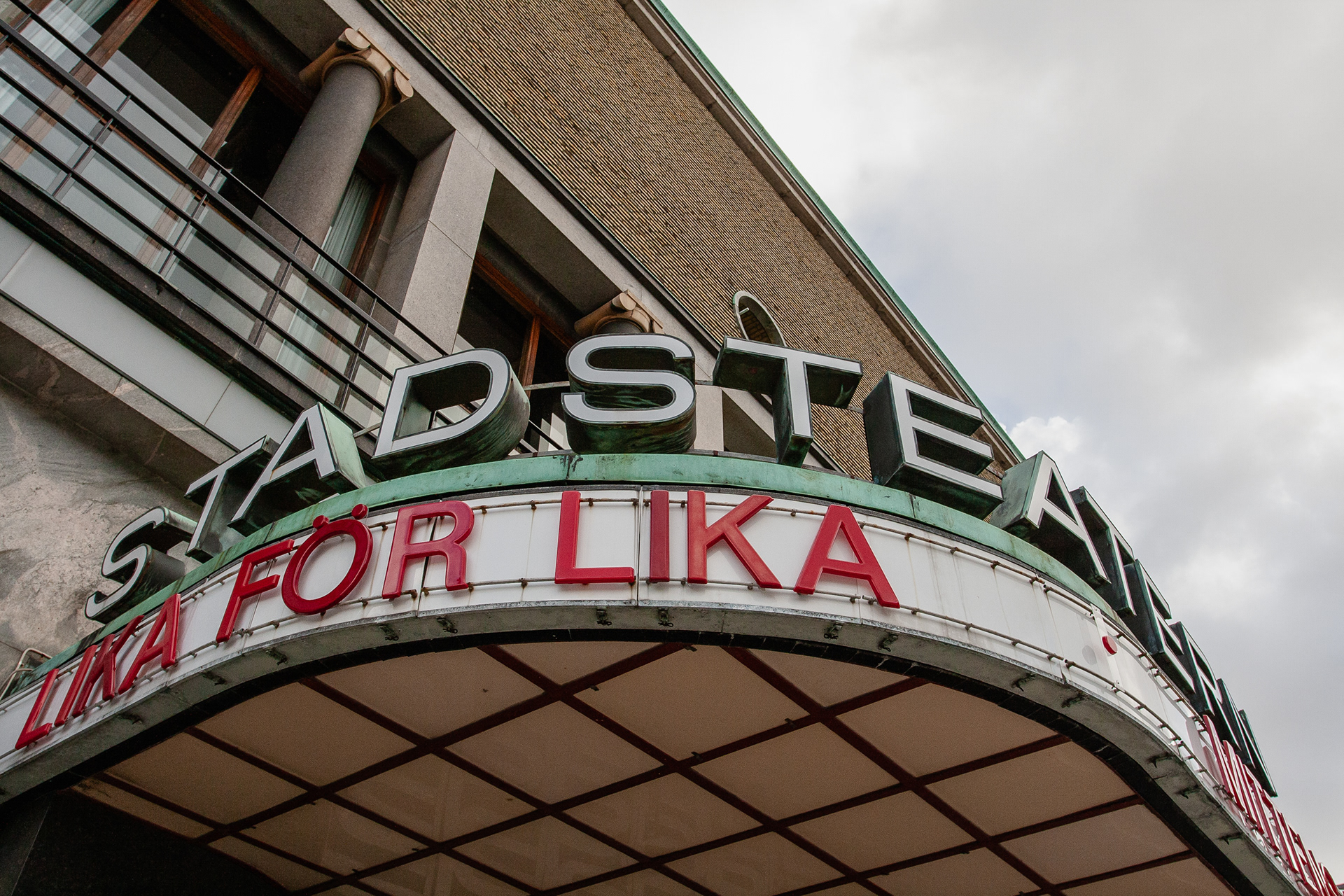
Close-up of the ticket office of the City Theatre, October 2012.
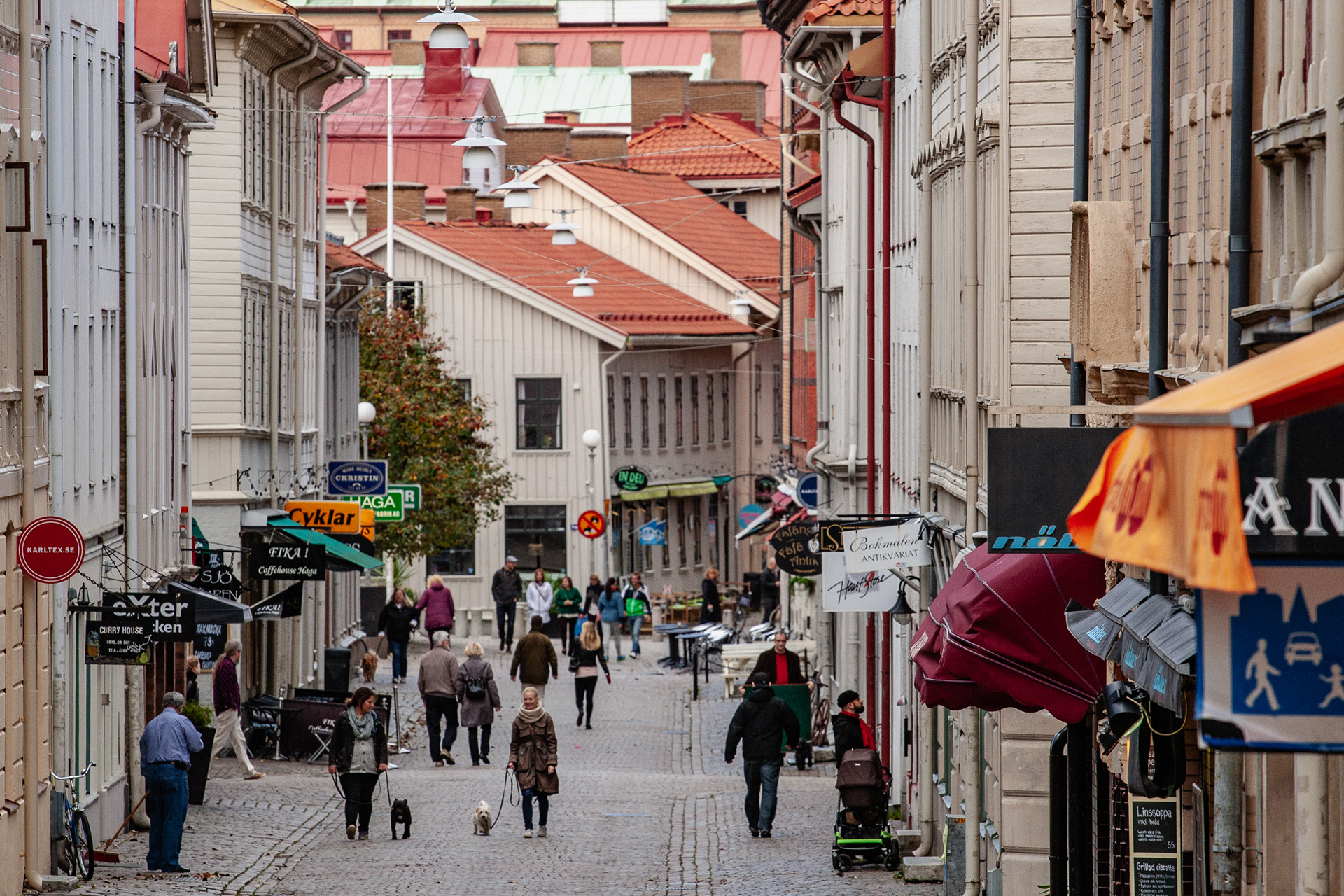
Haga Nygatan, the main street of Haga, October 2012.
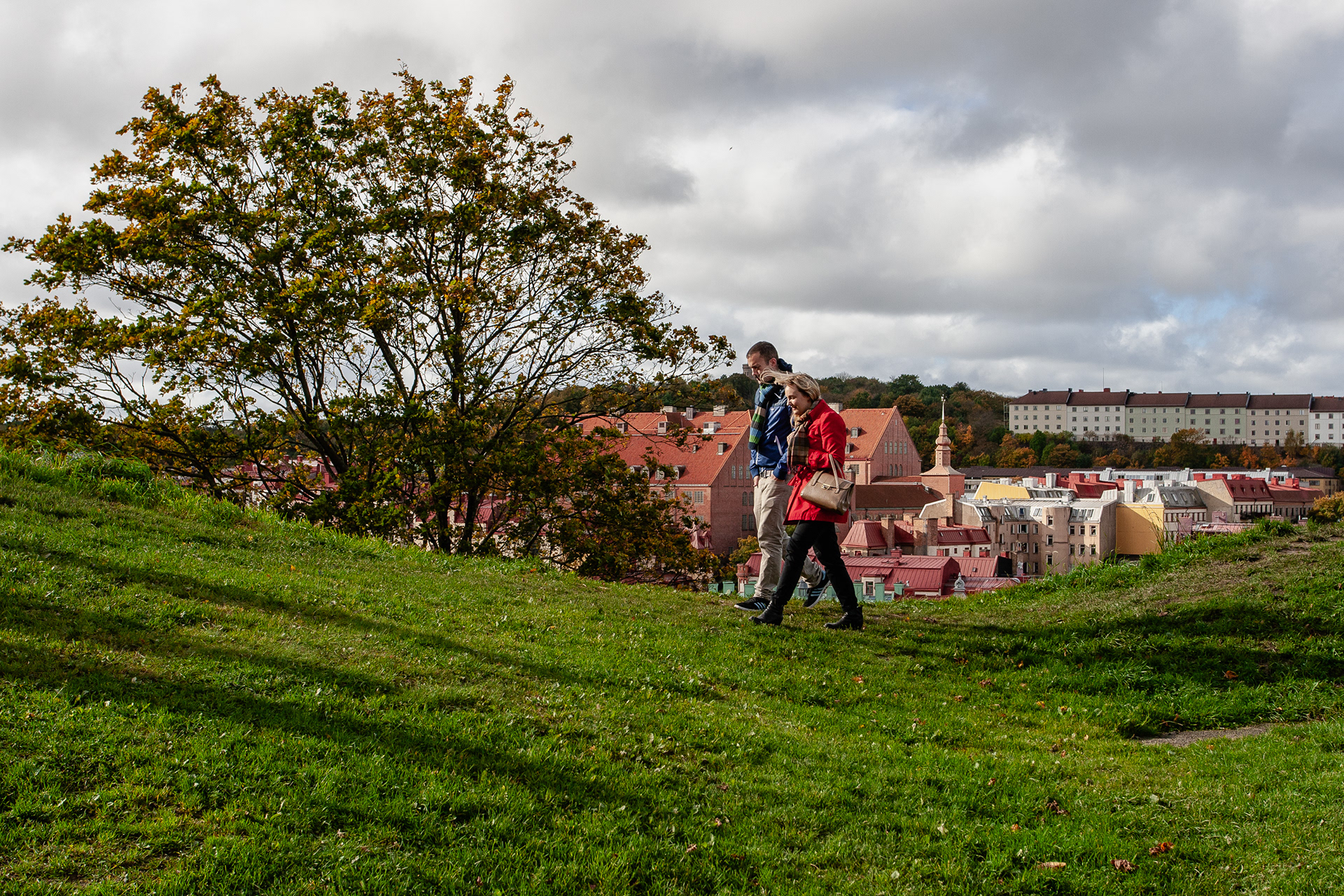
On top of the hill that holds the compact historic fortress of Skansen Kronan in Haga, Gothenburg, October 2012.
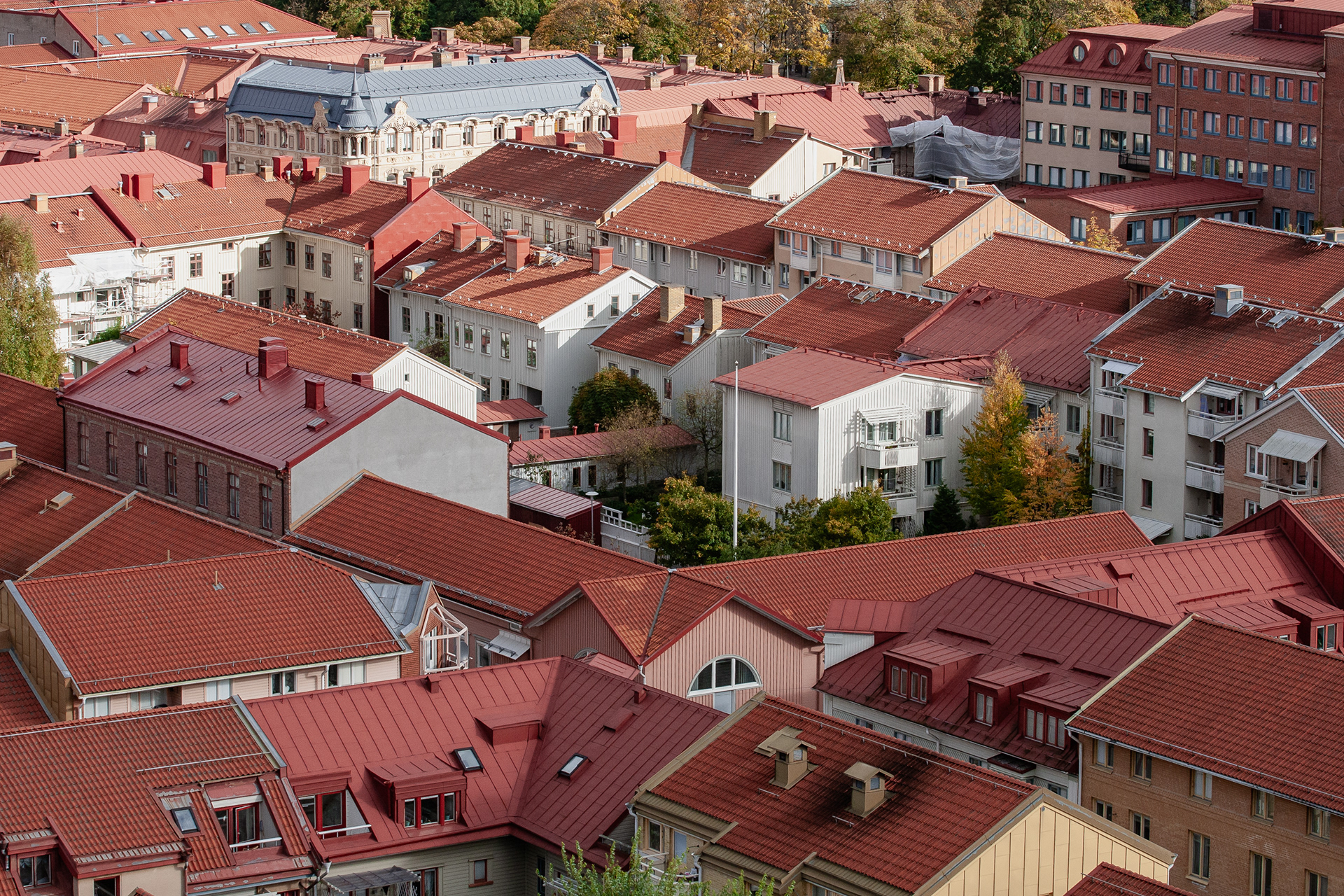
View at Haga from the Skansen Kronan hill, October 2012.
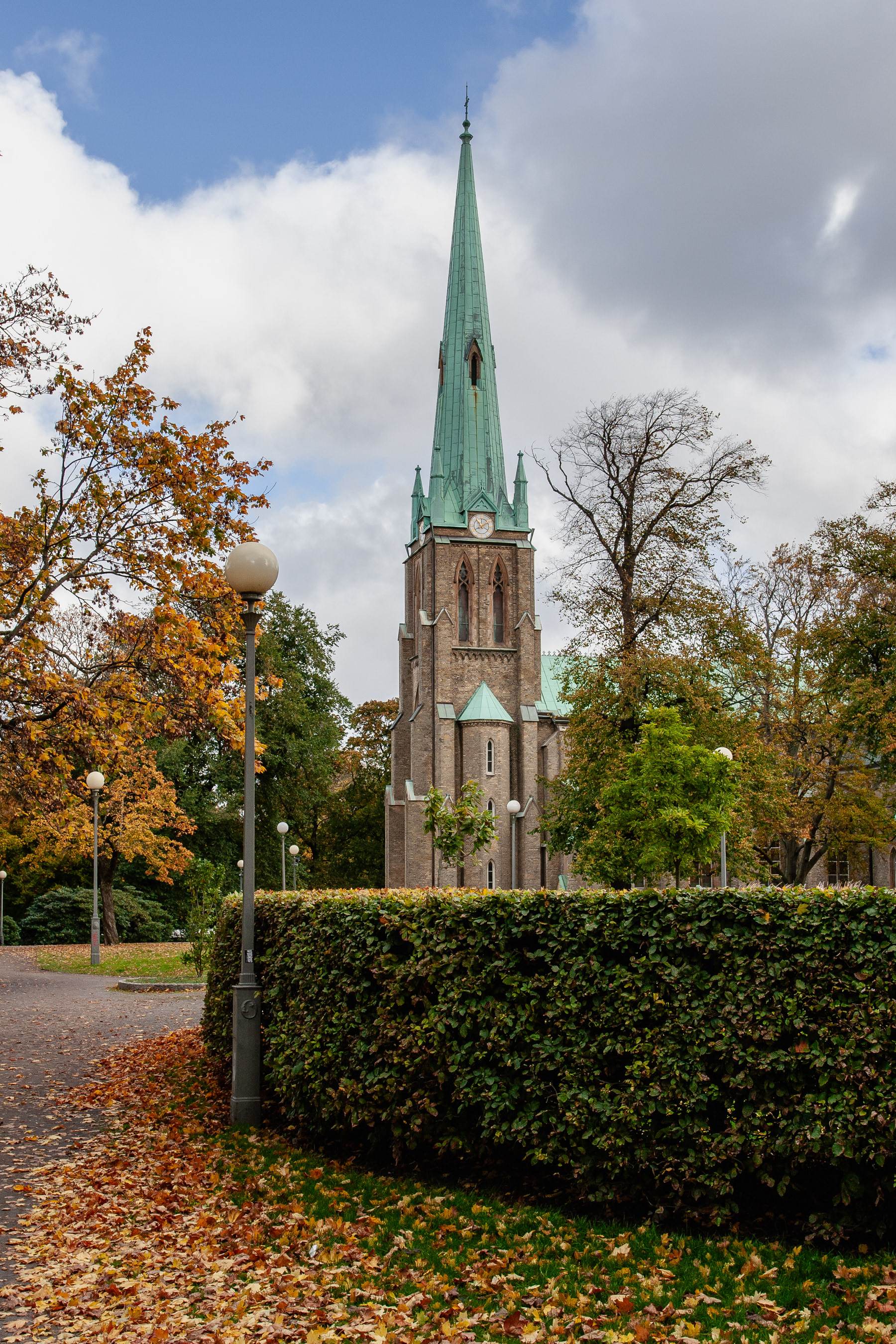
The Haga Church.
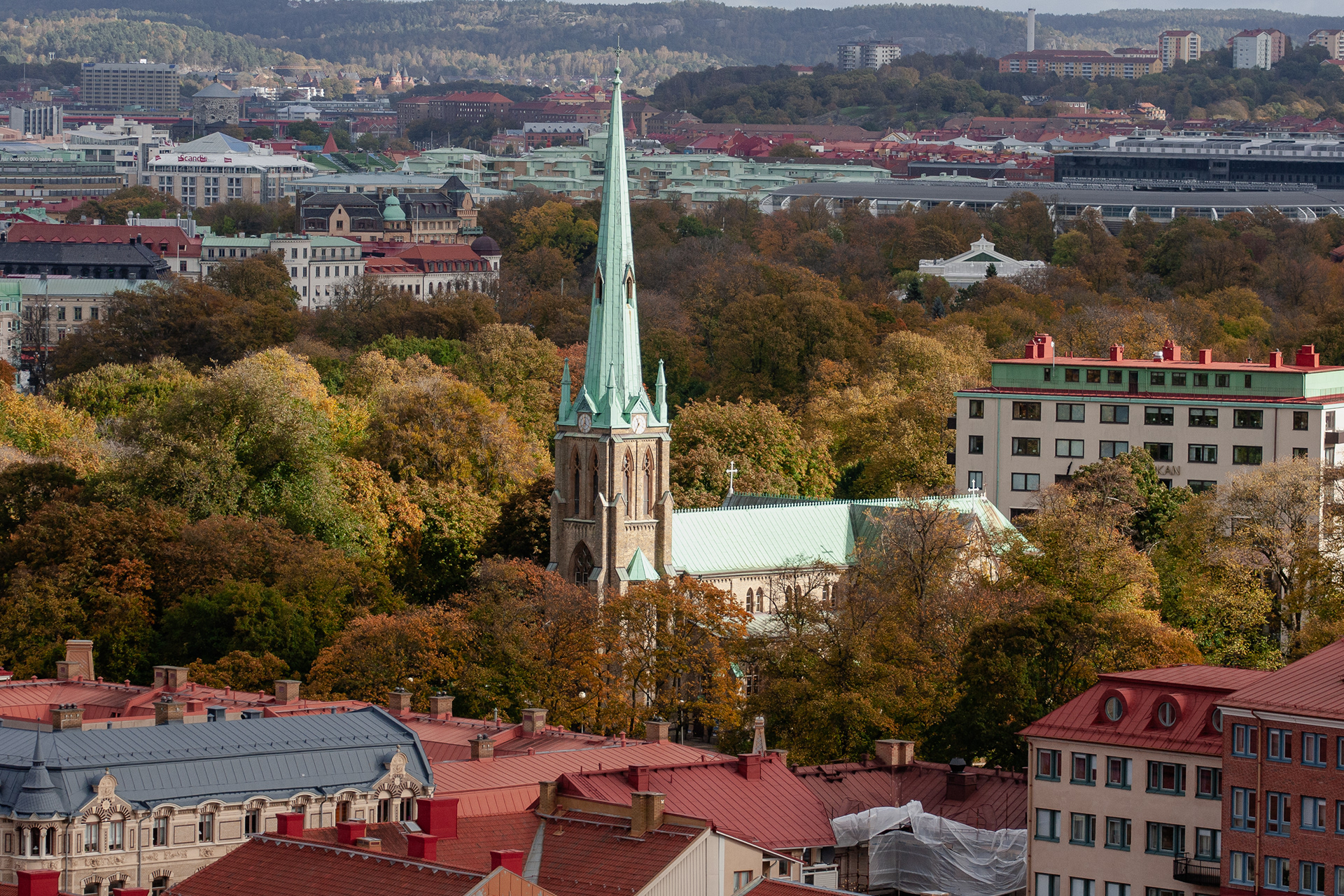
Seen here from Skansen Kronan hill.
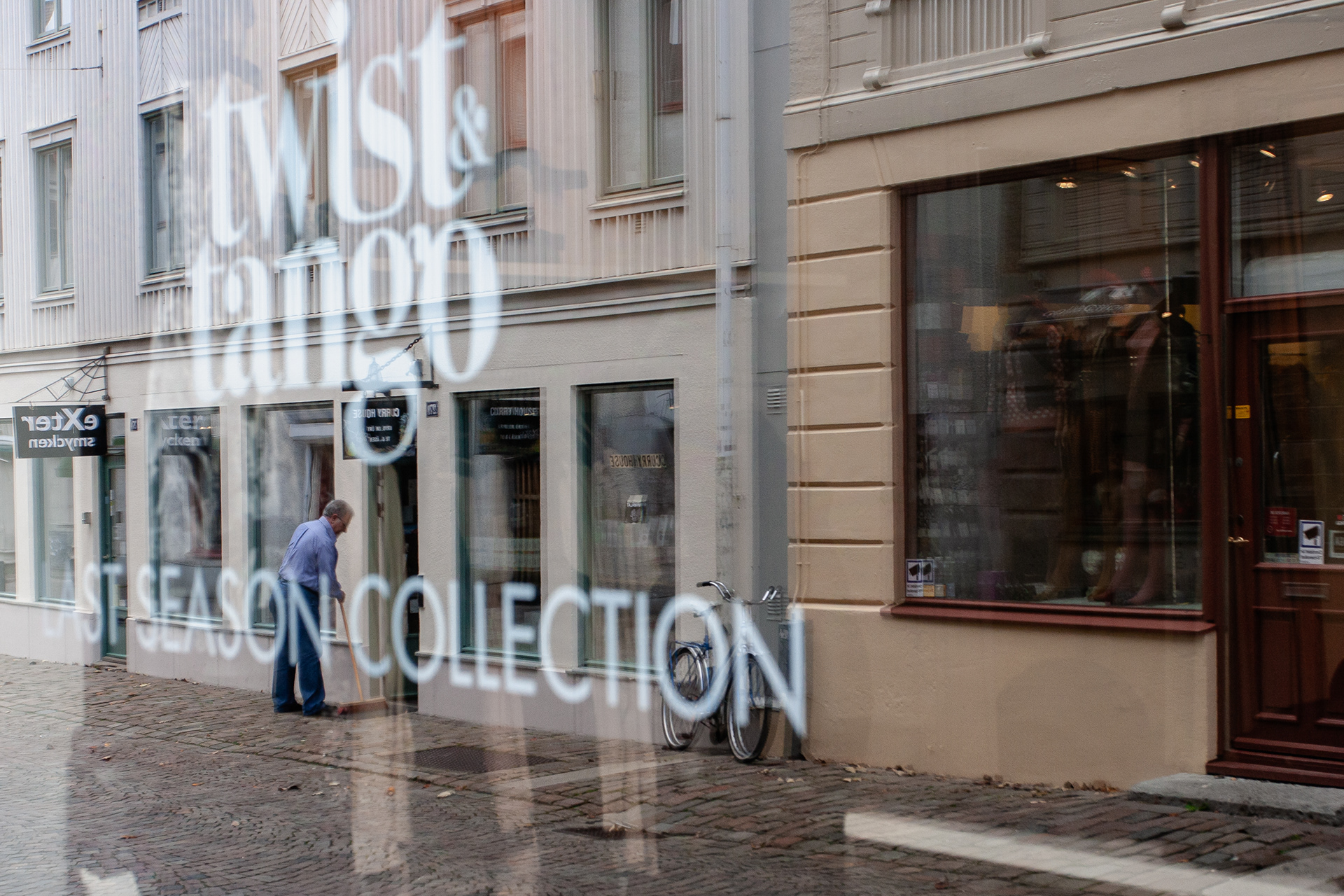
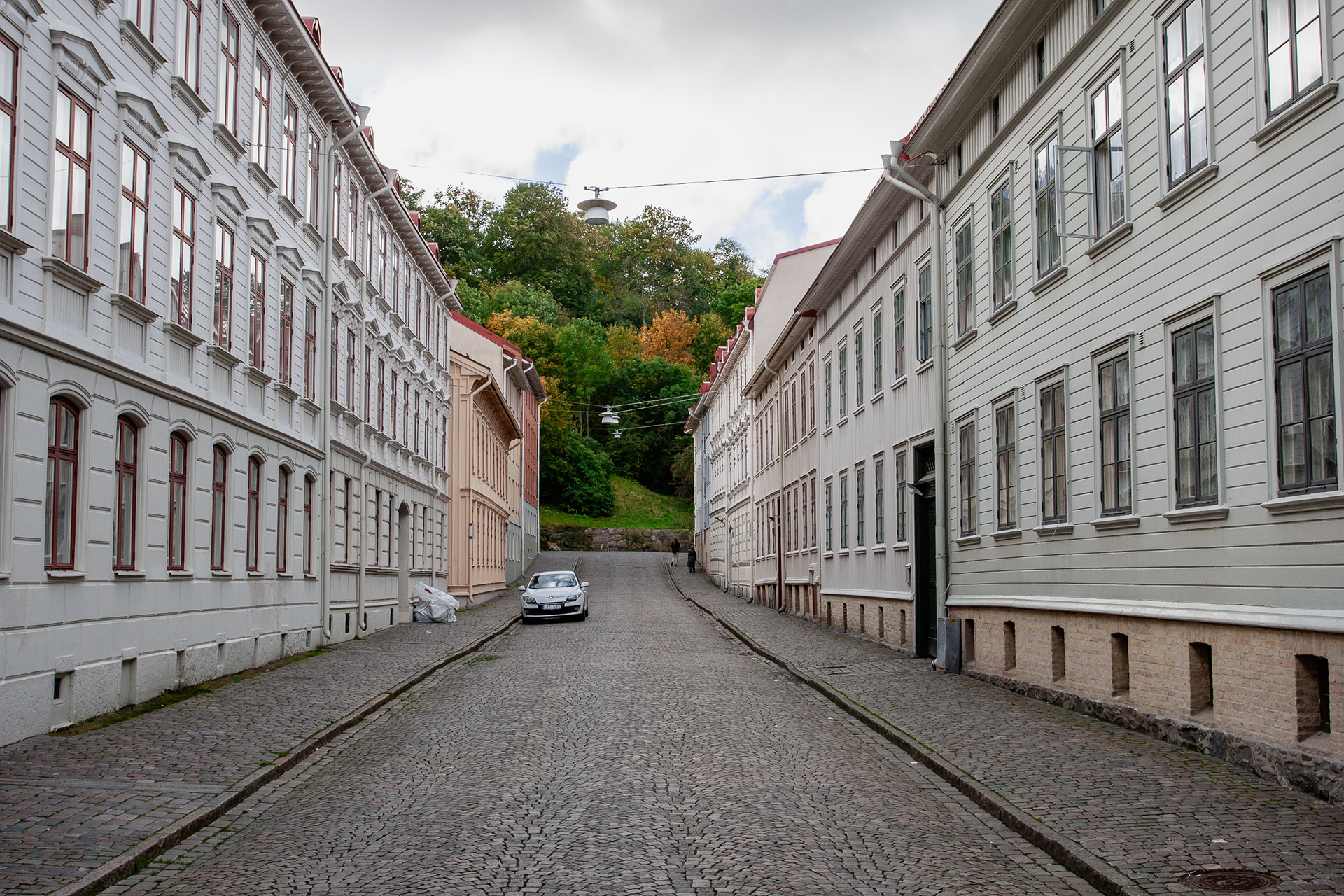
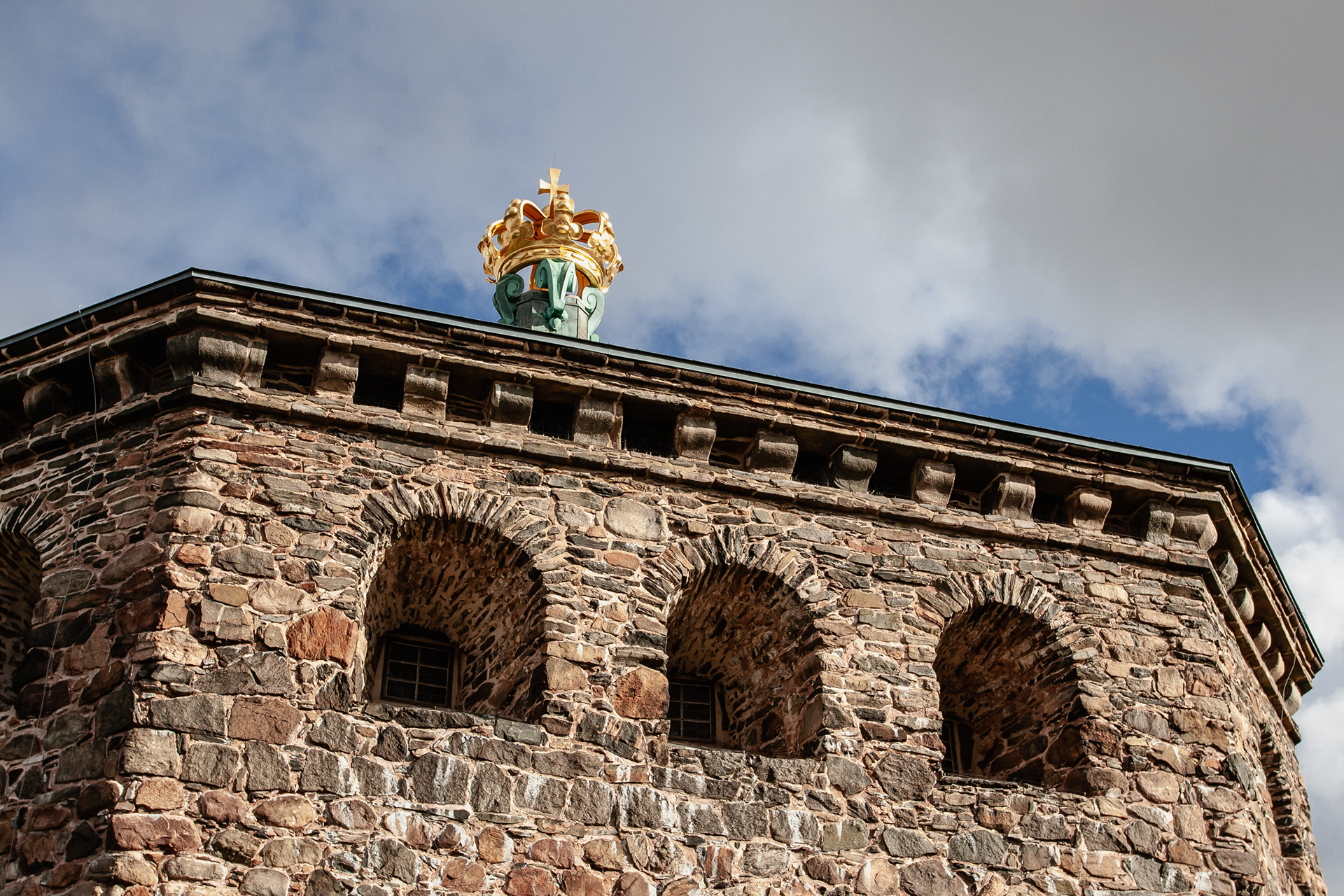
The compact historic fortress of Skansen Kronan, on top of the hill overlooking Haga and more of Gothenburg, October 2012.
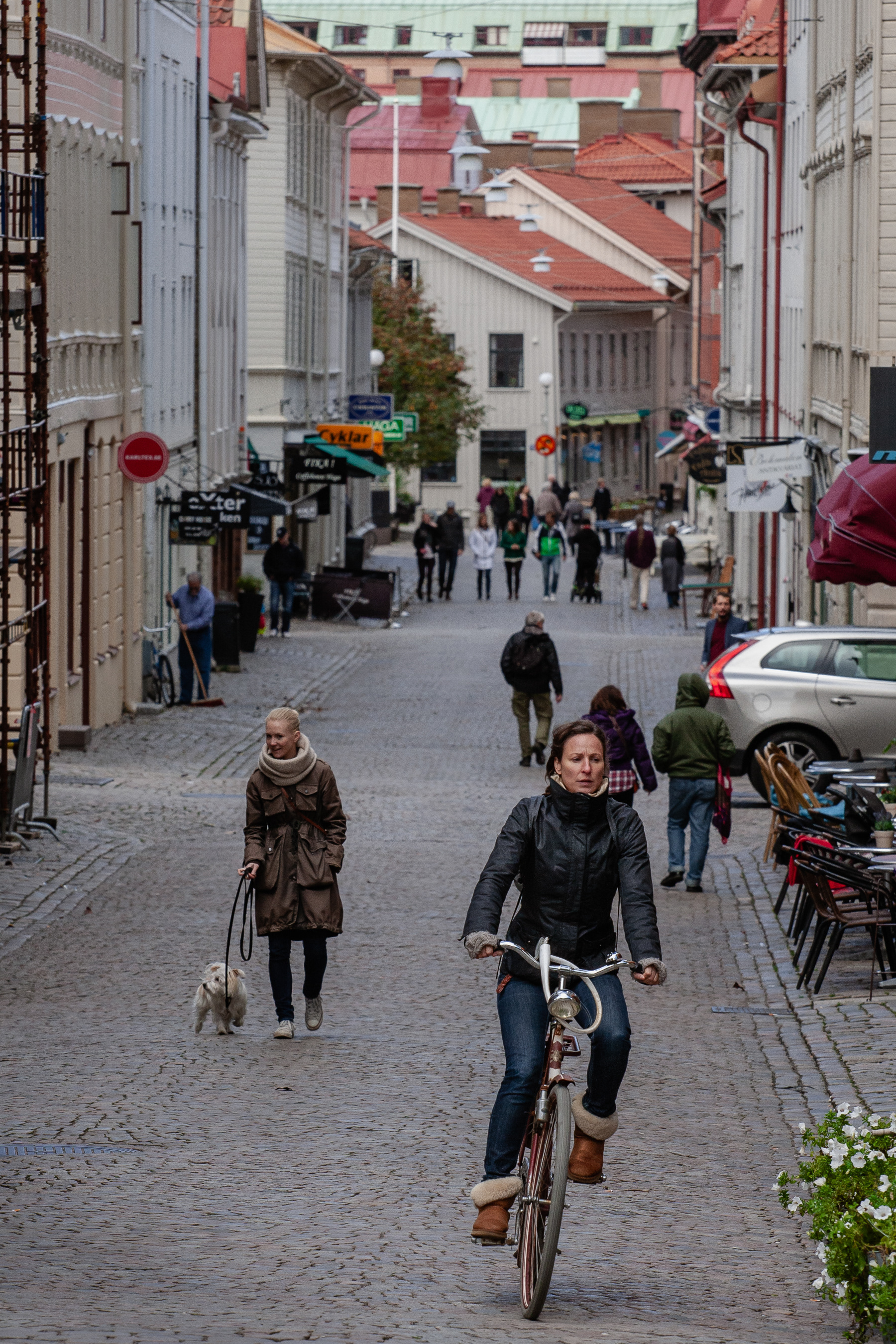
Haga Nygatan, the main street of the neighbourhood, October 2012.
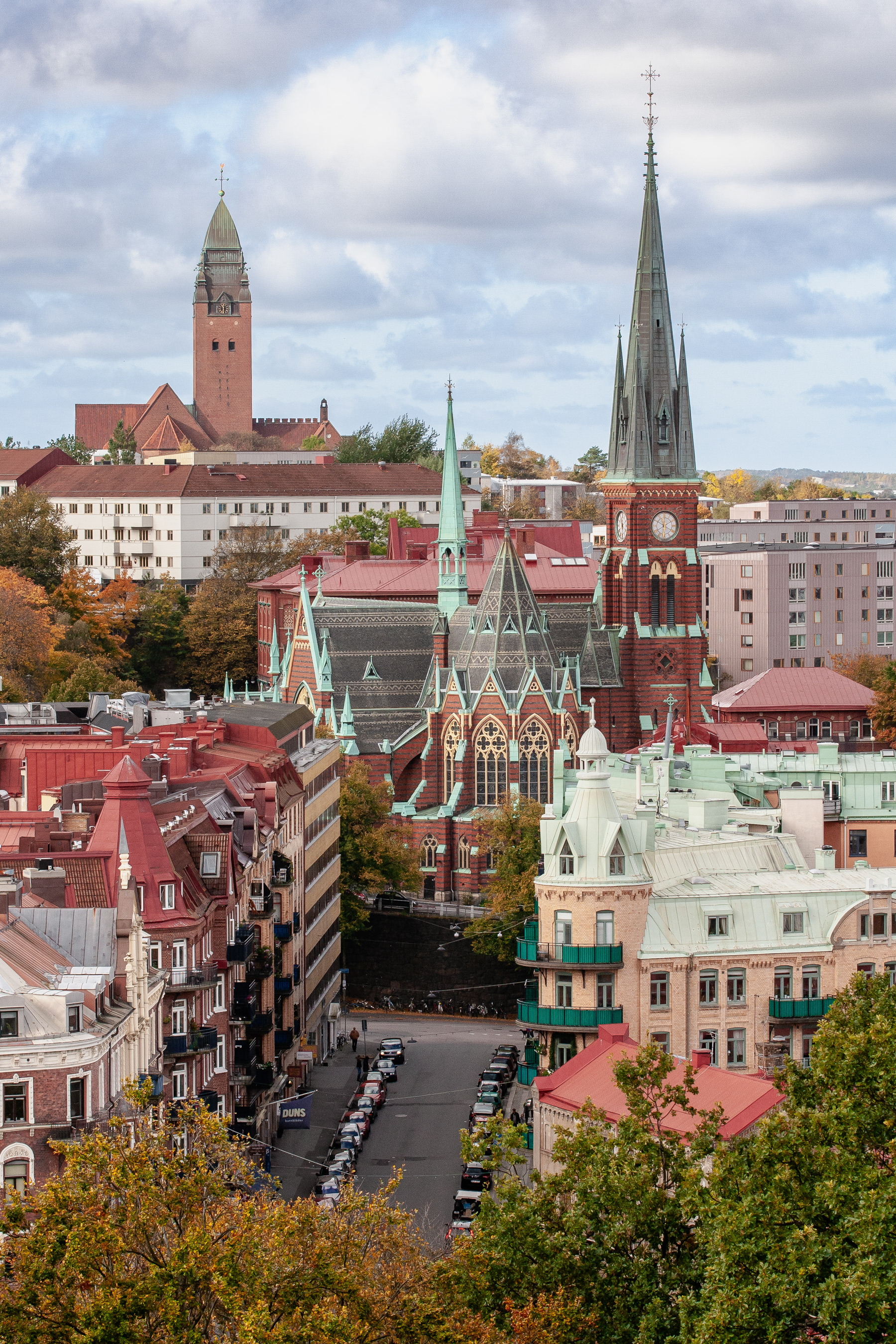
View from Skansen Kronan at the Oscar Fredrik Church, Göteborg, Sweden, October 2012.
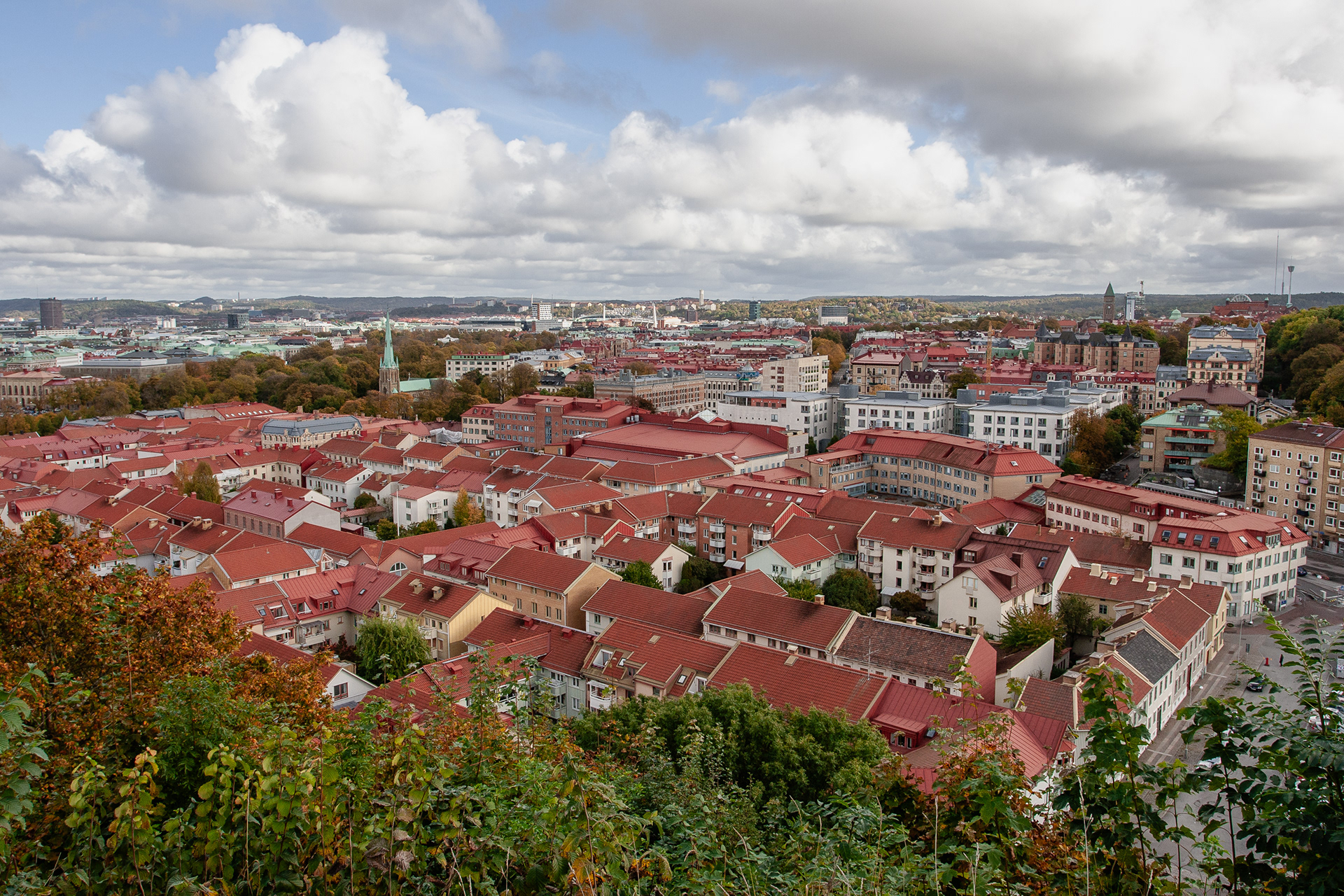
View over Haga and more of Gothenburg from the hill of Skansen Kronan, October 2012. On the far right the Liseberg tower in the amusement park. In the centre near the horizon the Ullevi football stadium.
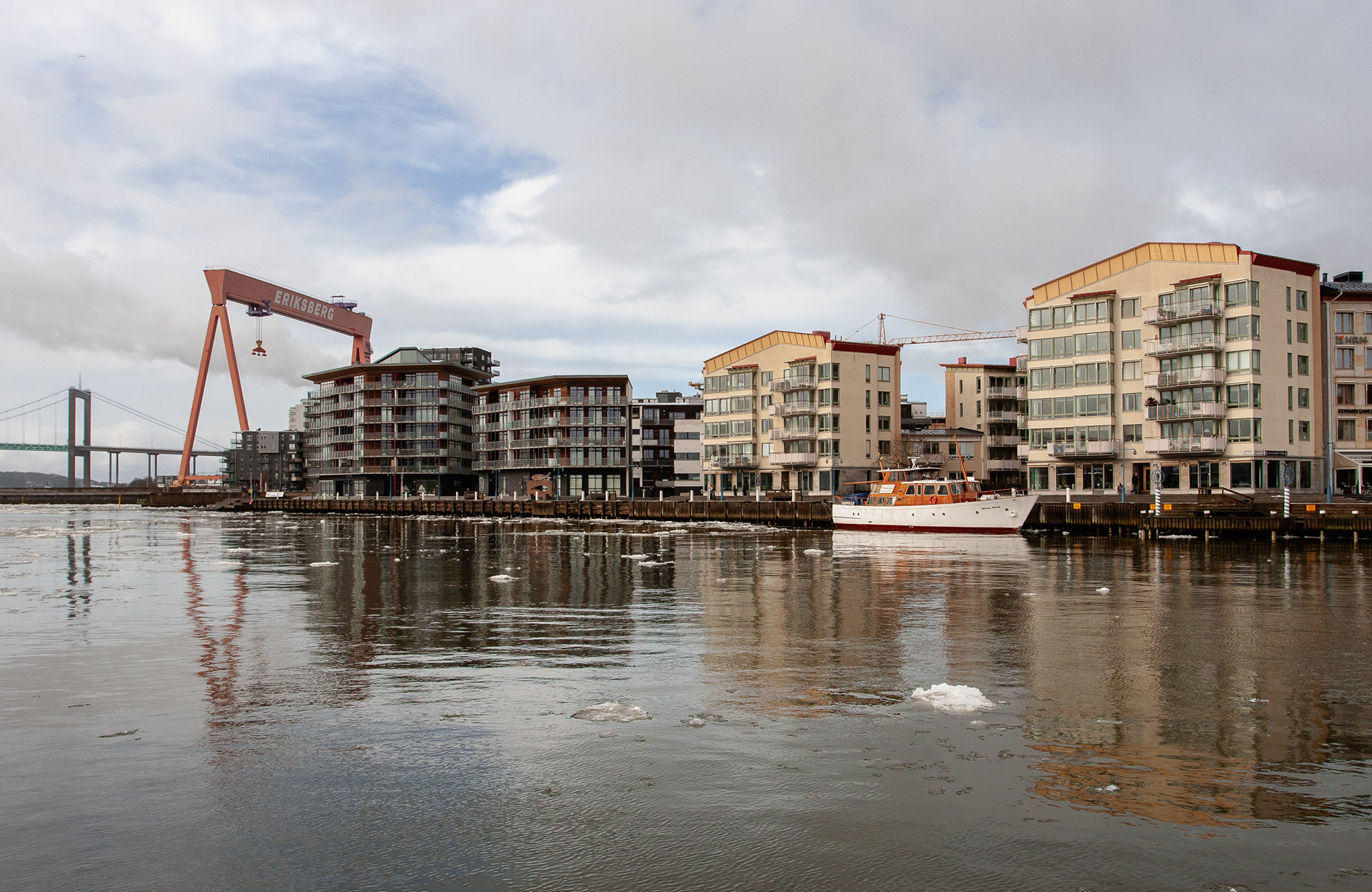
The Eriksberg crane and residential buildings, with further away the "Golden Gate Bridge" of Gothenburg: Älvsborgsbron. February 2012.
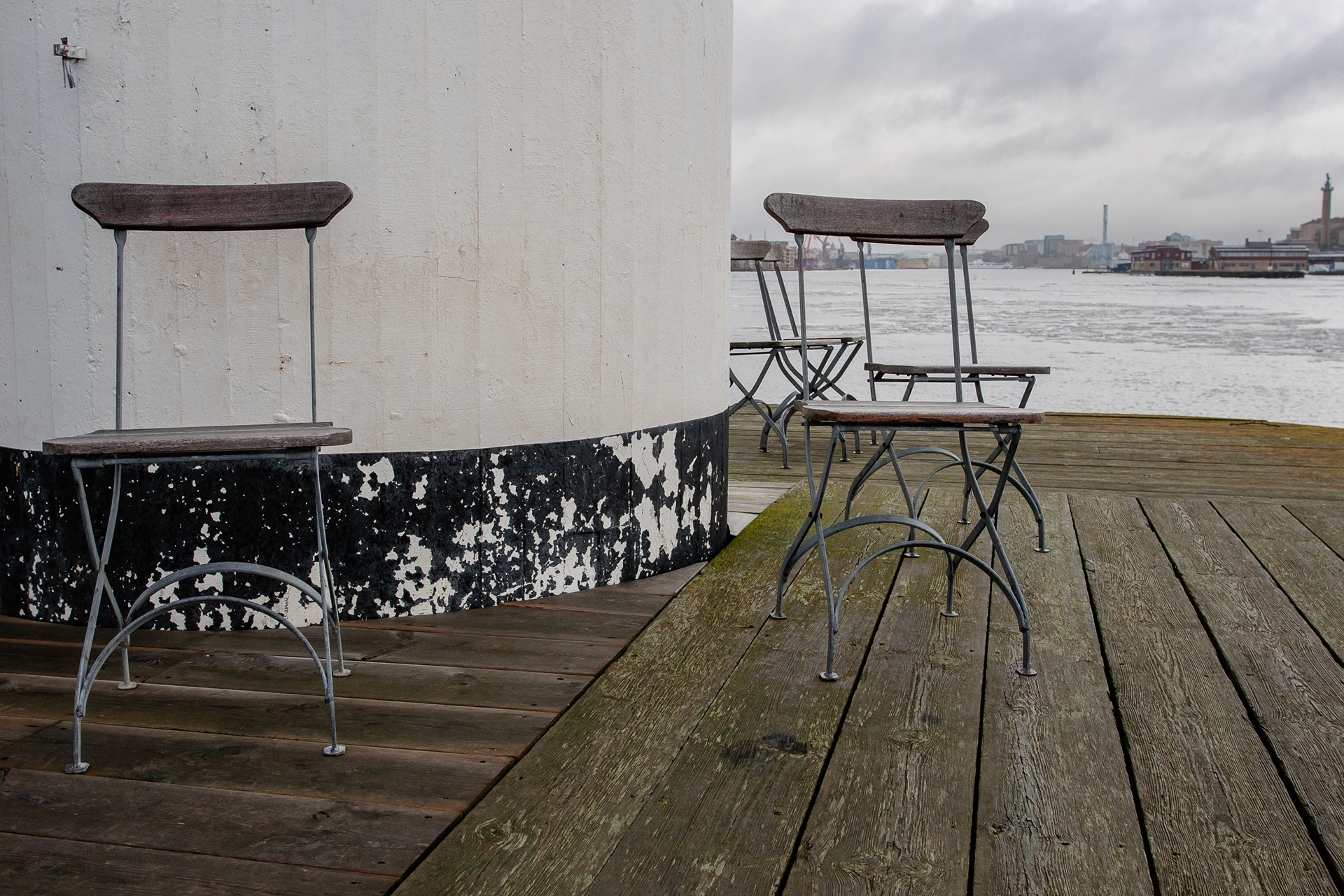
Make-shift outdoor seating on a pier, February 2012.
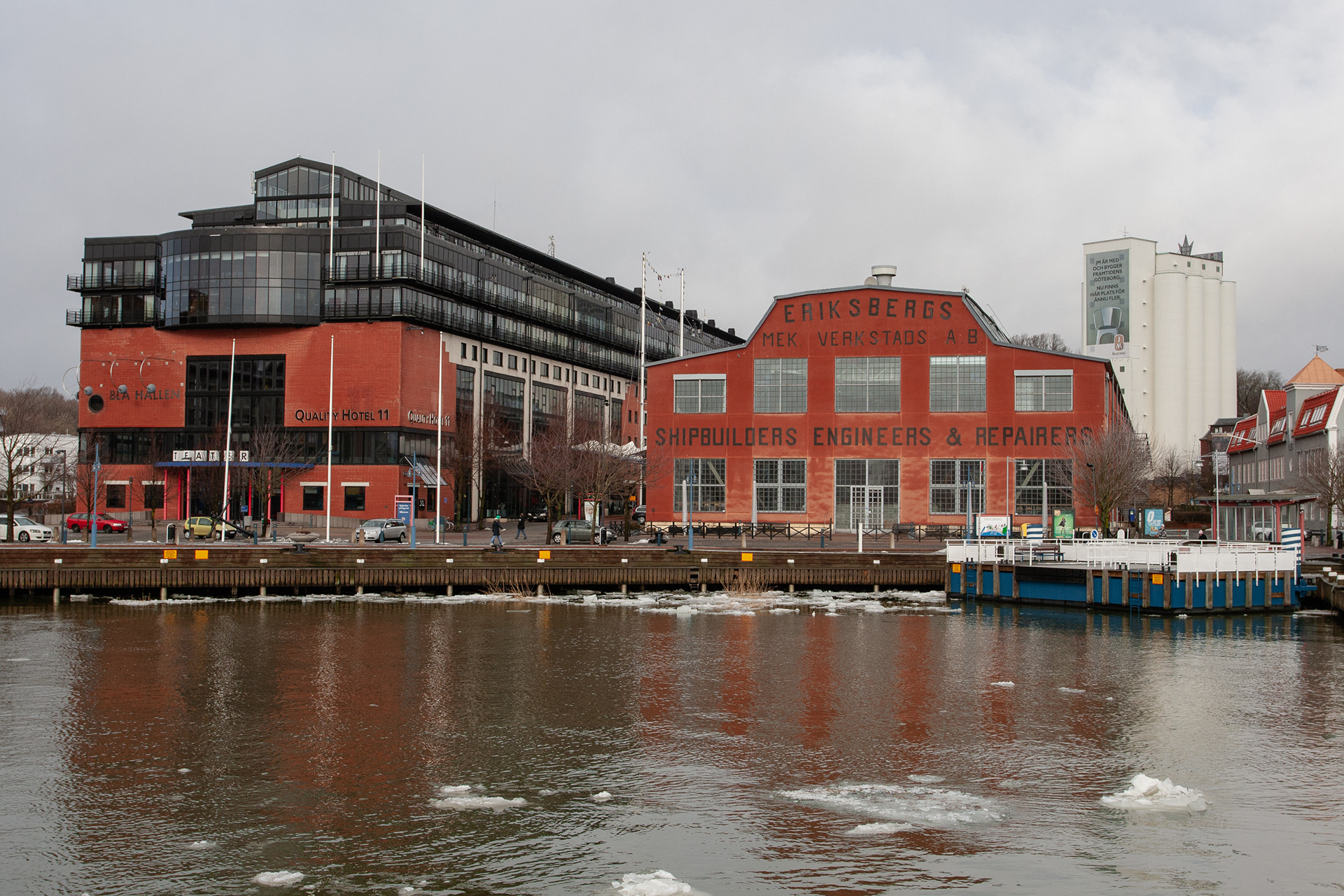
The former Eriksberg Shipyard, with the Eriksbergshallen (left) turned into a hotel, February 2012.
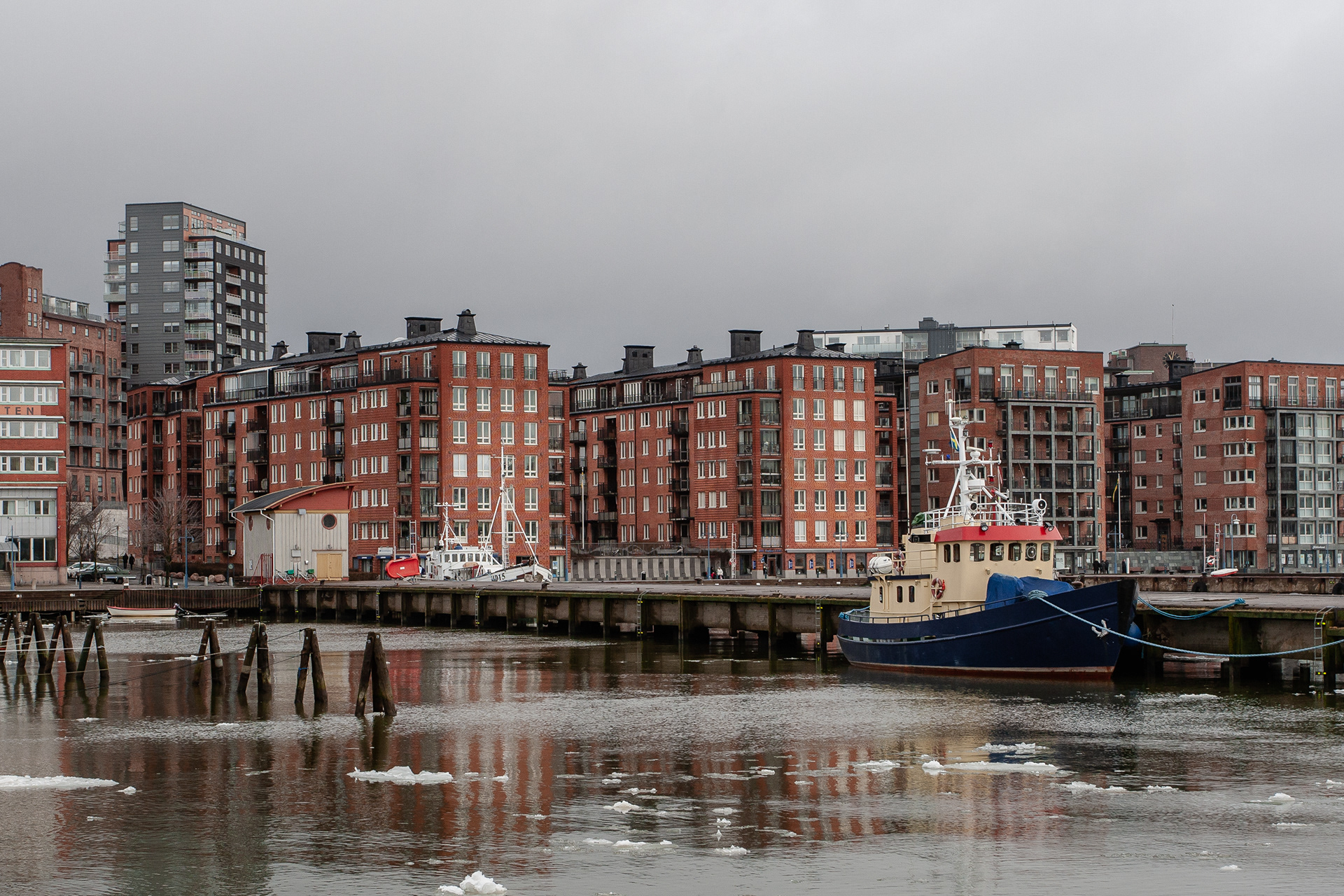
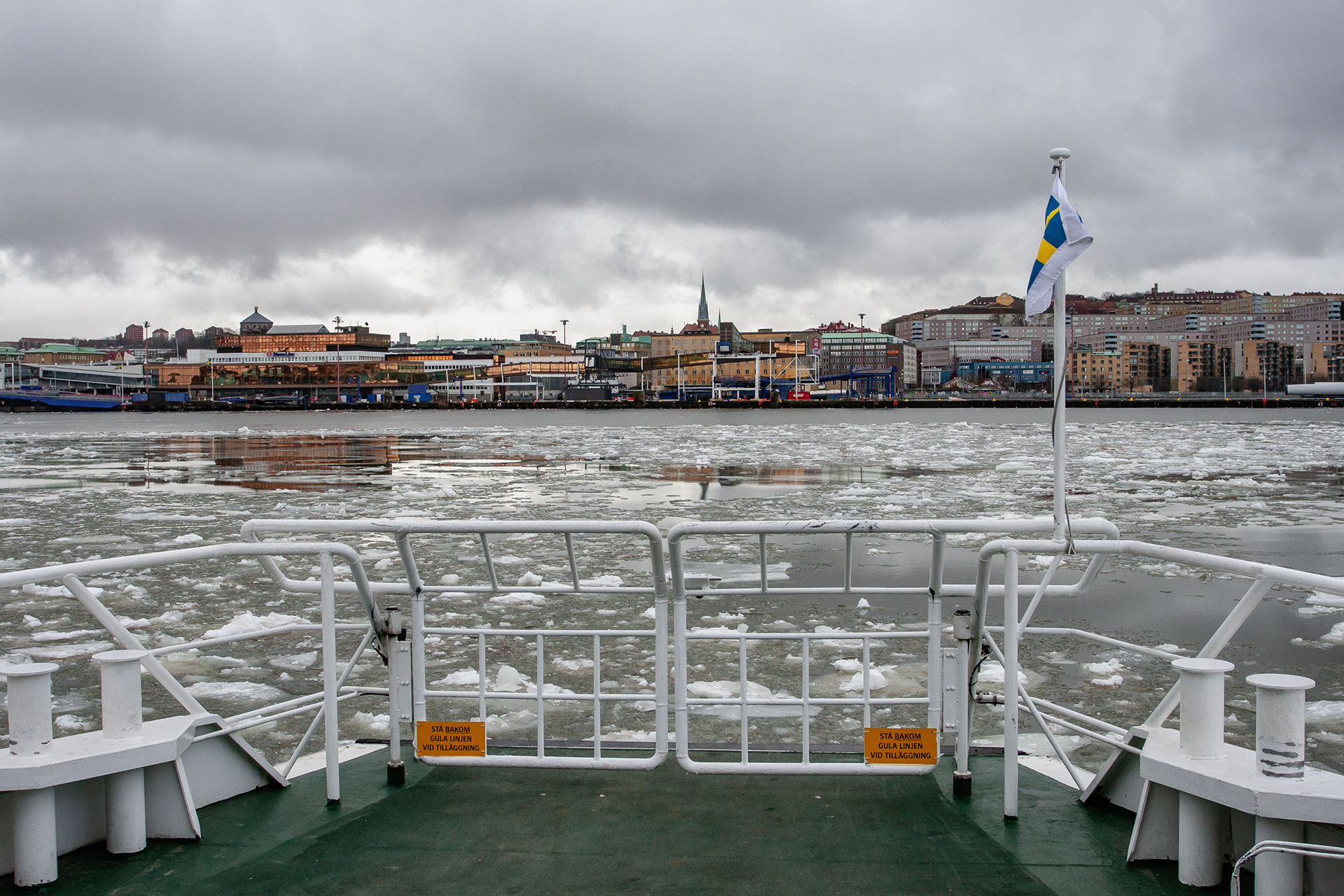
Facing the southern banks (city side) of the Göta river from the stearn of the Älvsnabben public transport river boat, February 2012.
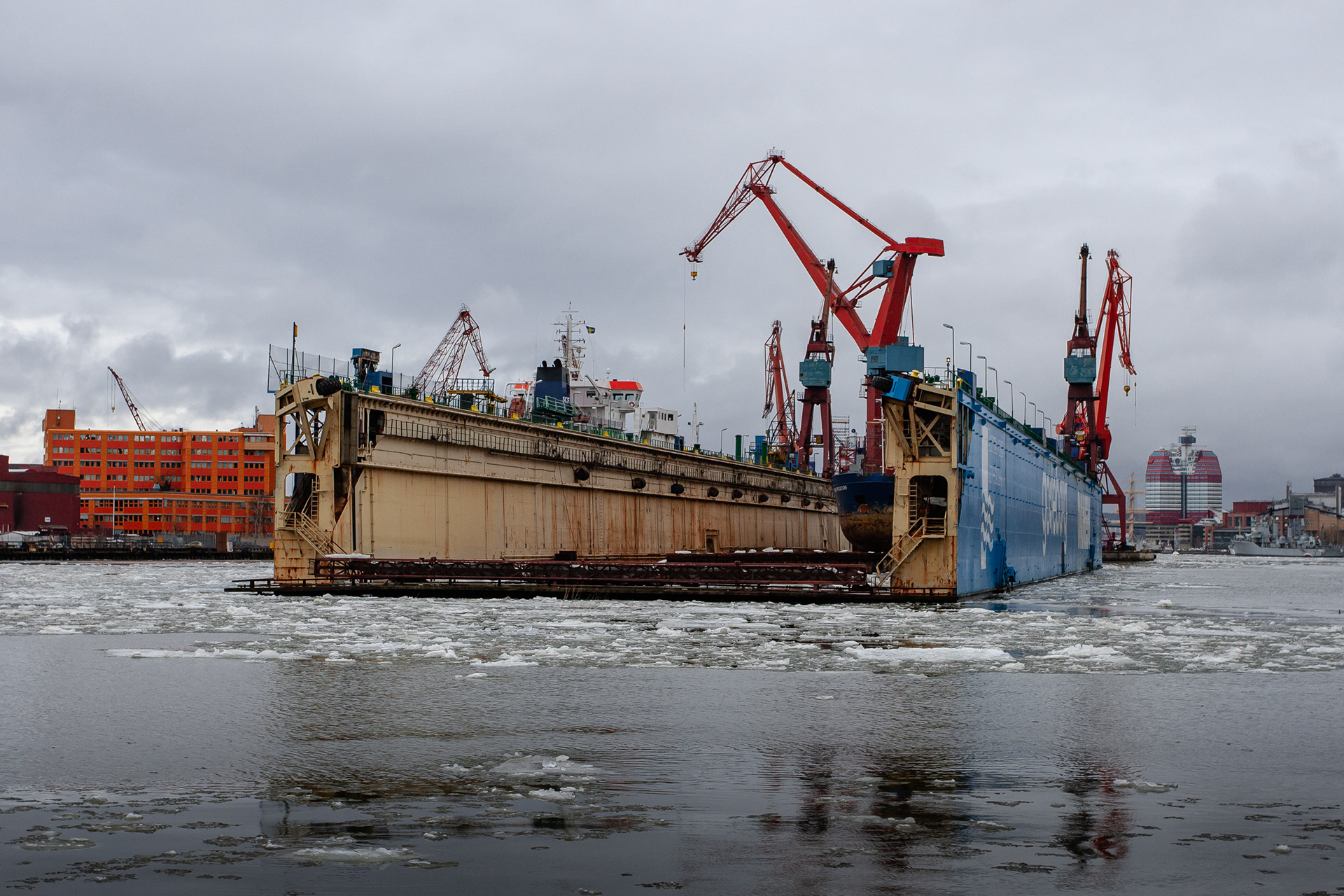
A Damen Shipyards floating dry dock in the Gothenburg harbour, February 2012.
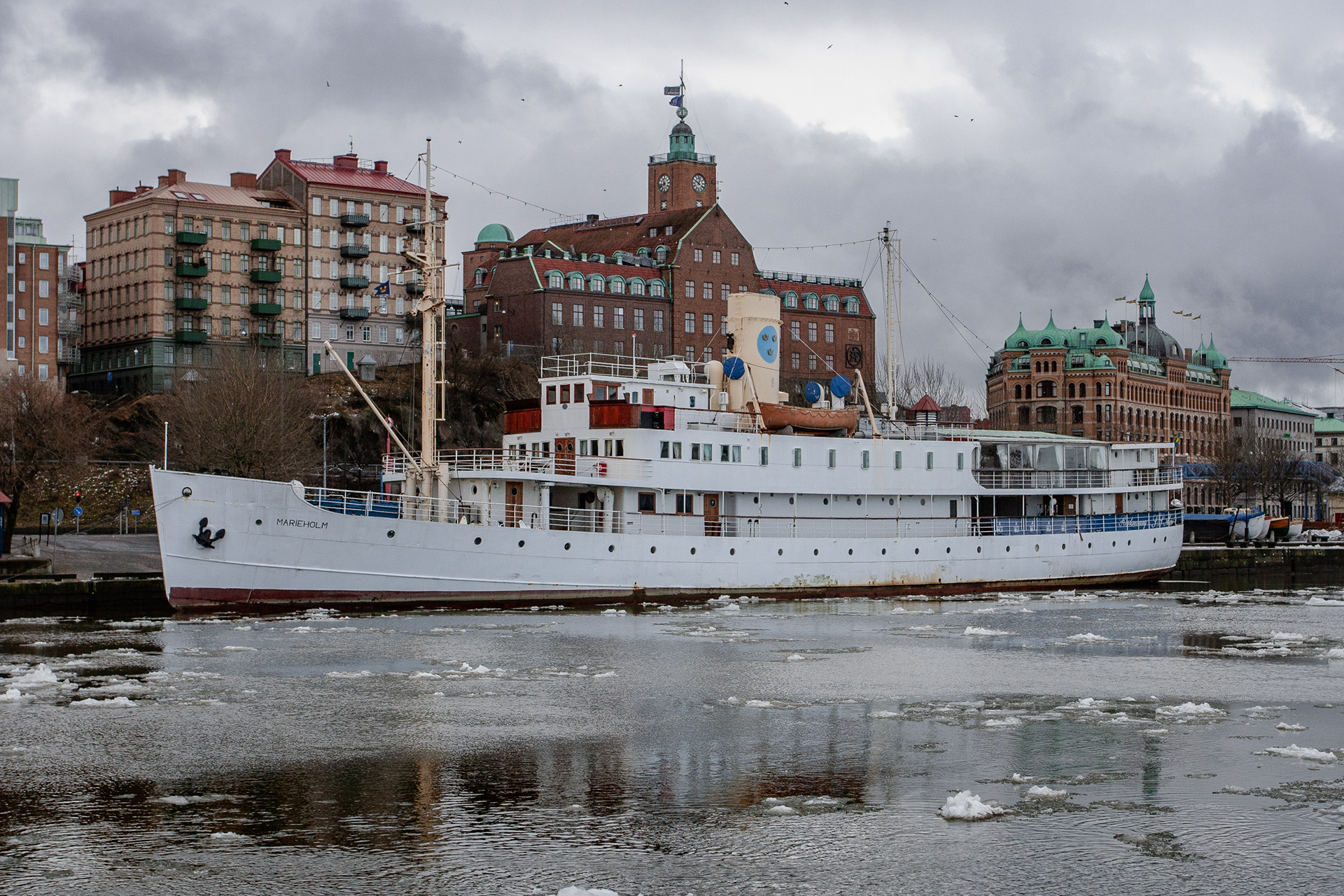
The motorshiop Marieholm at the centre-side quay, February 2012.

The Älvborgsbron bridge and the Eriksberg crane, October 2012.
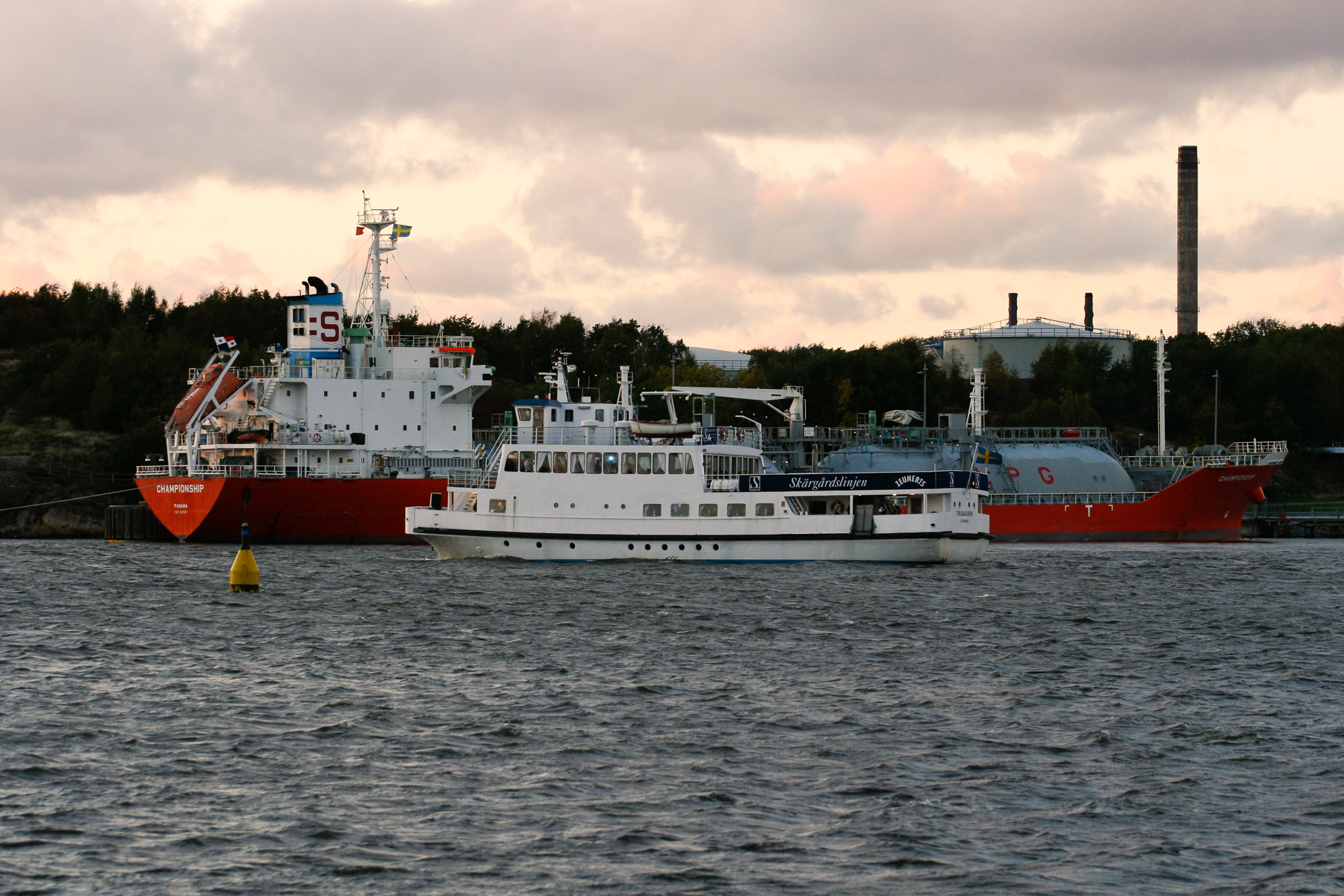
LPG bunker ship Championship and a ferry boat to the Gothenburg archipelago, October 2012.
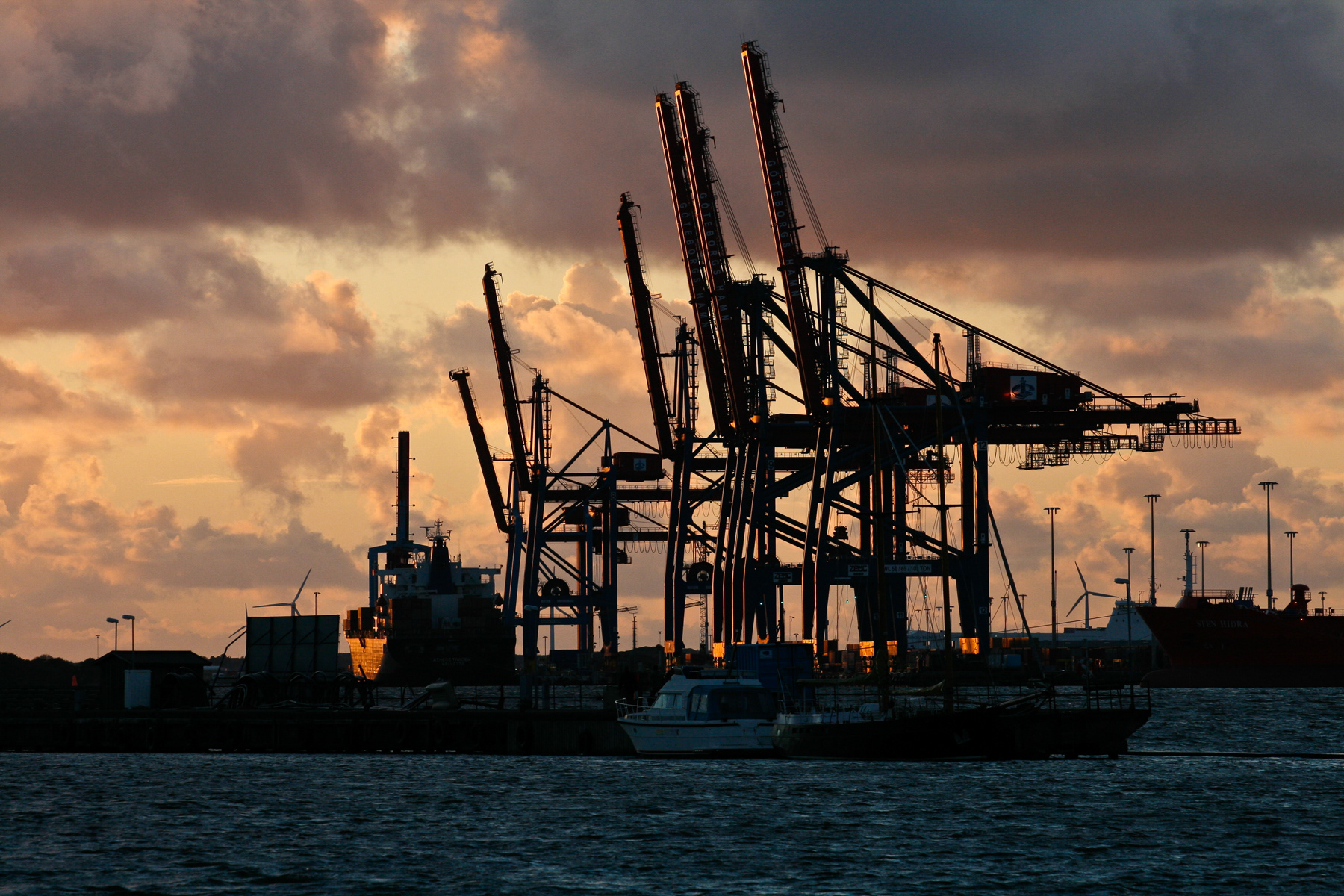
Harbour cranes at sunset, October 2012.
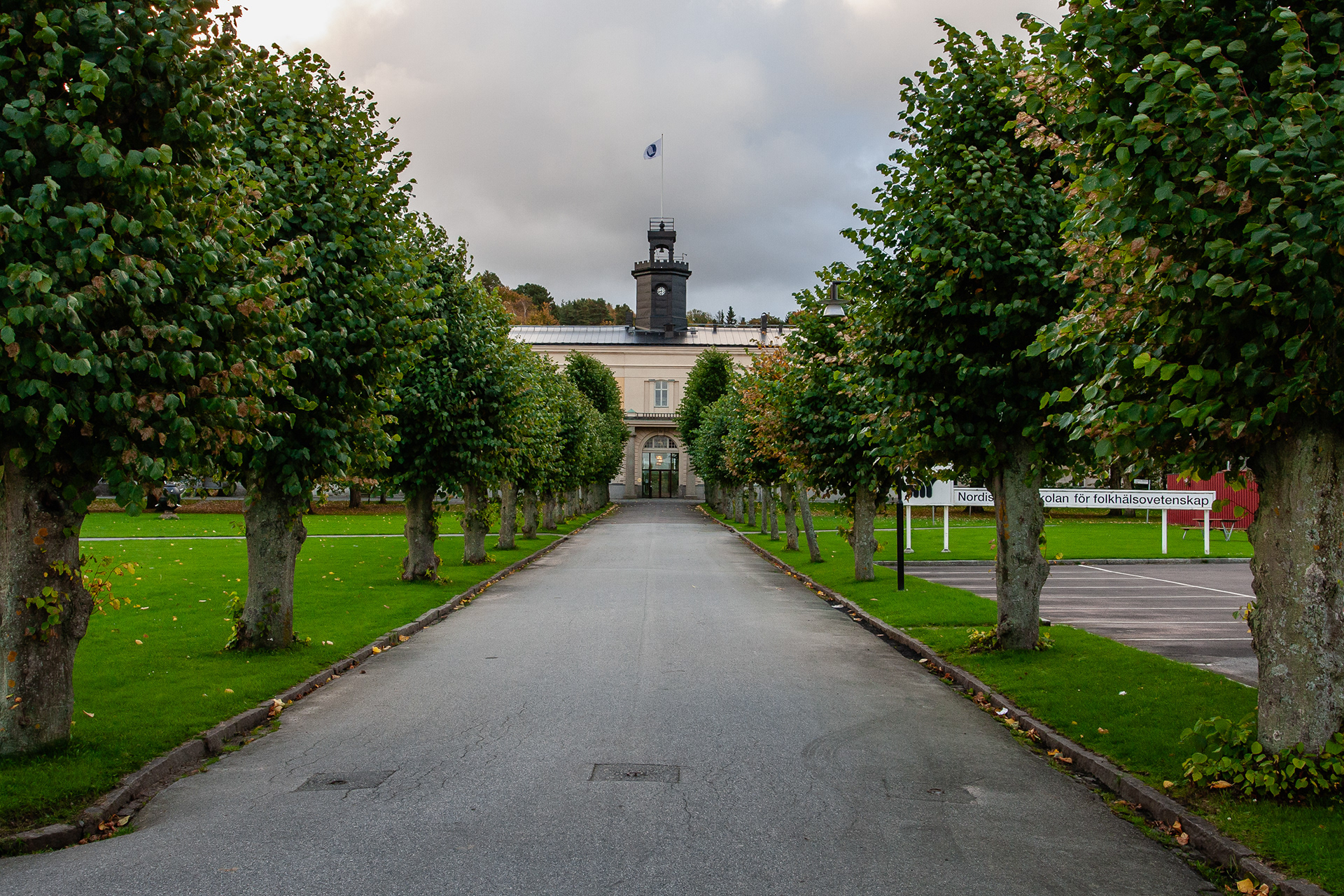
The old administrative building, part of the former military barracks of Nya Varvet, Gothenburg. The original guards house is from 1820.
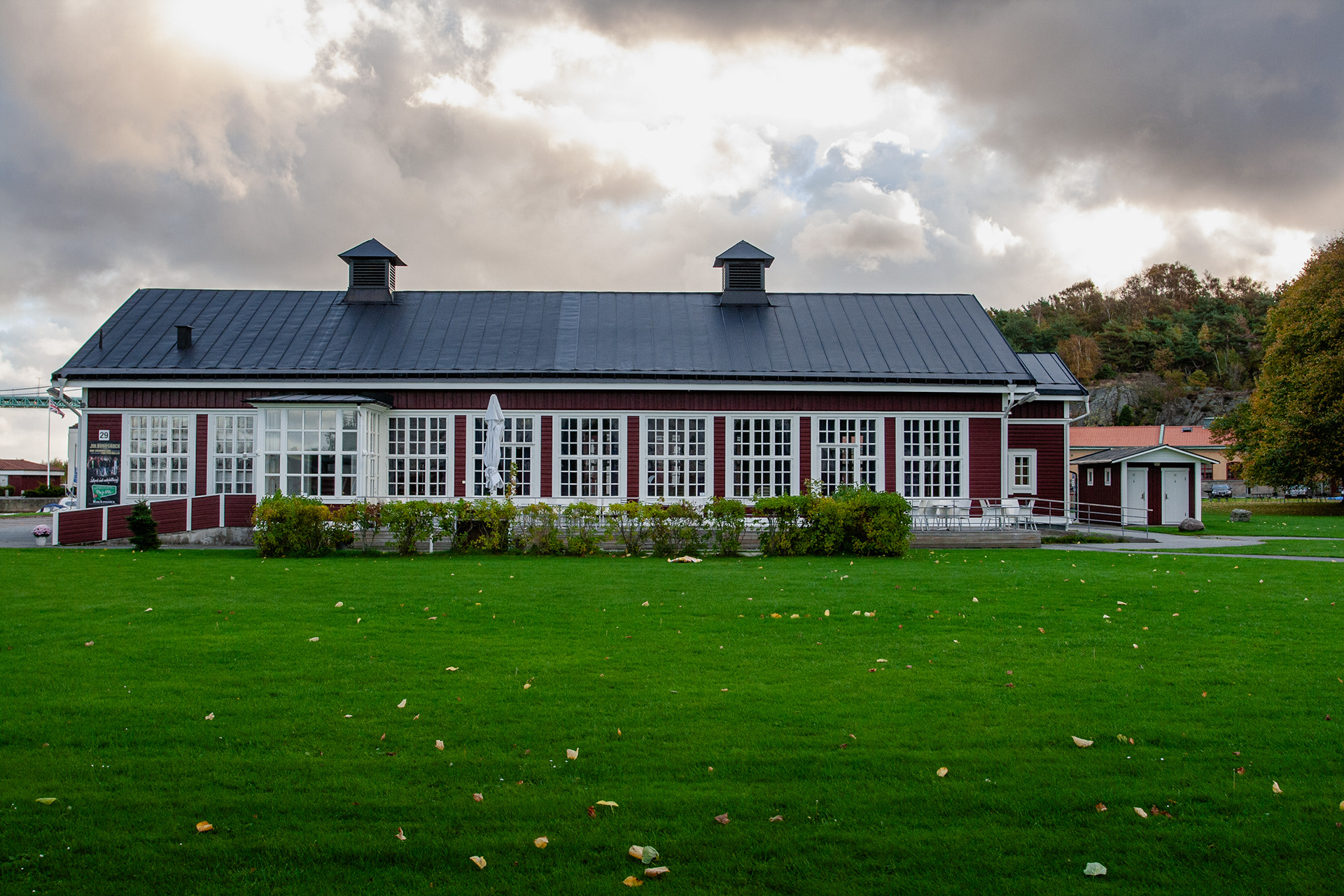
Former military buildings at Nya Varvet.
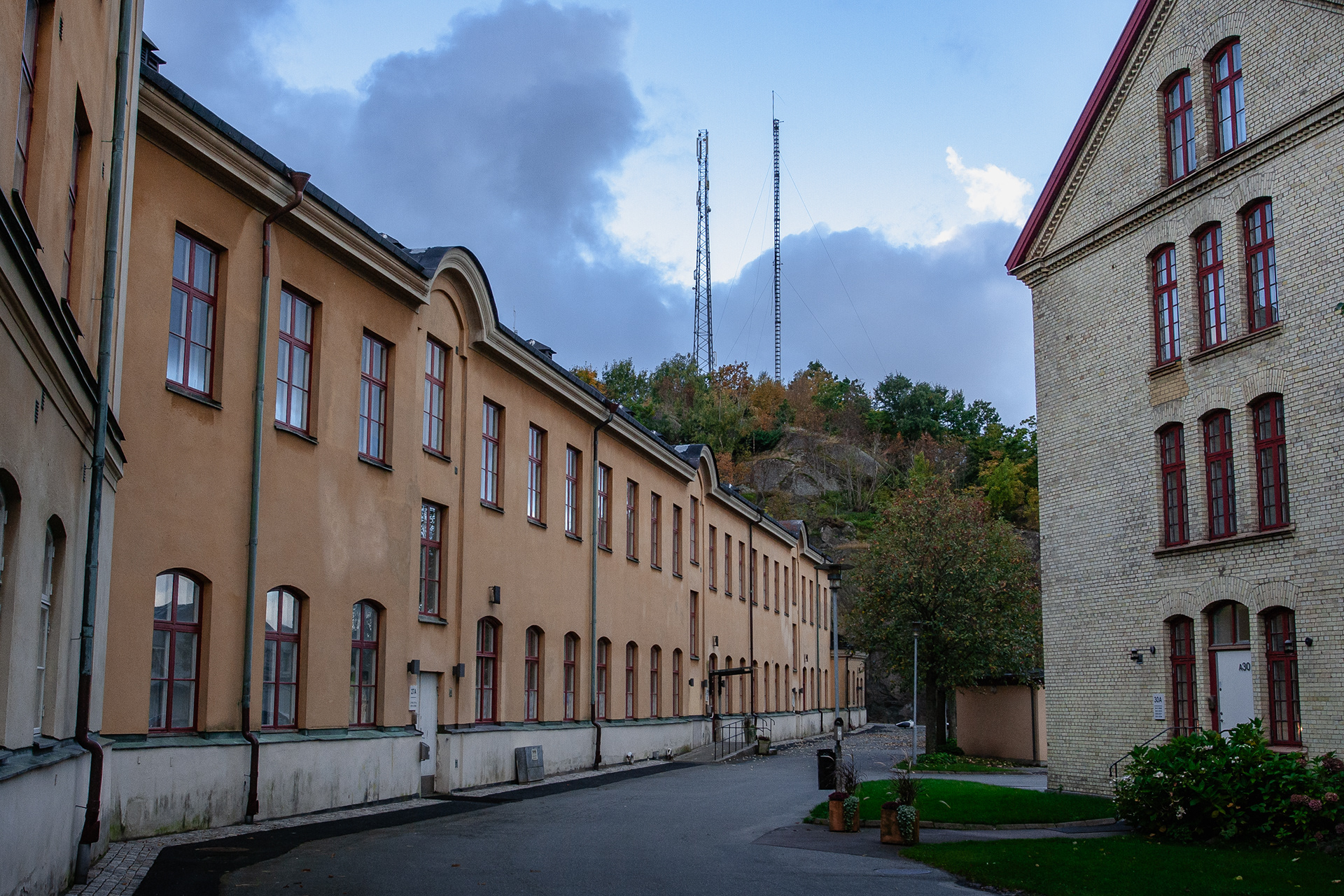
Former military buildings of Nya Varvet.
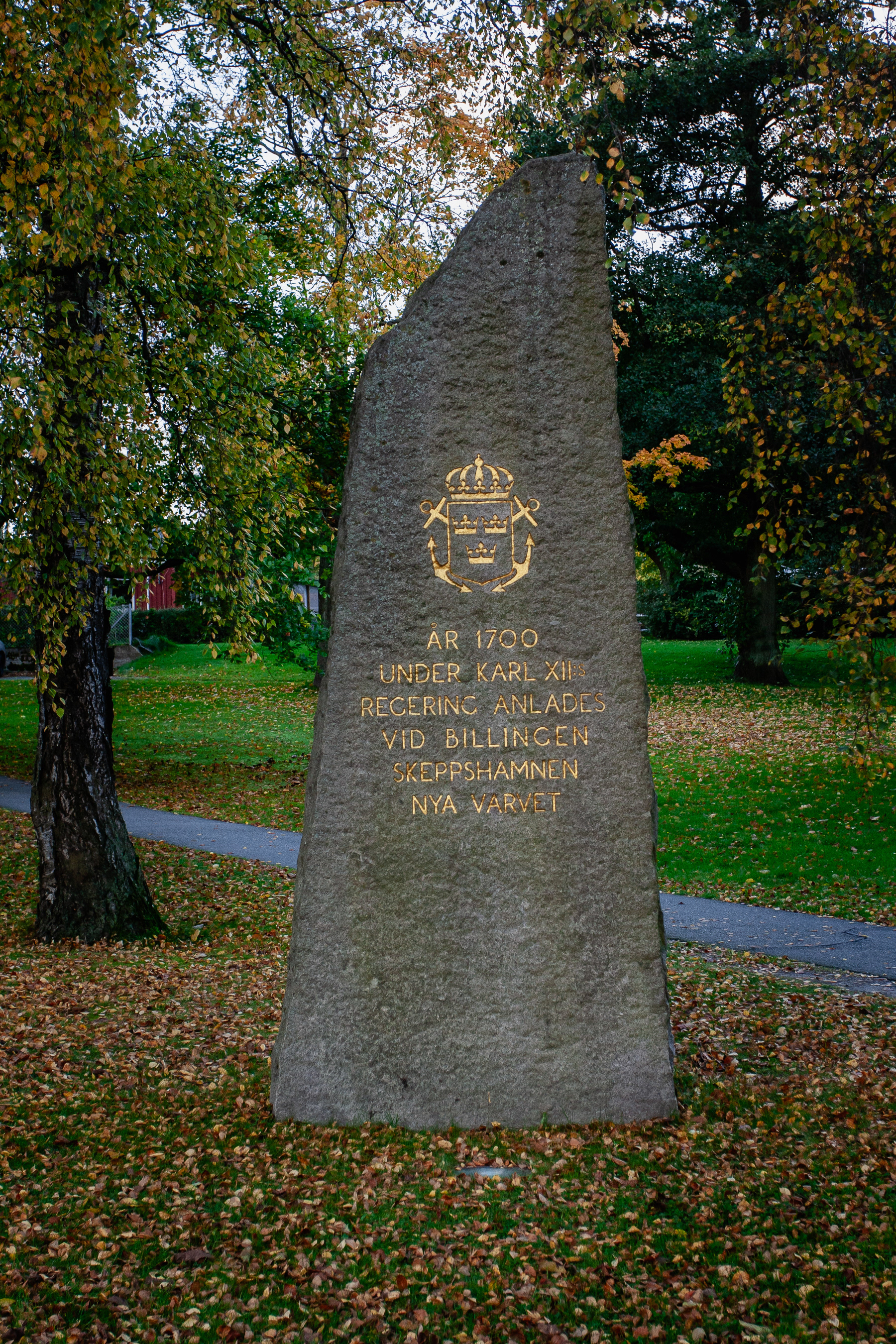
The stone that commemorates the commissioning of Nya Varvet in 1700.
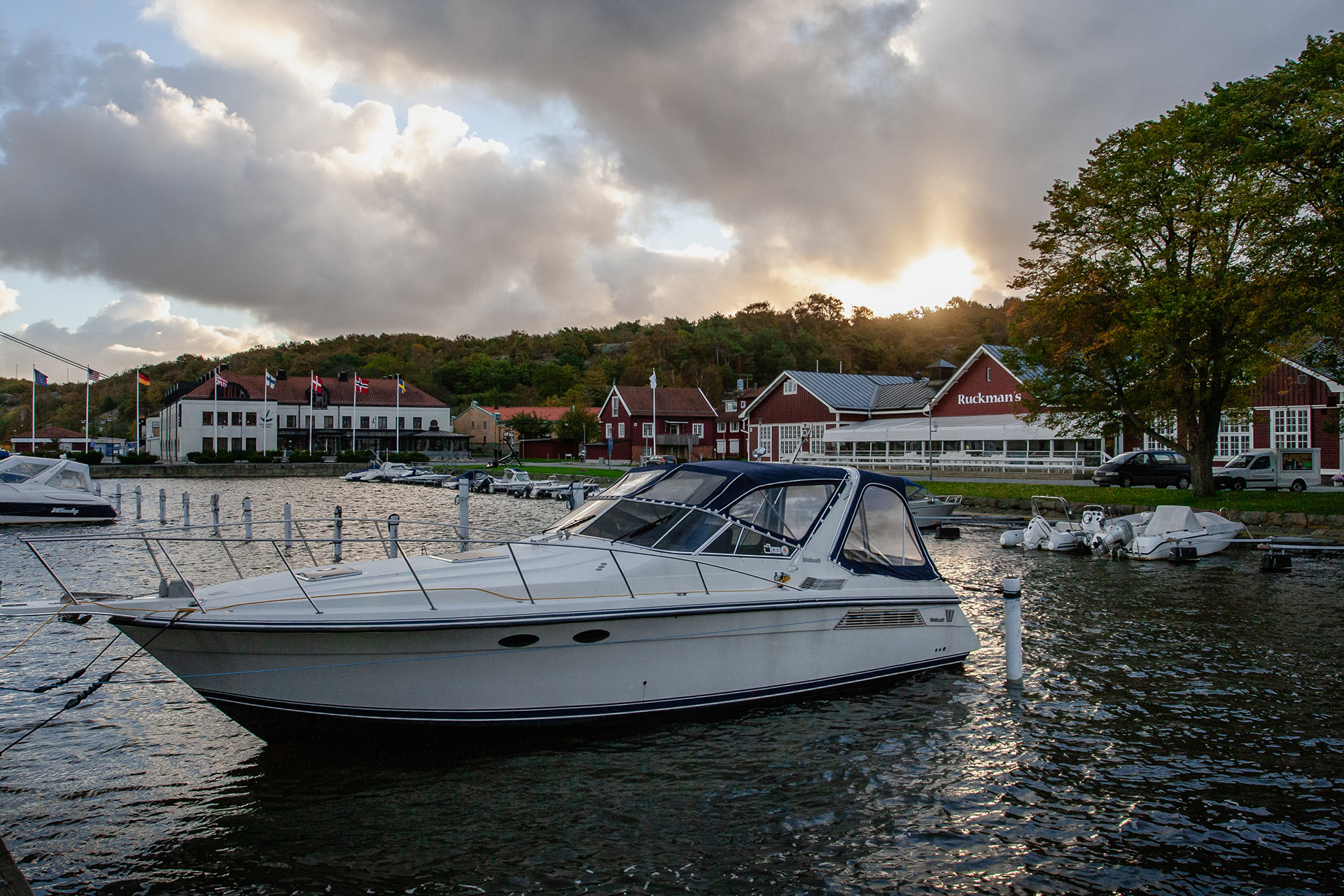
The former military base of Nya Varvet.
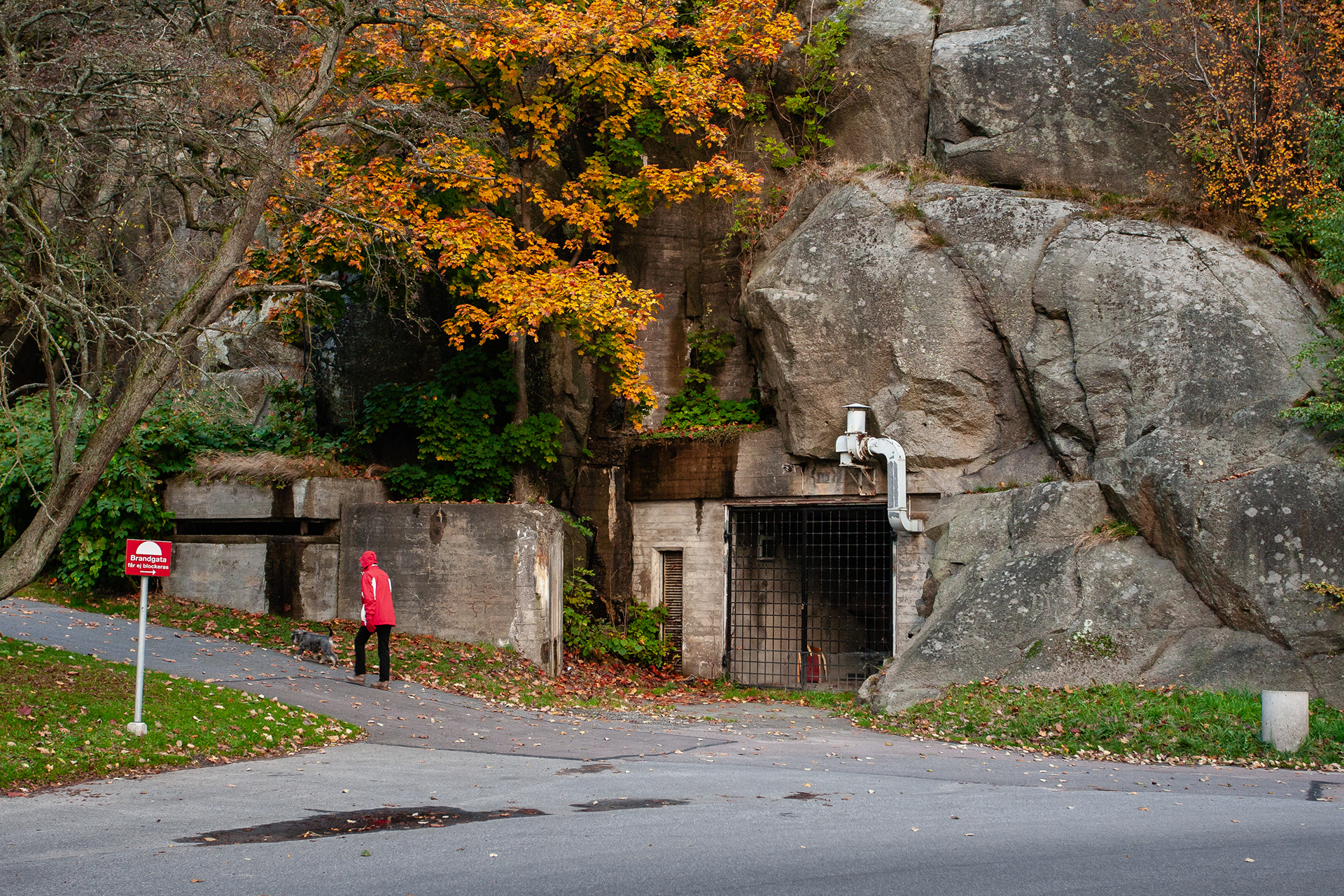
Entrance to a bunker inside the rocks, Nya Varvet, Gothenburg.
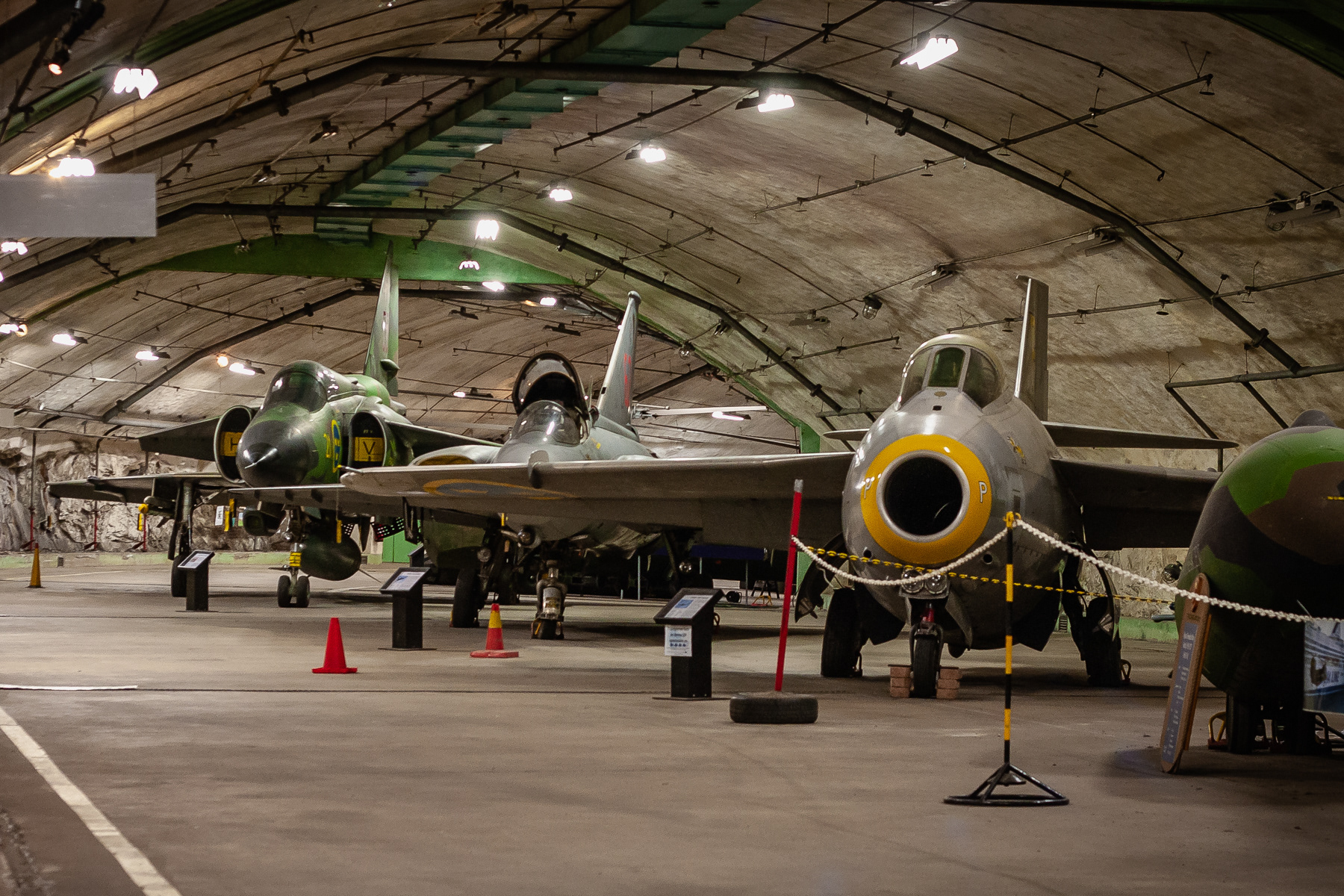
Historic Swedish Saab fighter jets inside the underground base that is now the Aeroseum, north of Gothenburg, February 2015.