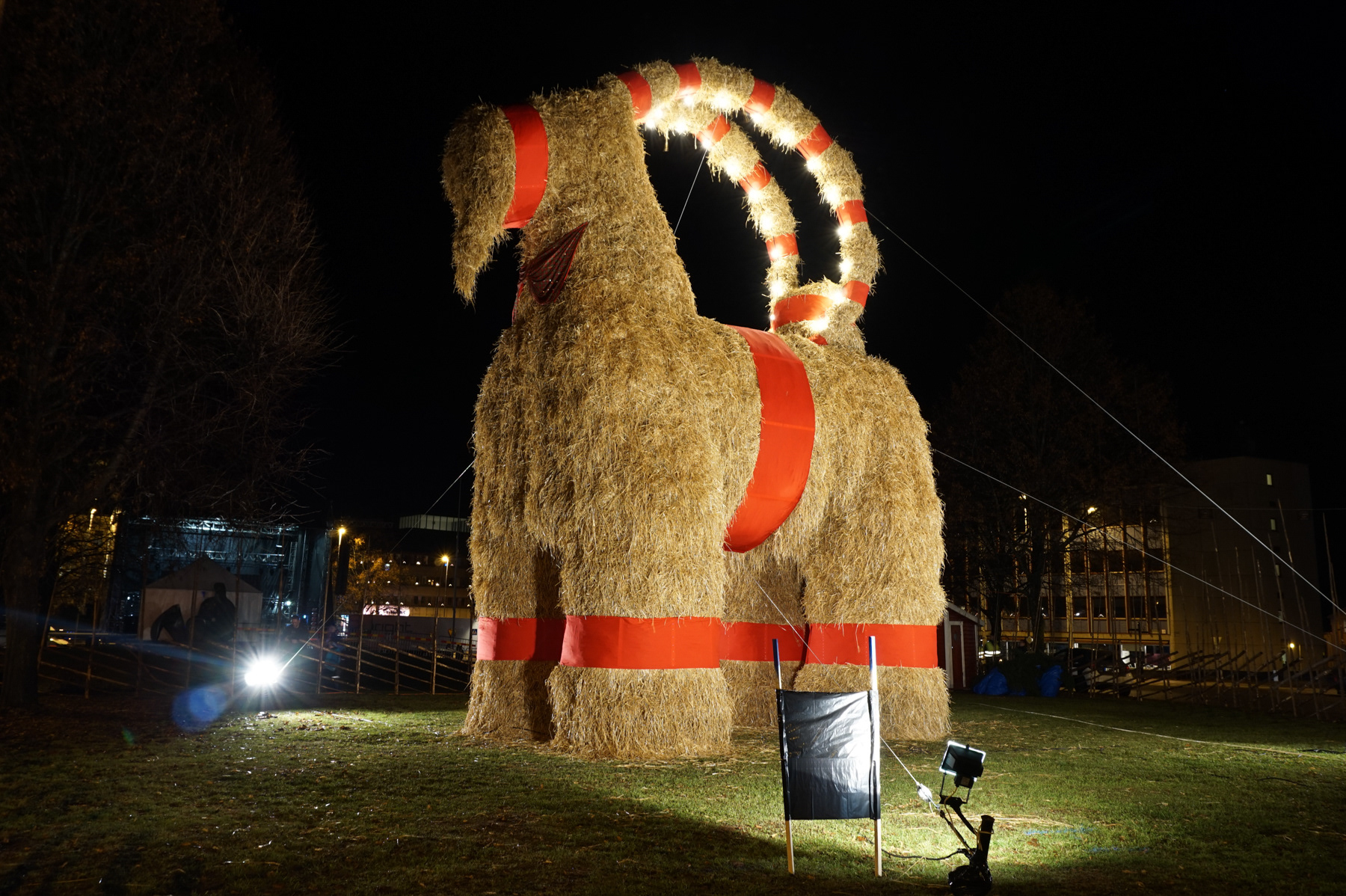
Gävlebocken, November 2016

Gävlebocken, November 2016
His straw hair flutters gently in the wind. Proudly overlooking the small grassy area of ​​Slottstorget,  Gävlebocken stands 13 metres (43 feet) tall. But for how long? 
In the run-up to Christmas, the Gävle Goat is the main attraction in Sweden's thirteenth-largest city and the southernmost municipality of Norrland — the northern half of the country. Since the goat's "birth" in 1966, setting it on fire has been a local sport. However, this is prohibited, and the municipality does its utmost to prevent it from being burned down. For example, in 2001, a 51-year-old American tourist was convicted of vandalism and arson. He claims to have heard that it was traditional to set the animal on fire. The perpetrators in 20025 were a Santa Claus shooting flaming arrows and a living gingerbread man.
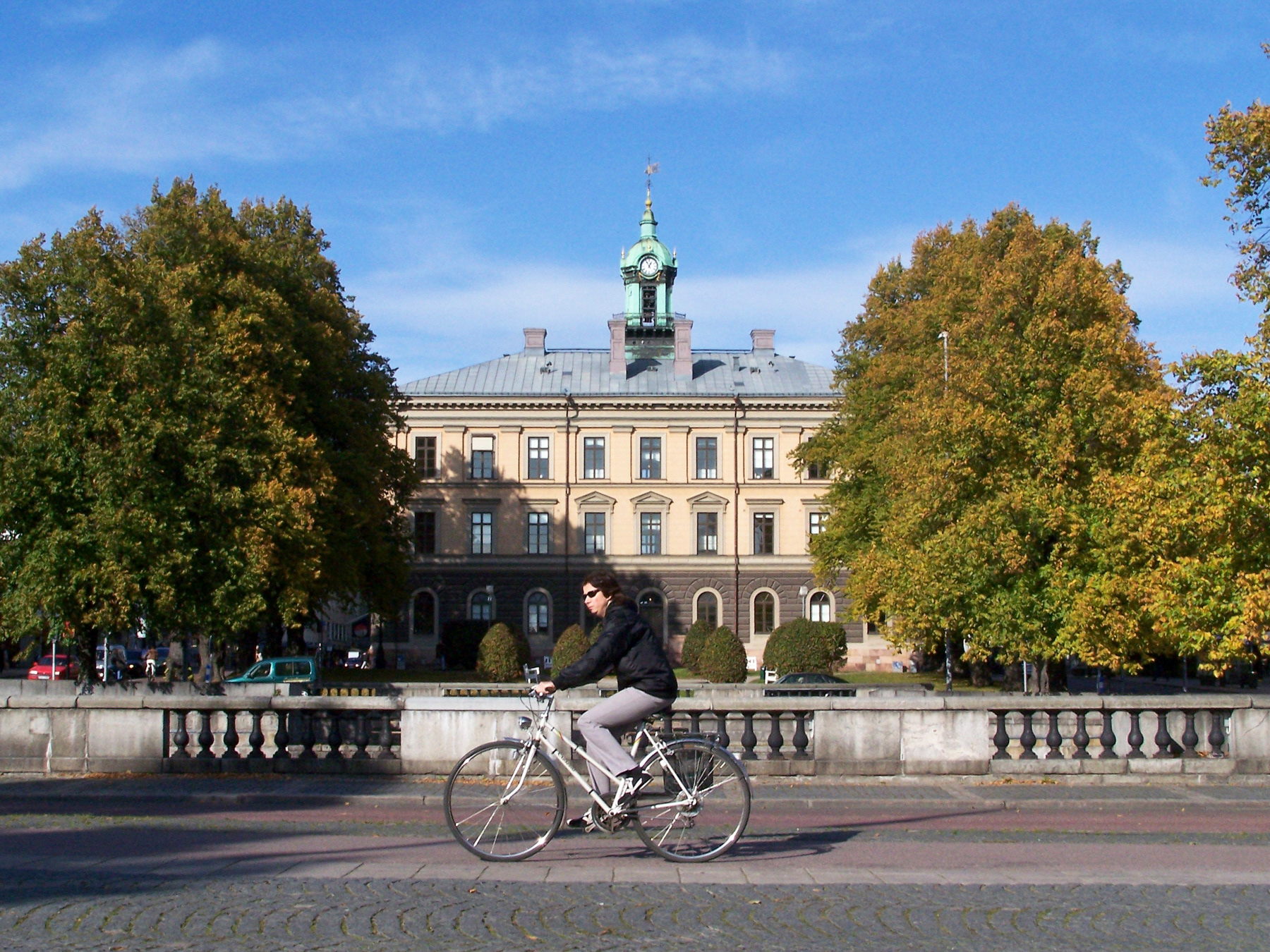
The historic city hall, September 2008.
The historic city hall, September 2008.

What Gävle has to offer
Gävle, of course, has more to offer than just the Christmas goat. Sweden's second-largest animal and amusement park, Furuvik, is located near the city. So are the country's official railway museum and the largest coffee factory (Gevalia). For some time, Sweden's only whisky brand, Mackmyra, was produced in a small village just outside Gävle. 
The region in and around Gävle is called Gästrikland (Gävleborgslän County). Gävle is an ideal springboard for venturing further inland to the copper mines of Falun (a UNESCO World Heritage Site), the mountains of Dalarna, Färnebofjärdens National Park, and the Vallonbruk/Roslagen region in Uppland.
To the north, Gästrikland borders the Hälsingland region, whose southern towns of Bollnäs and Söderhamn are easily accessible from Gävle before heading into Dalarna. The ties between Hälsingland and Gästrikland are strong, as they together form the province of Gävleborgslän.
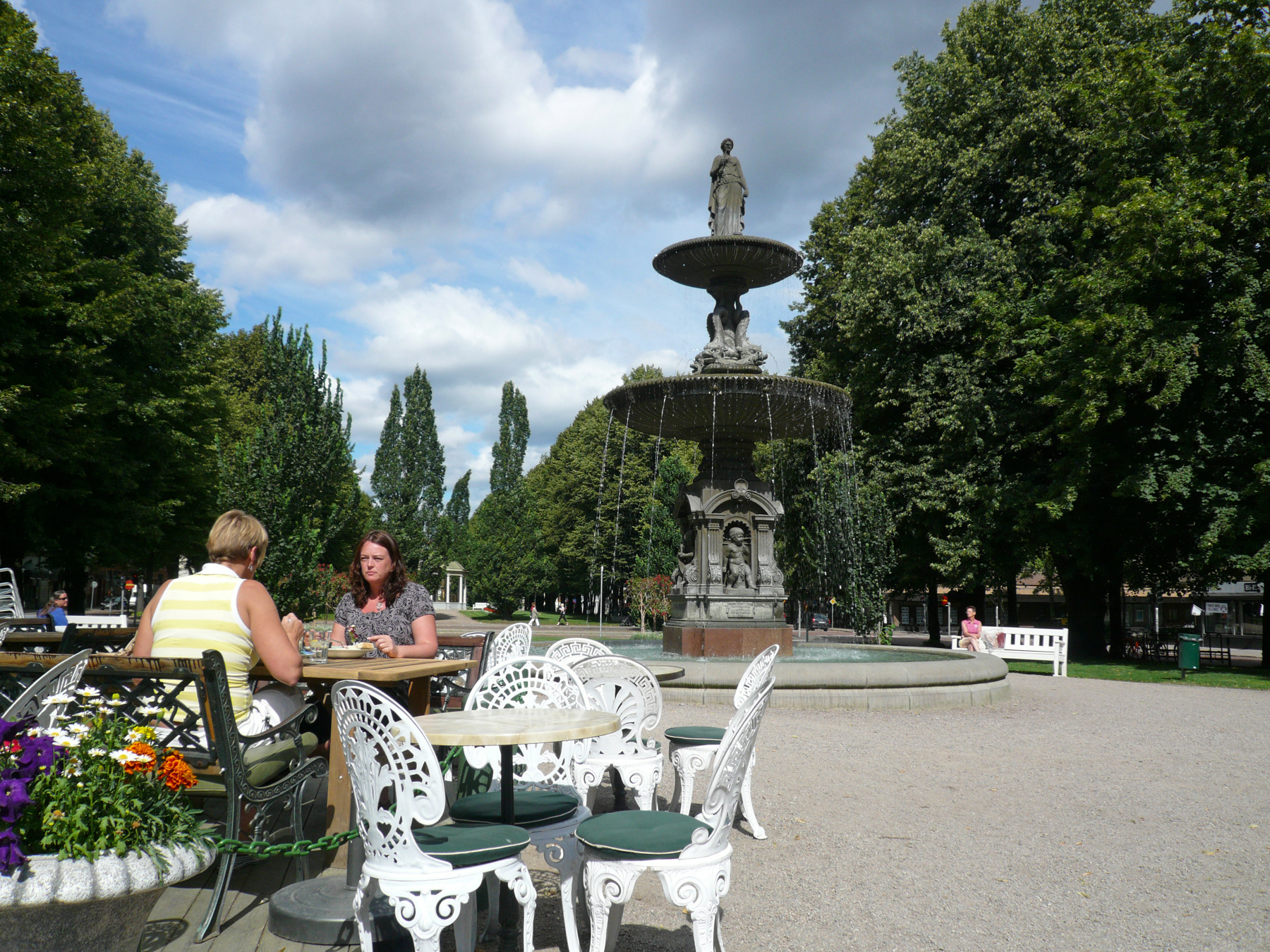
Rådhusesplanaden, August 2007.

Rådhusesplanaden, the urban park behind the former city hall, used to have a nice French-styled café, seen here in August 2007.
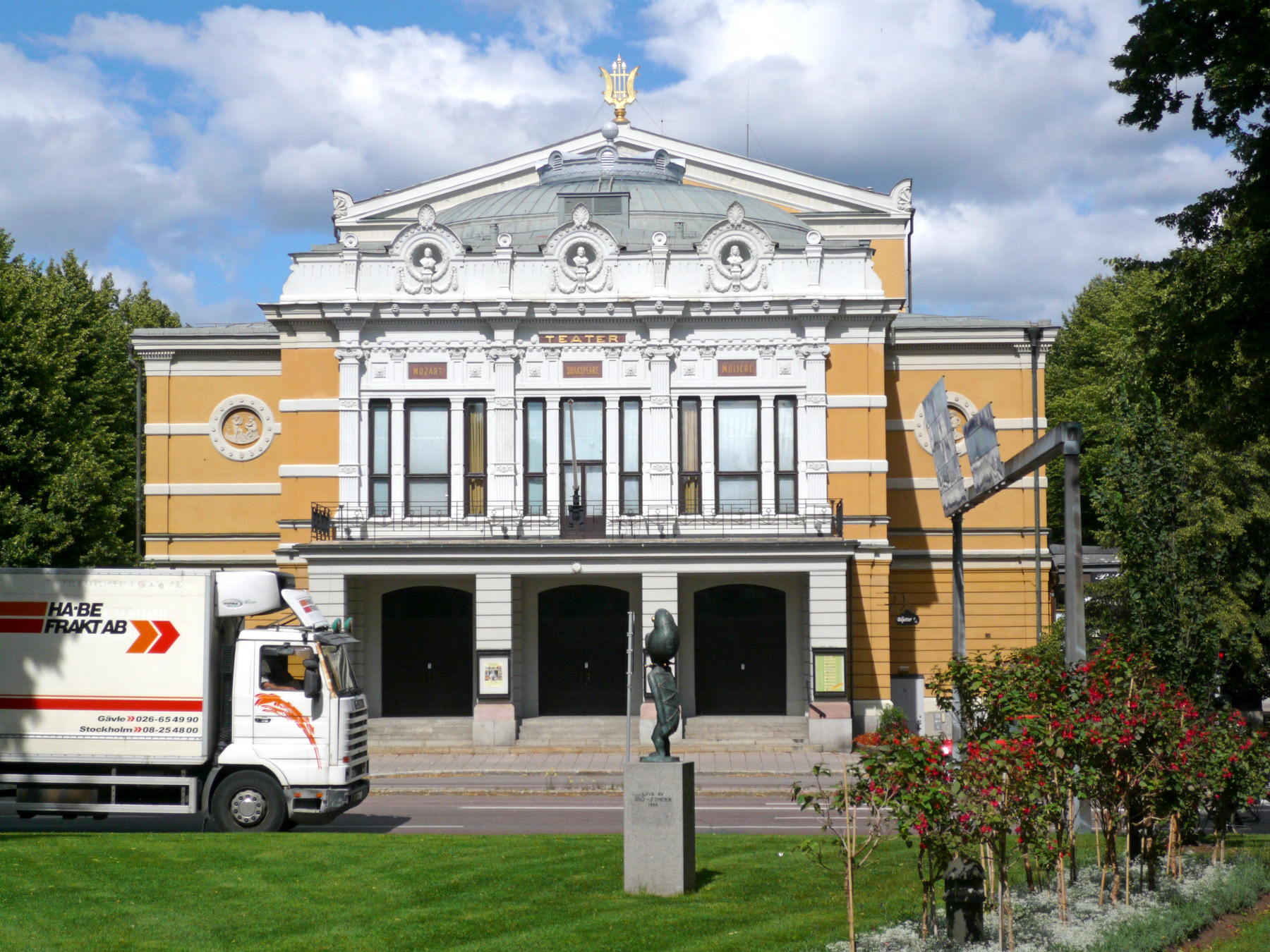
Gävle Theater, August 2007.

Gävle Theate, August 2007.
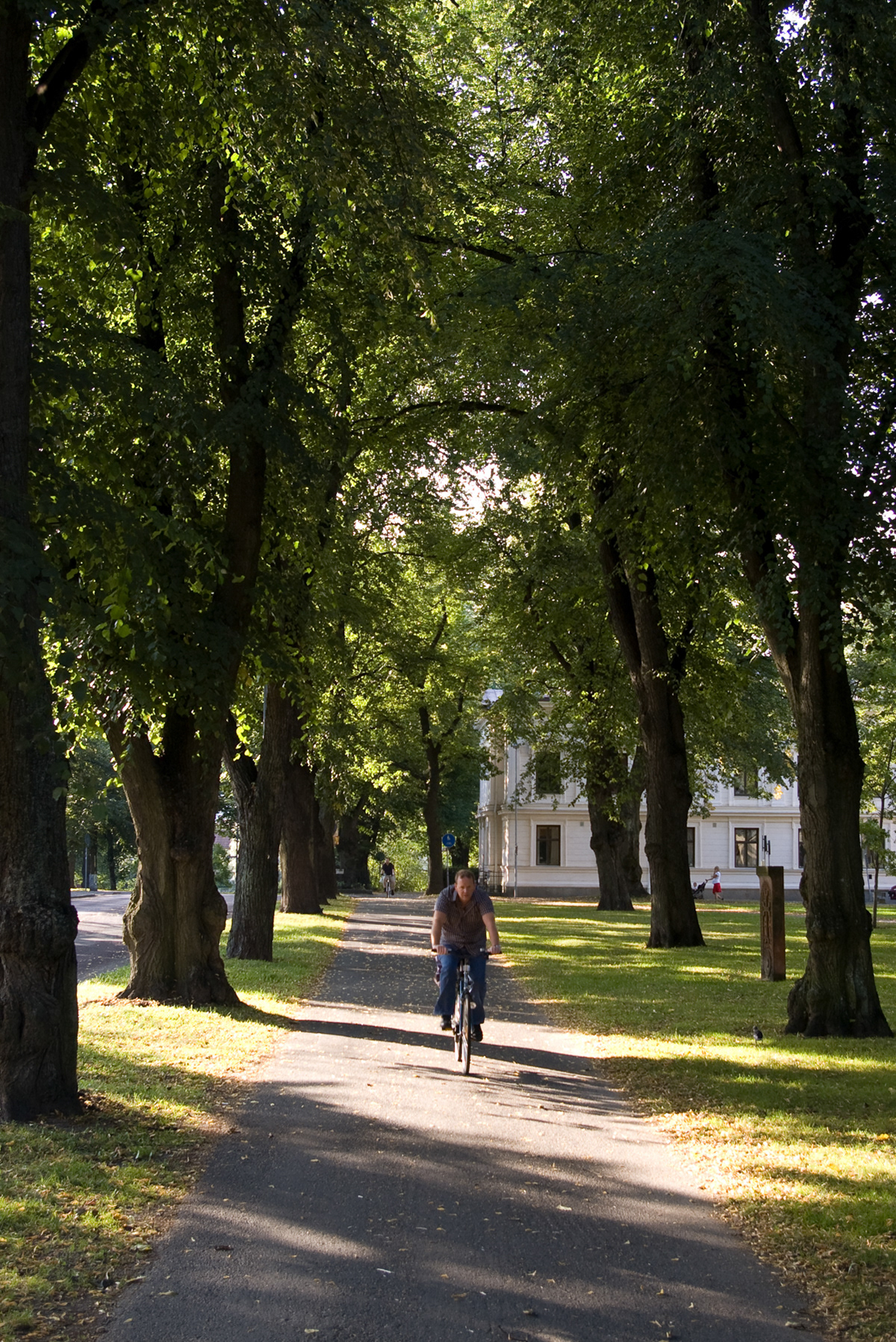
Kaplansgatan, August 2007.
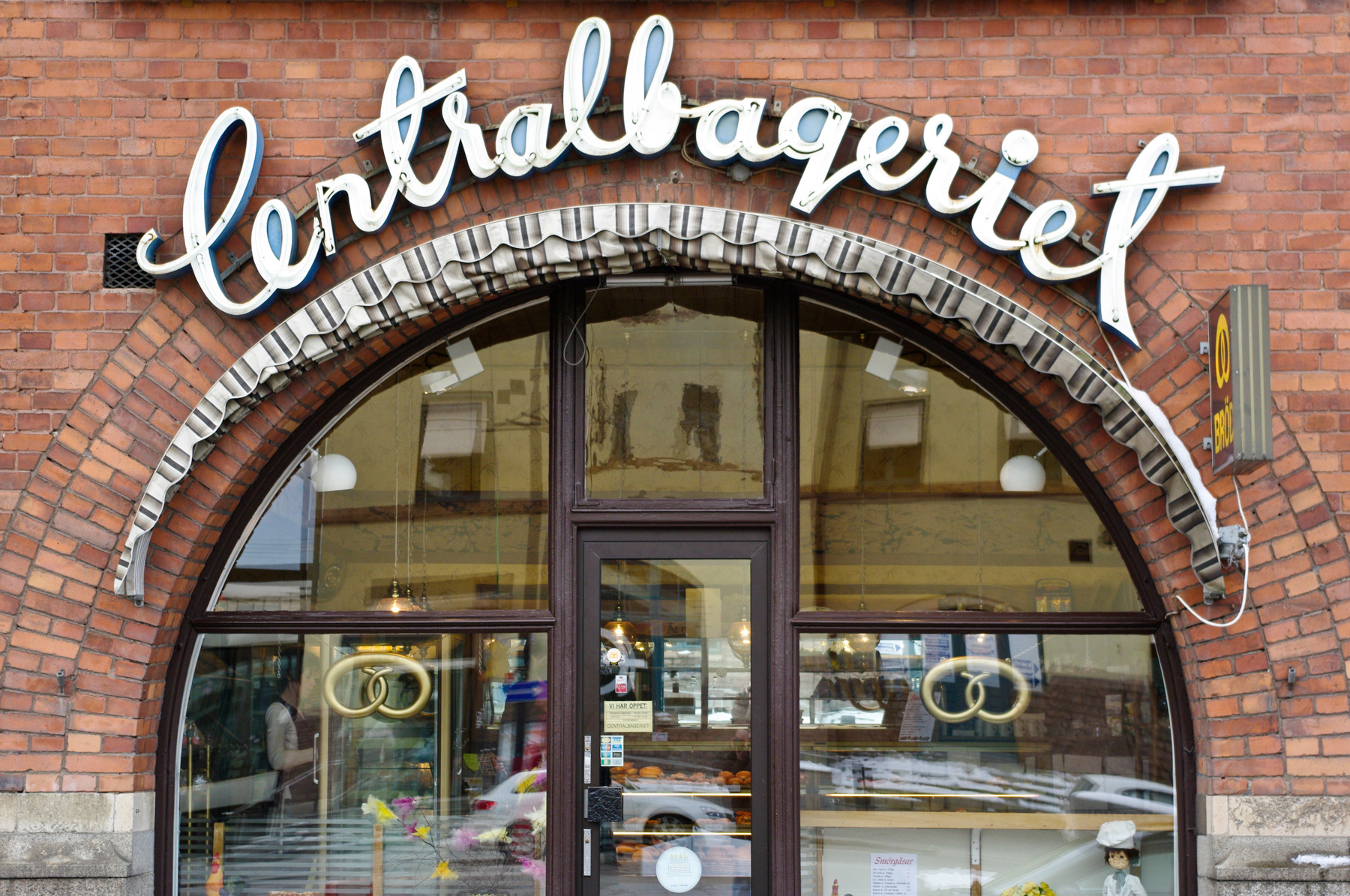
The Central Bakery opposite of the Gävle Railway Station, March 2008.
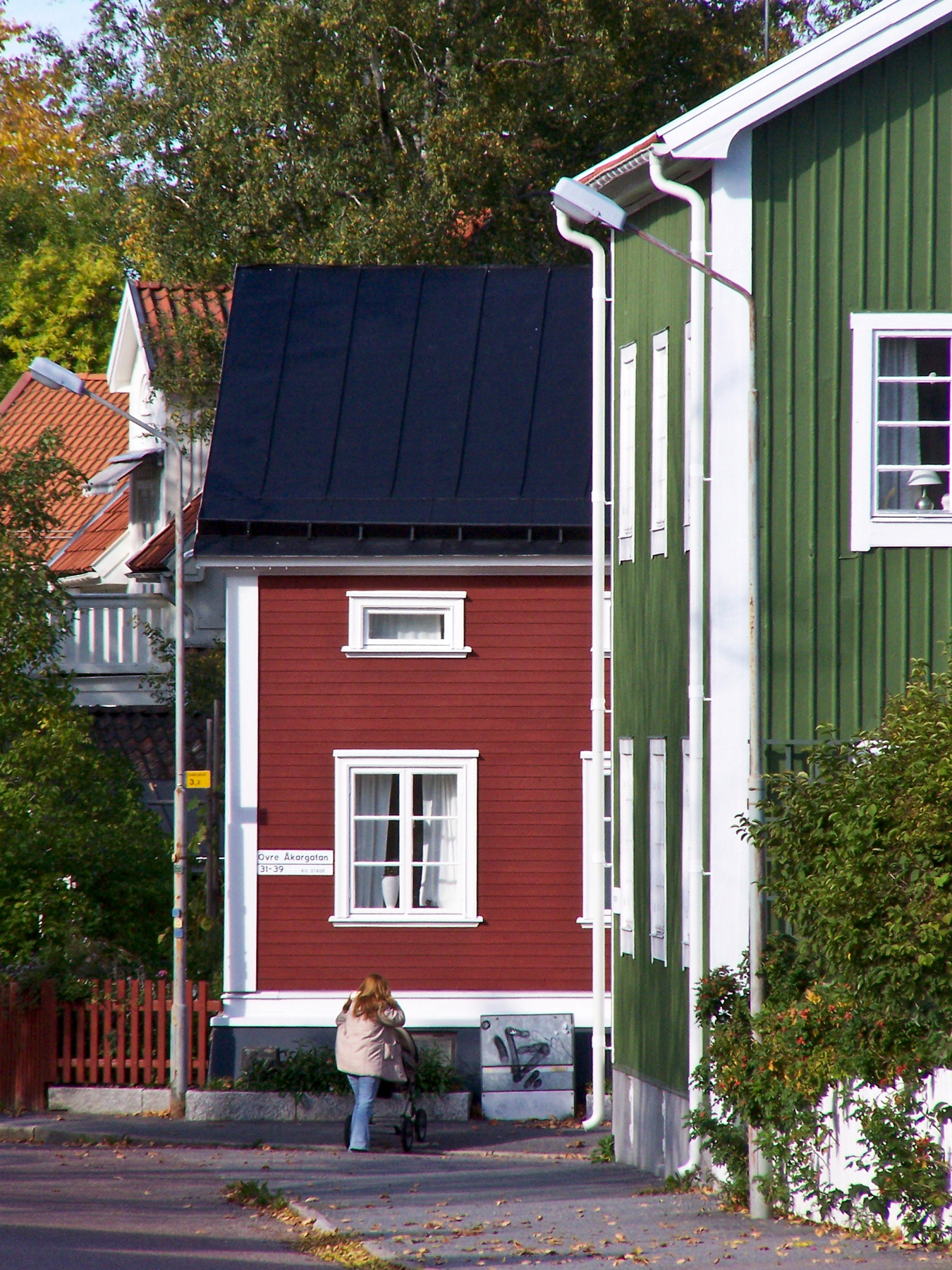
The Central Bakery opposite of the Gävle Railway Station, March 2008.

Inside the Söder district, September 2008.
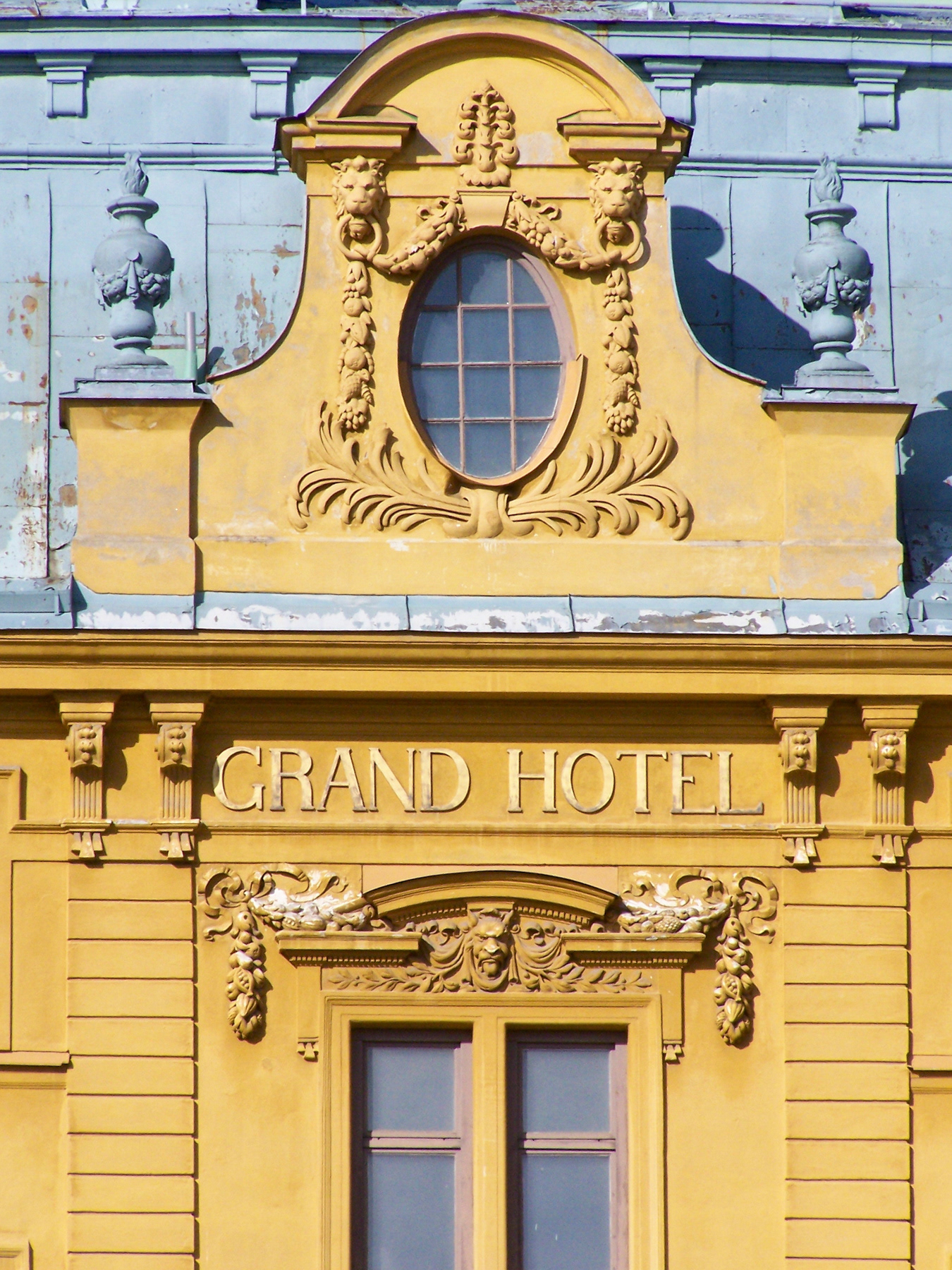
The facade of the Grand Hotel, September 2008.
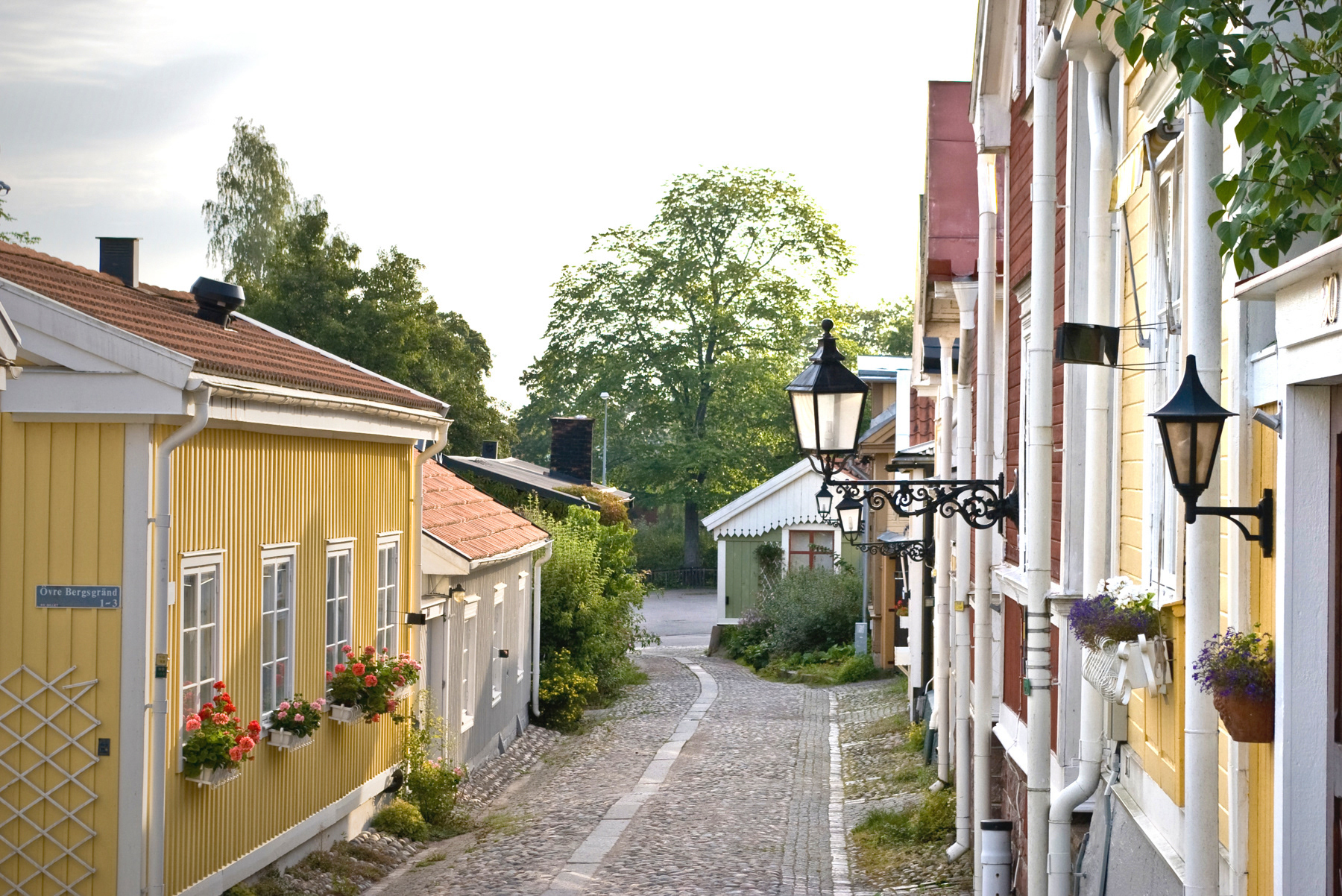
Gamla Gefle, the Old Town of Gävle,  August 2007.
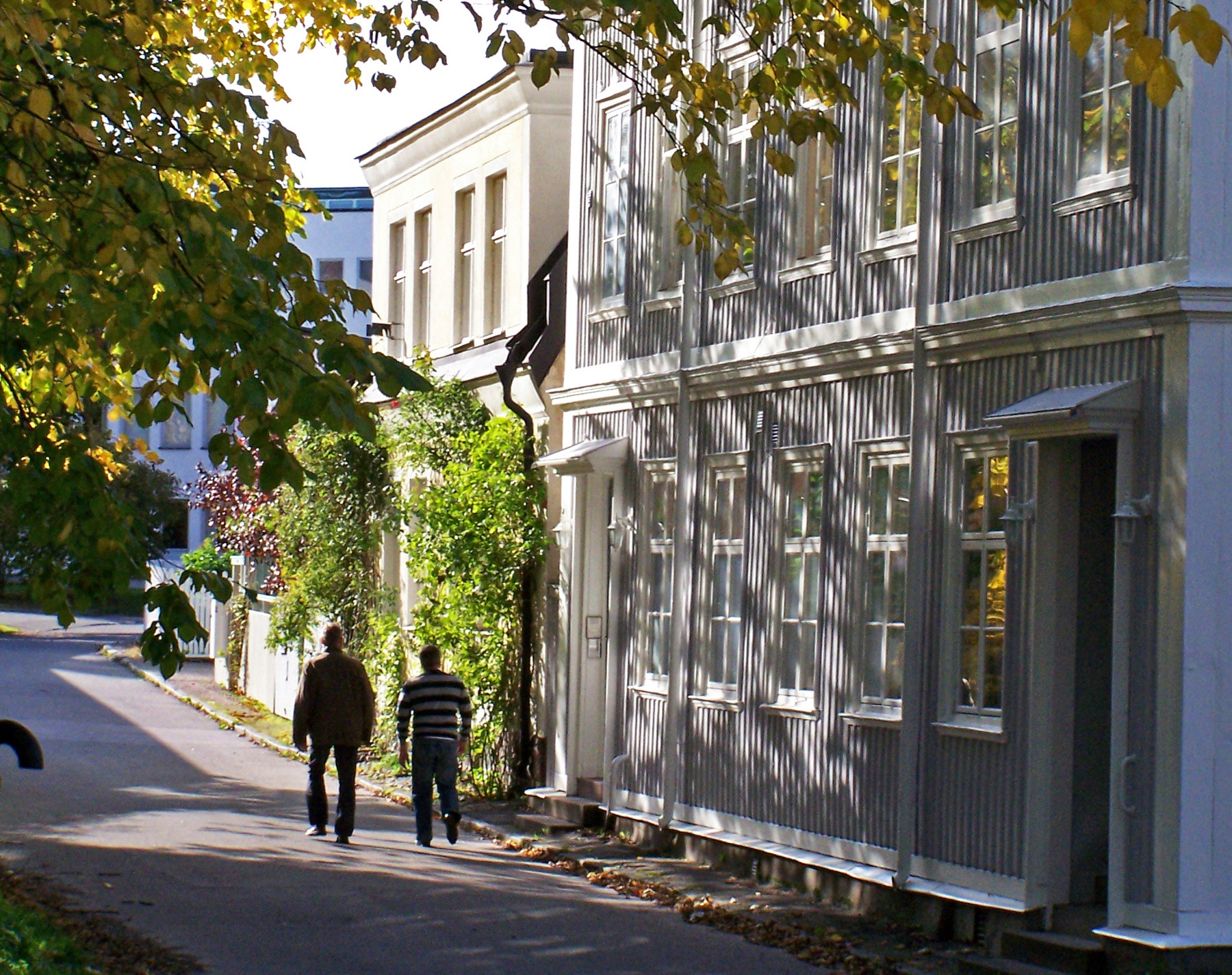
Gamla Gefle, the Old Town of Gävle,  August 2007.

Inside the Söder district, September 2008.
Inside the Söder district, September 2008.

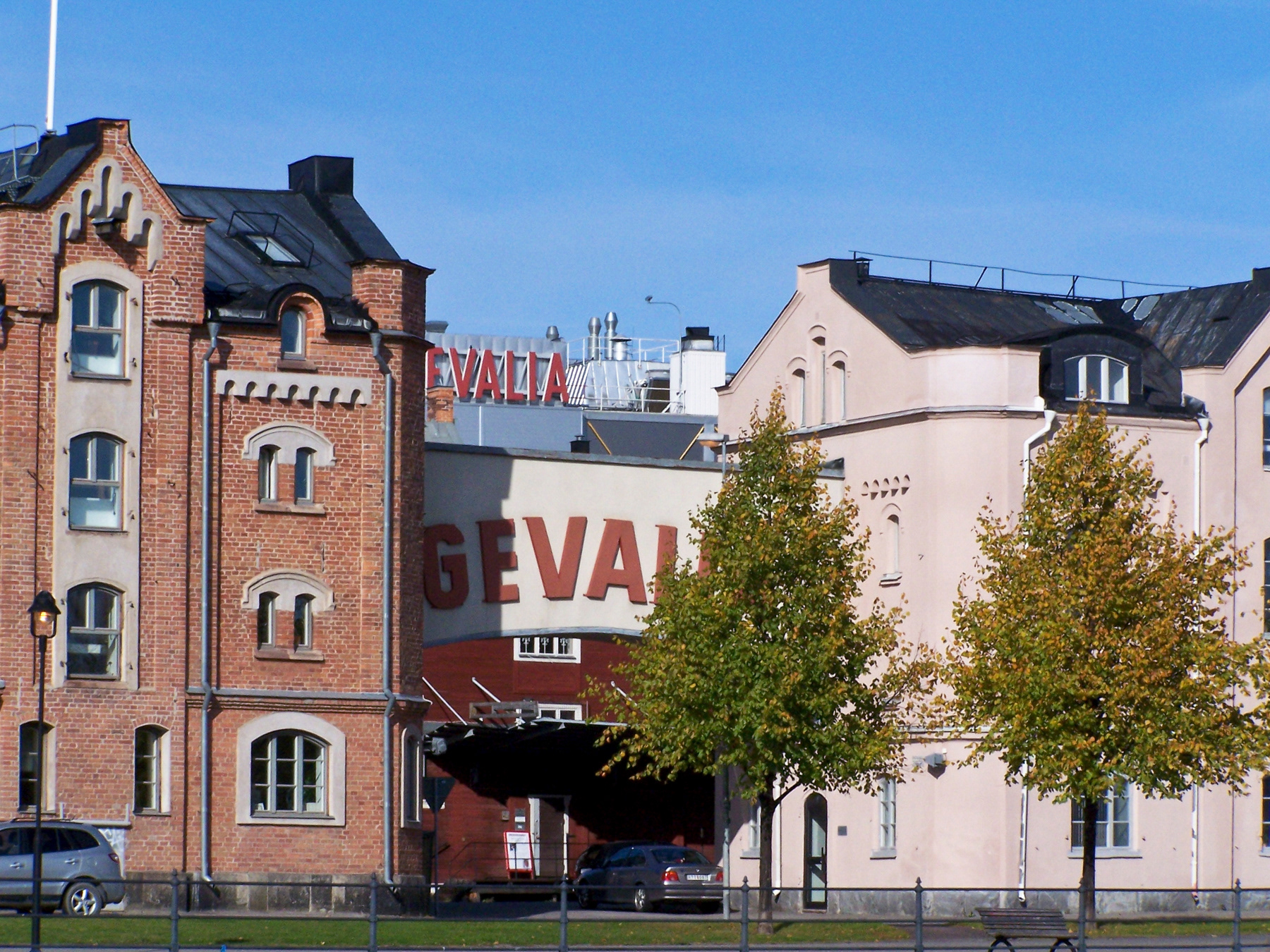
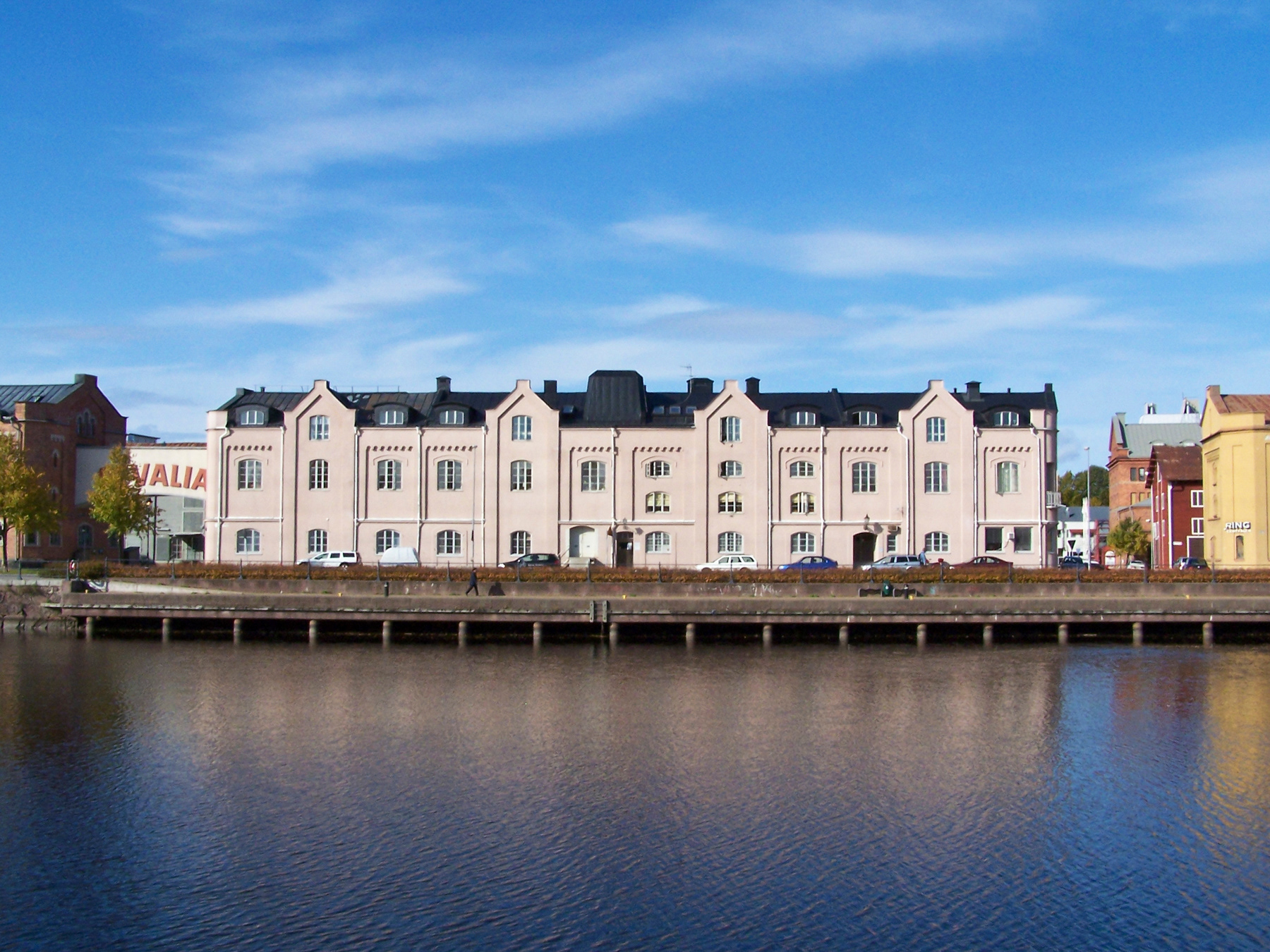
The Gevalia coffee plant in the Öster district, September 2008.
The Gevalia coffee plant in the Öster district, September 2008.

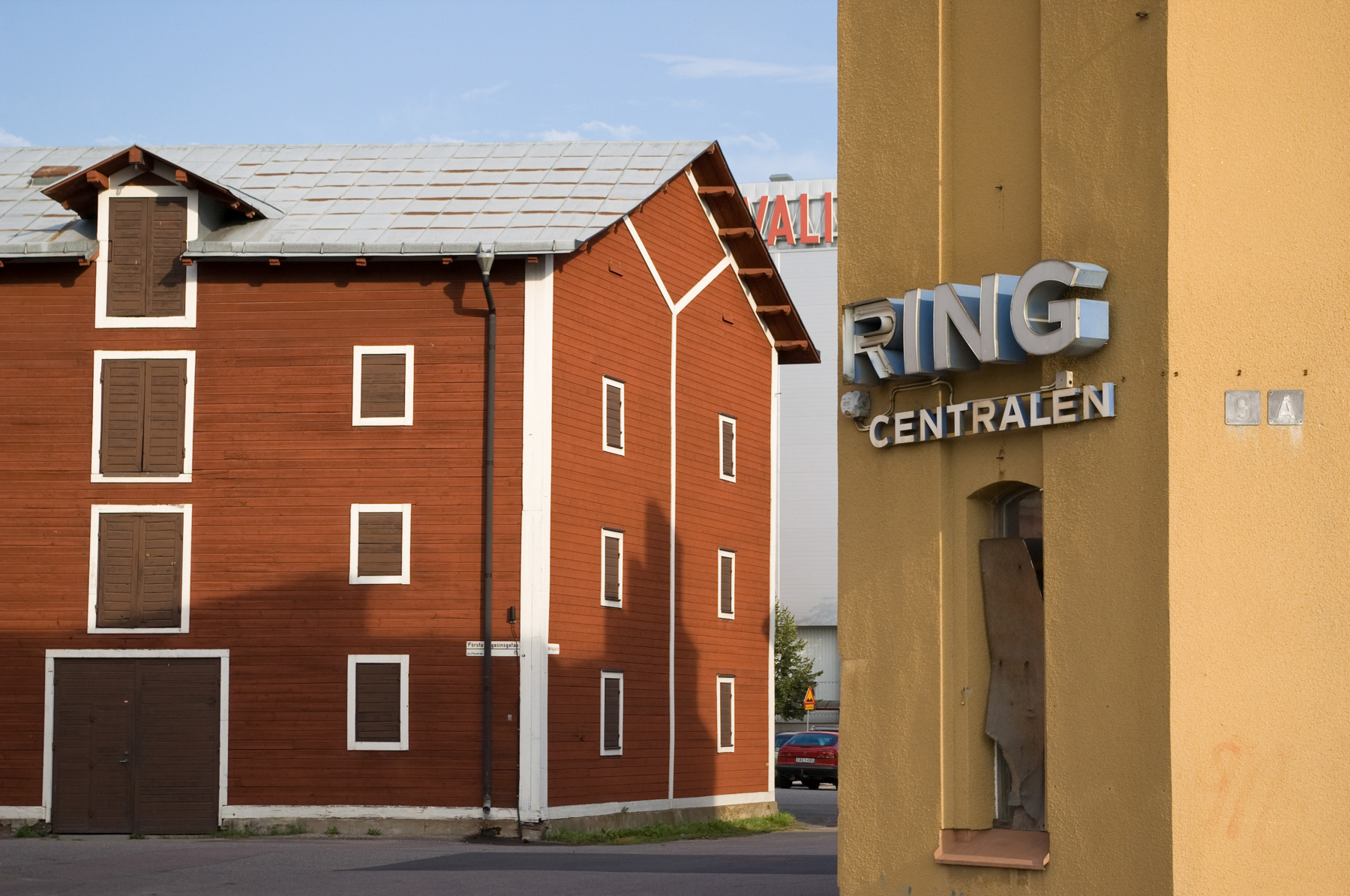
Warehouses in the Öster district, September 2008.
Warehouses in the Öster district, September 2008.
Warehouses in the Öster district, September 2008.

Warehouses in the Öster district, September 2008.

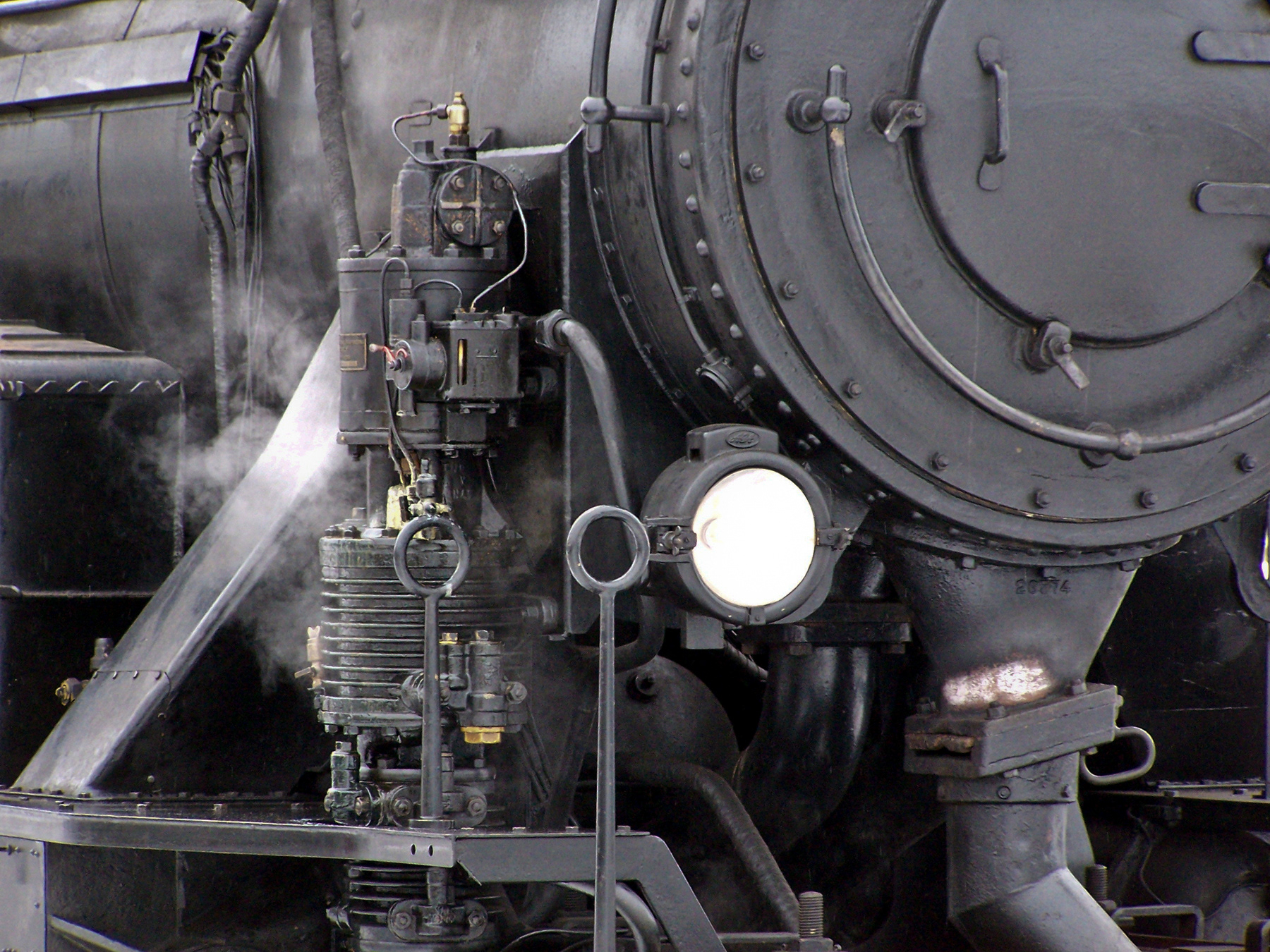
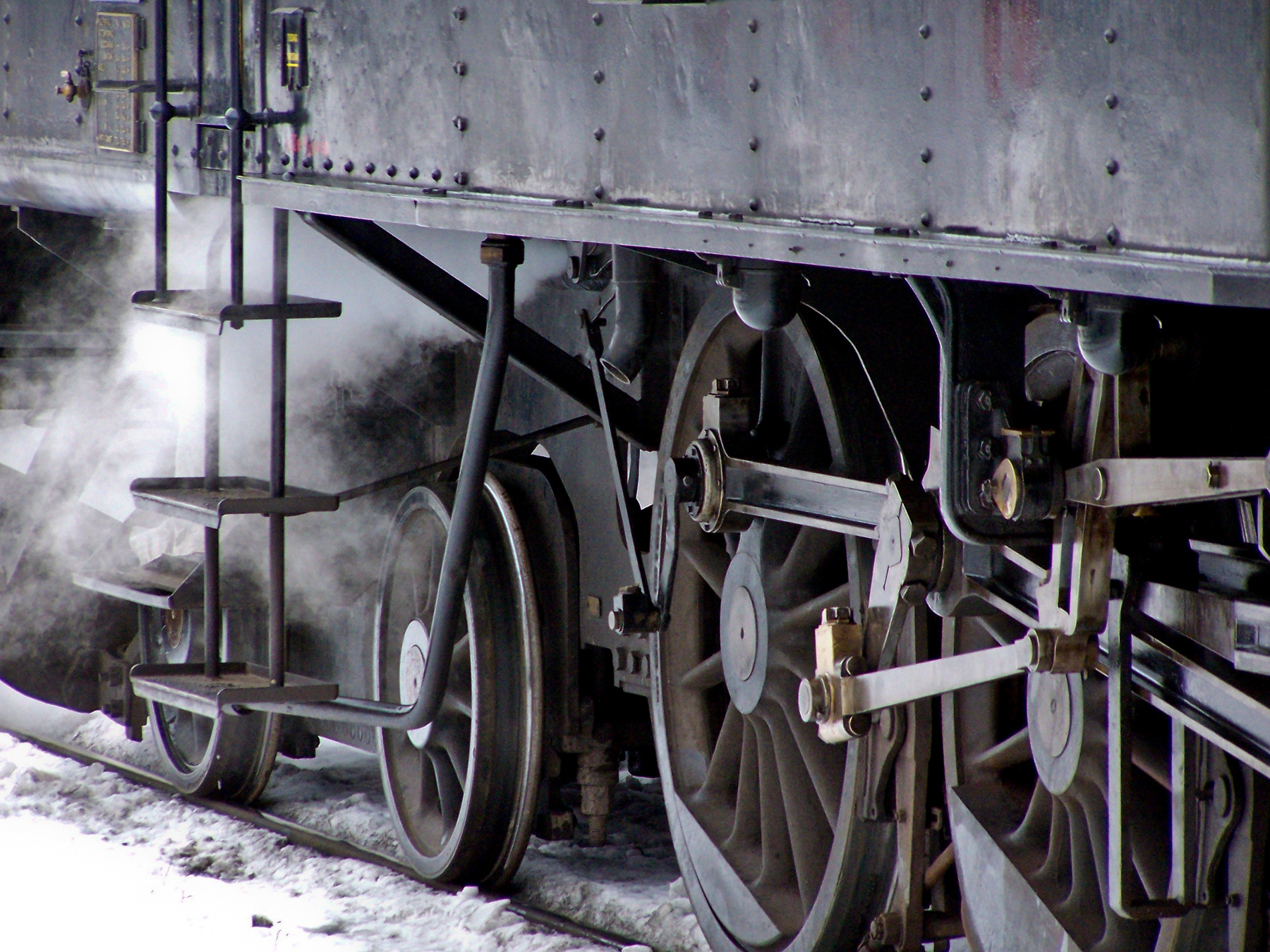
Details of a historic steam train visiting the Gävle Railway Station, February 2009.
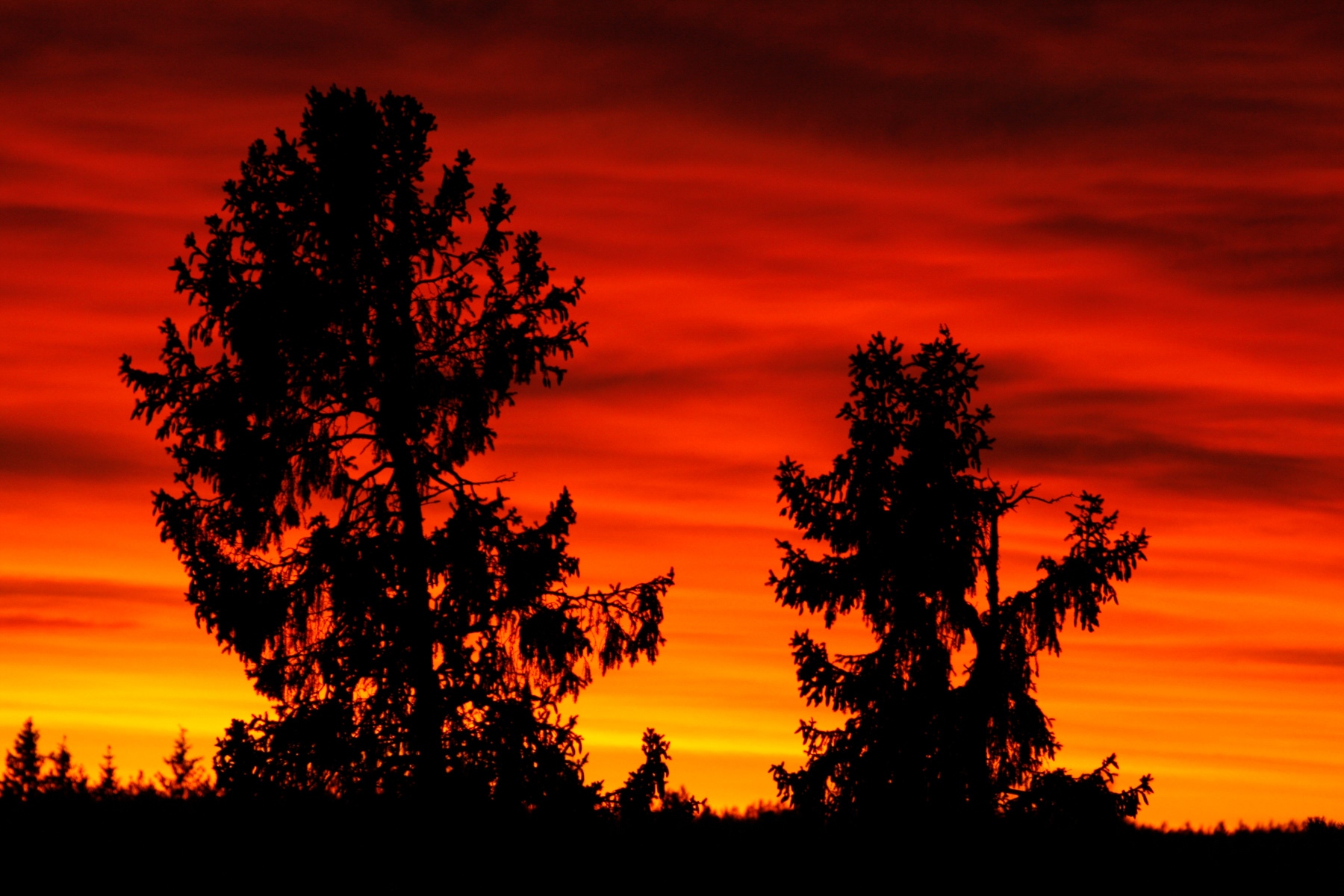
Sunset seen from the window of my home in Gävle, December 2007.
Sunset seen from the window of my home in Gävle, December 2007.

Boulognerskogen (The Boulogner Forest)
Boulognerskogen is one of Sweden's more beautiful city parks. The Gävleån River flows through this green lung, which has existed since 1865 and is named after the Bois de Boulogne in Paris, France.
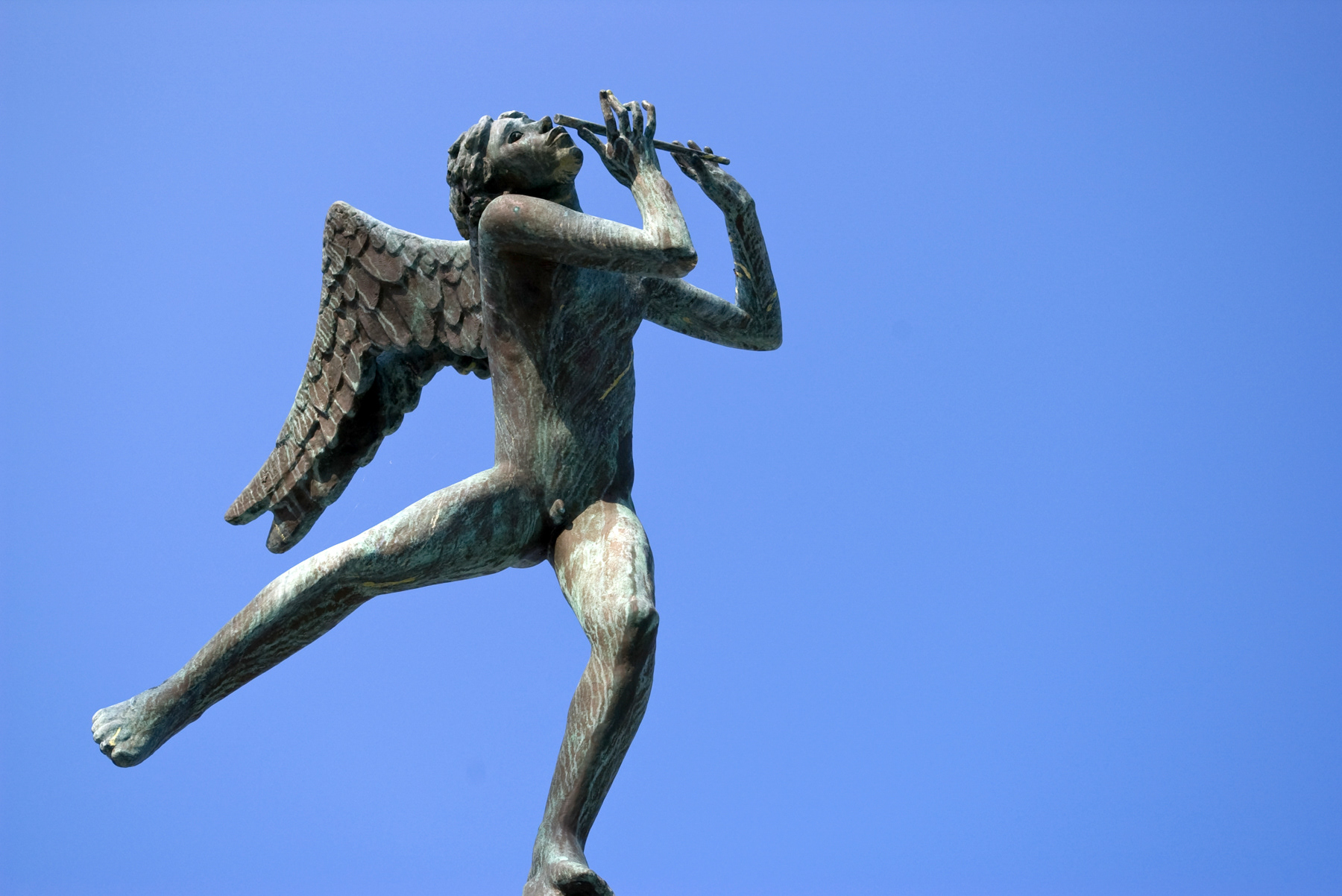
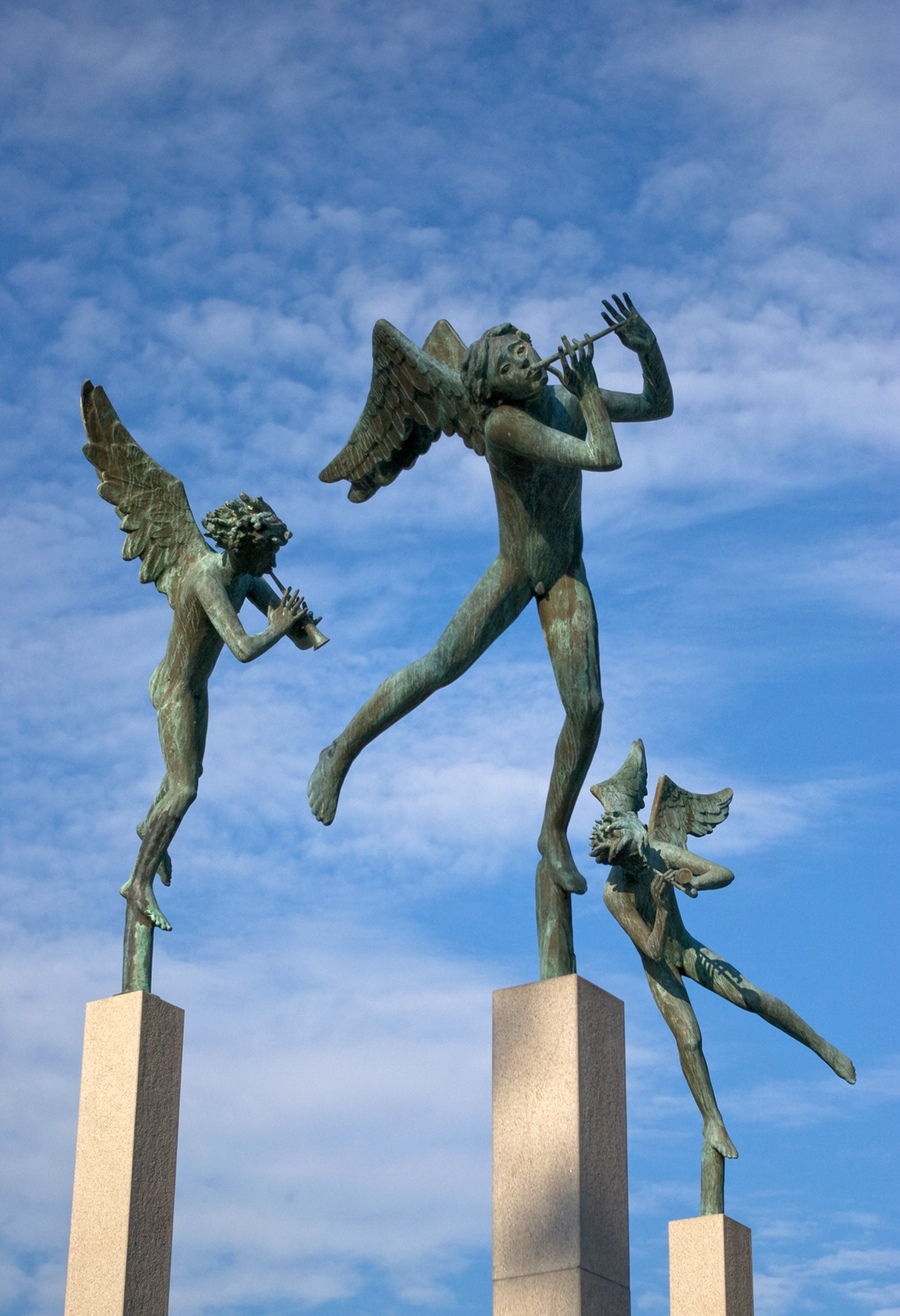
The area is a very popular recreation area for city residents, with a large playground, a sunbathing area, pedal boat rentals, a café, a theatre stage, and mini golf. On the north bank, visitors walking into the park from the city centre are greeted by the five playing angels: the sculpture group Musicerande änglar (1948) by Carl Milles. Further along in the park, you'll find the stone sculpture Klumpen by John Rud. To the west of Boulognerskogen, you'll find a cemetery with a photogenic chapel.
Boulognerskogen has a small reservoir with a dam used by Gävle Energi to generate hydroelectric power. Walking across the dam, you'll come to the sports grounds of the Gävle IF football club (Idrotssförening; sports association), which has had its stadium since 1892, located near what strongly resemble old military stables. Fitting, since the club's first director in 1883 was Lieutenant Gustaf Moberg. The stadium, partly consisting of buildings dating back to 1915, is Sweden's oldest football complex after Stockholm Stadium, built in 1912. 
The statues of the music making angels, by Carl Miles, in Boulognerskogen, August 2007.
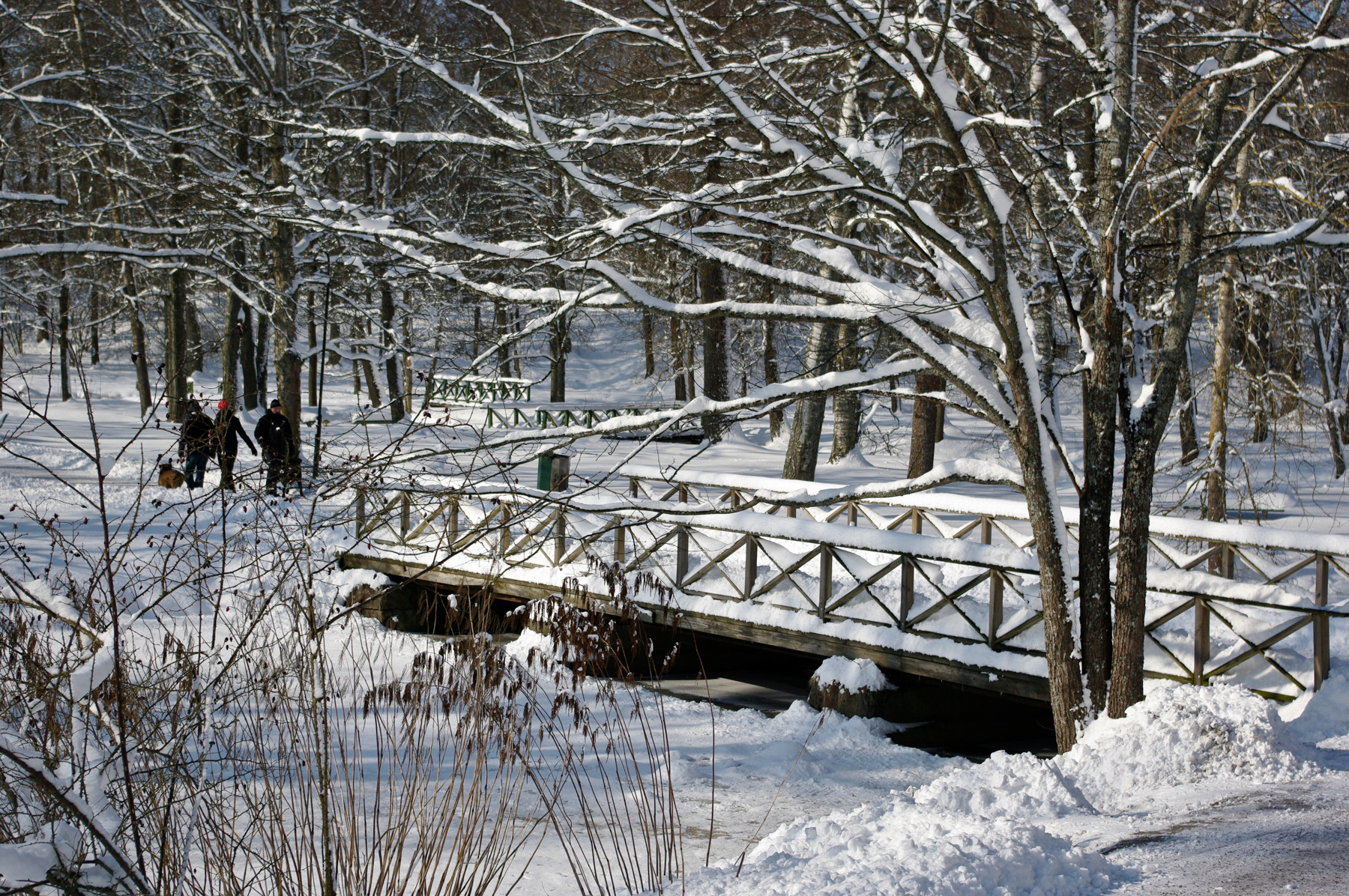
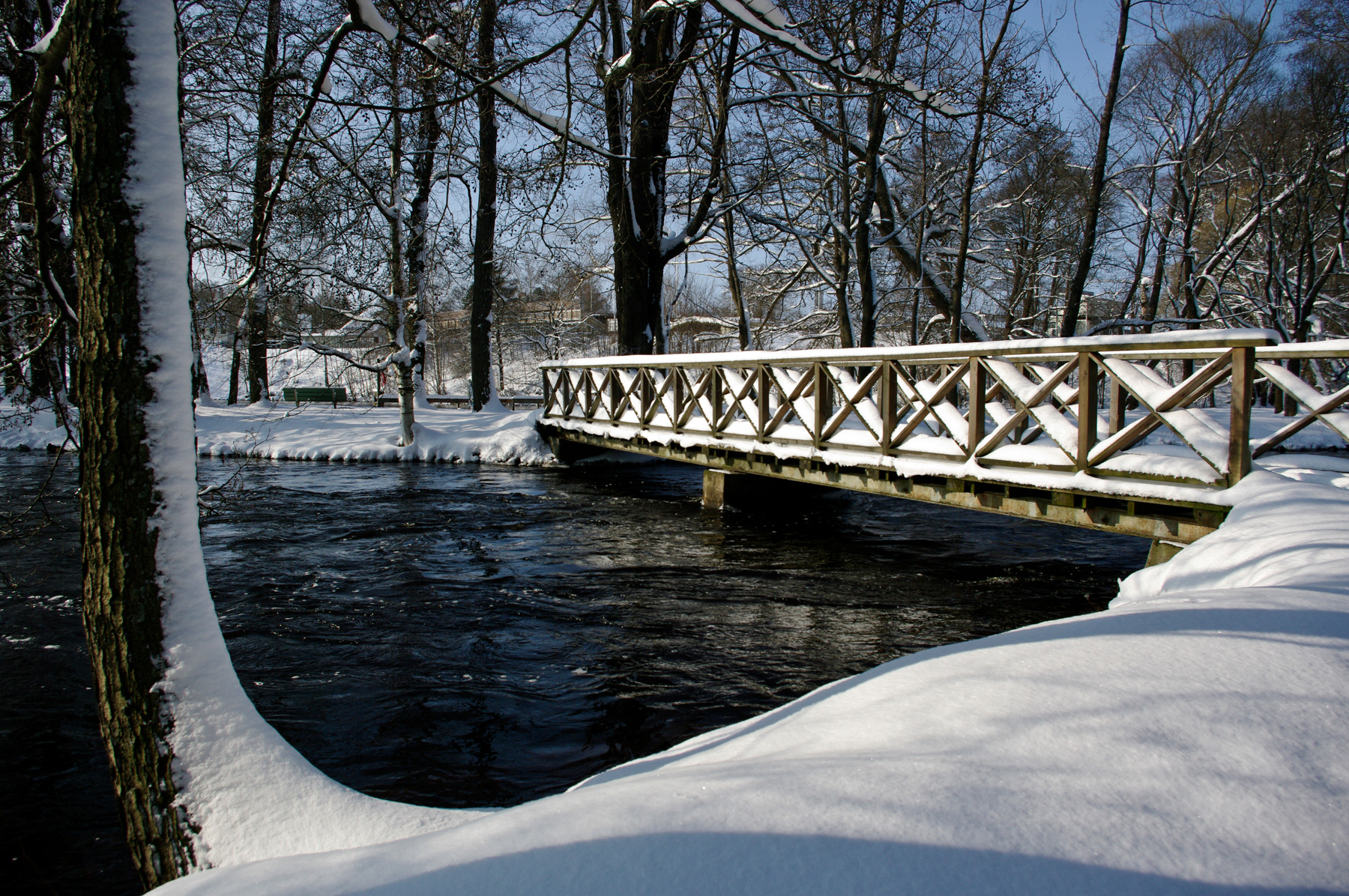
Winter in Boulognerskogen, March 2008.
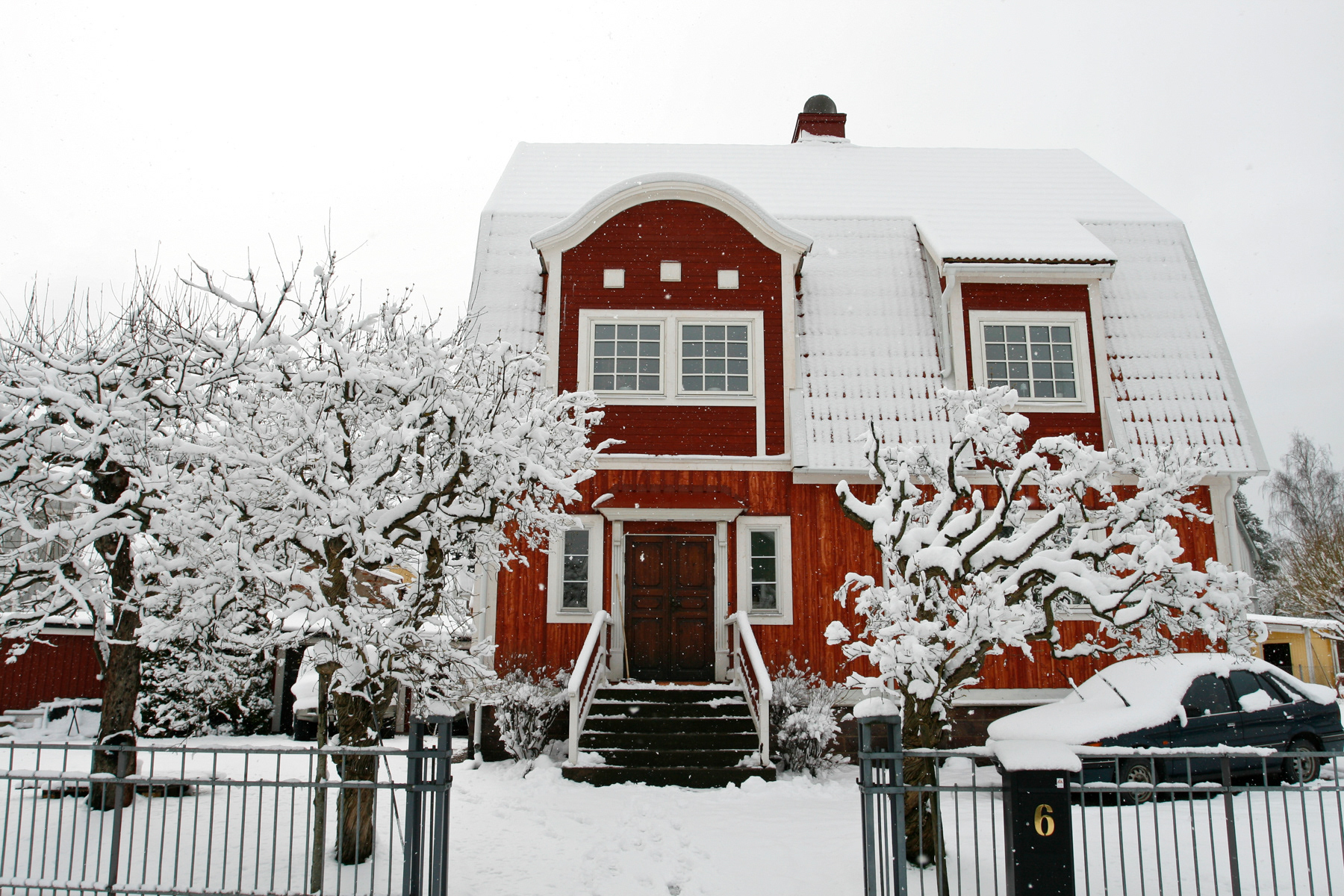
Bolougnerskogen, March 2008.

Winter in Boulognerskogen, March 2008.

Winter in Gävle
More than further south, Gävle used to have proper winters with loads of snow. Coming from a regular snow-free the Netherlands, I was happily surprised with the proper white blanket that the winter months brought to the city after I moved there in 2006. I remember one winter when the first snow fell in October, and it stayed way into April.

Södertull area of Gävle, April 2008.
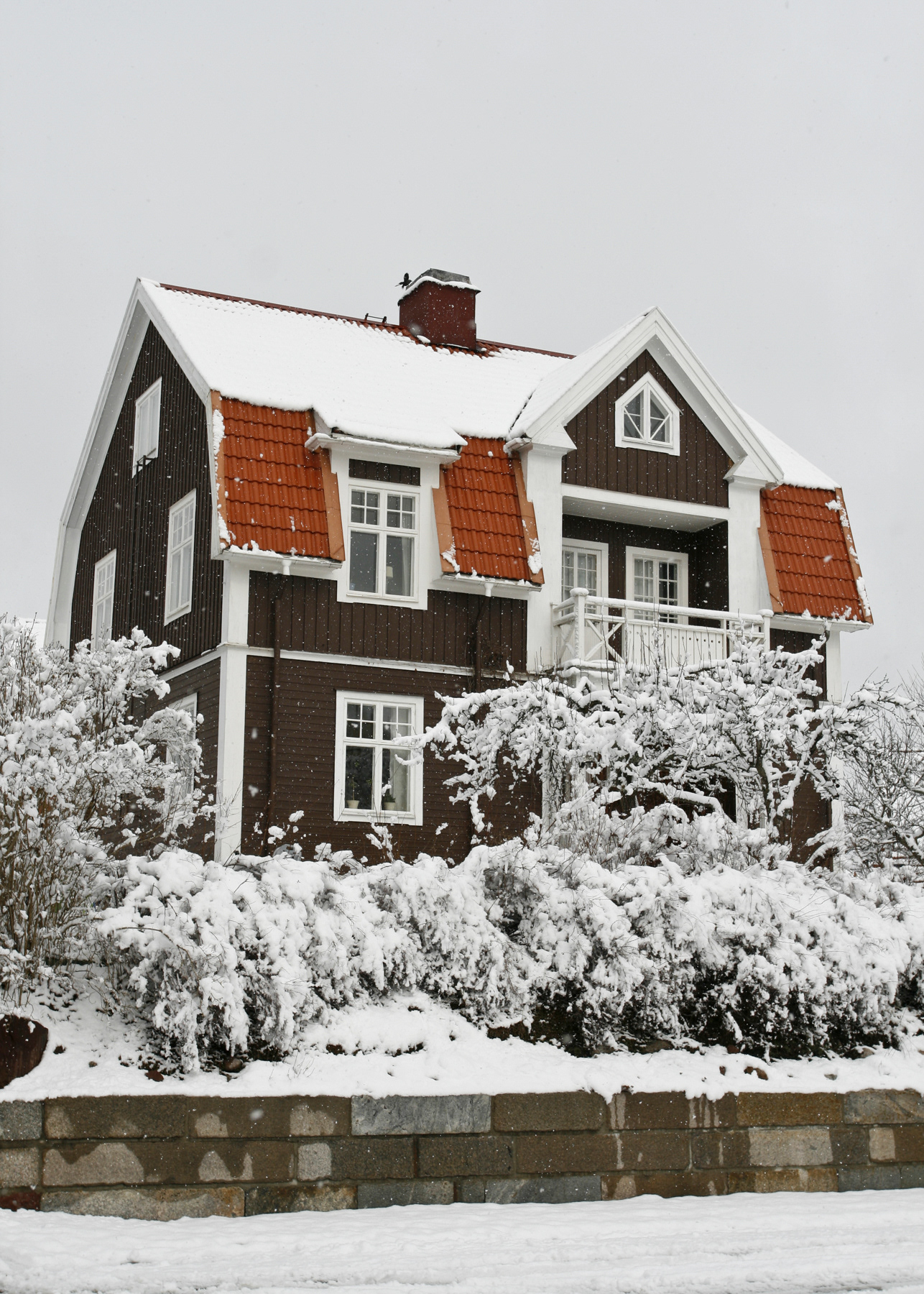
Södertull area of Gävle, April 2008.
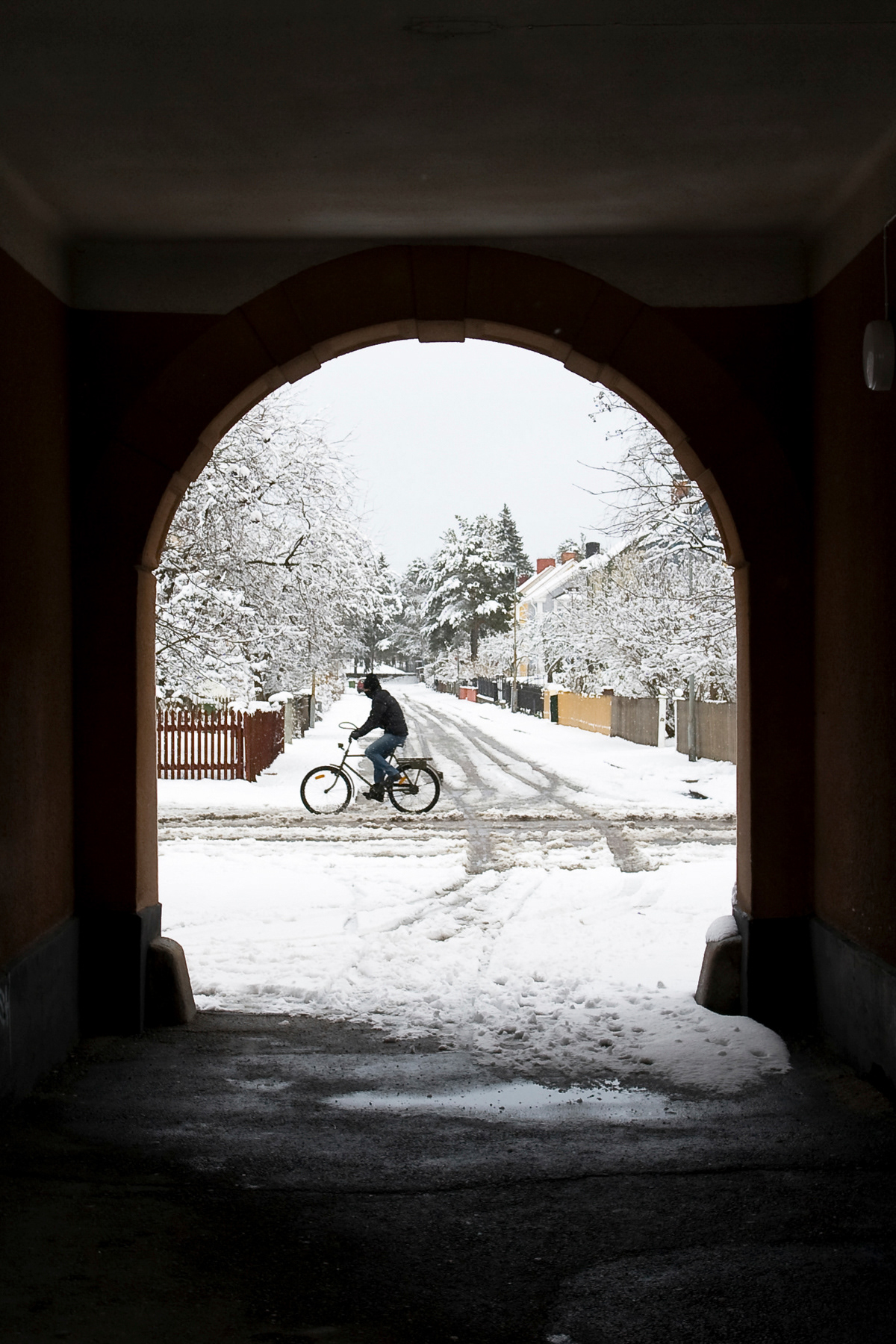

Södertull area of Gävle, April 2008.

Södertull area of Gävle, April 2008.
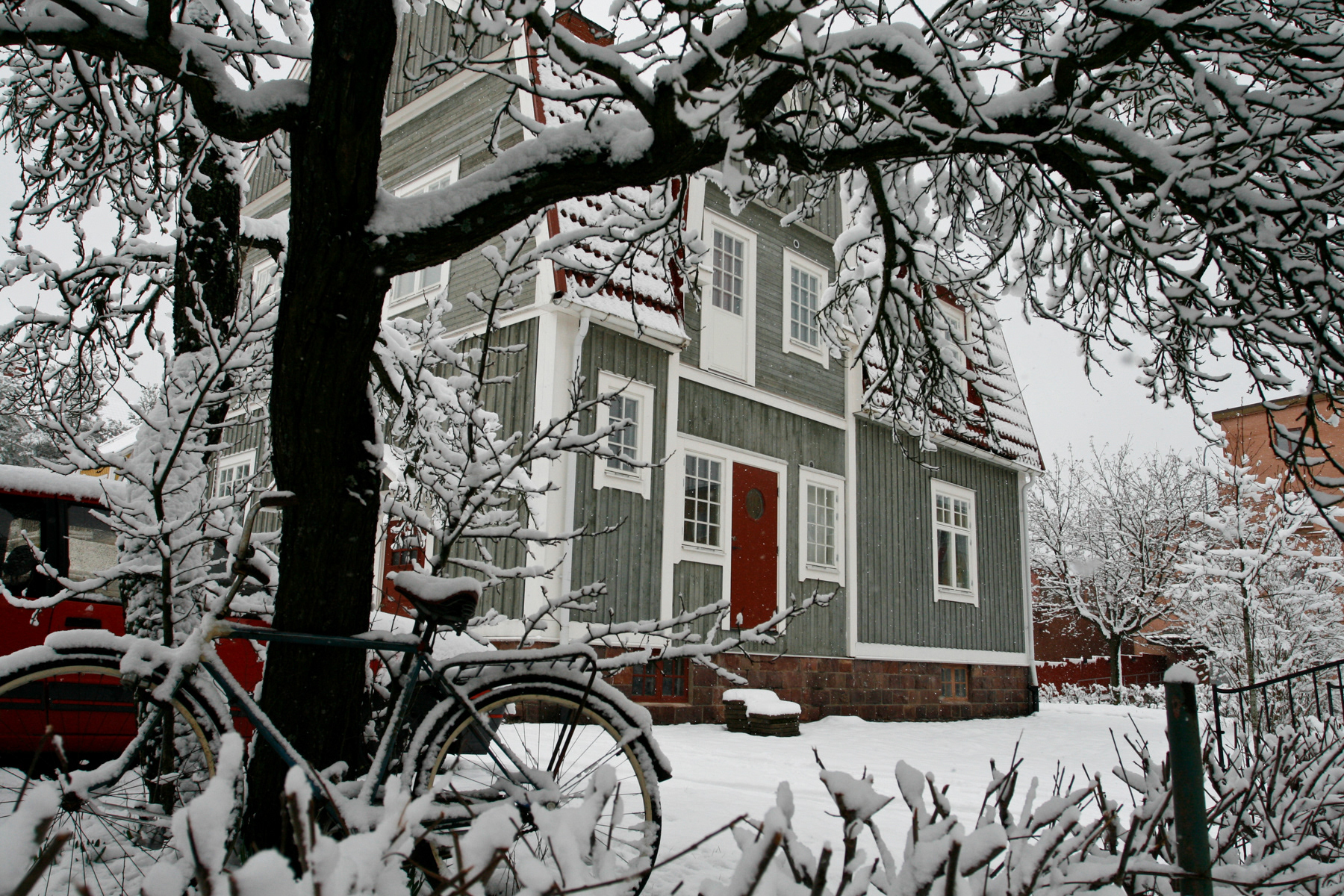
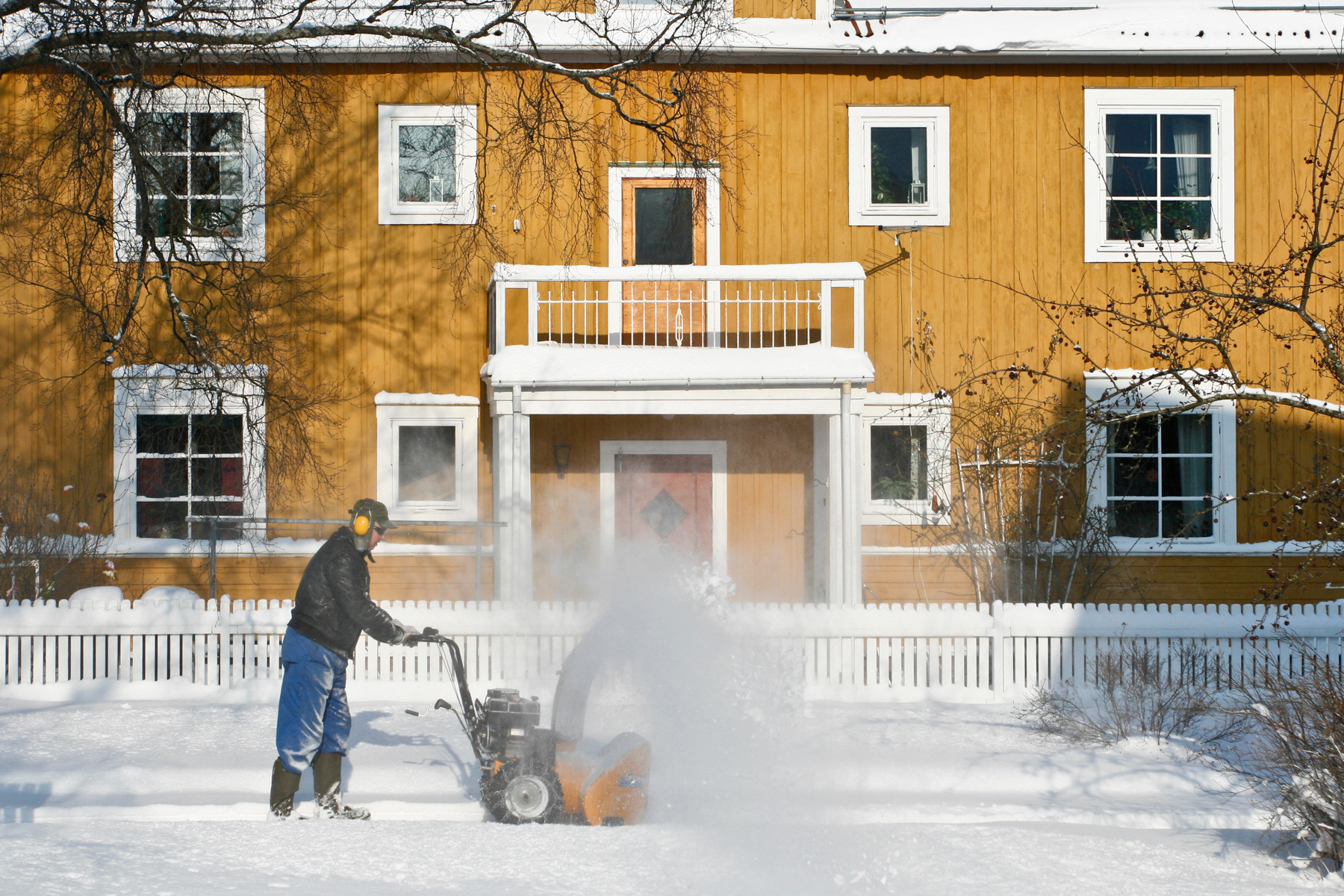
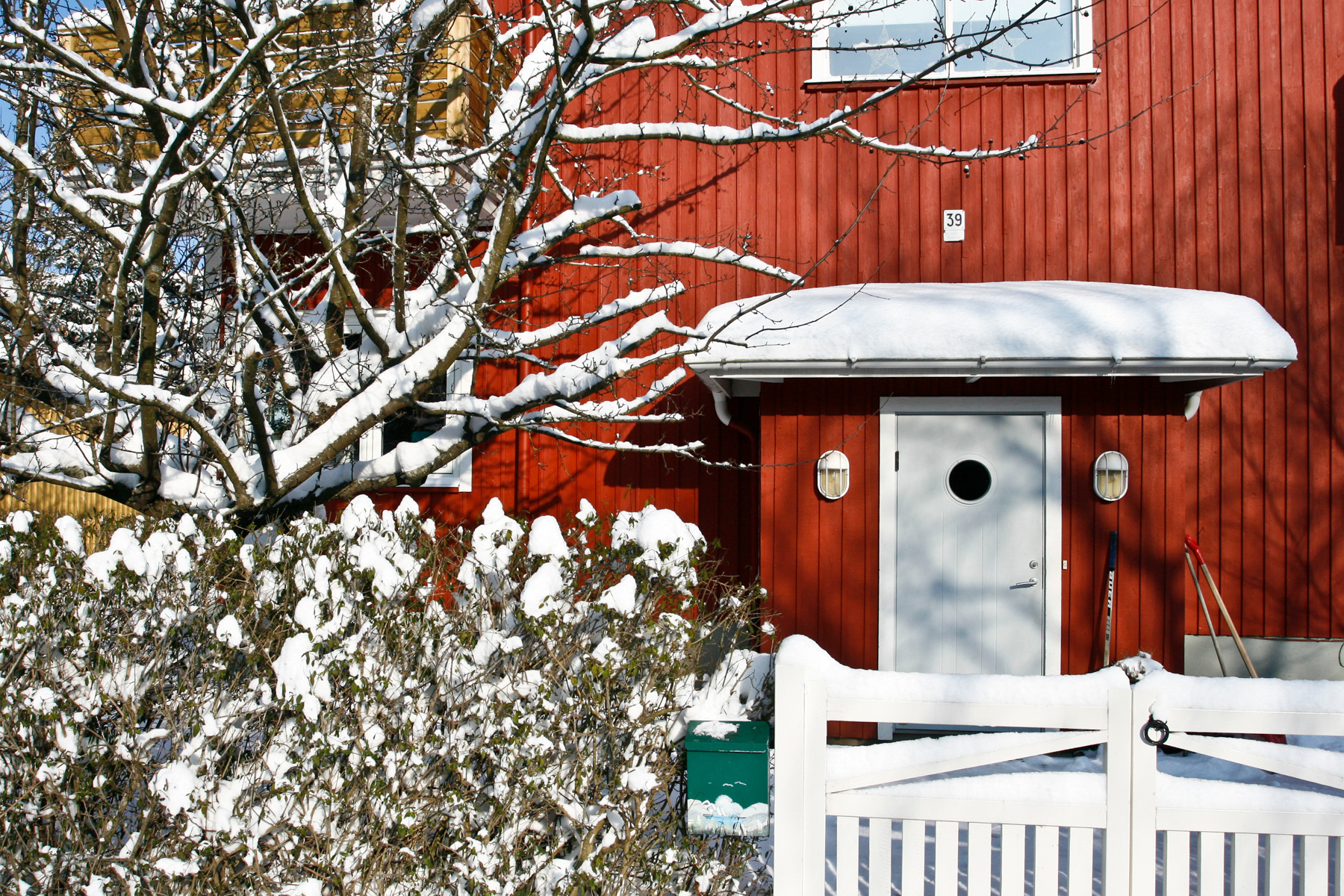
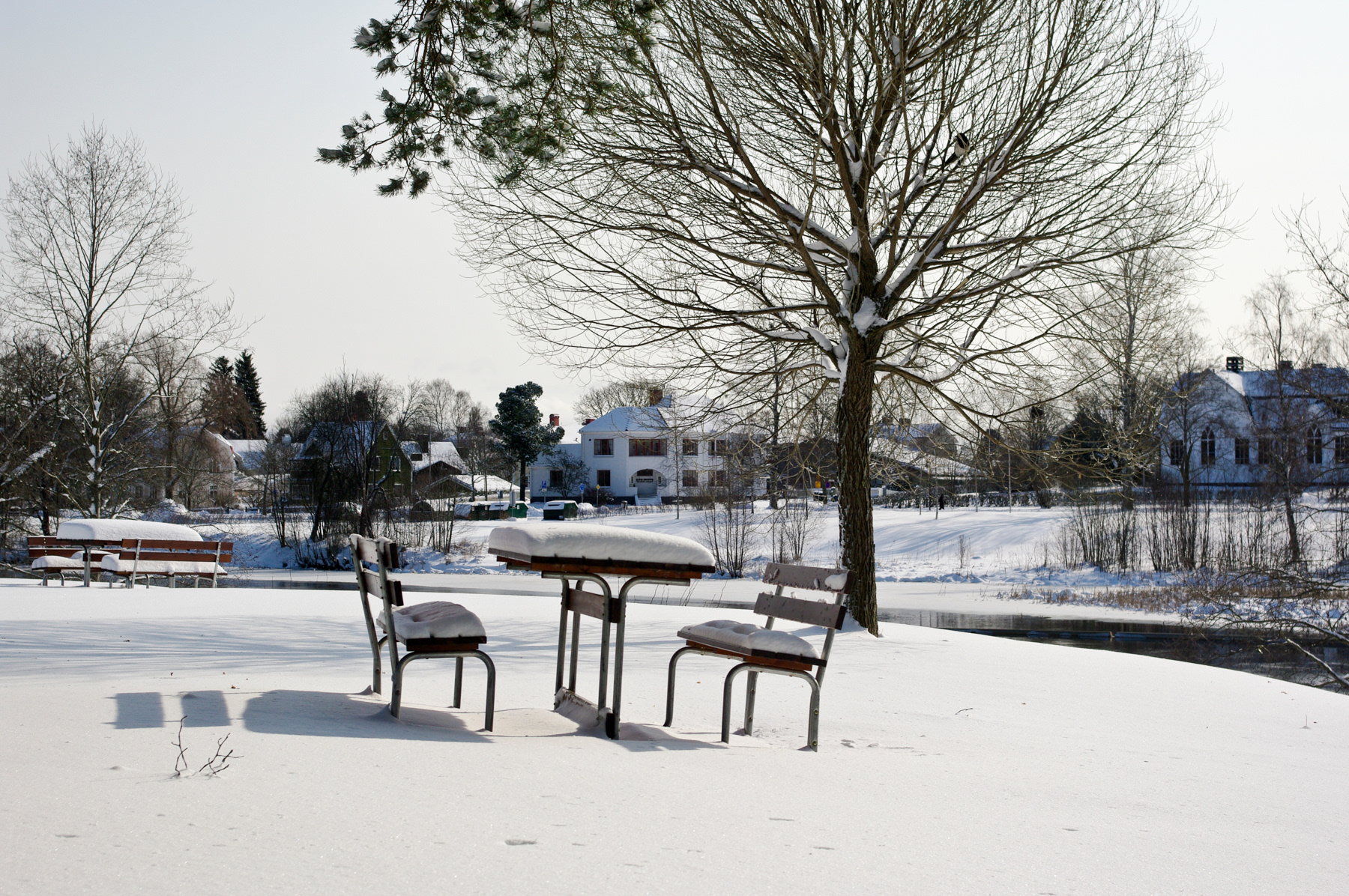
Near Boulognersskogen, March 2008.
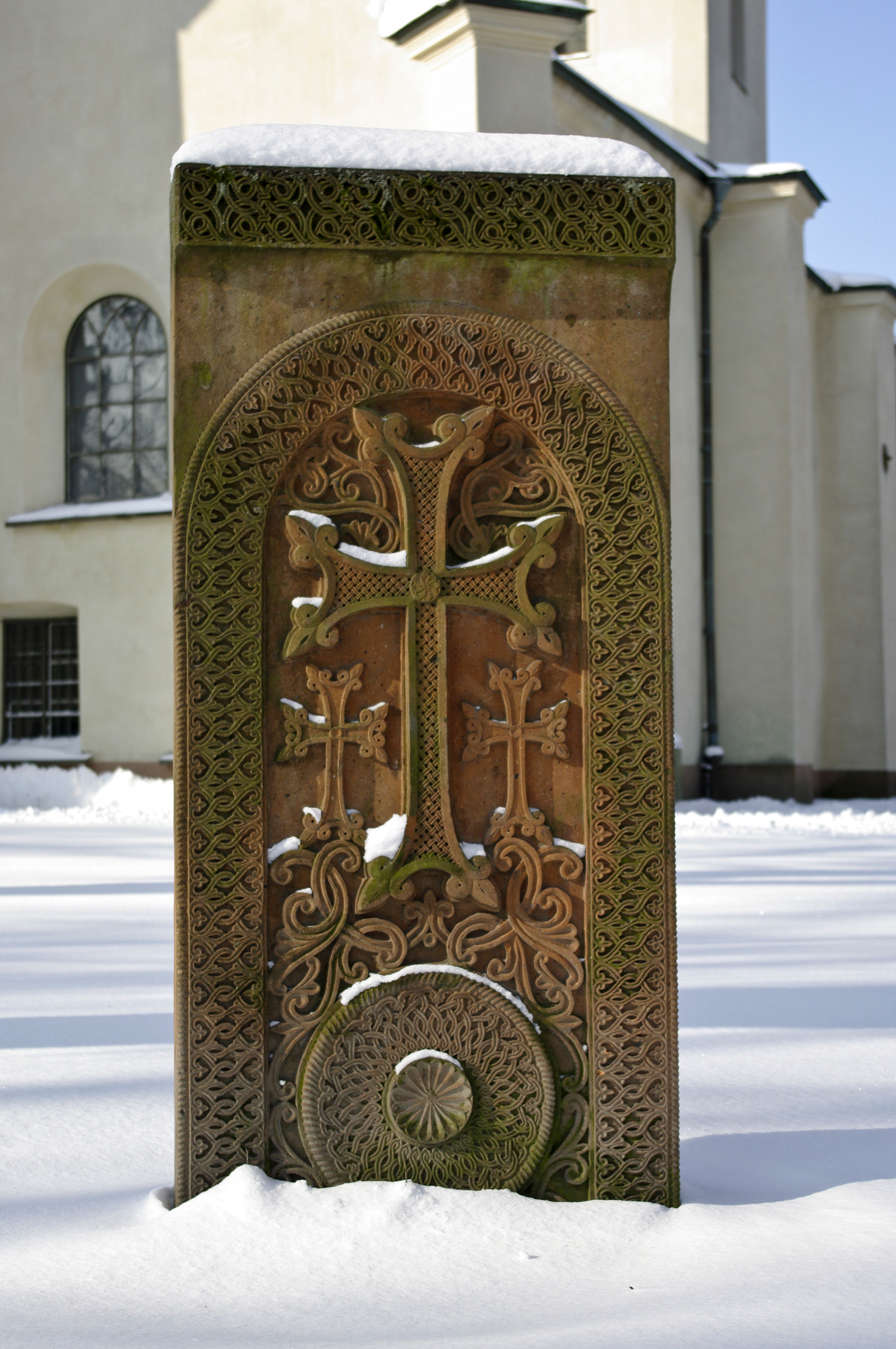
Near Boulognersskogen, March 2008.

In front of the Holy Trinity Church, March 2008.
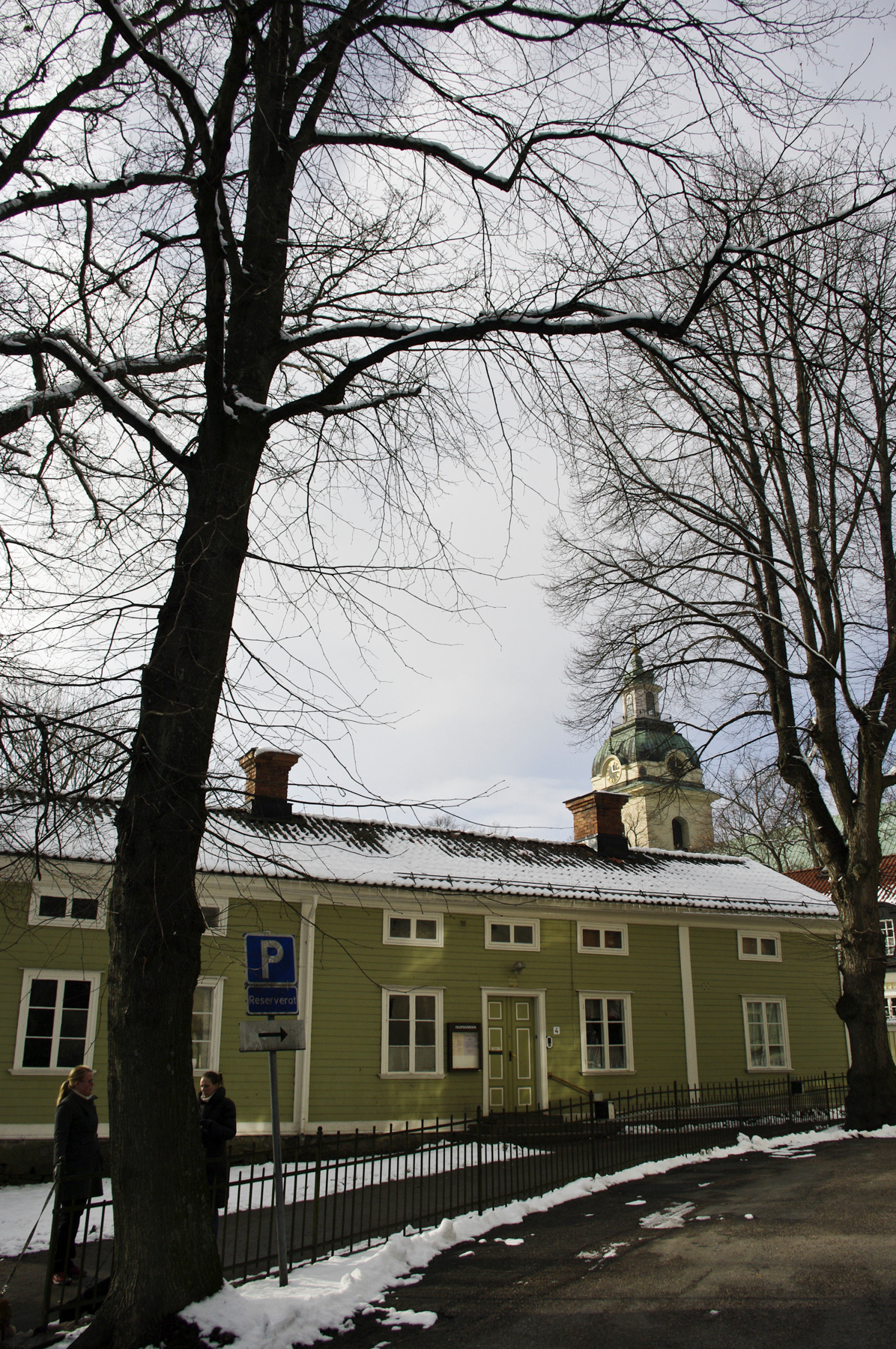
Near the Holy Trinity Church, March 2008.
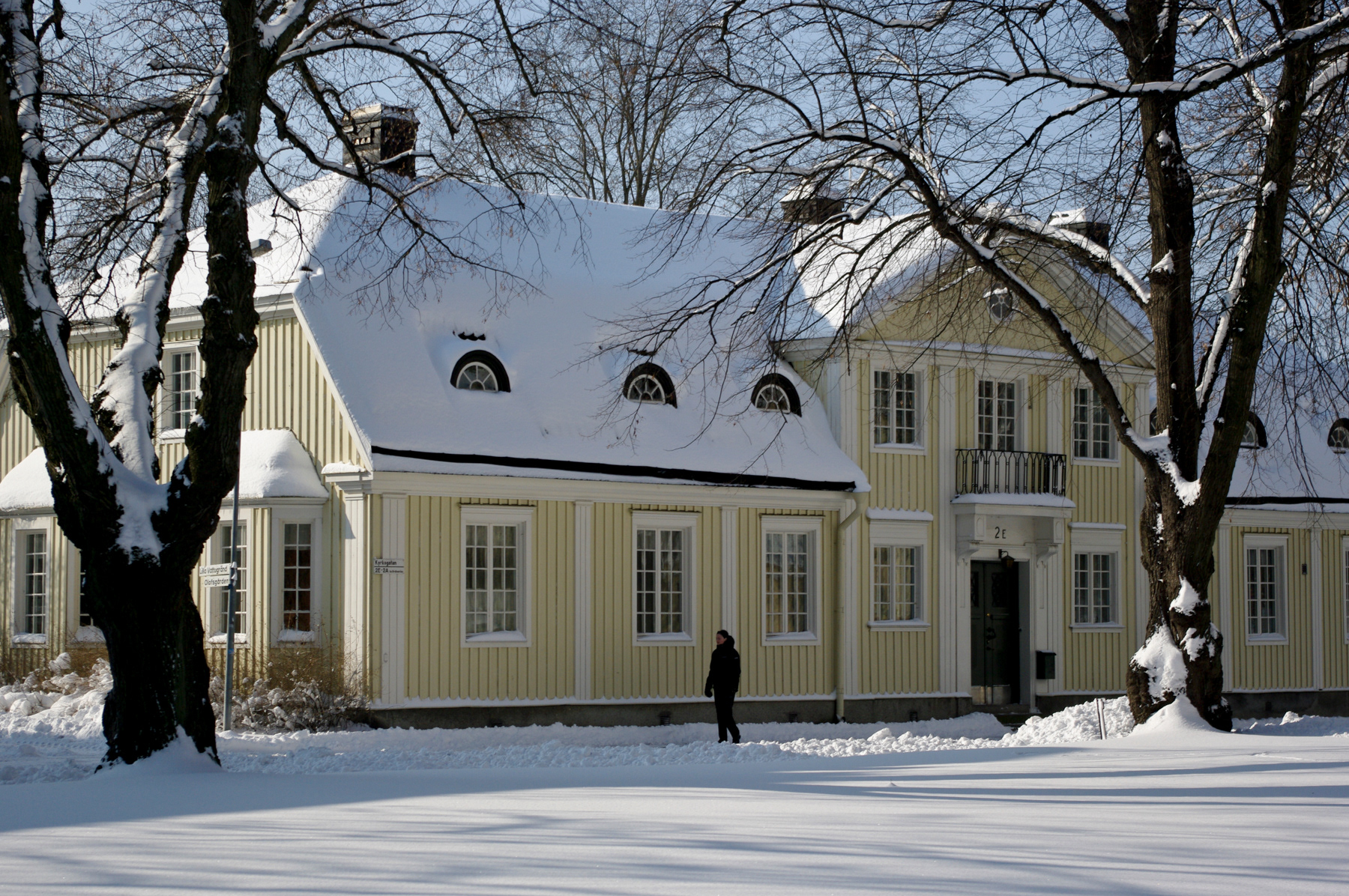
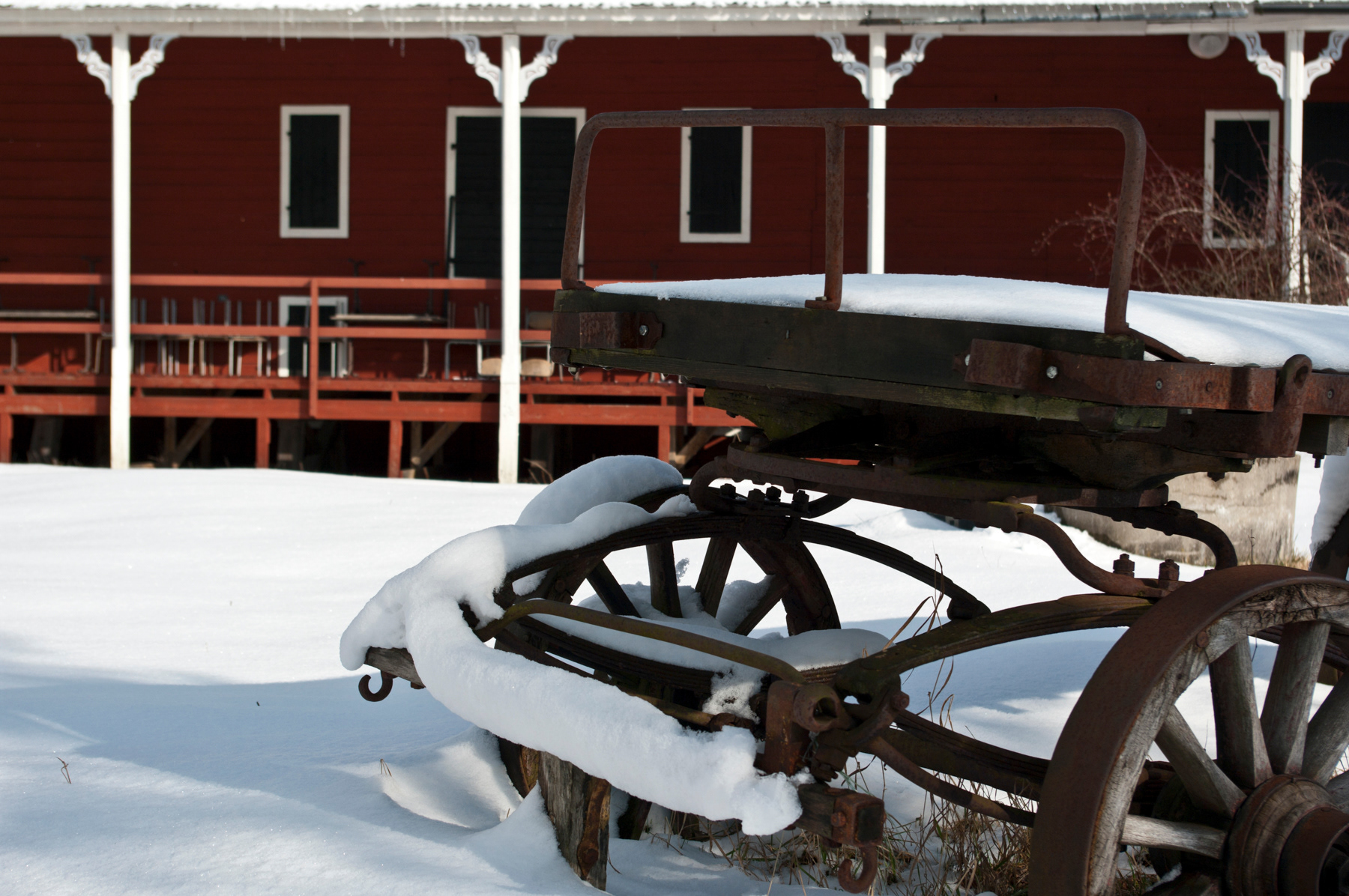
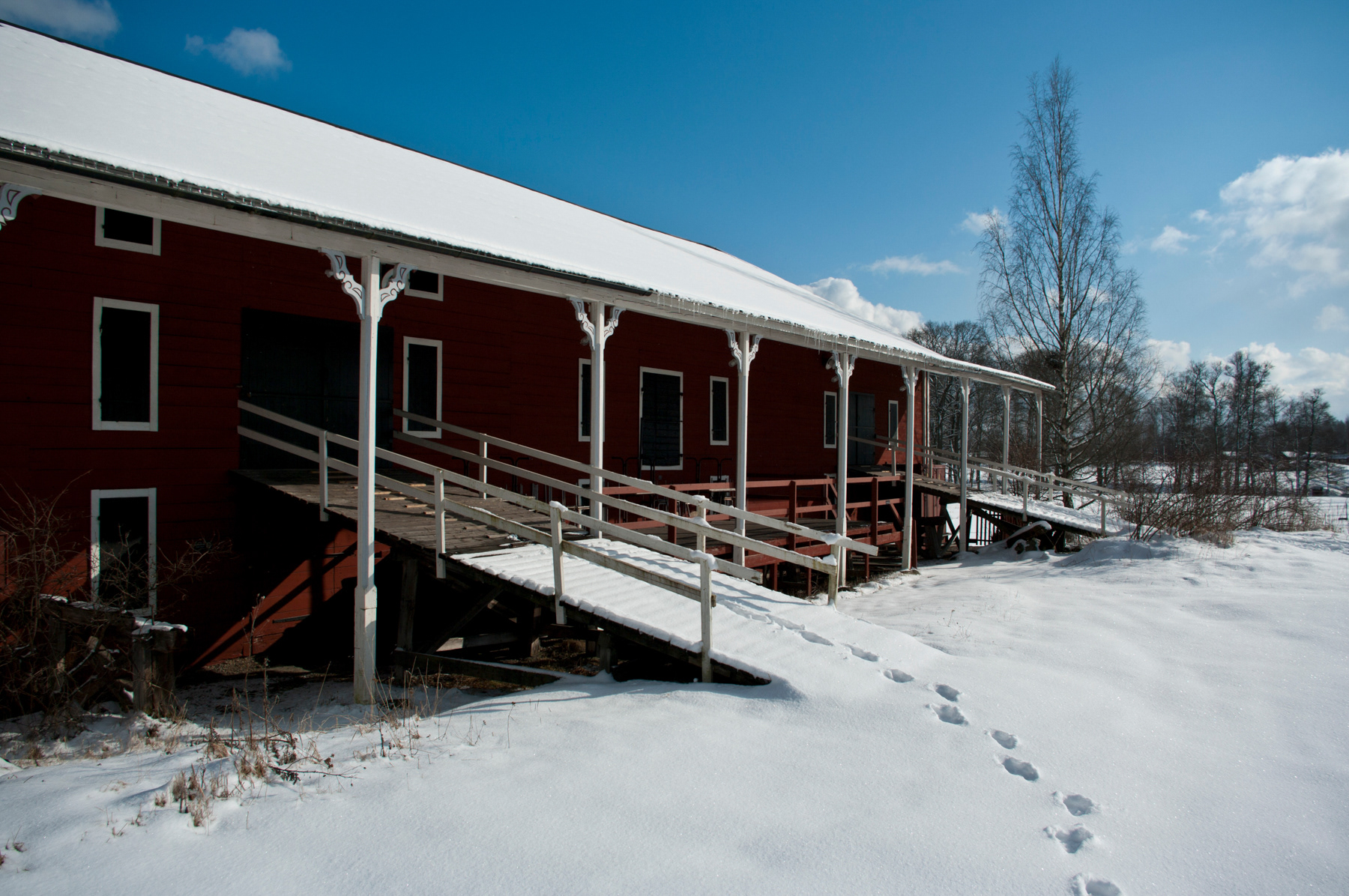
Near the Holy Trinity Church, March 2008.
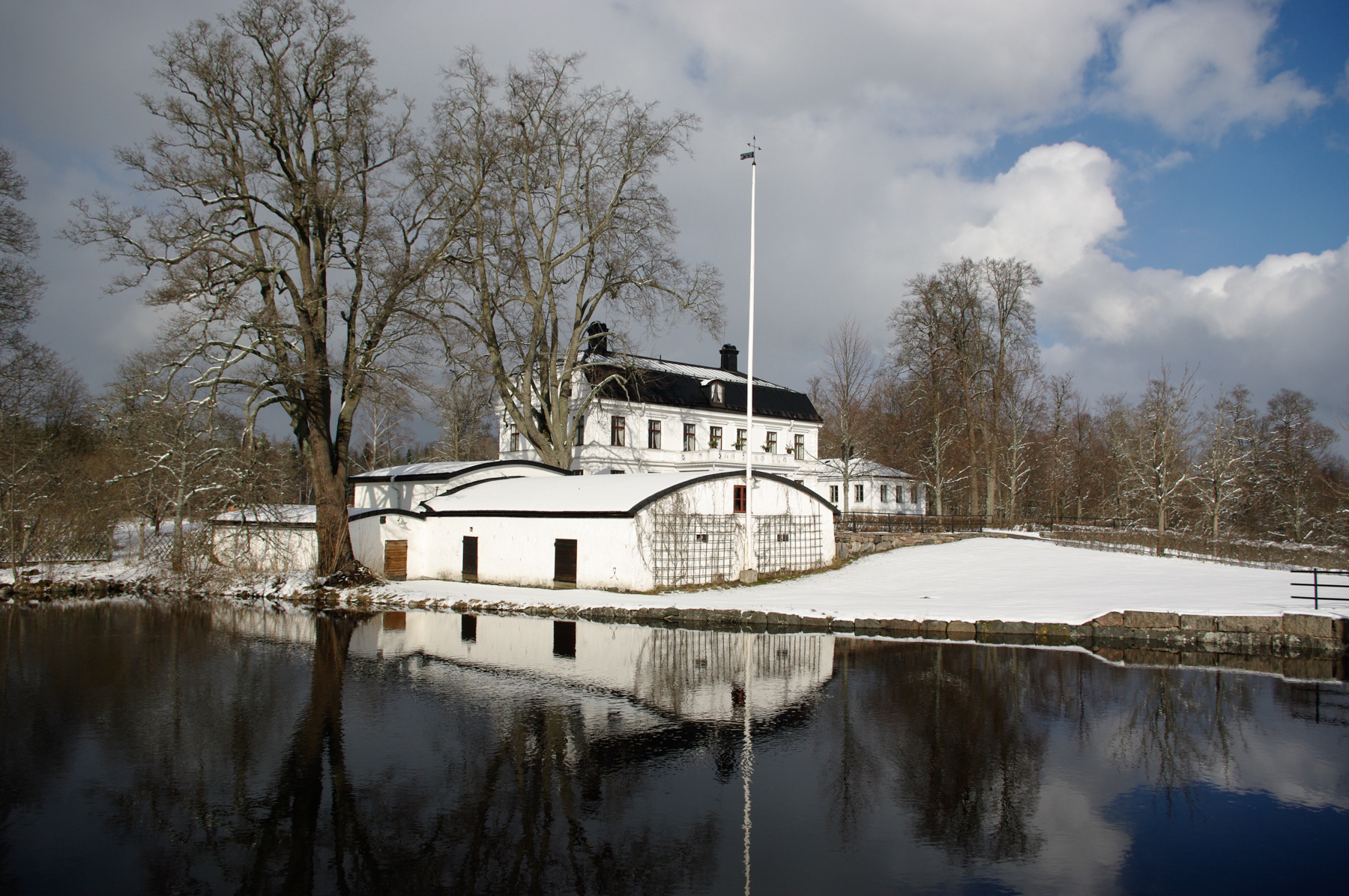
Mackmyra Swedish Whisky
Eight friends who have known each other since their student days shared the ambition to launch a Swedish whisky brand. In 1999, they established the Mackmyra Svensk Whisky distillery in the old, historic iron works building of the village of Mackmyra, about 11 kilometres (6.9 miles) west of Gävle. The Första Dropparna (the first drops) were bottled by the end of the same year. Business was booming. In 2001, two varieties were released. A year later, the equipment was upgraded to increase production. By 2007, the distillery was operating almost daily, with two shifts. The range includes six whiskies and numerous collector's items. The company grew to more than 50 employees, but filed for bankruptcy in 2024. Below a small series taken in the village of Mackmyra in March 2008.
Mackmyra, March 2008.
The mansion of the former iron works village of Mackmyra, March 2008.

The mansion of the former iron works village of Mackmyra, March 2008.

Back to Top